10 Hard Novels to Read
Reading hard novels has always felt a little bit like training for a marathon. They demand more of you than a typical beach read. They require patience, focus, and often a willingness to sit with confusion. But hard novels are more than just long books. Length alone does not make something difficult. Instead, complexity—of language, structure, philosophy, or experimentation—is what truly defines a challenging work.
And yet, there is something deeply satisfying about finishing a hard novel. Reading difficult fiction can sharpen your analytical skills, deepen your literary appreciation, expose you to experimental storytelling techniques like stream of consciousness, and strengthen your ability to track complex narratives. Hard novels stretch you as a reader. They change the way you think about storytelling.
Today, I’m sharing a roundup of hard novels that you might consider adding to your reading list. Some are linguistically dense. Some are structurally ambitious. Some are philosophically overwhelming. But all of them have left an undeniable mark on literary history.
15 Hard Novels to Read
Many of the most influential works in literary history are, frankly, difficult to read. That difficulty isn’t accidental. Authors often push language and structure to their limits in order to reflect the chaos, complexity, and ambiguity of human experience.
Completing a hard novel strengthens your reading stamina and comprehension in ways that lighter fiction simply cannot. It trains your brain to follow layered arguments, juggle multiple characters, and interpret symbolism that isn’t spelled out for you.
It’s also worth noting that difficulty is subjective. A novel that feels impossible to one reader may feel invigorating to another. Background, education, familiarity with literary styles, and even reading habits all play a role. Someone who regularly reads nineteenth-century literature may breeze through War and Peace, while someone used to fast-paced thrillers might struggle. Context matters.
What Are Hard Novels
Hard novels are books that challenge readers in significant ways. There isn’t just one type of difficulty. Instead, there are several categories:
Linguistically difficult: Dense vocabulary, archaic language, or unusual syntax.
Structurally complex: Nonlinear timelines, multiple narrators, fragmented storytelling.
Philosophically dense: Heavy themes, abstract ideas, moral ambiguity.
Extremely lengthy: Hundreds (or thousands) of pages requiring sustained attention.
Experimentally written: Innovative forms, lack of punctuation, or radical narrative styles.
Often, the hardest novels combine several of these elements. A book might be long and structurally complex. It might be philosophically dense and written in challenging prose. Difficulty rarely comes from just one factor.
What Are The Most Difficult Novels To Read
Below, I’ve organized some of the most difficult novels into categories.
Challenging but Accessible
These novels are demanding but still widely read and discussed.
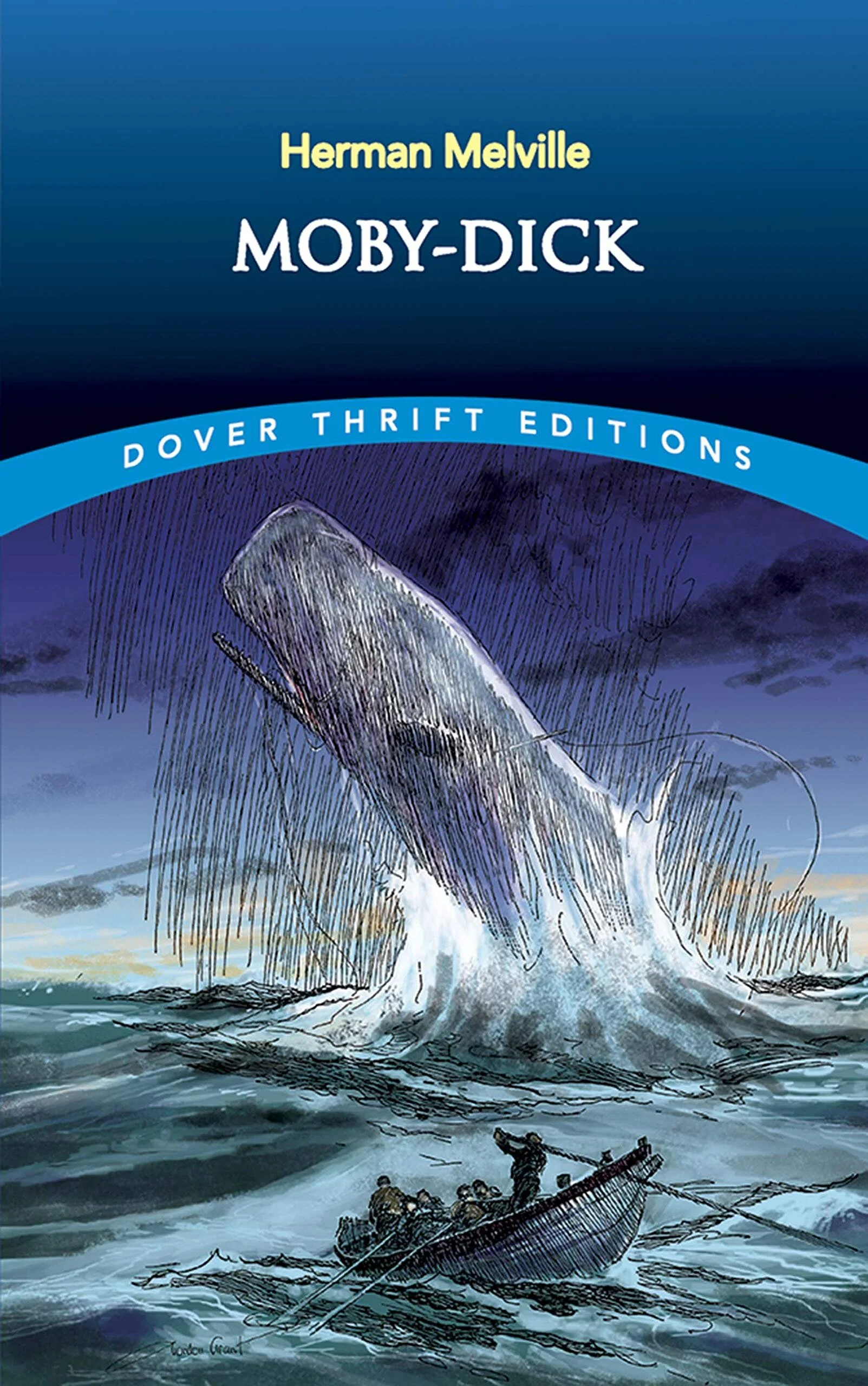
Moby-Dick by Herman Melville
Few novels intimidate readers like Moby Dick. Written by Herman Melville, this 1851 novel is part adventure story, part philosophical treatise, and part encyclopedic exploration of whaling.
Why it’s hard:
Archaic language.
Long digressions on whale anatomy and maritime life.
Symbolism layered throughout.
Why it’s worth reading:
The novel grapples with obsession, fate, revenge, and humanity’s relationship to nature. Captain Ahab’s pursuit of the white whale is one of the most enduring metaphors in literature.
What to expect:
Moments of thrilling drama interspersed with chapters that read almost like nonfiction essays.
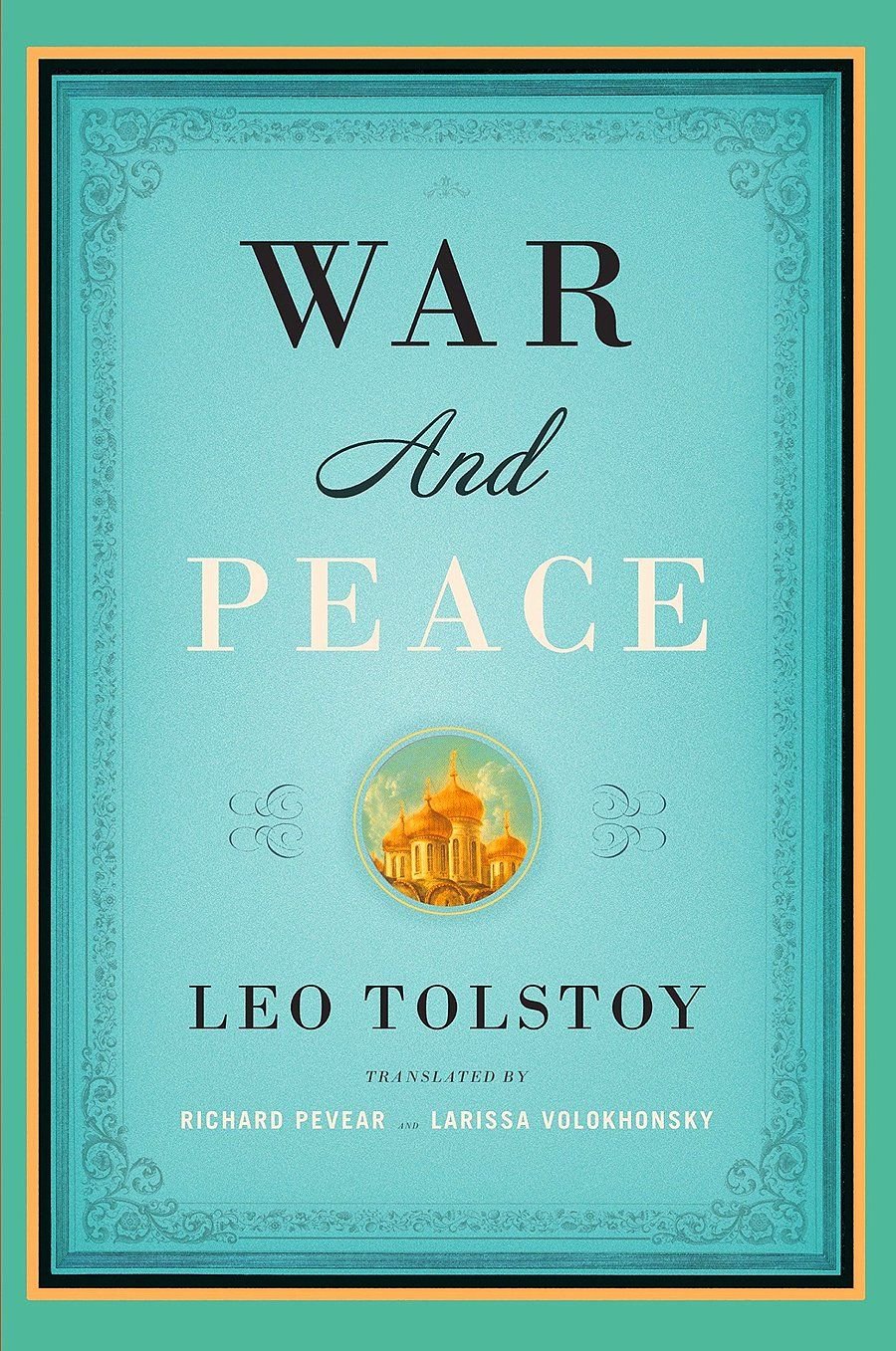
War and Peace by Leo Tolstoy
War and Peace is legendary for its length and scope.
Why it’s hard:
Hundreds of characters.
Russian names and patronymics.
Philosophical reflections on history and free will.
Why it’s worth reading:
Tolstoy’s examination of war, society, and human resilience is breathtaking in scale.
What to expect:
Sweeping historical scenes balanced with intimate family drama.
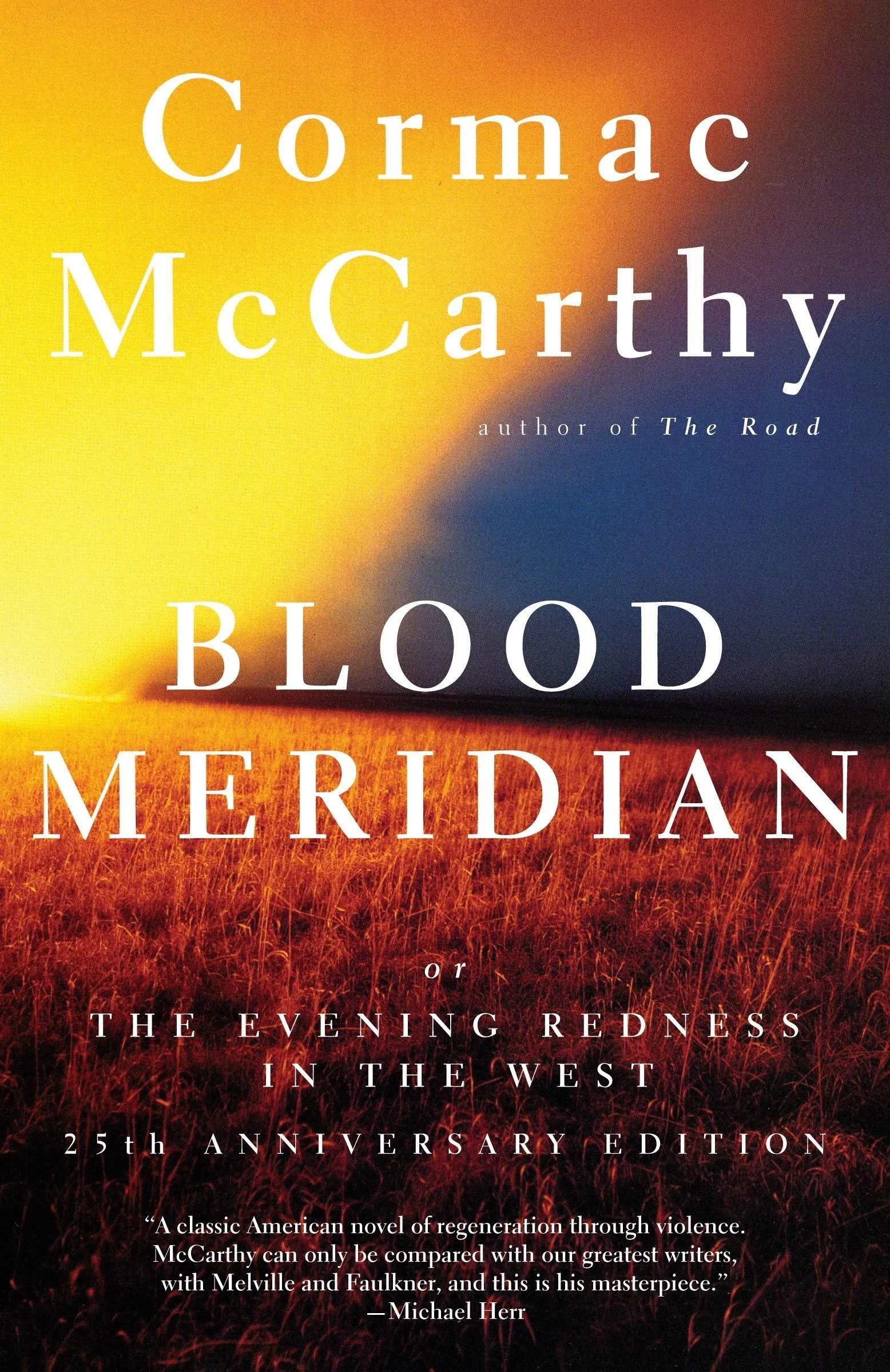
Blood Meridian by Cormac McCarthy
Blood Meridian by Cormac McCarthy is both brutal and poetic.
Why it’s hard:
Sparse punctuation.
Biblical cadence.
Graphic violence.
Moral ambiguity.
Why it’s worth reading:
It’s a profound meditation on violence, destiny, and human nature.
What to expect:
Unrelenting darkness paired with strikingly beautiful prose.
Structurally Demanding
These novels challenge traditional narrative form.
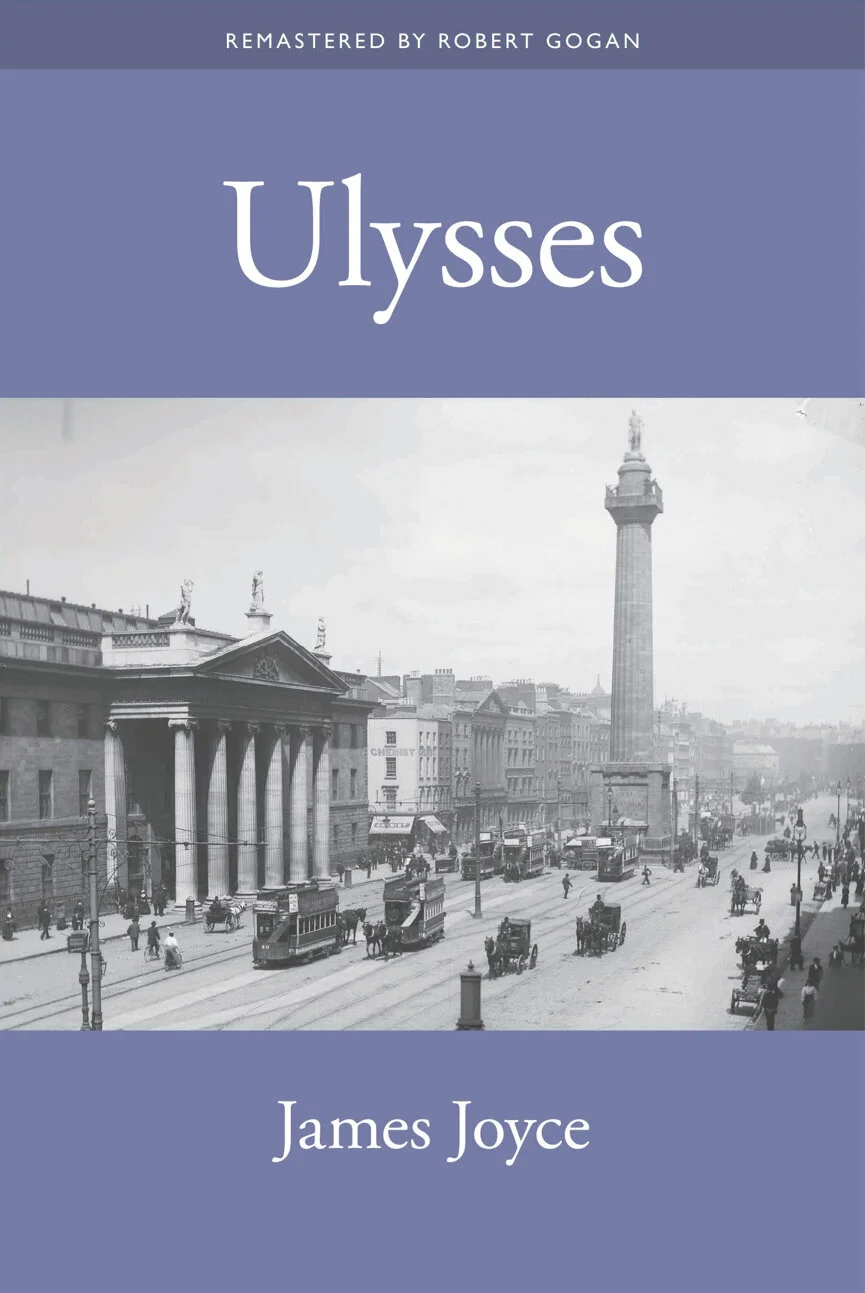
Ulysses by James Joyce
Written by James Joyce, Ulysses is famous for its use of stream of consciousness.
Why it’s hard:
Constant shifts in style.
Dense literary allusions.
Minimal traditional plot structure.
Why it’s worth reading:
Joyce revolutionized modern literature. The novel transforms one ordinary day into an epic odyssey.
What to expect:
Moments of brilliance that may require rereading to fully grasp.

The Sound and the Fury by William Faulkner
Faulkner’s novel is fragmented and nonlinear.
Why it’s hard:
Multiple narrators.
Disjointed timelines.
Intense use of stream of consciousness.
Why it’s worth reading:
It captures the psychological complexity of a decaying Southern family.
What to expect:
Confusion at first. Clarity slowly emerging.
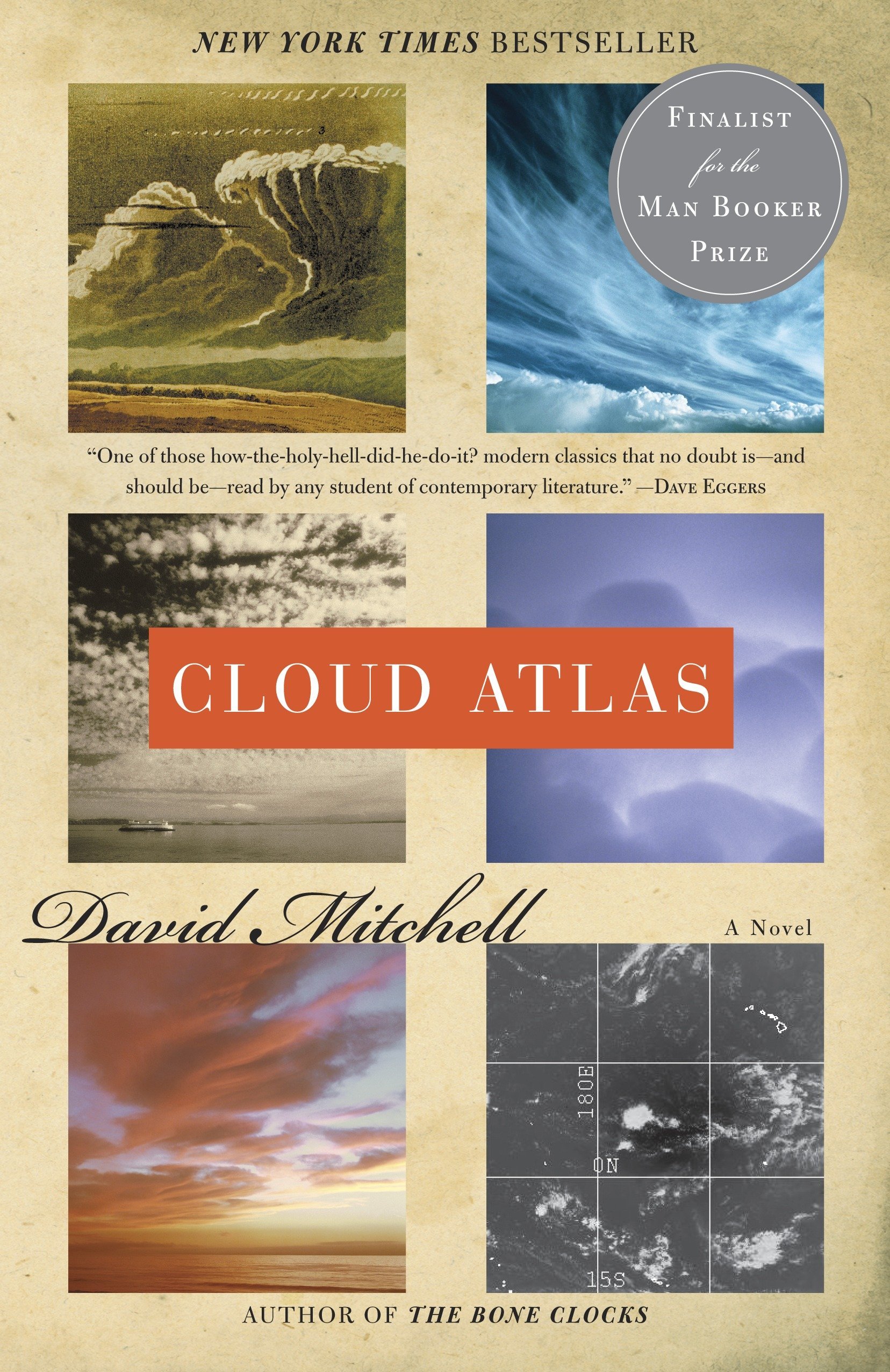
Cloud Atlas by David Mitchell
This novel interweaves six narratives across centuries.
Why it’s hard:
Nested story structure.
Shifting genres and voices.
Why it’s worth reading:
A brilliant exploration of interconnectedness across time.
Extremely Experimental
These novels push language to its breaking point.
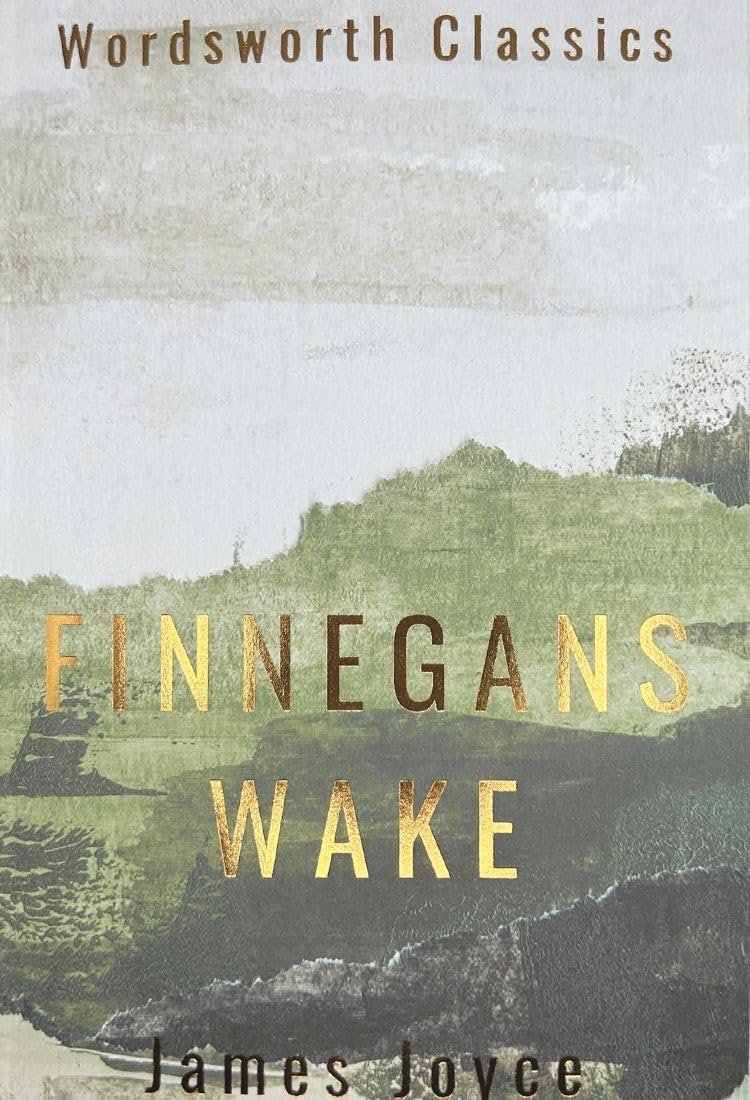
Finnegans Wake by James Joyce
Perhaps the most infamous of all hard novels, Finnegans Wake (often mistakenly called finnegan wake) was written by James Joyce.
Why it’s hard:
Invented words.
Multilingual puns.
Dreamlike structure.
Why it’s worth reading:
It represents the extreme edge of literary experimentation.
What to expect:
Partial comprehension—and that’s okay.
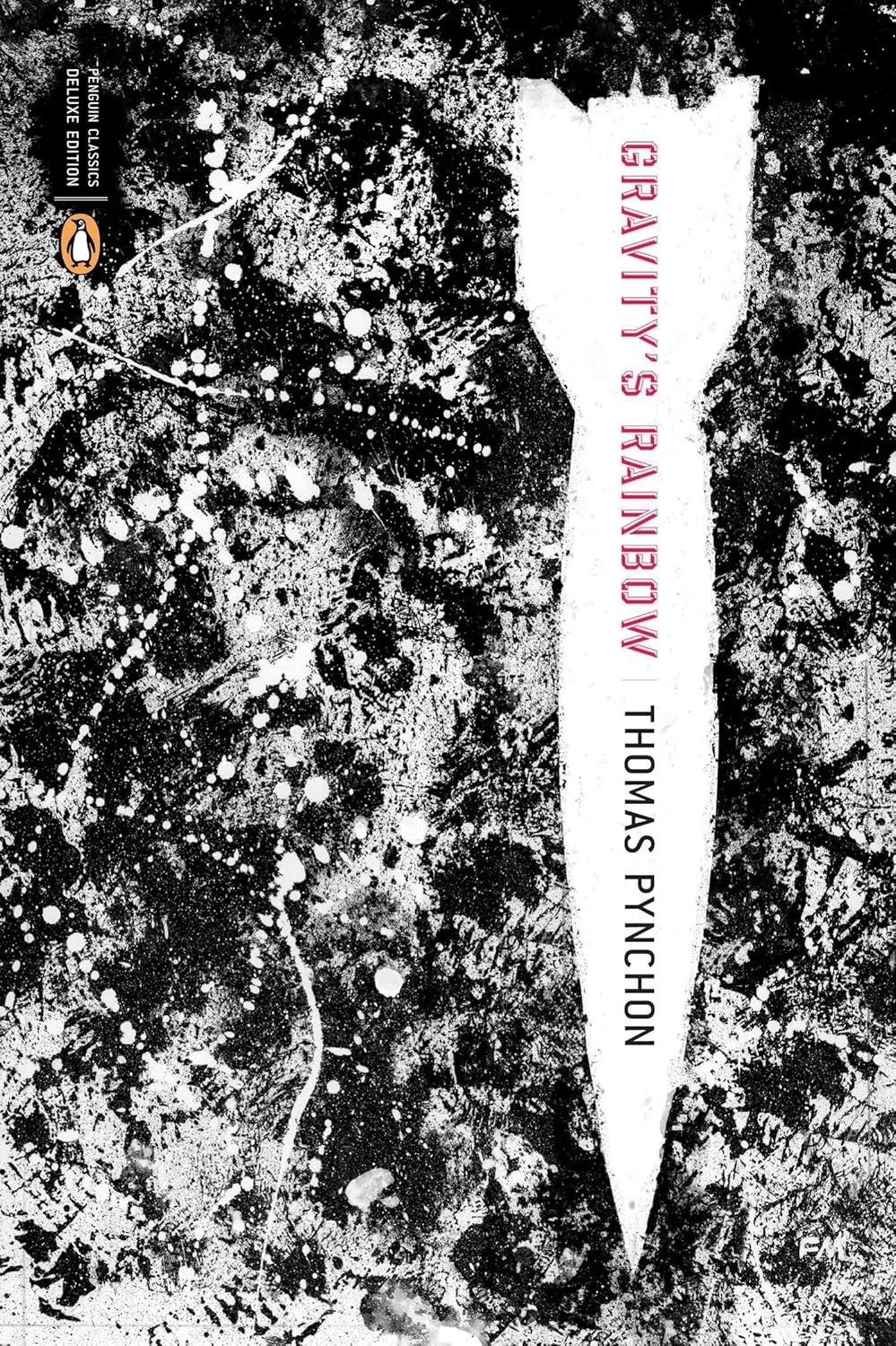
Gravity’s Rainbow by Thomas Pynchon
A postmodern masterpiece.
Why it’s hard:
Nonlinear narrative.
Scientific jargon.
Hundreds of characters.
Why it’s worth reading:
A daring exploration of paranoia and power during WWII.
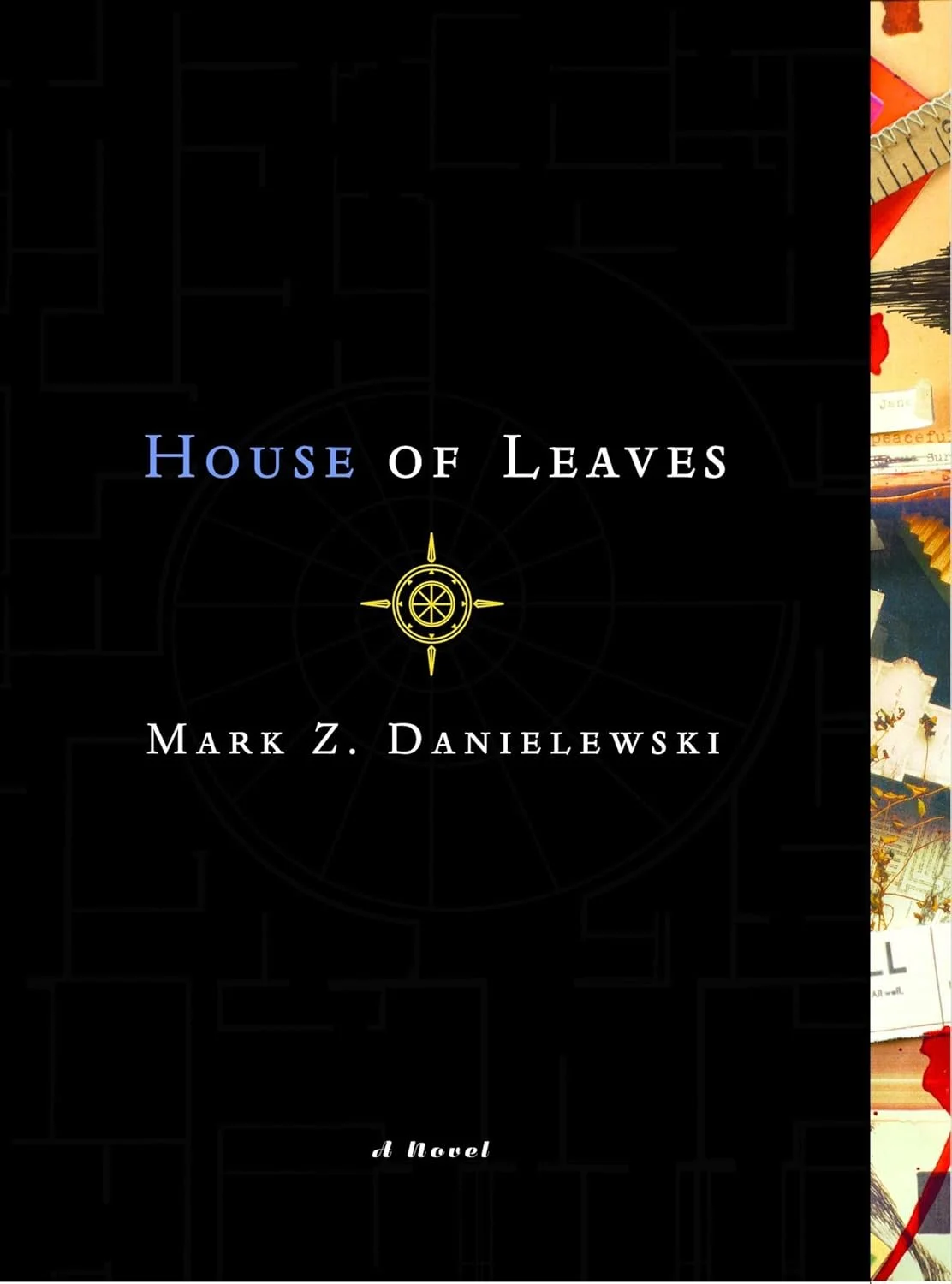
House of Leaves by Mark Z. Danielewski
Why it’s hard:
Unusual formatting.
Footnotes within footnotes.
Typographical experimentation.
Why it’s worth reading:
A haunting meditation on space, perception, and fear.

Infinite Jest by David Foster Wallace
Why it’s hard:
Massive length.
Extensive endnotes.
Intellectual density.
Why it’s worth reading:
A brilliant and often darkly funny exploration of addiction and entertainment culture.
How To Read Difficult Novels
Reading hard novels requires strategy.
Researching Context First
Before diving into something like Moby Dick or War and Peace, spend time researching the historical and cultural context. Understanding the time period, author background, and major themes can dramatically improve comprehension.
This is especially helpful with authors like Herman Melville, Cormac Mccarthy, and James Joyce, whose works are deeply tied to literary movements.
Reading Companion Guides
Companion guides, annotations, and even academic lectures can provide clarity.
For example, reading a guide while tackling Ulysses or Gravity’s Rainbow can prevent frustration. These resources unpack symbolism and references that might otherwise go unnoticed.
Setting a Page Quota
Hard novels are often long. Setting a daily page goal—say 20–30 pages—can make even something like Infinite Jest manageable.
Consistency matters more than speed.
Accepting Partial Understanding
This may be the most important tip of all.
You will not understand every line of Finnegans Wake. Most readers don’t. Accepting partial comprehension frees you to enjoy the rhythm and playfulness of the text rather than obsessing over perfect understanding.
Using Audiobook Pairing
Pairing print with audiobook can help you navigate complex prose. Hearing stream of consciousness passages read aloud often makes them more accessible.
Joining a Reading Group
Difficult novels become more manageable when discussed with others.
Book clubs are especially helpful when tackling ambitious works. (And if you’re in the mood for something lighter afterward, you might enjoy exploring these romance novels with greek mythology.
Discussion deepens comprehension and motivation.
Final Thoughts
Hard novels aren’t for every season of life. Sometimes you want something comforting and fast-paced. Other times, you want to be stretched intellectually.
But if you’ve ever felt curious about reading something ambitious—something that feels like climbing a literary mountain—consider picking up one of these hard novels to read. Whether it’s Moby Dick, Blood Meridian, War and Peace, or even the notoriously experimental Finnegans Wake, the reward lies not just in finishing the book, but in who you become as a reader along the way.
Difficult fiction reminds us that literature can challenge, provoke, and transform. And sometimes, that challenge is exactly what we need.