

Apocalyptic Books: The Ultimate Guide to End-of-the-World Reads
There’s something undeniably gripping about apocalyptic books. Maybe it’s the way they drop you into extreme, high-stakes worlds where survival is no longer guaranteed, or the way they strip humanity down to its most raw and revealing form. In apocalyptic fiction, everything familiar disappears—systems collapse, cities fall silent, and ordinary people are forced into extraordinary circumstances.
What I love most about apocalyptic literature is its range. These stories can unfold through deadly pandemics, environmental disasters, dystopian collapses, or even the looming threat of nuclear war. Some are grounded in science fiction, while others lean into philosophical or even spiritual interpretations of the end of the world, echoing texts like the book of revelation or the book of enoch. Across centuries—even stretching into imagined futures thousands of years ahead—apocalyptic works continue to ask the same haunting question: what happens when everything we know ends?
If you’re drawn to stories that explore resilience, survival, and the complexities of human nature during cataclysmic events, you’re in the right place. Below, I’m sharing a curated roundup of apocalyptic books that I think you’ll absolutely love. If you want to try catching any of these books on sale, check out ebook daily deals here.
What Are Apocalyptic Books
Apocalyptic books are stories that focus on the collapse of civilization or life as we know it. These narratives often center on a single, defining moment—an apocalyptic event—that triggers widespread destruction, whether through disease, war, environmental collapse, or supernatural forces.
A key distinction in apocalyptic writing is the difference between apocalyptic and post apocalyptic stories. Apocalyptic fiction typically unfolds during the collapse itself—the chaos, the uncertainty, the immediate aftermath of disaster. In contrast, post apocalyptic fiction explores what comes after: the rebuilding (or failure to rebuild), the reshaping of society, and life in a drastically altered world.
Think of it this way:
Apocalyptic fiction = the fall
Post apocalyptic fiction = the aftermath
Both are often grouped together, especially within science fiction and dystopian fiction, but they offer very different emotional and narrative experiences.
The genre has seen a massive surge in popularity, particularly in the United States and globally, as readers gravitate toward stories that reflect real-world anxieties—pandemics, climate change, political instability, and technological uncertainty. In many ways, apocalyptic literature feels more relevant than ever, offering both escapism and a lens through which to process our own fears about the future.
Types of Apocalyptic Books
Pandemic Apocalyptic Books
Pandemic-driven apocalyptic books are some of the most chilling because they feel the most plausible. These stories often explore how quickly society can unravel when a deadly disease spreads unchecked.
They focus on:
The fragility of healthcare systems
Isolation and survival
Moral dilemmas in times of crisis
These books gained renewed attention after recent global events, making them some of the most widely read apocalyptic works today.
Nuclear War Apocalyptic Books
Rooted in Cold War fears, nuclear war apocalyptic fiction reflects anxieties that have lingered for decades. These stories often explore the immediate devastation of nuclear war and the long-term consequences of radiation, fallout, and geopolitical collapse.
Common themes include:
Survival in irradiated environments
Government failure and secrecy
Ethical questions surrounding power and destruction
These books are especially tied to the historical context of the Cold War in the United States, yet they remain eerily relevant.
Environmental & Climate Apocalyptic Books
Environmental apocalyptic books center on the consequences of climate change and ecological collapse. Rising sea levels, extreme weather, and resource scarcity create worlds where survival is dictated by the environment itself.
These stories often explore:
Humanity’s relationship with nature
The cost of environmental neglect
Survival in radically altered ecosystems
They tend to blur the line between science fiction and realism, making them both fascinating and unsettling.
Dystopian Collapse Apocalyptic Books
Dystopian fiction often overlaps with apocalyptic fiction, especially when a society collapses under authoritarian rule, economic breakdown, or technological overreach.
These books focus on:
Oppressive governments
Social inequality
Resistance and rebellion
If you love this type of story, you might also enjoy this list of dystopian novels with romance, which blends high-stakes worlds with emotional depth.
Religious & Philosophical Apocalyptic Books
Some of the earliest apocalyptic literature comes from religious and philosophical traditions, including texts like the book of daniel, the book of revelation, and the proto apocalyptic book of enoch. These works often explore divine judgment, moral reckoning, and the ultimate fate of humanity.
Modern interpretations of this type of apocalyptic fiction often:
Examine morality and belief systems
Explore fate vs. free will
Use symbolism and allegory
These stories tend to be more introspective, focusing less on survival and more on meaning.
What Are Some Good Apocalyptic Books

The Road by Cormac McCarthy
A haunting and minimalist take on the post apocalypse, The Road follows a father and son navigating a barren, ash-covered world after an unspecified cataclysmic event.
Why it stands out:
Deep emotional core
Stark, poetic prose
Focus on human connection in a world stripped bare
Best for readers who appreciate literary fiction with profound emotional depth.

Station Eleven by Emily St. John Mandel
Blending past and present timelines, Station Eleven explores life before, during, and after a devastating pandemic that wipes out most of humanity.
Why it stands out:
Beautifully layered storytelling
Exploration of art and memory in a post apocalyptic world
A surprisingly hopeful tone
Perfect for readers who want a more reflective, character-driven take on apocalyptic fiction.
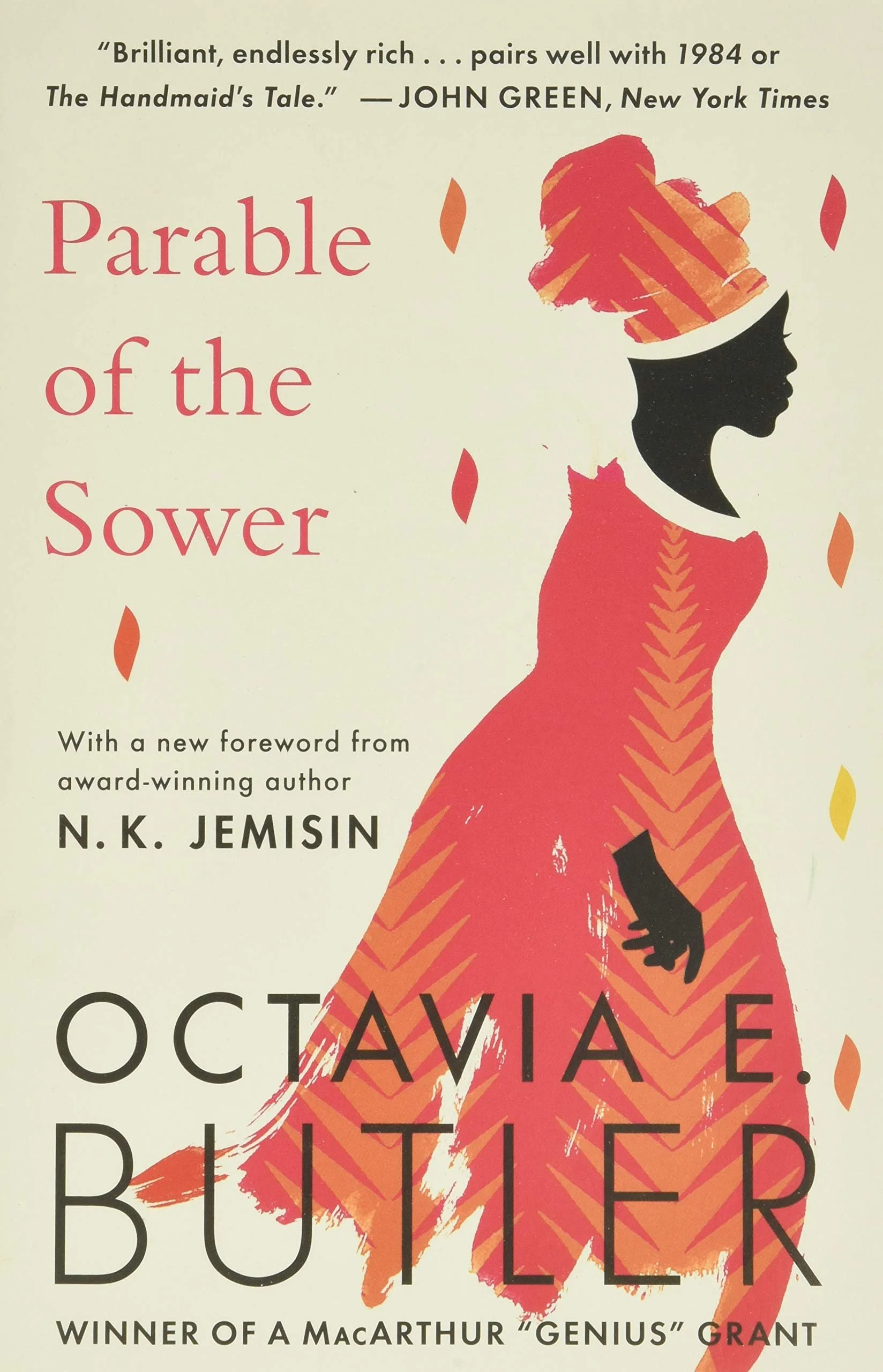
Parable of the Sower by Octavia Butler
Set in a near-future United States plagued by climate disaster and societal collapse, this novel follows a young woman with a unique belief system as she navigates a dangerous world.
Why it stands out:
Visionary world-building
Exploration of religion and philosophy
Themes of resilience and community
A must-read for fans of dystopian fiction and thought-provoking narratives.

The Stand by Stephen King
A classic of apocalyptic literature, The Stand tells the story of a deadly pandemic that decimates the population, followed by a battle between good and evil among the survivors.
Why it stands out:
Epic scope
Memorable characters
Blend of horror, fantasy, and apocalyptic fiction
Ideal for readers who love immersive, large-scale stories.
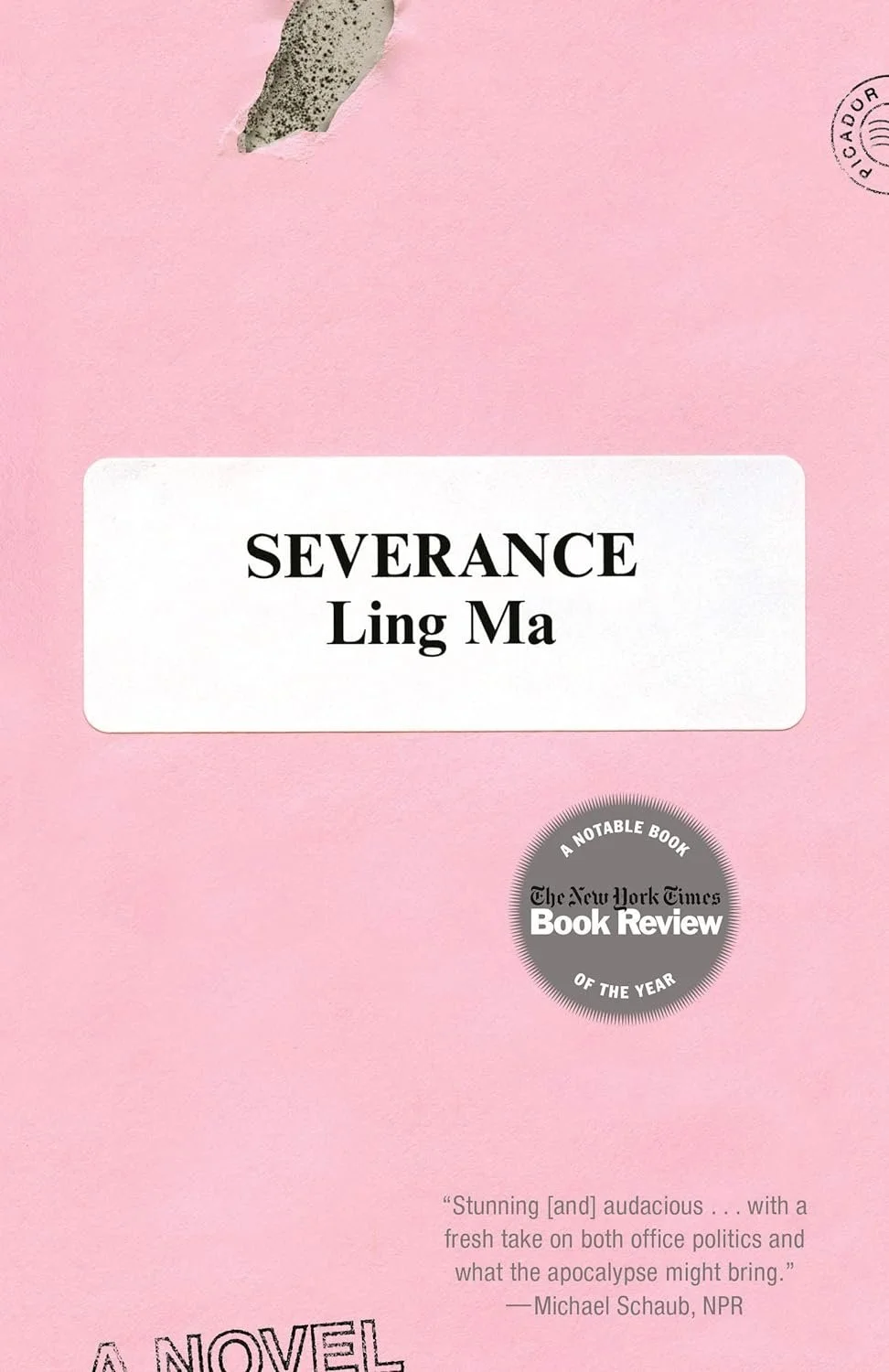
Severance by Ling Ma
A unique take on the pandemic apocalyptic genre, Severance explores a world where a mysterious illness causes people to repeat their routines endlessly.
Why it stands out:
Sharp social commentary
Exploration of modern work culture
A fresh, almost surreal approach to apocalyptic writing
Great for readers who enjoy literary fiction with a satirical edge.
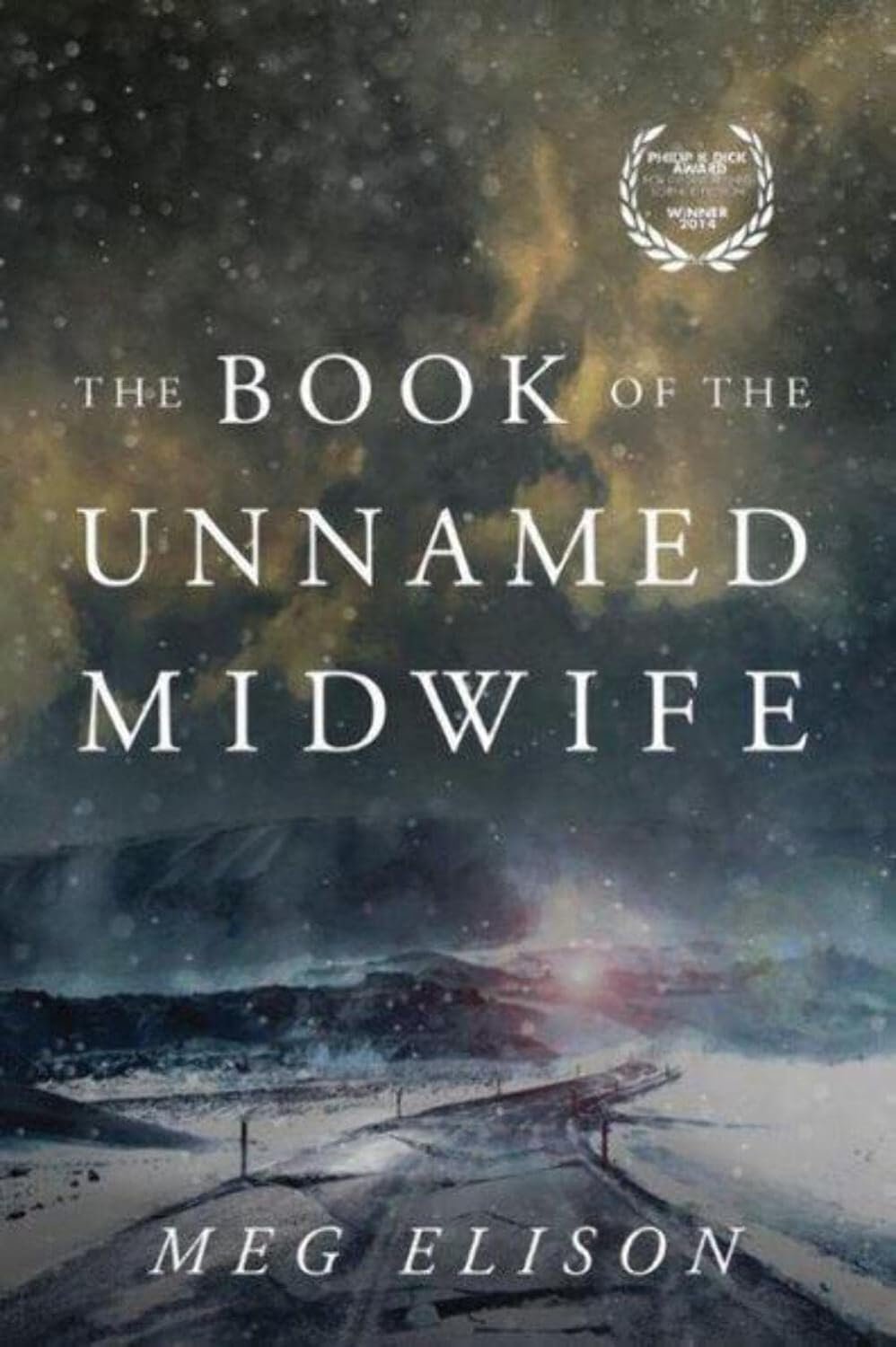
The Book of the Unnamed Midwife by Meg Elison
In a world where a pandemic has wiped out most women, this gripping novel follows a survivor navigating a dangerous and deeply altered society.
Why it stands out:
Feminist perspective
Gritty, realistic survival story
Exploration of gender dynamics in a post apocalyptic world
Best for readers who want something intense and thought-provoking.
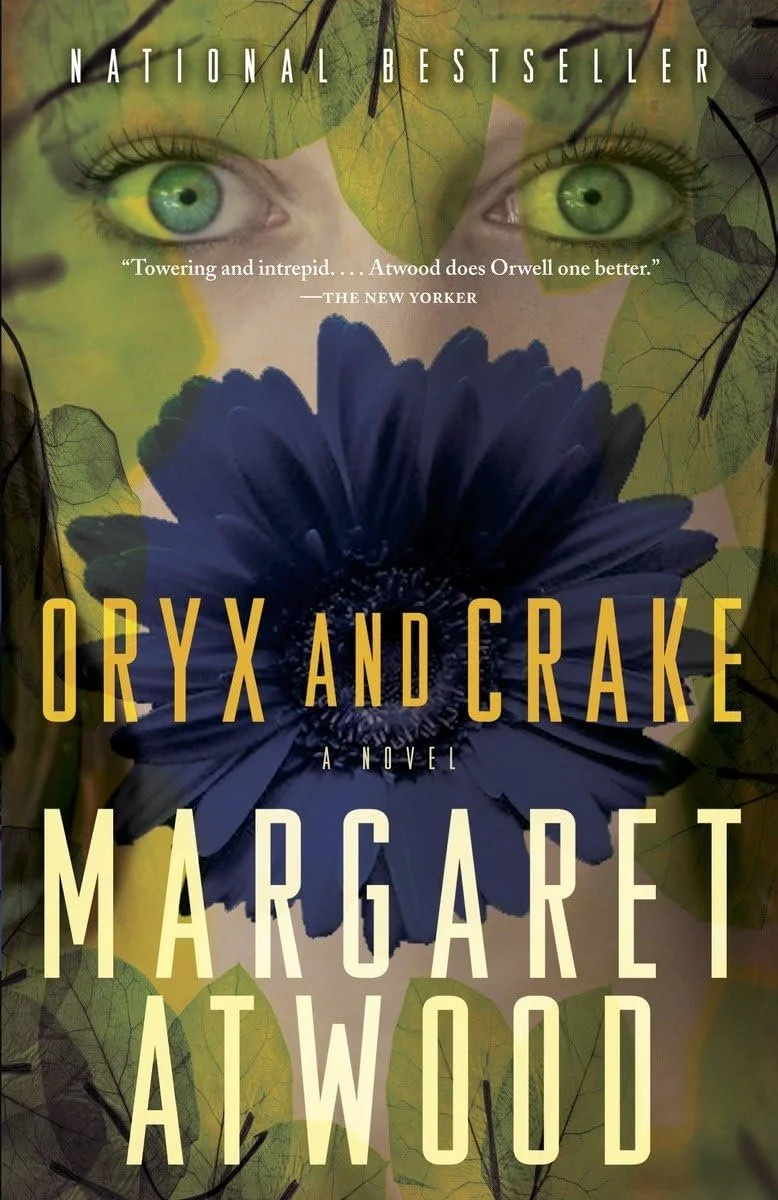
Oryx and Crake by Margaret Atwood
A blend of science fiction and dystopian fiction, this novel explores genetic engineering, corporate greed, and environmental collapse.
Why it stands out:
Complex, layered narrative
Chillingly plausible future
Exploration of science and ethics
Perfect for readers who enjoy speculative fiction with depth.
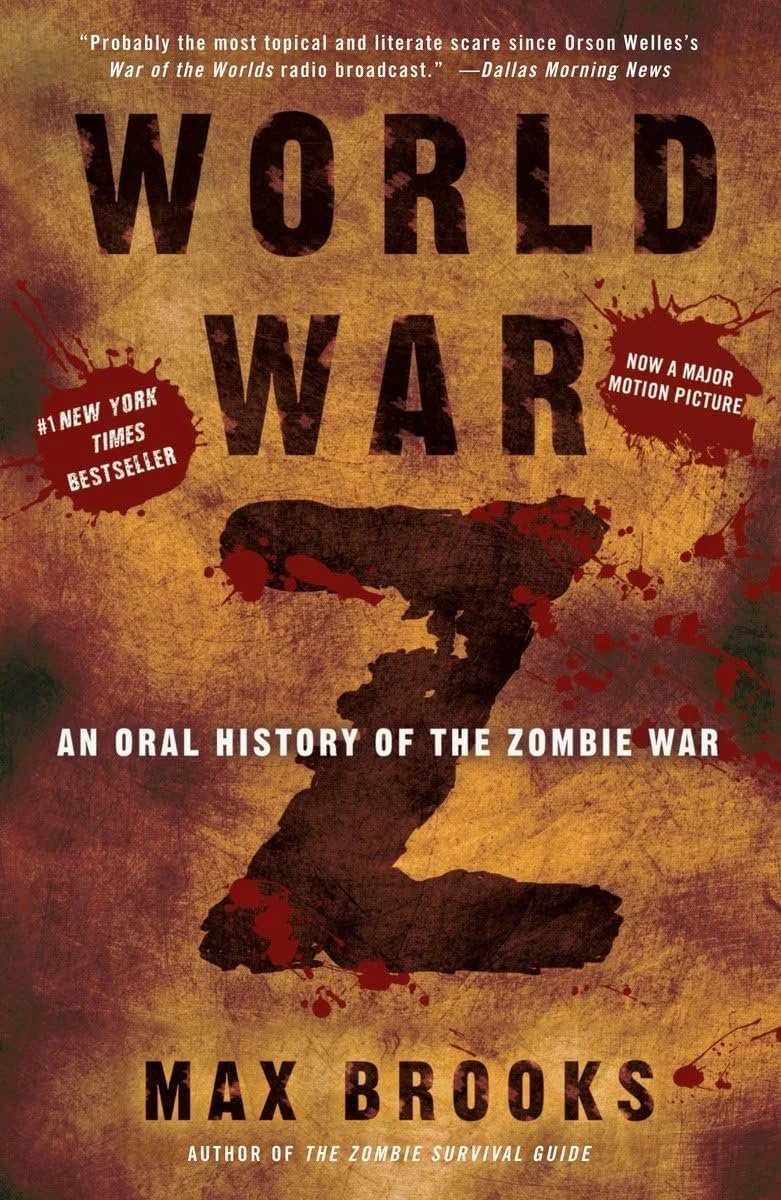
World War Z by Max Brooks
Told through a series of interviews, this novel chronicles a global zombie pandemic and its aftermath.
Why it stands out:
Unique storytelling format
Global perspective on apocalyptic events
Fast-paced and engaging
Great for readers who want a more action-driven apocalyptic book.
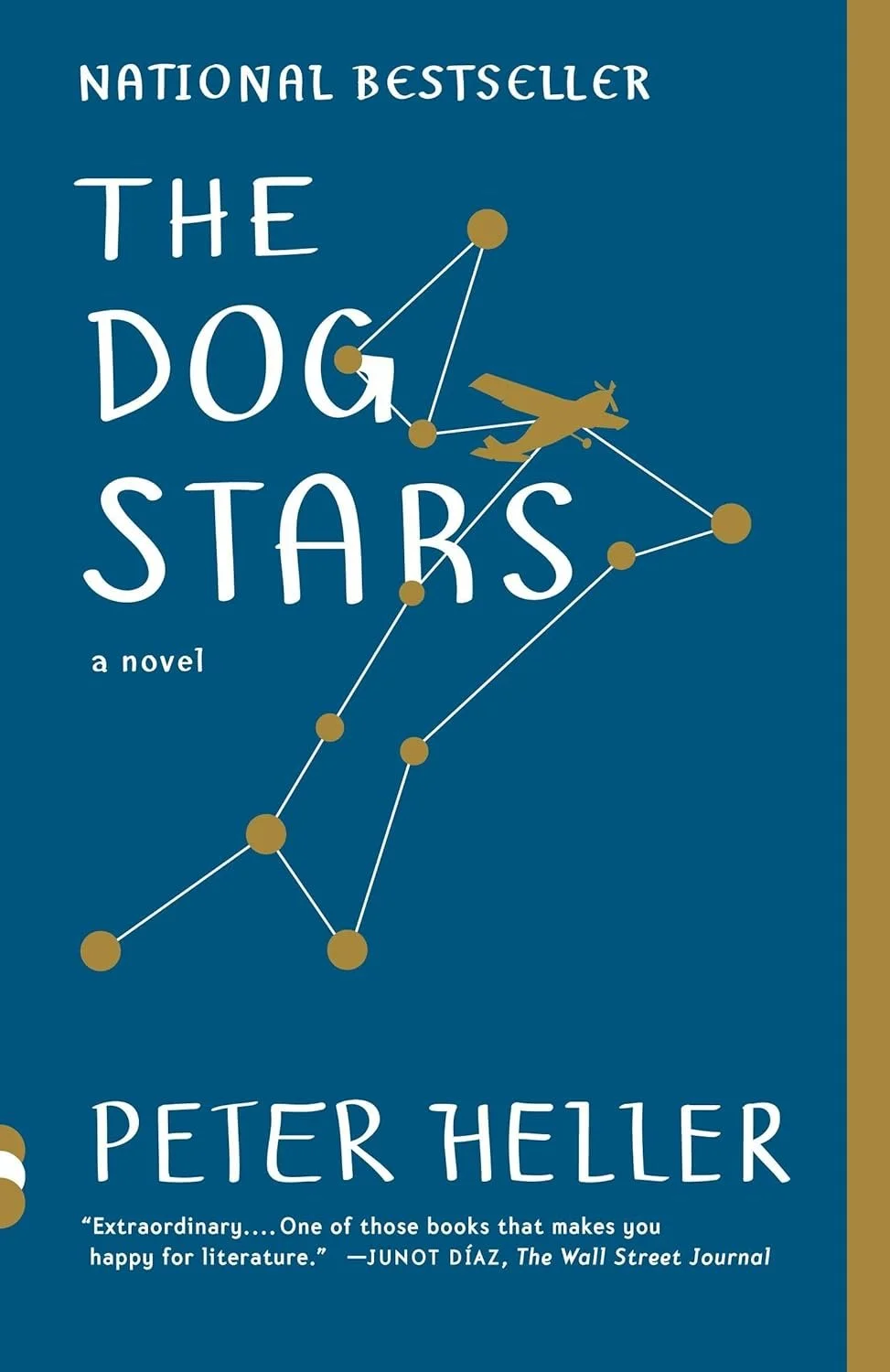
The Dog Stars by Peter Heller
Set after a flu pandemic, this novel follows a man living in isolation near an abandoned airport, searching for meaning and connection.
Why it stands out:
Lyrical writing style
Focus on loneliness and hope
Atmospheric and introspective
Ideal for readers who enjoy quieter, character-driven stories.
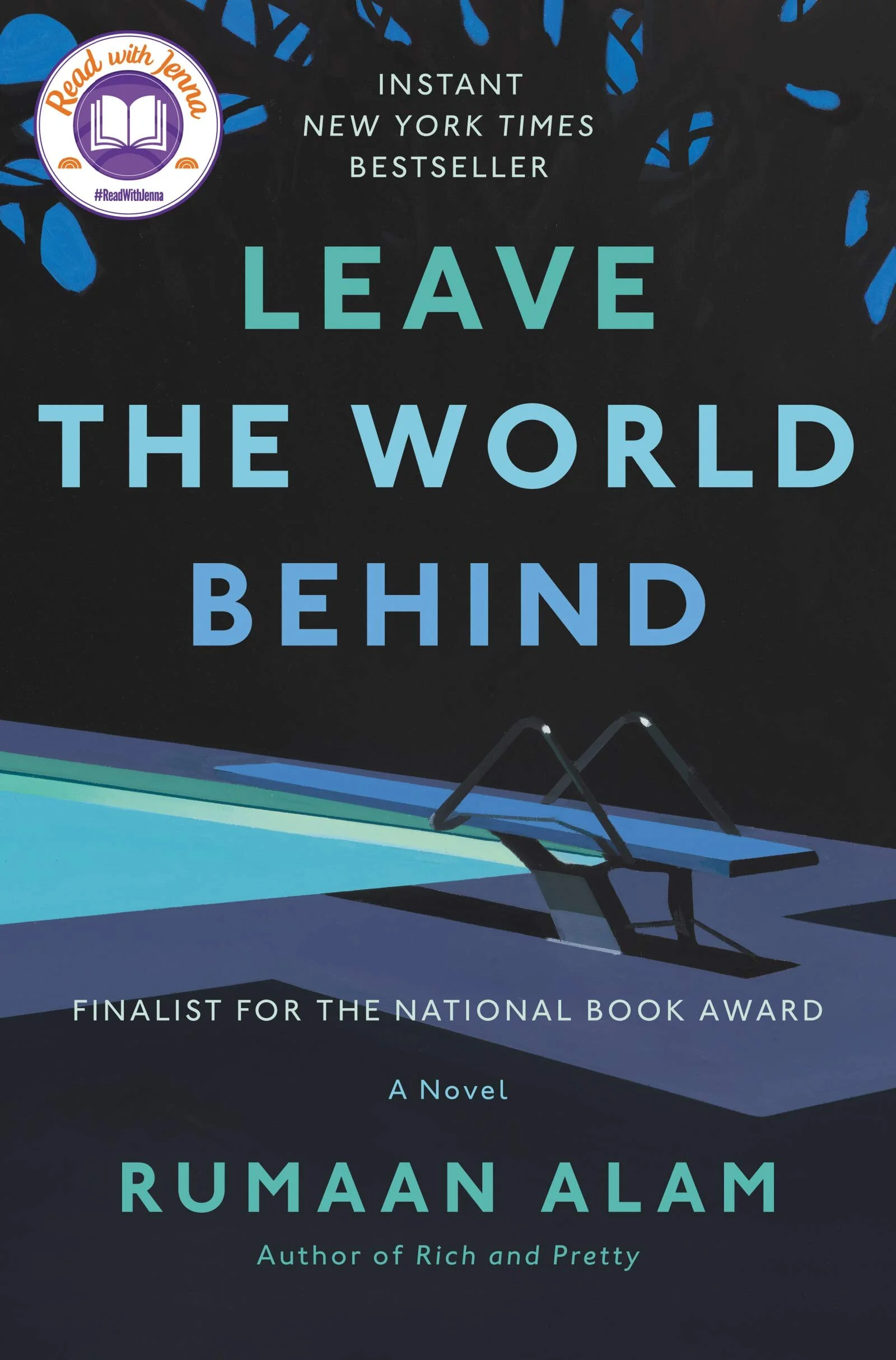
Leave the World Behind by Rumaan Alam
A tense, slow-burn novel about two families forced together during a mysterious blackout that signals something much larger.
Why it stands out:
Psychological tension
Ambiguity and unease
Exploration of privilege and fear
Perfect for readers who love suspenseful, thought-provoking fiction.
Final Thoughts on Apocalyptic Books
Apocalyptic books continue to captivate readers because they explore both the end of the world and the essence of what it means to be human. Whether set during the chaos of apocalyptic events or in the fragile aftermath of a post apocalyptic world, these stories challenge us to consider how we would respond when everything we rely on disappears.
From pandemic-driven narratives to nuclear war scenarios rooted in Cold War anxieties, from environmental disasters to philosophical explorations inspired by ancient apocalyptic literature, the genre is as diverse as it is compelling.
At their core, the best apocalyptic works aren’t just about destruction—they’re about survival, resilience, and the enduring complexity of human nature. And in a world that sometimes feels uncertain, there’s something strangely comforting about stories that remind us: even at the end, there is still something worth holding onto.