
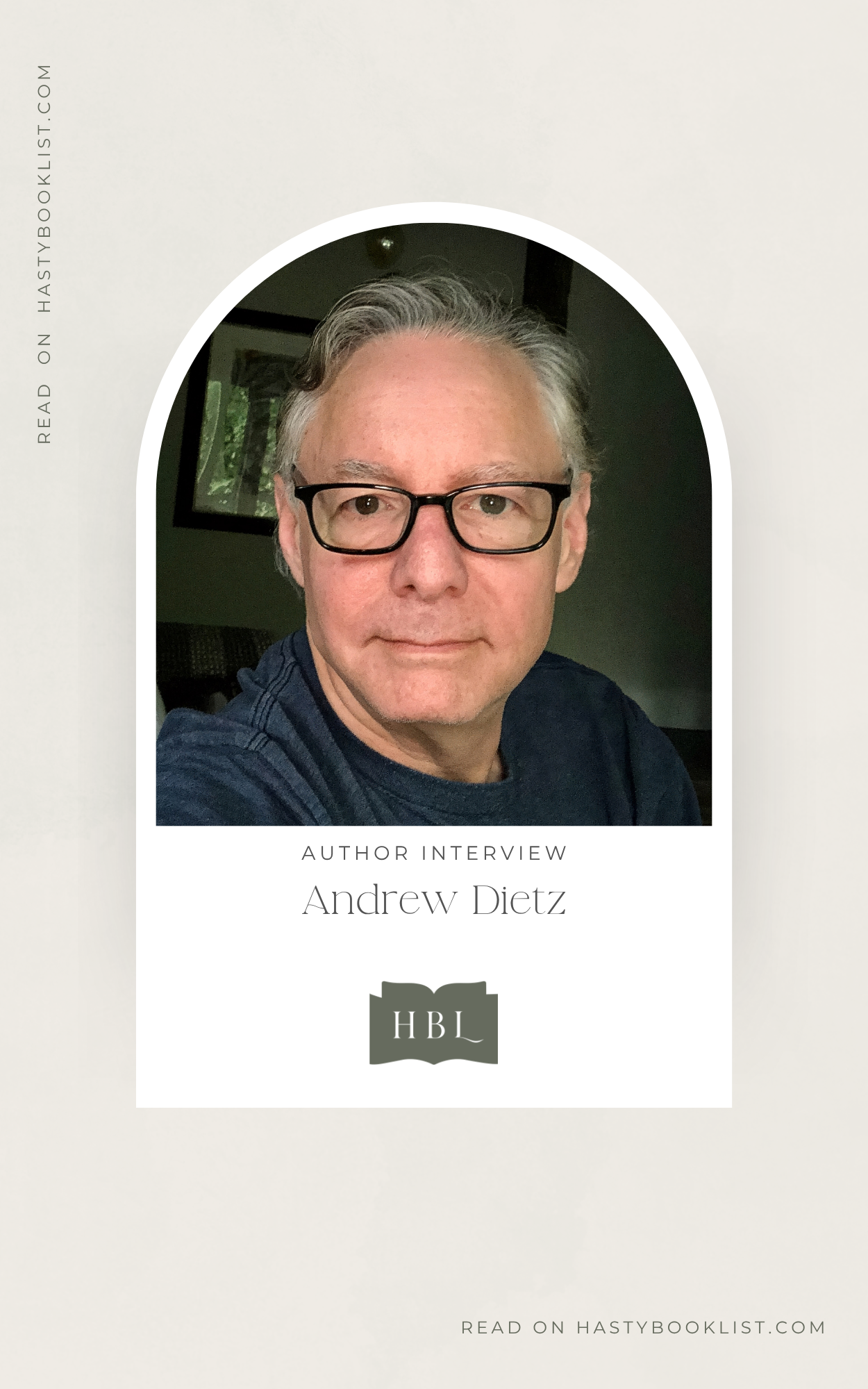
Andrew Dietz
Author Interview - Andrew Dietz
Author of Ever U and the Boy Who Drew Too Much
Ever U and the Boy Who Drew Too Much follows Milo, a gifted young artist whose ability to see and draw the world differently becomes both his greatest strength and a growing risk. When he arrives at the mysterious Ever Mountain College—a place where creativity isn’t just encouraged but expected to shape identity and future—he’s pulled into a world populated not just by allies and mentors, but by rivals and adversaries who see his talent as something to challenge, exploit, or shut down. The story blends sharp humor and moments of absurdity with an unfolding sense that this world may not be entirely real in the conventional sense, opening into strange, shifting layers that feel closer to sci-fi or alternate realities than a typical school. As pressures build and the boundaries of that world become less certain, Milo is forced to confront a central question: whether he’s willing to build a life around his creative gift—or protect himself by holding it back.

Author Interview - Andrew Dietz
Author I draw inspiration from:
I’m especially drawn to writers who blend imagination with something deeper under the surface. Neil Gaiman’s The Ocean at the End of the Lane and Neverwhere for the way they make the ordinary feel quietly surreal. Kurt Vonnegut’s Slaughterhouse-Five for its mix of absurdity, structure-breaking, and emotional weight. Douglas Adams’ The Hitchhiker's Guide to the Galaxy for pure comedic brilliance wrapped around existential ideas. And Louis Sachar’s Holes for its deceptively simple, layered storytelling that reveals itself piece by piece.

Author Interview - Andrew Dietz | Author I Draw Inspiration From
Favorite place to read a book:
If a book really has me, the location stops mattering—I’ll read it anywhere in the known universe. Most often, though, it’s at night: either in bed or in a worn-in lounge chair where everything else fades out. And when I’m not reading, I’m listening—long walks or drives are where stories stretch out and settle in differently.
Book character I’d like to be stuck in an elevator with:
I’d go with Ford Prefect from The Hitchhiker's Guide to the Galaxy by Douglas Adams.
We’d get in, the elevator would stall, and while I’m doing the normal “press the button again and wait,” Ford would already be treating it like a mildly interesting development rather than a problem. I’d mostly be watching how he stays so completely unfazed, trying to adopt about 10% of that mindset while the floor numbers start to feel optional because the lift is apparently equipped with an Infinite Improbability Drive.
And then the doors would open somewhere that definitely isn’t where we started and Ford would just nod like this is exactly how elevators are supposed to work. And, I might have to lean over and hurl my lunch.
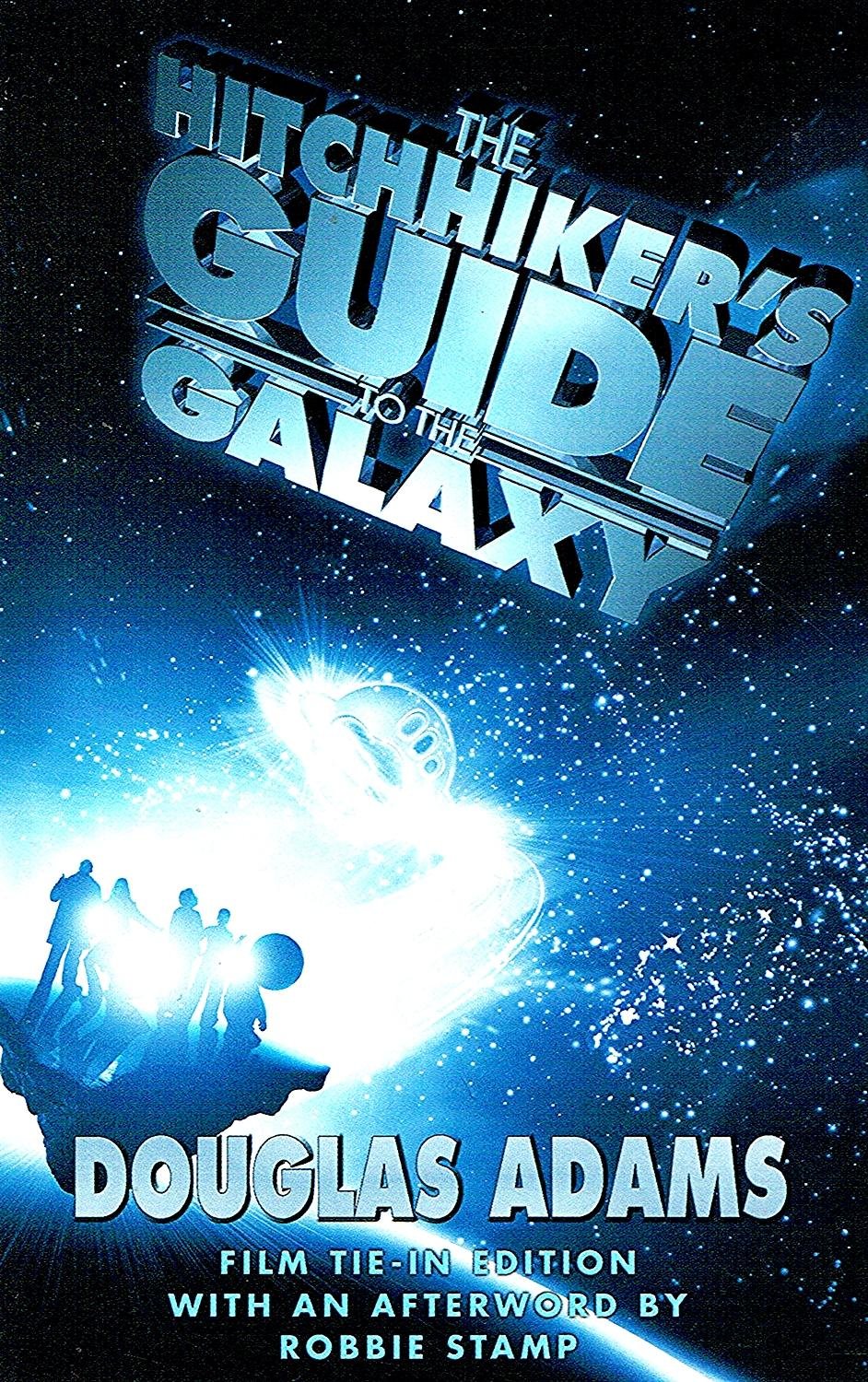
Author Interview - Andrew Dietz | Book Character I’d Like to be Stuck in an Elevator With
The moment I knew I wanted to become an author:
The moment I knew I wanted to become an author wasn’t a single event—it was a series of moments while reading. Certain lines would stop me cold, make me go back and read them again, just to feel what they did. I remember reading Of Mice and Men by John Steinbeck as a teenager and being completely undone by it. And then reading The Hitchhiker's Guide to the Galaxy by Douglas Adams and laughing at a line so perfectly unexpected—“The ships hung in the sky in much the same way that bricks don’t.”
Those moments made something click for me. I didn’t just want to read words like that—I wanted to write something that could make someone else stop, feel, and see the world differently, even for a second.
Hardback, paperback, ebook or audiobook:
Hardback, paperback, ebook, audiobook—I use all of them, but for different reasons. Hardbacks feel like an event—I love the substantial feel of a beautifully crafted one, even if it’s slightly hazardous if dropped on a toe. Paperbacks are my everyday choice: easy, affordable, and much less likely to cause physical harm when thrown. Ebooks are what I use most now (on phone or Kindle)because having a full library with me at all times is hard to beat, even if the experience is far less tactile. Audiobooks are their own thing entirely: a great narrator can elevate a story, but a flat, robotic read (or someone confidently and consitently mispronouncing key words) can take even a great book down with it.
The last book I read:
The Hundred Year Old Man Who Climbed Out The Window and Disappeared by Jonas Jonasson - I love the writing - hilarious and sweet at the same time, well-paced and just plain joyous good fun.

Author Interview - Andrew Dietz | The Last Book I Read
Pen & paper or computer:
I doodle and sketch thoughts and map character and plot ideas with pen and paper. I write on computer.
Book character I think I’d be best friends with:
I’d go with Kilgore Trout from the works of Kurt Vonnegut—especially Breakfast of Champions.
Trout is a strange mix of outsider, satirist, and accidental truth-teller. He sees through the absurdity of how we silly humans construct meaning, success, and identity and he does it with offbeat humor that doesn't try to impress. He doesn’t take the world or himself too seriously, which creates room for both insight and hilarity and, while hanging with him might not always be comfortable, it would almost never be boring.
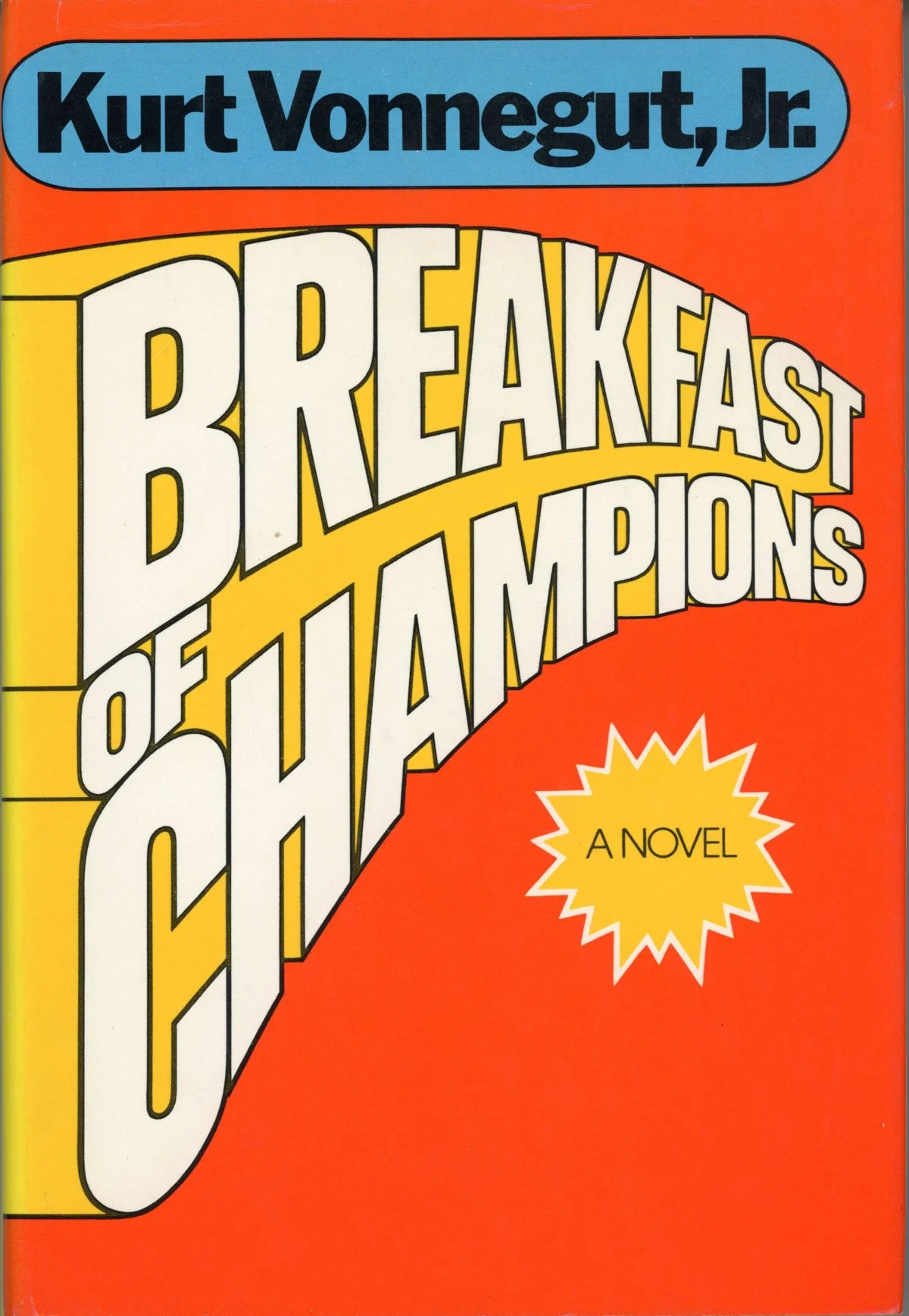
Author Interview - Andrew Dietz | Book Character I’d be Best Friends With
If I weren’t an author, I’d be a:
If I weren’t an author, I’d still end up in the same kind of place—right in the middle of messy, real-world situations, trying to figure out what’s actually going on beneath the surface and how to make it work better. I’m wired to follow ideas until they either break or click, and then turn that clarity into something that actually moves and nudges people to think differently. Whether that shows up as advising, building, or teaching almost doesn’t matter. It’s the process I’m after: take something unclear—or even a little absurd—shape it until it makes sense, and then make it useful, or at least impactful. If I could do that in the arts and still pay my bills, even better.
Favorite decade in fashion history:
The era that lets me just wear jeans, a t-shirt or sweatshirt and sneakers all the time is the right timeline for me.
Place I’d most like to travel:
While i would love to travel to many exotic, glamorous spots, my happy place is the Western North Carolina (Blue Ridge) Mountains. Because it doesn’t feel like “going somewhere," it feels like getting back to something. The pace shifts, the air changes, and it becomes easier to think clearly and notice what actually matters. It’s one of the few places where I don’t feel pulled in ten directions at once, which makes it ideal for both reading and writing or just paying attention. It's also filled with wacky stories and people and arts/music/crafts I love. That's why it was the inspiration for the geography/setting of Ever U.
My signature drink:
I drink a lot of sparkling water which keeps me hydrated though slightly belch-prone. (Is that TMI?)
Favorite artist:
Alexander Calder is a favorite for the playfulness and vitality of his work.
Number one on my bucket list:
Writing the sequel to Ever U and having it matter just as much (or more) to the people who read it. The first book opened up a question I’m not done exploring. "How can we help talented rising artists (whatever the art form) to cross the "Creative Courage Gap" that prevents them from pursuing a life and living in the arts. Finishing that story the right way feels less like an accomplishment and more like something I owe.
Find more from the author:
https://www.instagram.com/andrewsdietz/
https://www.facebook.com/creativegrowth/
TikTok = @asdietz
About Andrew Dietz:

Andrew Dietz
Andrew Dietz is the author of Ever U and the Boy Who Drew Too Much, a novel that explores creativity, identity, and the risks of building a life around what you’re naturally wired to do. His work blends humor, imagination, and underlying questions about how people make choices that shape who they become. Outside of writing, Andrew has spent decades working with organizations to understand how things actually work beneath the surface and how to make them better—an instinct that carries into his storytelling. He splits his time between Atlanta, GA and the mountains of Western North Carolina.