
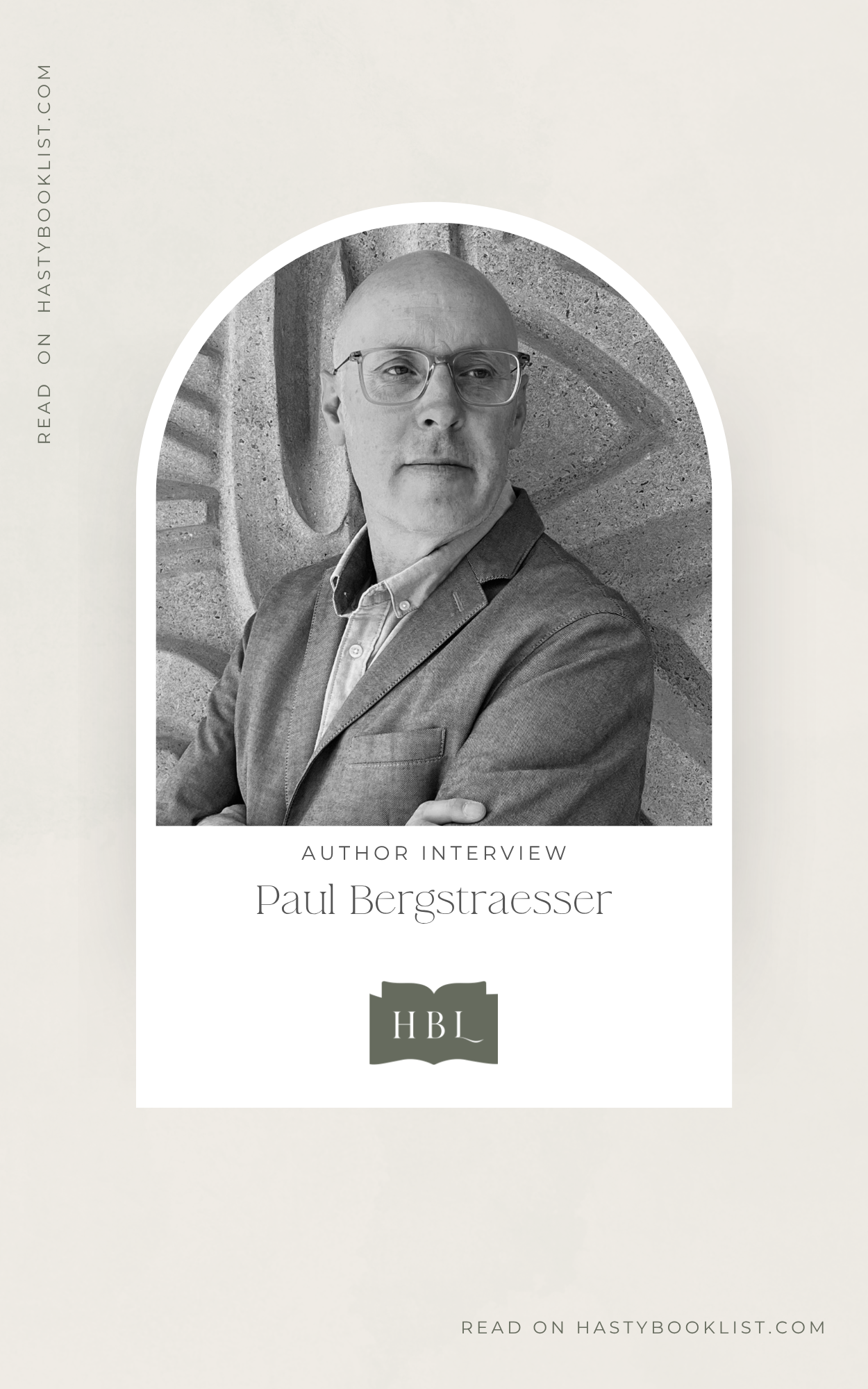
Paul Bergstraesser
Author Interview - Paul Bergstraesser
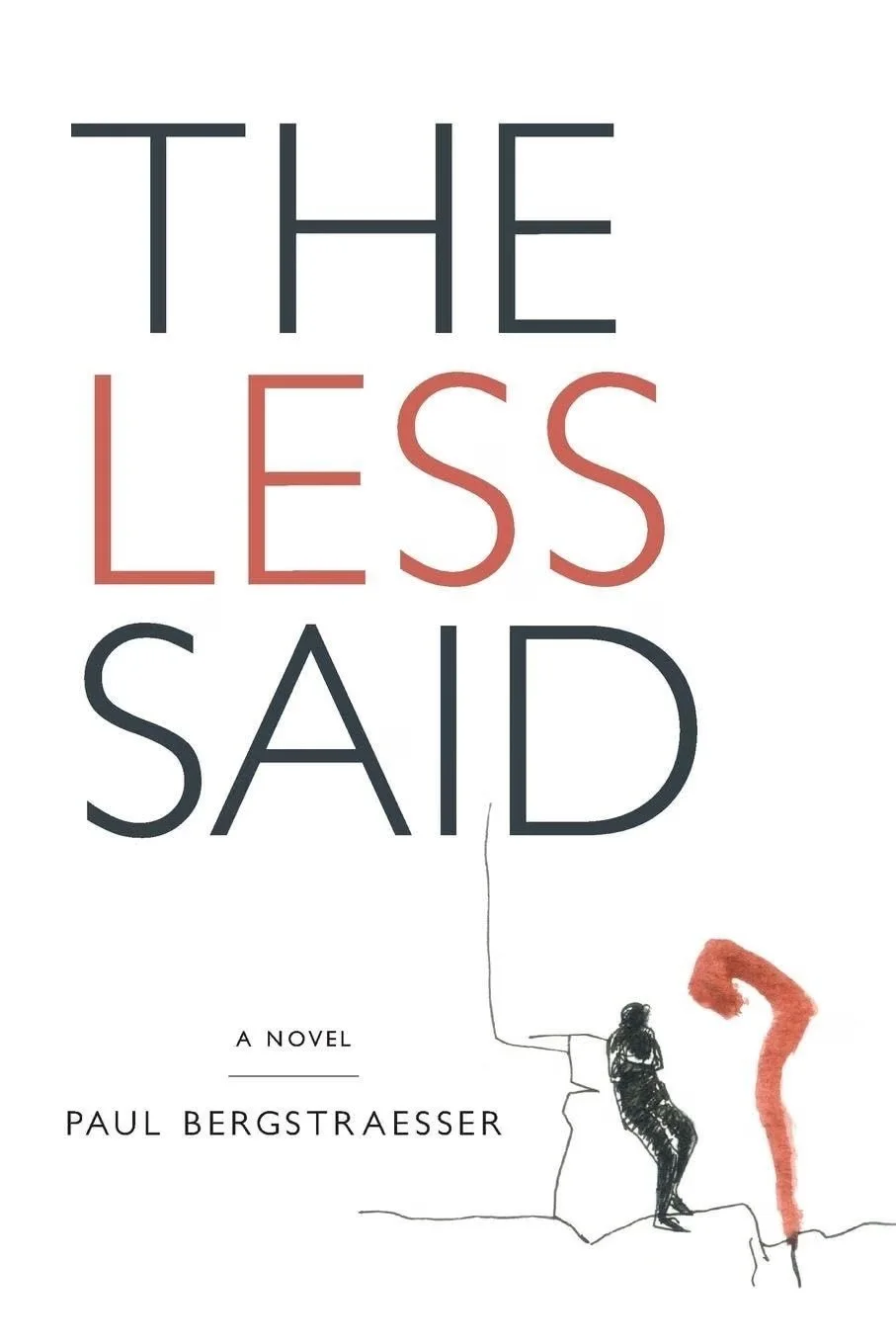
Author of The Less Said
In The Less Said, readers dive into the obsessive, pessimistic, darkly comic mind of the 60ish narrator, P—. He’s been diagnosed with terminal cancer (cansha, he calls it, to blunt its force) and decides, along with his wife and college-age son, that a final celebration of life is in order.
Over a single weekend, friends and family travel to a tropical destination to fete P— one last time. The wrinkle: P—, wanting to avoid the rigamarole of a messy, drawn-out death, has hired a killer to dispatch him over the weekend, the where and when unknown.
Against this backdrop, P— compulsively records random memories from his life into a voice recorder, a request from his son. What emerges is an end-of-life story that deftly balances the play of irony and a heartbreaking humanity.
Author Interview - Paul Bergstraesser
Author I draw inspiration from:
This one's easy: Thomas Bernhard. I can genuinely say that my approach to writing fiction completely shifted when I first started reading Bernhard's work in 2021. I've had a lifetime of these literary ruptures (The Beats and Henry Miller in my 20s, for instance) that have shaped my own work and outlook on the world. But right now, Bernhard's my muse. I'm struck by his deep irony, pessimism, and the subtle humor that pervades his writing--and the fugue-like rhythm to his novels. He's not for everybody--many of his novels are a single, unbroken paragraph. But if you're interested, start with Woodcutters.
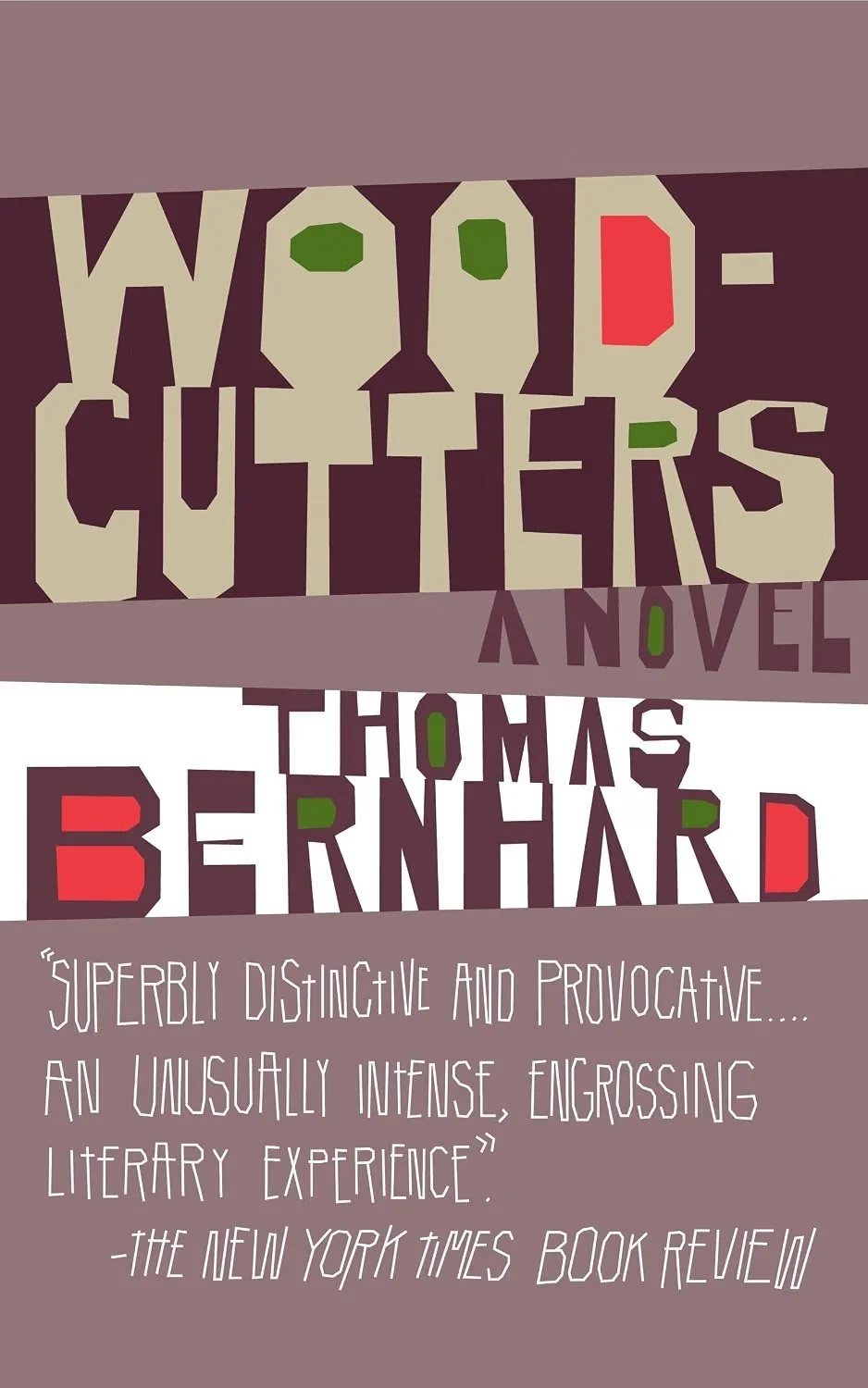
Author Interview - Paul Bergstraesser | Author I Draw Inspiration From
Favorite place to read a book:
I'd like to say outside somewhere, but I get too easily distracted by the world and its world things. So: let's say the living room couch. A retro green velvet Ashley Furniture special. It's long enough to fit my tall body and the buttons in the fabric keep me mildly uncomfortable in the best of ways.
Book character I’d like to be stuck in an elevator with:
The father character in Cormac McCarthy's The Road. He's spare with his words, so we wouldn't have to strain after small talk. And he's one of the most efficient and resourceful characters in fiction. In the book, he artfully leads his son through an post-apocalyptic landscape. (The scene in the novel where they find the bunker is a gem to read.) So, in our elevator situation, I can imagine the father easily leading us out of the elevator to safety.

Author Interview - Paul Bergstraesser | Book Character I’d Like to be Stuck in an Elevator With
The moment I knew I wanted to become an author:
I've always mediated my world by asking "what if" in pretty much any situation--and creating new scenarios/narratives to change the situation to my liking. (And it's usually a comic shift, too.) I didn't focus on turning these narratives into fiction (and screenplays, and poetry) until after college. I missed the bookish college environment and began to read heavily. The writing followed.
Hardback, paperback, ebook or audiobook:
Whenever I find a new author/book to read, I'll take whatever the university library (I'm faculty) has to offer in terms of format. But in the end, I'd say I read 60% paperback and 40% ebook. Sometimes you just want the visceral of a book in hand, the weight and smell of it. But I'm also enamored of the soft glow of a Kindle lighting up my face deep in a sleepless night.
The last book I read:
E. M. Cioran, The Trouble with Being Born. There's clearly a pessimistic streak in my reading and writing habits, and I just discovered Cioran's pessimistic aphorisms about a month ago. I dig the structure and tone--quick shots of cynical philosophy. The contrariness makes me happy.
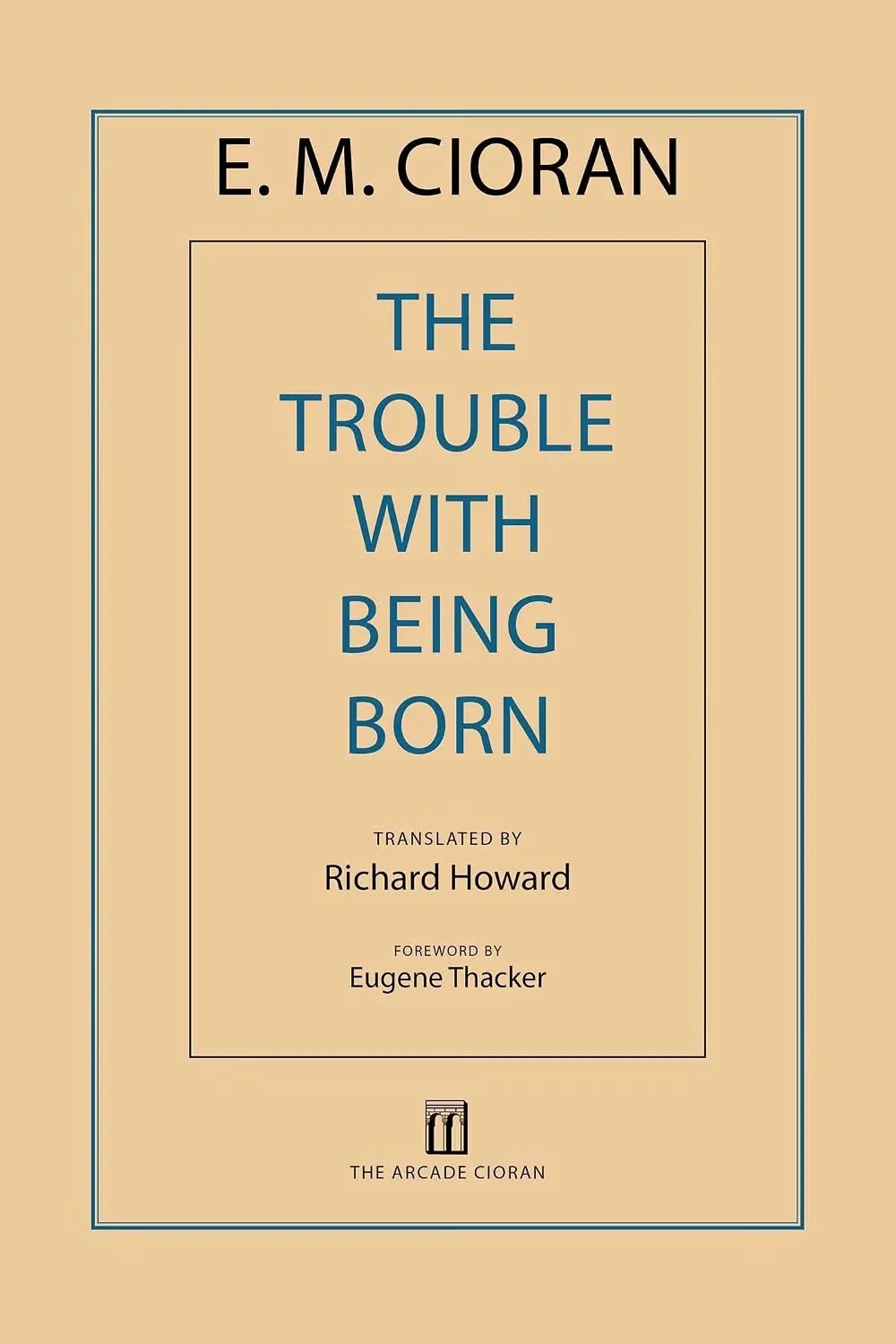
Author Interview - Paul Bergstraesser | The Last Book I Read
Pen & paper or computer:
My daily writing is all done on laptop. Font, Baskerville. I feel like there's a certain formality to this font that makes my writing seem real from the start. And I've gone through fonts over the years--Georgia reminds me of my early writing years. But I always keep a Moleskine notebook at hand, 2x3 size. I can fit it right into a pocket, make it messy with notes, record words/phrases that have been flirting with me.
And, in general, I'm a seasonal writer. When a project strikes, the Moleskine and laptop take on greater duties. But when the writing season dries up, I'm not shy about putting them to the side. The brain keeps writing no matter what. Is always writing.
Book character I think I’d be best friends with:
In Merrill Gilfillan's short story collection Talk Across Water, there's a story called "Uncle and Shrike," narrated by a boy about a summer in the 1960s when he and his uncle camped at various spots across the Great Plains. The back of their trunk was filled with books the uncle wanted to get through by the end of summer. The uncle is striking character, somebody I'm drawn to. Smart yet mellow, letting his nephew explore on his own, making his own forays into nature to capture the small items that no one notices and bring them back to camp. I'd spend a summer with this guy--we all should.
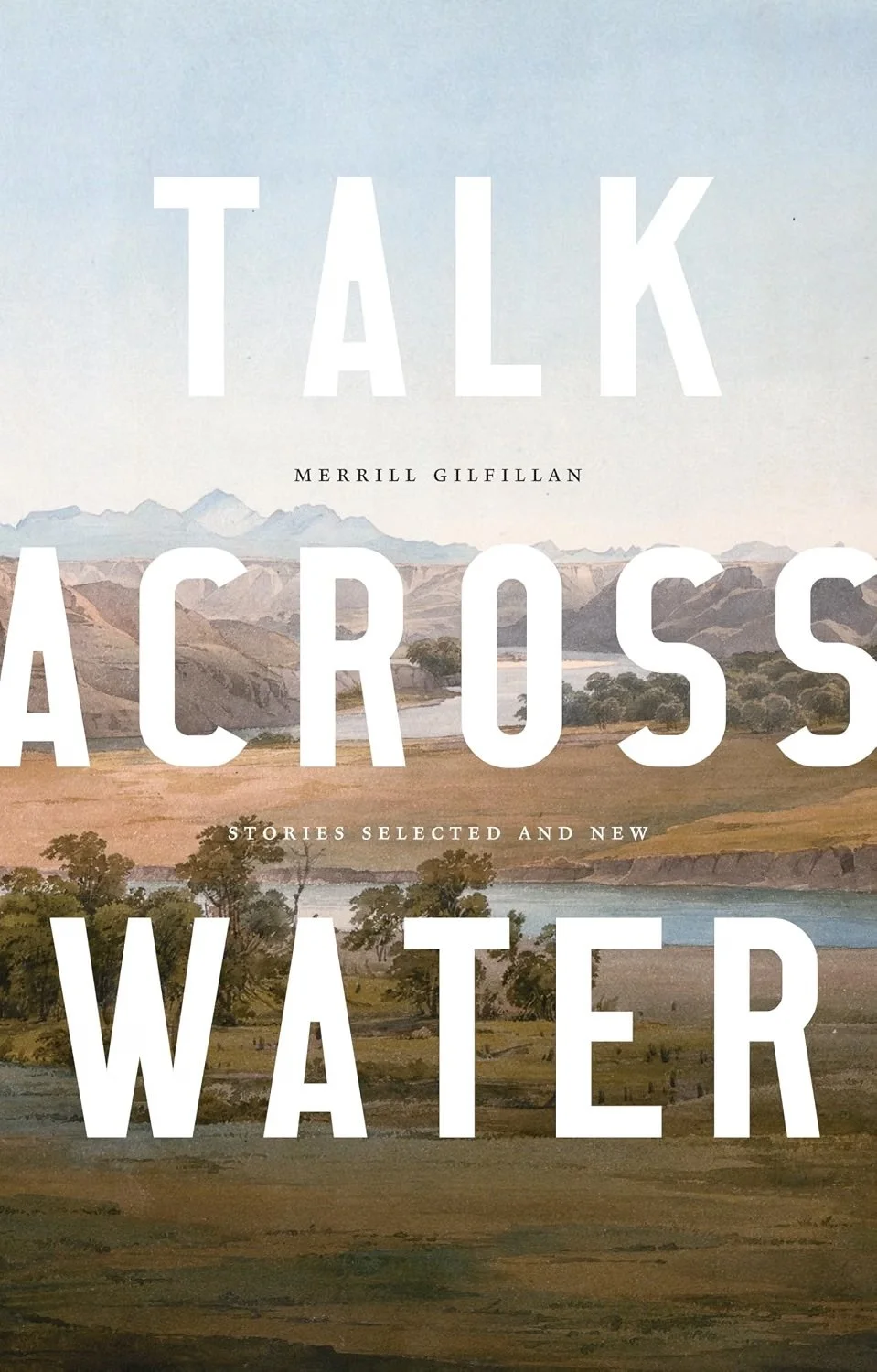
Author Interview - Paul Bergstraesser | Book Character I’d be Best Friends With
If I weren’t an author, I’d be a:
I still balance a checkbook--so, being an accountant would be a satisfying alternative career, I think. Maybe for a rich couple who don't know any better? If not an accountant, a logistics coordinator for a shipping company. I can imagine living in one of the great western shipping ports in the U.S., Seattle or Los Angeles, managing the ingress and egress of the freighters, the distribution of the containers, etc.
Favorite decade in fashion history:
90s grunge--it reminds me of my move to Portland, Oregon, in 1992, the ripped, stringy jeans I wore, the closetful of flannels. It was a baggy time in the fashion world, and pretty comfy, too.
Place I’d most like to travel:
I've never been to Asia, and I feel drawn to China. Whenever I do travel, I'm basically a "literary tourist"--I try to explore the literary history of a place, its authors, their origins. I read a book recently entitled "Road to Heaven: Encounters with Chinese Hermits," by Bill Porter. In it, he travels to the remote mountains of the Shaanxi Province in China and talks with the contemporary (!) hermits who still lead simple lives there. They seem open and receptive to his presence, which is intriguing. The methods of a hermetic life are appealing to me.
My signature drink:
I've been NA lately--keeps the sentences flowing correctly. So, La Croix Pure with a twist, or a Sam Adams Just the Haze.
Favorite artist:
Even though I'm a writer, whenever I hear "artist," I immediately think of fine arts. And my favorite time period is Modernism--that split from Romantic/Victorian sensibility to the fresh exploration of the contradictions of the human mind. I especially like Marcel Duchamp's desire to upend the accepted norms of art at the time--and his painting "Nude Descending Staircase" does just that. Rather than just a single figure walking downstairs, he portrays all the movements at once. Maybe our lives aren't as linear as we think?
Number one on my bucket list:
I'll keep this one simple: there's a hike in the mountains (Medicine Bow) near our house, about forty-five miles away. I've only done the hike once, but it's been gnawing at me since last summer. It feels like some kind of Elysian place--mountain streams, billion-year-old rocks, discarded rams' horns. I need to return soon.
Anything else you'd like to add:
Thanks for these questions--I didn't expect my answers to go where they did!
Find more from the author:
About Paul Bergstraesser:
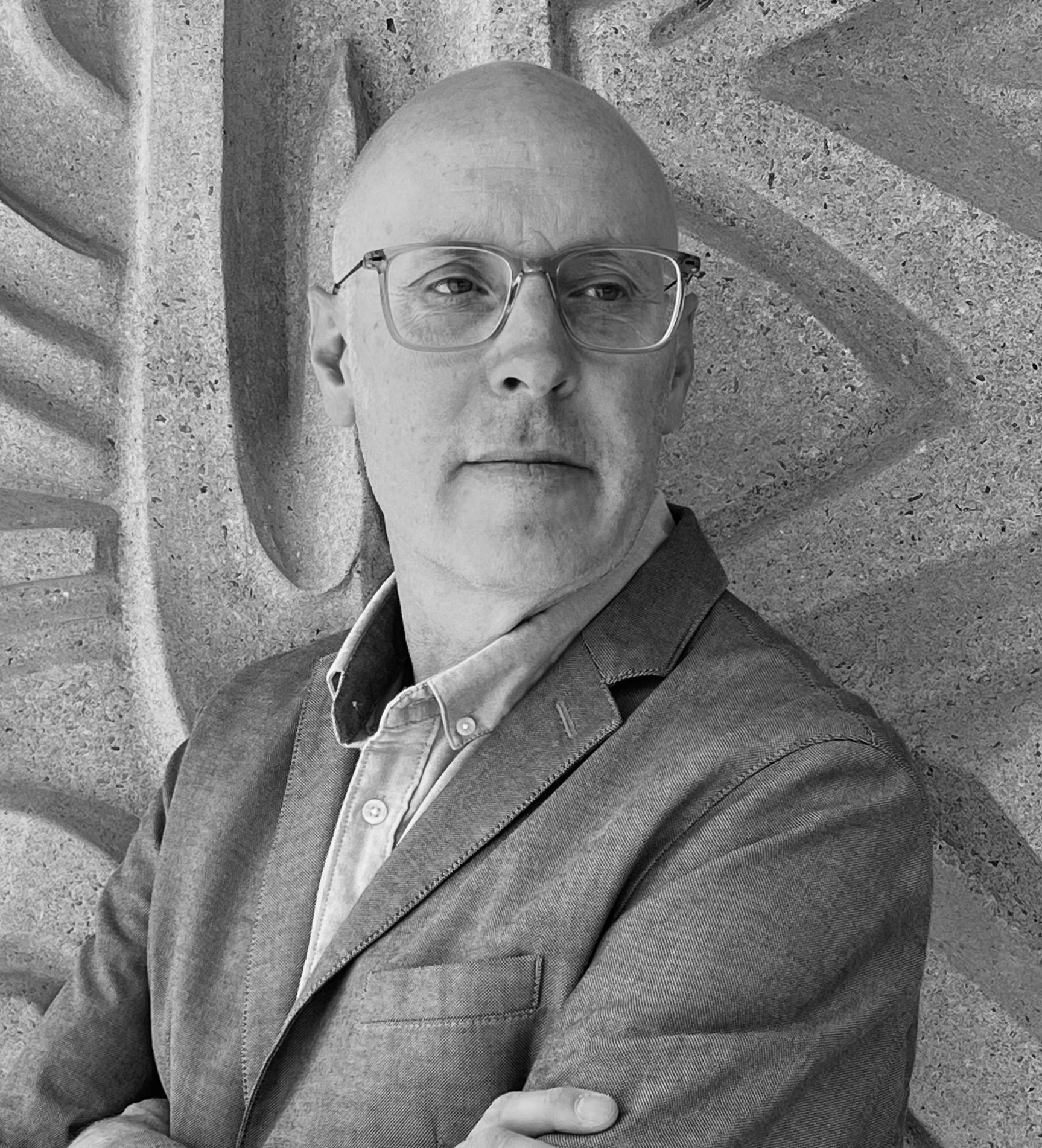
Paul Bergstraesser
Paul Bergstraesser's prose and poetry have appeared in such magazines as The Barcelona Review, The Portland Review, Another Chicago Magazine, and The American Journal of Poetry. He was awarded a National Endowment for the Arts prose fellowship and has been a finalist for the Autumn House Press fiction prize numerous times. He teaches creative writing and literature at the University of Wyoming and lives in Laramie with his wife and son.