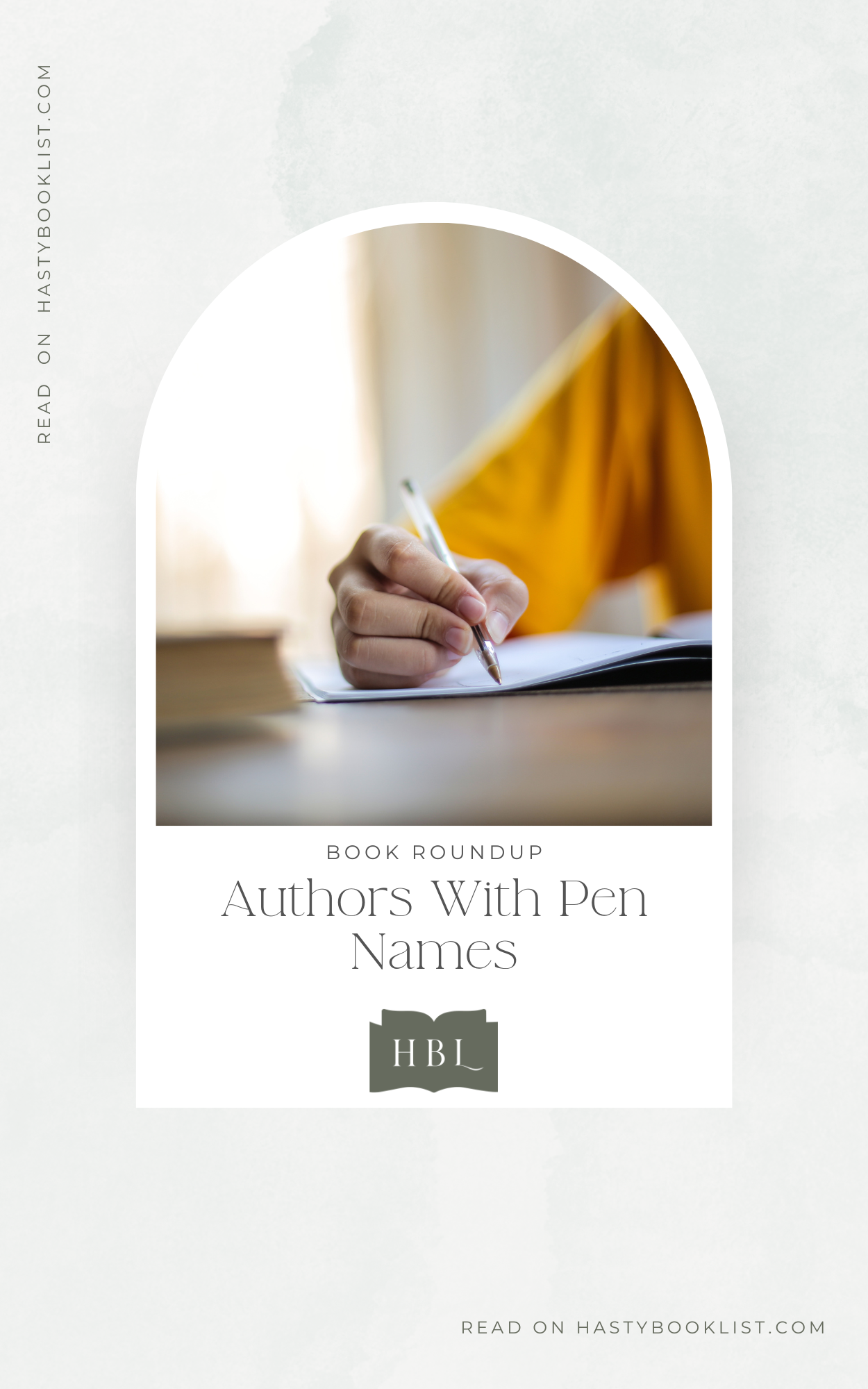
15 Authors With Pen Names
Famous authors often feel larger than life. Their books sit on our shelves, their stories shape how we see the world, and their names become synonymous with entire genres. Yet many of the writers we think we “know” are actually known best by names they chose rather than the ones they were born with.
Pen names—also called a nom de plume—have long given writers freedom. Freedom to explore new genres, freedom to avoid public scrutiny, and freedom to let the work speak louder than the person behind it. For some, it’s about privacy. For others, it’s about marketing, gender bias, or starting over in a new phase of a writing career.
In today’s post, I’m sharing a roundup of famous authors and their pen names—writers whose alternate identities helped shape literary history. From classic novels to modern bestsellers, these authors show how powerful a name can be.
15 Authors With Pen Names
In this post, you’ll find an informative and reader-friendly guide to how and why some of the most famous writers adopted pen names. We’ll cover what a pen name is, why authors use them, and then dive into 15 famous authors who use pen names, including what they wrote under those names and how those choices influenced their careers. Whether you’re a reader curious about literary history or a writer thinking strategically about your own branding, this list offers insight into the creative and practical sides of authorship.
What Is A Pen Name
A pen name—also known as a nom de plume—is a fictitious name an author uses instead of their legal name when publishing work. Pen names can be completely invented, slightly altered versions of a real name, or even shared identities used by multiple writers.
Historically, pen names were especially common when authors wanted to separate their personal lives from their professional ones, or when social norms made publishing under a real name difficult. Today, pen names are still widely used for everything from novels and nonfiction to essays and short stories, often as part of a broader publishing or branding strategy.
Why Do Authors Use Pen Names
Privacy and Personal Boundaries
For many writers, a pen name creates distance between their public writing career and their private life. This separation allows authors to maintain anonymity, protect family members, and avoid unwanted attention—especially when a book becomes wildly popular.
Gender Bias in Publishing
Historically, women often adopted male or gender-neutral pen names to be taken seriously by originally publishers. Even today, some authors choose ambiguous names to avoid preconceived notions about who writes certain kinds of books.
Genre Separation
Authors who write across multiple genres may use different pen names to manage reader expectations. A romance author branching into thrillers, for example, might not want to confuse an established audience.
Reinvention or Fresh Starts
Sometimes a pen name offers a clean slate. If earlier books didn’t perform well, a new name can help an author relaunch without the baggage of past sales or reviews.
Creative Freedom
A pen name can feel liberating. Writing under another identity can encourage experimentation with voice, tone, or subject matter—allowing stories to unfold without self-consciousness.
15 Famous Authors Who Use Pen Names
15 Authors With Pen Names
Elena Ferrante
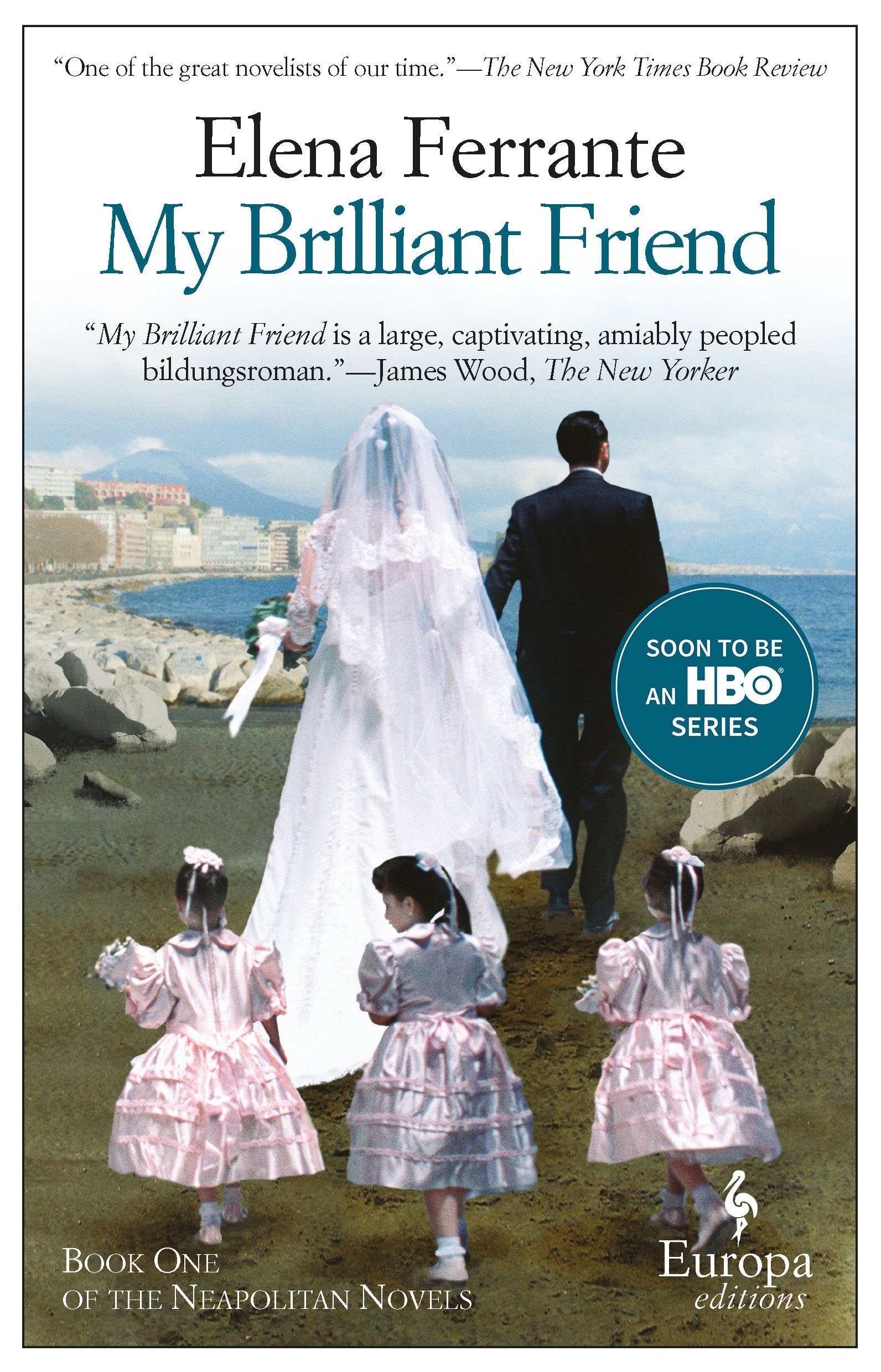
Few modern writers have guarded their privacy as fiercely as Elena Ferrante. Her true identity remains officially unconfirmed, and she has consistently refused public appearances. Known for her Neapolitan Novels, Ferrante has said that anonymity allows her complete freedom to write honestly, without external pressure or celebrity influence. Her pen name has become inseparable from her work, proving that readers don’t need a face to connect deeply with a story.

15 Authors With Pen Names
George Eliot (Mary Ann Evans)
Born Mary Ann Evans, George Eliot adopted a male pen name to ensure her work would be judged seriously. At the time, women writers were often dismissed or confined to “light” subjects. Under the name George Eliot, she published enduring classics that cemented her reputation as one of the great novelists of the 19th century.
15 Authors With Pen Names
Charlotte Brontë (Currer Bell)
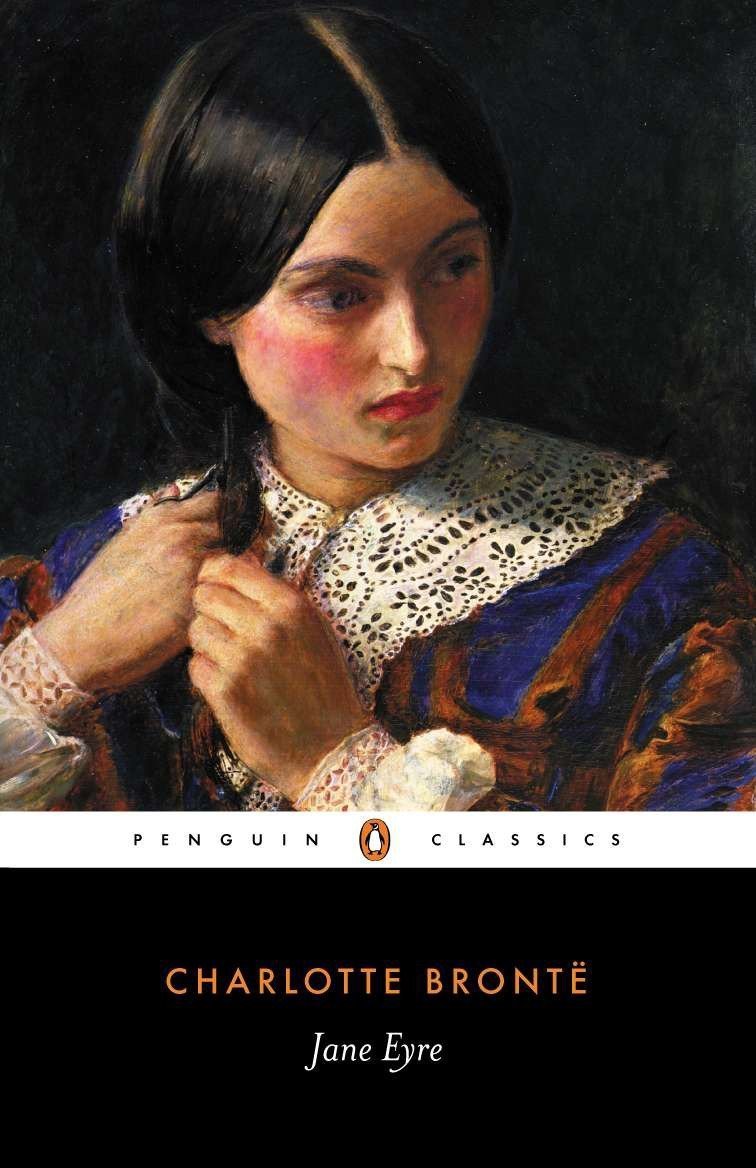
Charlotte Brontë first published under the name Currer Bell, one of the three Bell siblings’ pseudonyms. Along with her sisters, she chose a masculine name to avoid gender prejudice. Under this pen name, she published Jane Eyre, a novel that remains a cornerstone of English literature.
15 Authors With Pen Names
Emily Brontë & Anne Brontë (Ellis and Acton Bell)
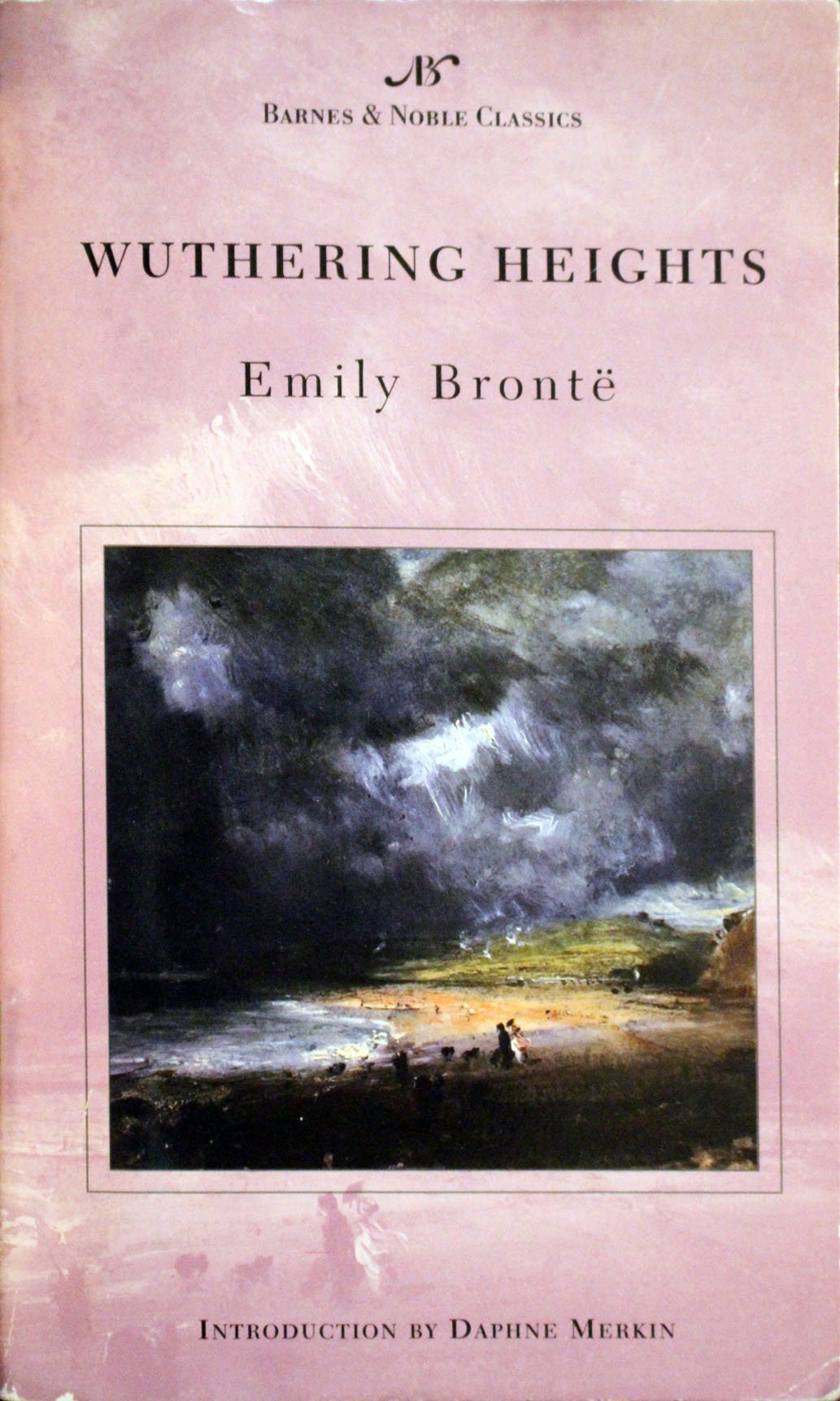
Emily and Anne Brontë published as Ellis and Acton Bell, completing the trio known collectively as Currer Ellis and Acton Bell. Their shared decision allowed them to publish poetry and novels without prejudice, helping their work reach audiences who might otherwise have overlooked women authors.

15 Authors With Pen Names
J.K. Rowling
Often stylized as JK Rowling, she was encouraged by publishers to use initials rather than her full first name to appeal to young male readers. She is, of course, the author of the globally beloved Harry Potter series, which transformed children’s publishing and popular culture.
15 Authors With Pen Names
Robert Galbraith (J.K. Rowling)
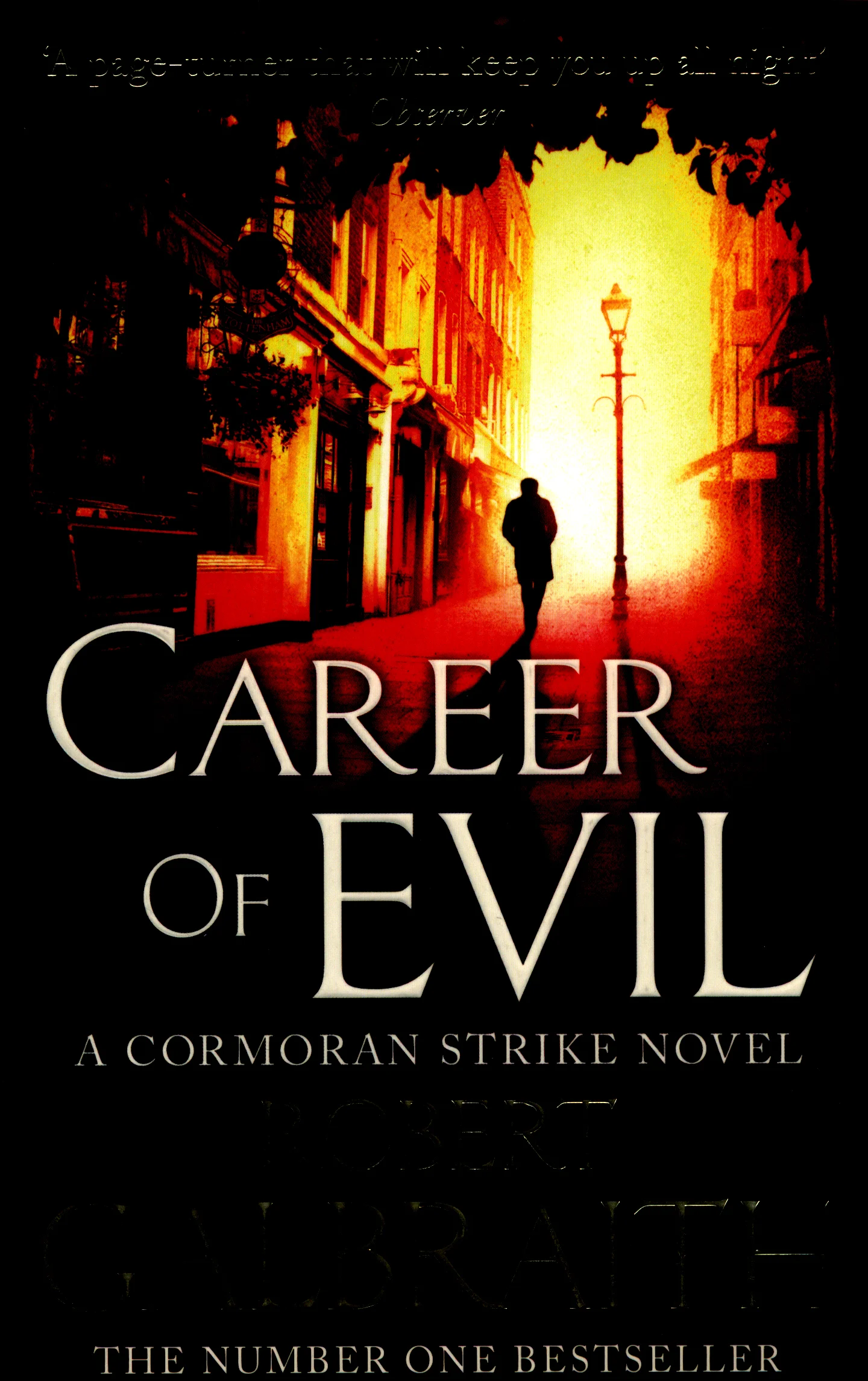
Rowling later adopted the pen name Robert Galbraith to publish crime novels. She has said the pseudonym allowed her to receive unbiased feedback and experience publishing without massive expectations—an example of using a pen name to reset a writing career.

15 Authors With Pen Names
Agatha Christie (Mary Westmacott)
While famous for her detective novels, Agatha Christie also wrote romance novels under the name Mary Westmacott. The pen name allowed her to explore emotional themes without confusing readers who expected mysteries and puzzles.
15 Authors With Pen Names
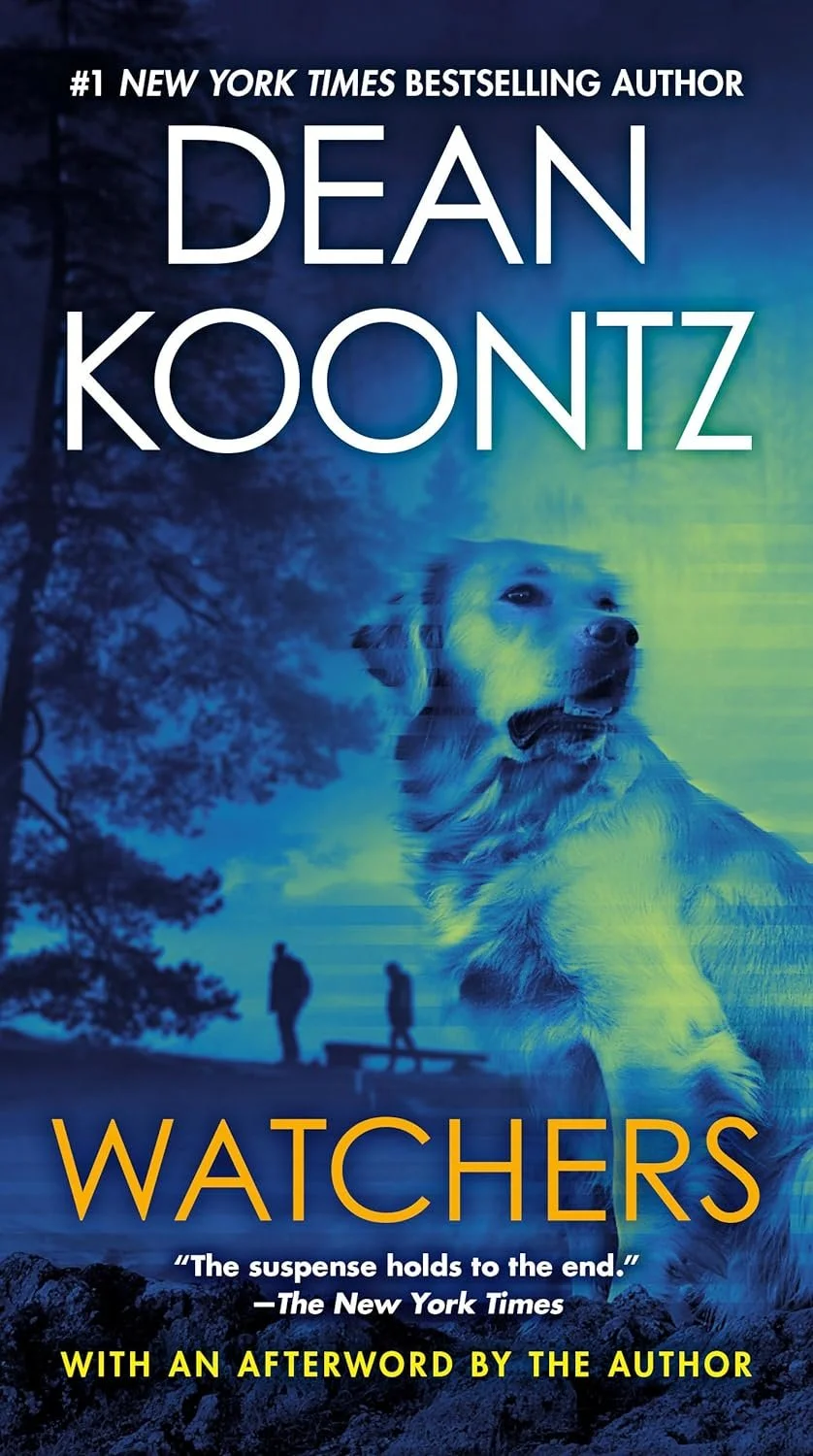
Dean Koontz
Before becoming a household name, Dean Koontz published under several pen names. Early in his career, this strategy helped him publish more frequently and explore different genres, including suspense and science fiction, without oversaturating the market under one name.
15 Authors With Pen Names
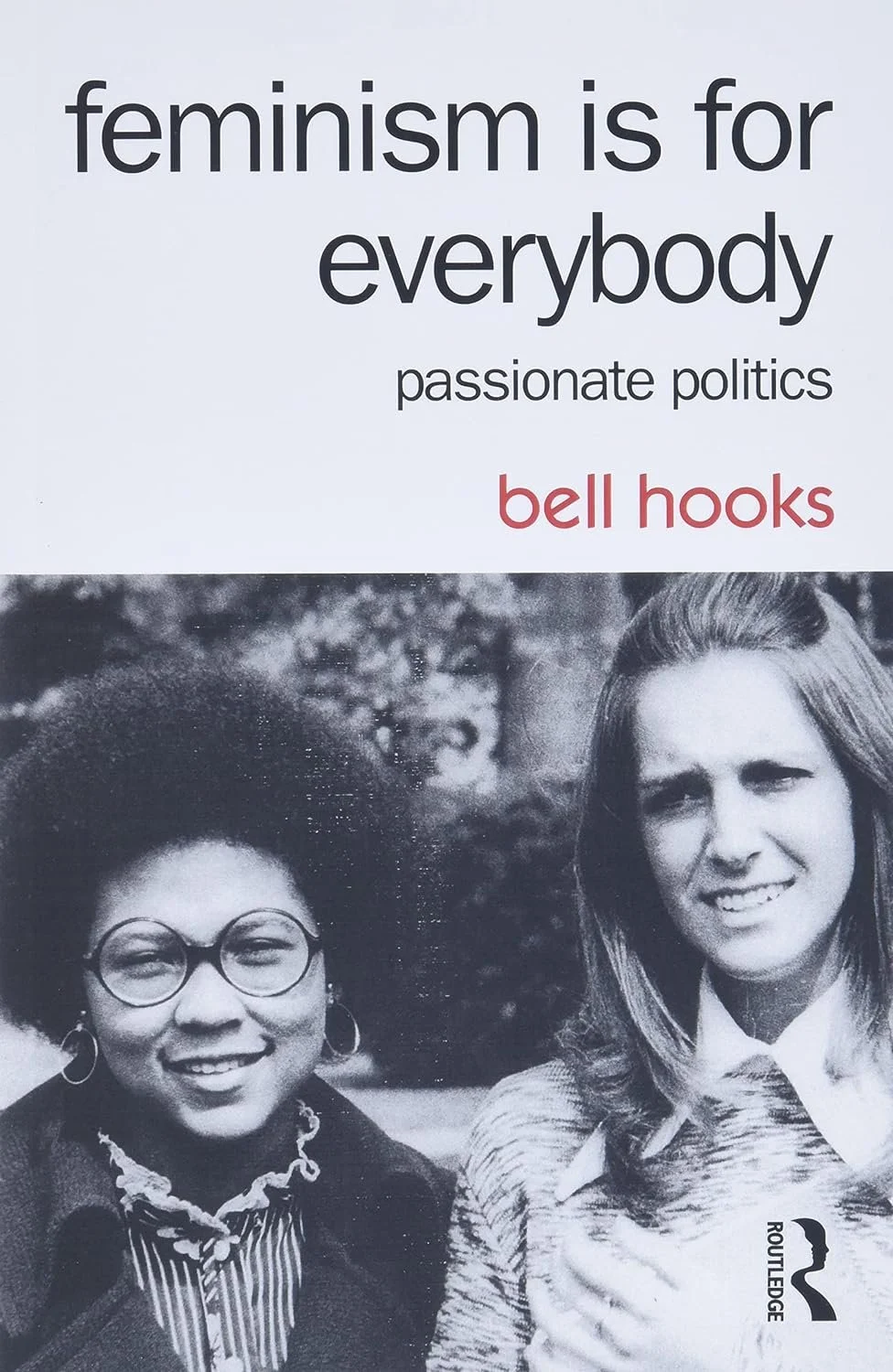
bell hooks (Gloria Jean Watkins)
Born Gloria Jean Watkins, bell hooks chose her pen name in honor of her great grandmother. By using lowercase letters, she intentionally shifted focus away from herself and toward her ideas. Her work—spanning essays, cultural criticism, and theory—has profoundly shaped feminist and social discourse.

15 Authors With Pen Names
Samuel Clemens (Mark Twain)
Samuel Clemens adopted the name Mark Twain, a river term meaning “two fathoms deep.” The pen name became one of the most recognizable literary identities in American history and perfectly matched the wit and voice of his writing.
15 Authors With Pen Names
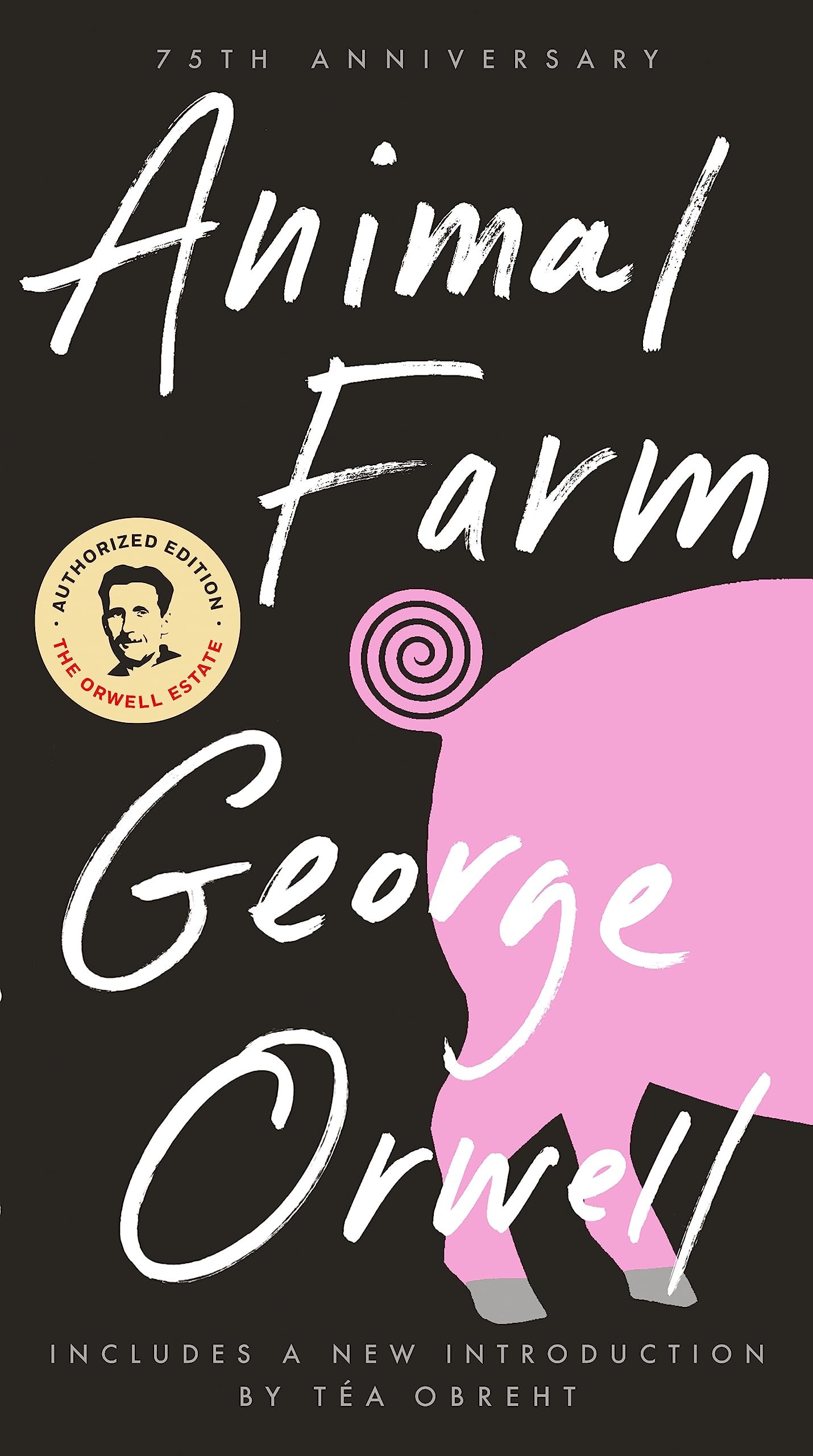
Eric Blair (George Orwell)
Eric Blair chose the pen name George Orwell to separate his personal life from his political writing. The name became synonymous with sharp social commentary and dystopian literature.
15 Authors With Pen Names
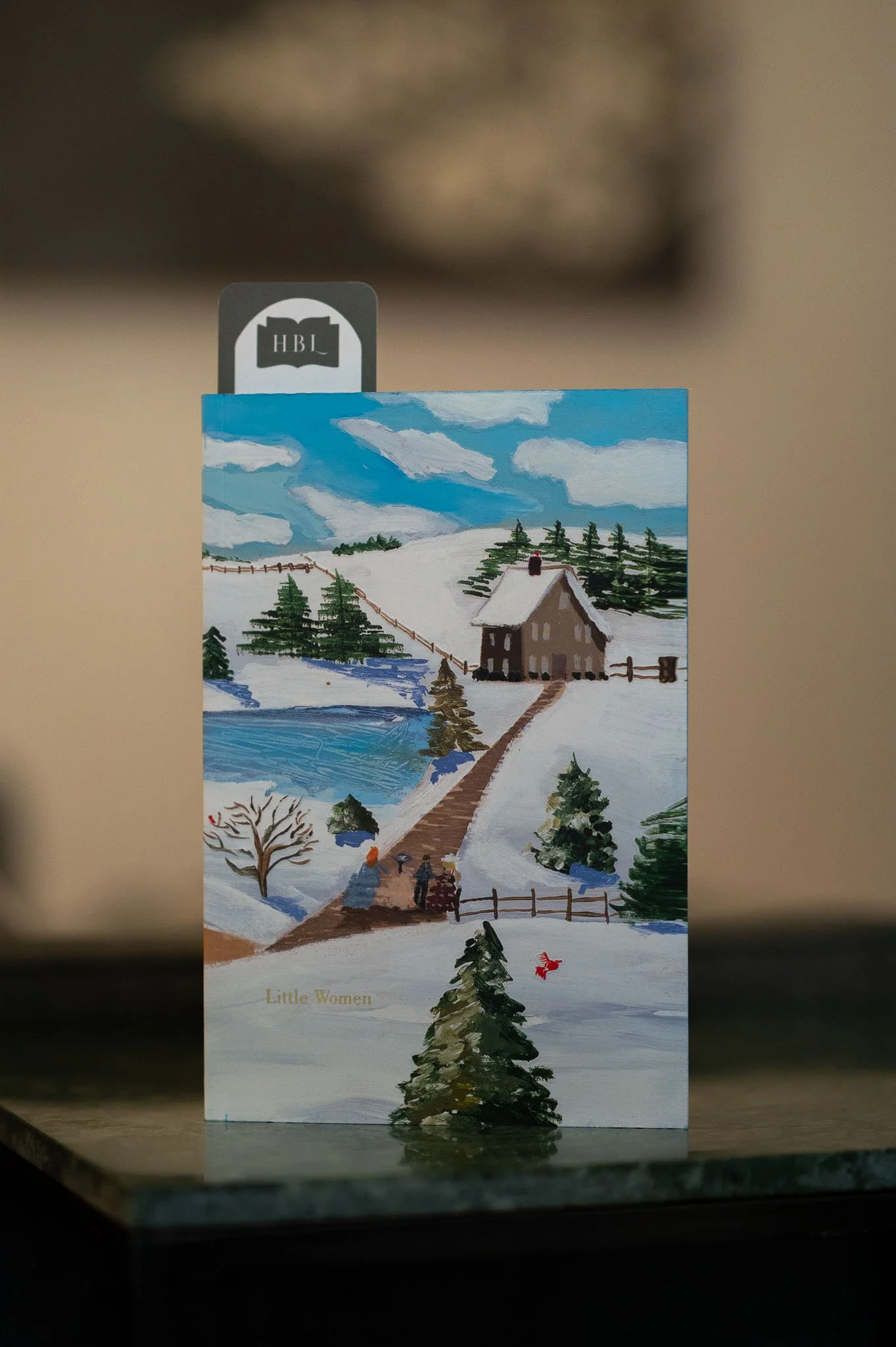
Louisa May Alcott (A.M. Barnard)
Before Little Women, Alcott published sensational fiction and short stories under A.M. Barnard. The pen name allowed her to experiment with darker themes without risking her reputation.
15 Authors With Pen Names
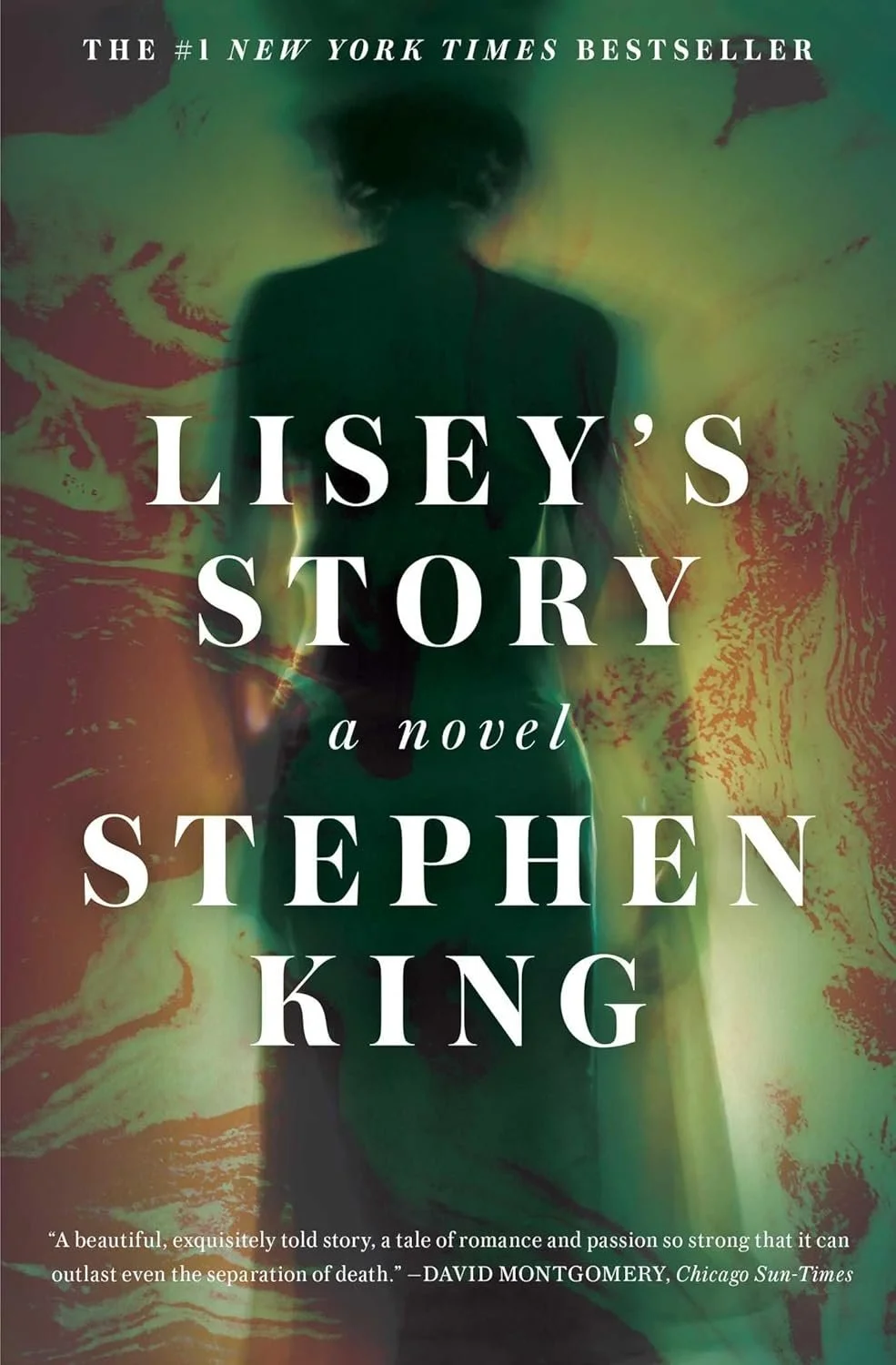
Stephen King (Richard Bachman)
Stephen King famously used the pen name Richard Bachman to test whether his success was due to talent or name recognition. The experiment proved that his storytelling voice resonated regardless of the byline.
15 Authors With Pen Names
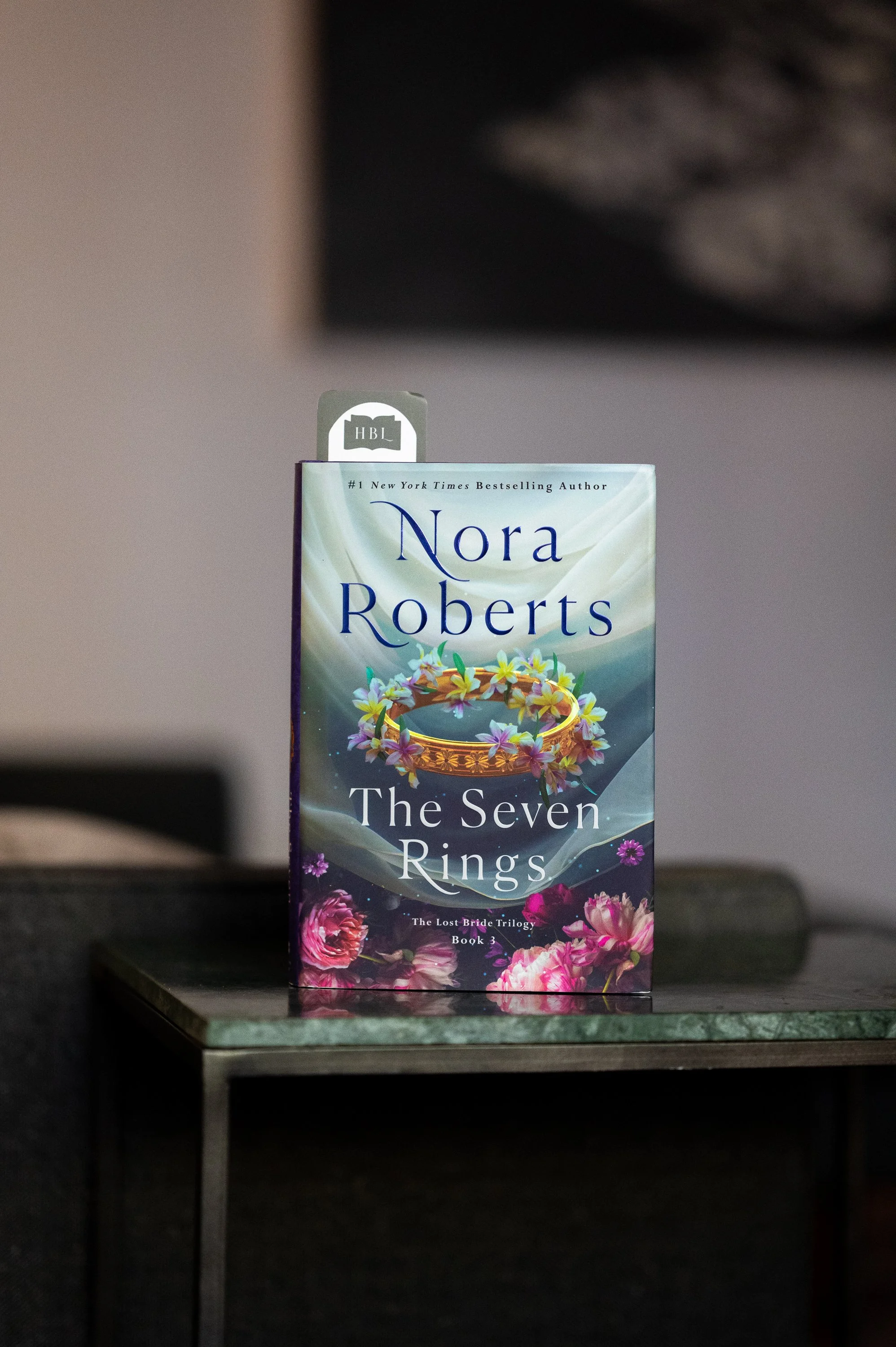
Nora Roberts (J.D. Robb)
Roberts adopted the pen name J.D. Robb for her futuristic crime novels. This clear genre separation helped readers know exactly what to expect from each body of work.

15 Authors With Pen Names
Lewis Carroll (Charles Lutwidge Dodgson)
Dodgson chose the whimsical name Lewis Carroll to distinguish his academic career from his imaginative fiction, including Alice’s Adventures in Wonderland.
Pen Names, Publishing, and Branding
Looking across these examples, it’s clear that pen names are not just about secrecy—they’re also about strategy. Names shape how books are marketed, who picks them up, and how readers categorize them. For authors thinking long-term about audience and identity, pen names can be an essential part of branding basics. If you’re curious about how writers think intentionally about names, platforms, and visibility, this deep dive into branding basics offers helpful context.
Final Thoughts
From Elena Ferrante to bell hooks, from Mary Ann Evans to JK Rowling, these stories show that a pen name can be a shield, a key, or a creative invitation. Whether chosen to avoid bias, protect privacy, or explore new ideas, pen names have shaped some of the most important books ever written.
Famous authors and their pen names remind us that storytelling is ultimately about connection. The name on the cover may be invented, but the emotions, ideas, and worlds inside the pages are real—and that’s what keeps readers turning the page.