12 Books Like 1984
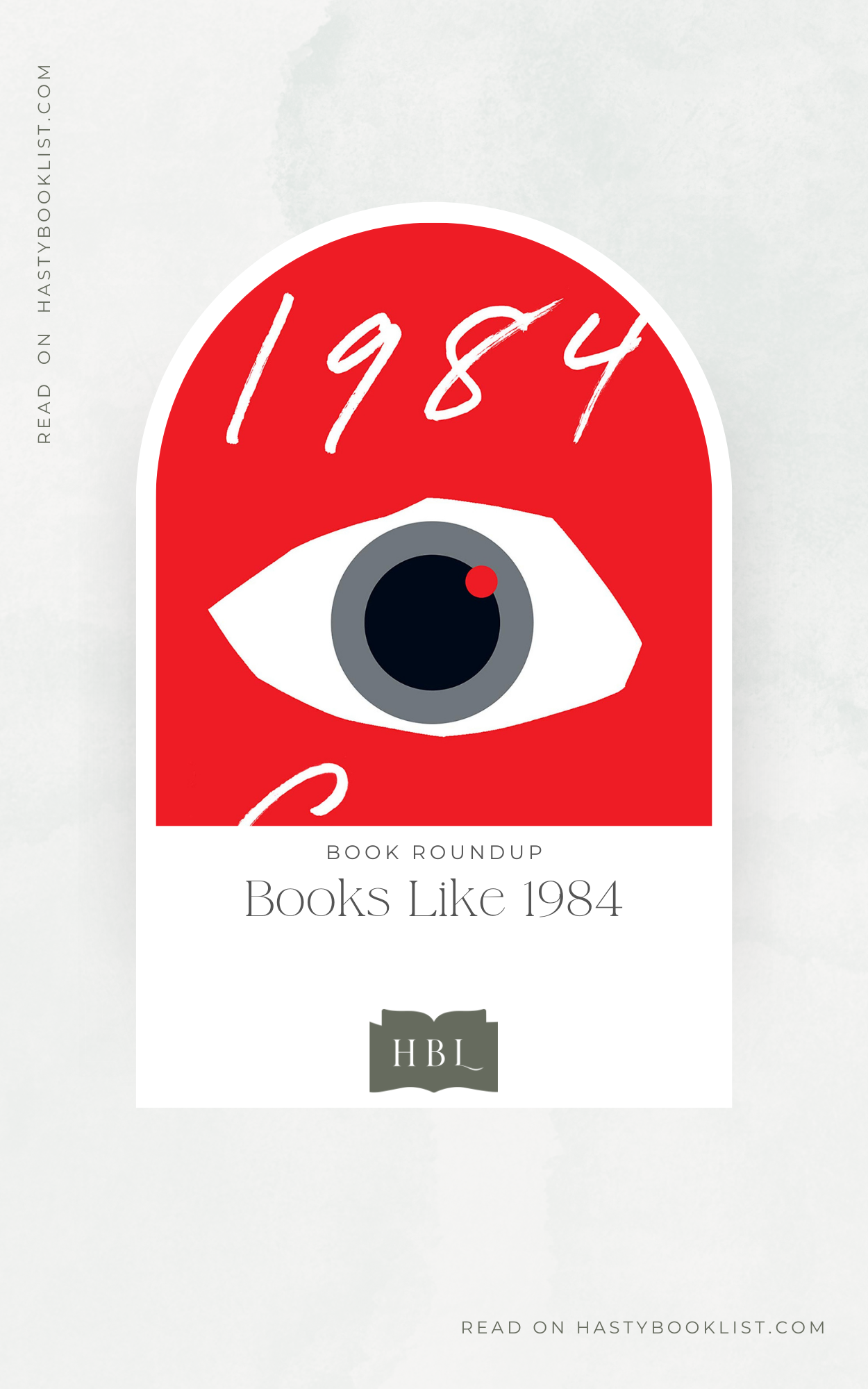
Dystopian novels have a way of unsettling us long after we close the final page. They hold up a distorted mirror to society and quietly ask: What if this future isn’t fiction? Few books have done this as powerfully—or as controversially—as 1984 by George Orwell.
For decades, 1984 has remained one of the most discussed and debated works of dystopian fiction. Its chilling social commentary, warnings about totalitarianism, exploration of surveillance, and psychological depth have made it required reading in classrooms and a constant bestseller in bookstores. Readers return to it again and again because its themes feel startlingly relevant.
If you were captivated (or disturbed) by its bleak vision, you may be searching for similar stories that explore authoritarian control, propaganda, rebellion, and the fragility of human freedom. Today, I’m sharing a curated roundup of books like 1984 that deserve a place on your reading list.
12 Books Like 1984
Few novels have influenced modern literature as profoundly as 1984. Alongside brave new world, it helped shape the blueprint for dystopian fiction as we know it. Its impact can be seen in everything from political thrillers to young adult blockbusters like hunger games.
Readers continue gravitating toward these stories because they explore questions that never fully go away: What happens when governments gain too much power? How does propaganda manipulate truth? What does resistance look like when hope feels impossible?
Reading books like 1984 helps us better understand how oppressive systems function—how language is weaponized, how fear is manufactured, and how individuality can be systematically erased. At the same time, these novels often offer glimpses of rebellion, courage, and the enduring human desire for freedom.
What Is The Book 1984 About
Published in 1949, 1984 is a dystopian novel set in a totalitarian superstate known as Oceania. The story follows Winston Smith, a low-ranking member of the ruling Party who quietly questions the oppressive regime led by Big Brother.
In this world, citizens are constantly monitored through telescreens. Independent thought is criminalized as “thoughtcrime.” History is rewritten to suit the Party’s narrative. Language itself is manipulated through Newspeak to limit free expression.
What makes 1984 unique is its psychological intensity. Rather than focusing solely on action or rebellion, it immerses readers in Winston’s internal struggle—the quiet desperation of someone who knows the truth but feels powerless to change it. The novel explores themes of surveillance, censorship, truth manipulation, and emotional control in a way that still feels hauntingly relevant today.
It remains one of the most studied and discussed novels in modern literature because its warnings about authoritarianism, propaganda, and mass surveillance continue to resonate across generations.
Who Wrote The Book 1984
1984 was written by George Orwell, the pen name of Eric Arthur Blair. Orwell was an English novelist, essayist, and journalist known for his sharp political insight and moral clarity.
He also wrote animal farm, a satirical allegory about the Russian Revolution that critiques the corruption of revolutionary ideals. Like 1984, animal farm examines power, propaganda, and the ways leaders manipulate language to control populations.
Orwell’s experiences fighting in the Spanish Civil War and witnessing the rise of totalitarian regimes in Europe deeply influenced his work. His writing consistently warns against political extremism, authoritarian rule, and the erosion of truth.
Through 1984, Orwell created not just a novel, but a vocabulary. Terms like “Big Brother,” “doublethink,” and “thoughtcrime” have entered our cultural lexicon—proof of the book’s enduring impact.
Why Was The Book 1984 Banned
Although widely taught and celebrated, 1984 has also faced bans and challenges over the years. Below are some of the primary reasons.
Explicit Political Content
One of the most common reasons 1984 has been challenged is its direct critique of authoritarian governments. The novel portrays a bleak vision of political control, state surveillance, and the manipulation of truth. Some critics argue that its intense political messaging can be controversial or unsettling in educational settings.
Disturbing Themes
The novel includes psychological torture, emotional manipulation, and depictions of oppressive political systems. Its unflinching portrayal of suffering and despair has led some to view it as too dark or disturbing for younger readers.
Language and Sexual Content
While not graphic by modern standards, 1984 does include adult themes and language. Winston’s relationship with Julia includes sexual elements that have prompted occasional objections.
Critique of Power Structures
Interestingly, many challenges arise not from obscenity, but from discomfort with the systems of power the novel critiques. By exposing how governments can manipulate truth and control citizens, the book forces readers to confront uncomfortable realities.
Despite these challenges, 1984 remains a cornerstone of modern literature and continues to be widely read around the world.
Books To Read If You Like 1984
If you’re looking for more novels that explore surveillance, totalitarianism, rebellion, and the fragility of freedom, here are some compelling choices.

Brave New World by Aldous Huxley
Often mentioned alongside 1984, brave new world presents a different kind of dystopia—one built not on fear, but on pleasure and distraction. Written in 1932, Huxley’s novel imagines a society engineered for stability through genetic manipulation, consumerism, and emotional conditioning.
Where Orwell warns about oppression through force, Huxley explores oppression through comfort. The result is equally unsettling.
Fahrenheit 451 by Ray Bradbury
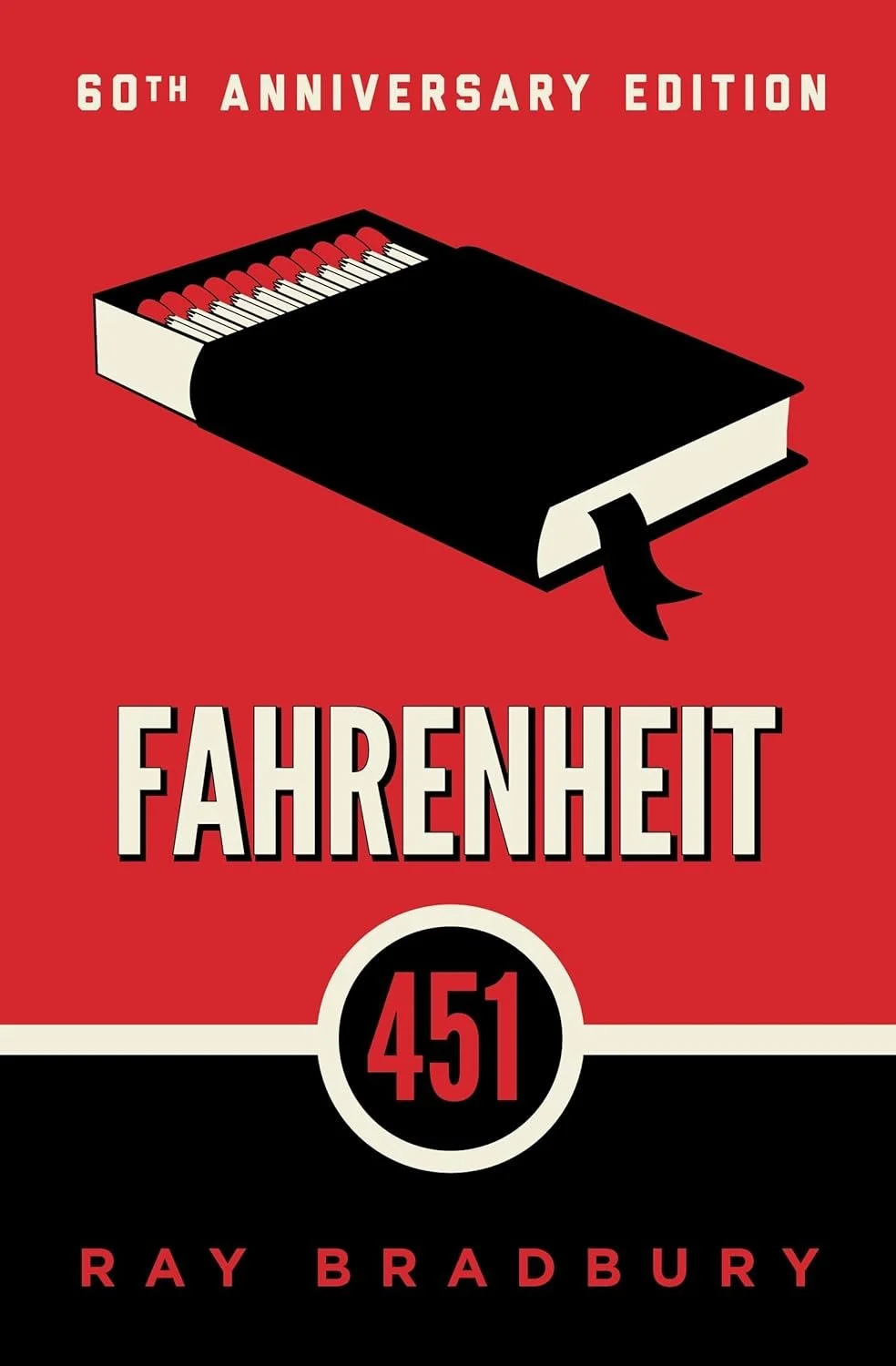
In this classic novel, books are outlawed and “firemen” burn any that are discovered. The story follows Guy Montag, a fireman who begins to question the system he serves.
Like 1984, this novel examines censorship, propaganda, and the suppression of independent thought. It’s a powerful meditation on knowledge, conformity, and resistance.

The Handmaid’s Tale by Margaret Atwood
Margaret Atwood’s dystopian classic imagines a theocratic regime where women are stripped of autonomy and reduced to reproductive roles.
The novel explores authoritarian control, religious extremism, and the erasure of identity—echoing many of the same themes found in 1984. It’s a chilling reminder of how quickly rights can be dismantled.
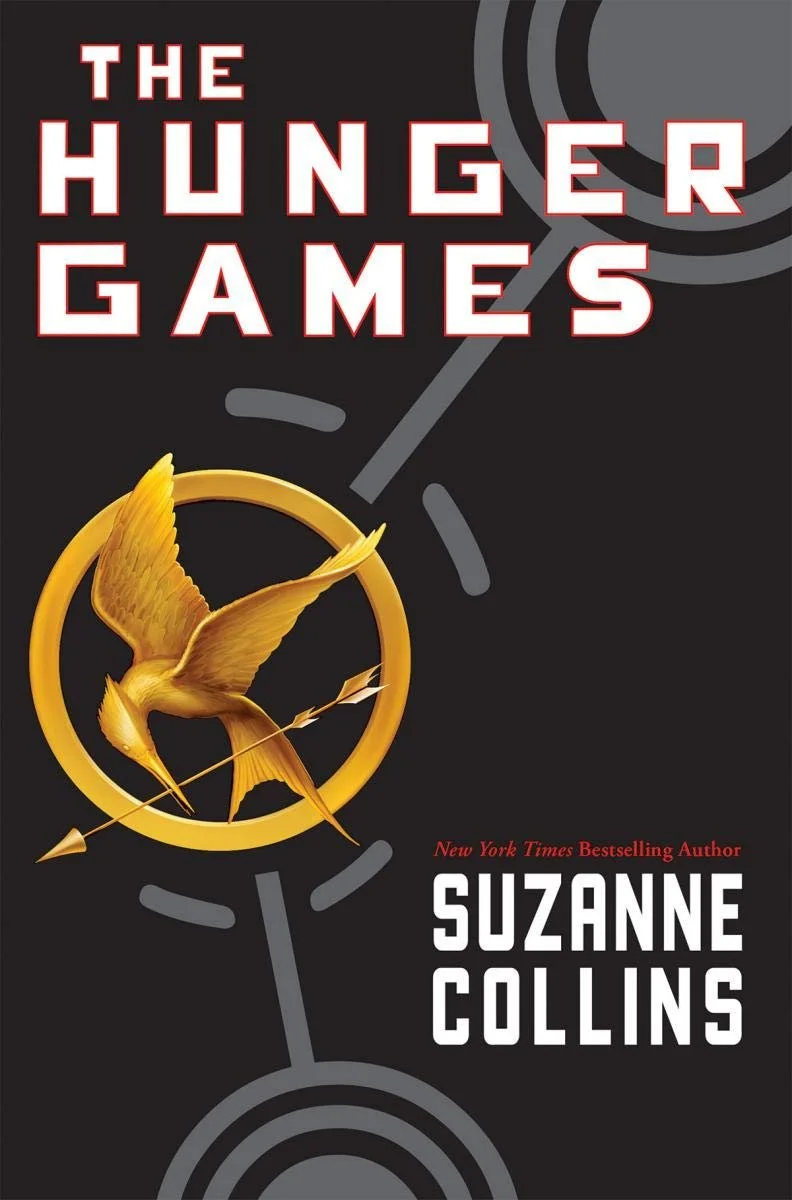
The Hunger Games by Suzanne Collins
Though written for young adults, Hunger Games tackles themes of state control, media manipulation, and rebellion.
Katniss Everdeen’s struggle against the Capitol mirrors Winston’s resistance in a different way—more overt, more action-driven—but equally focused on the cost of defying oppressive power structures.
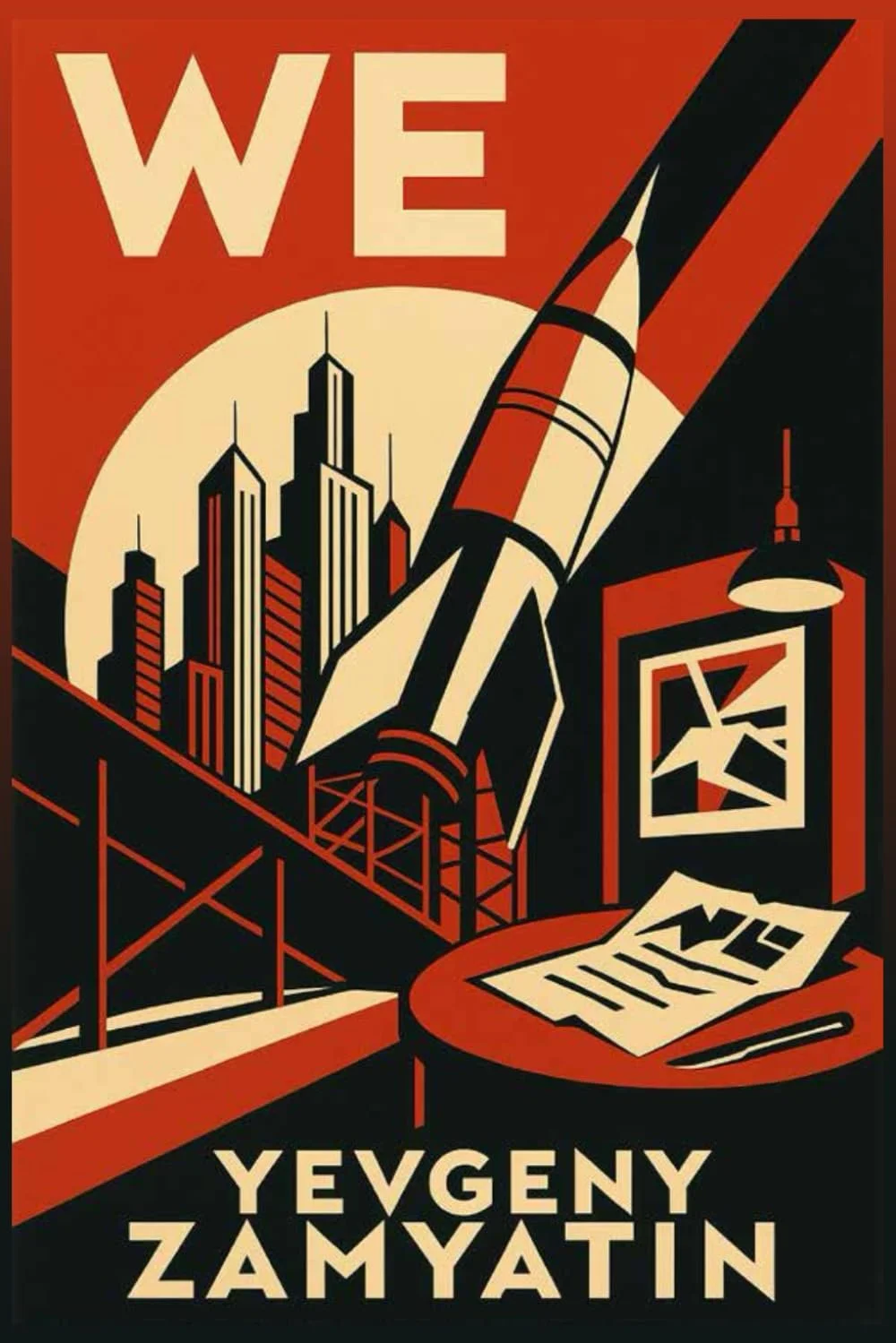
We by Yevgeny Zamyatin
Written in 1921, We predates 1984 and is believed to have influenced Orwell. The novel is set in a mathematically controlled society where individuality is considered dangerous.
Its exploration of surveillance, conformity, and rebellion feels strikingly familiar to readers of 1984.
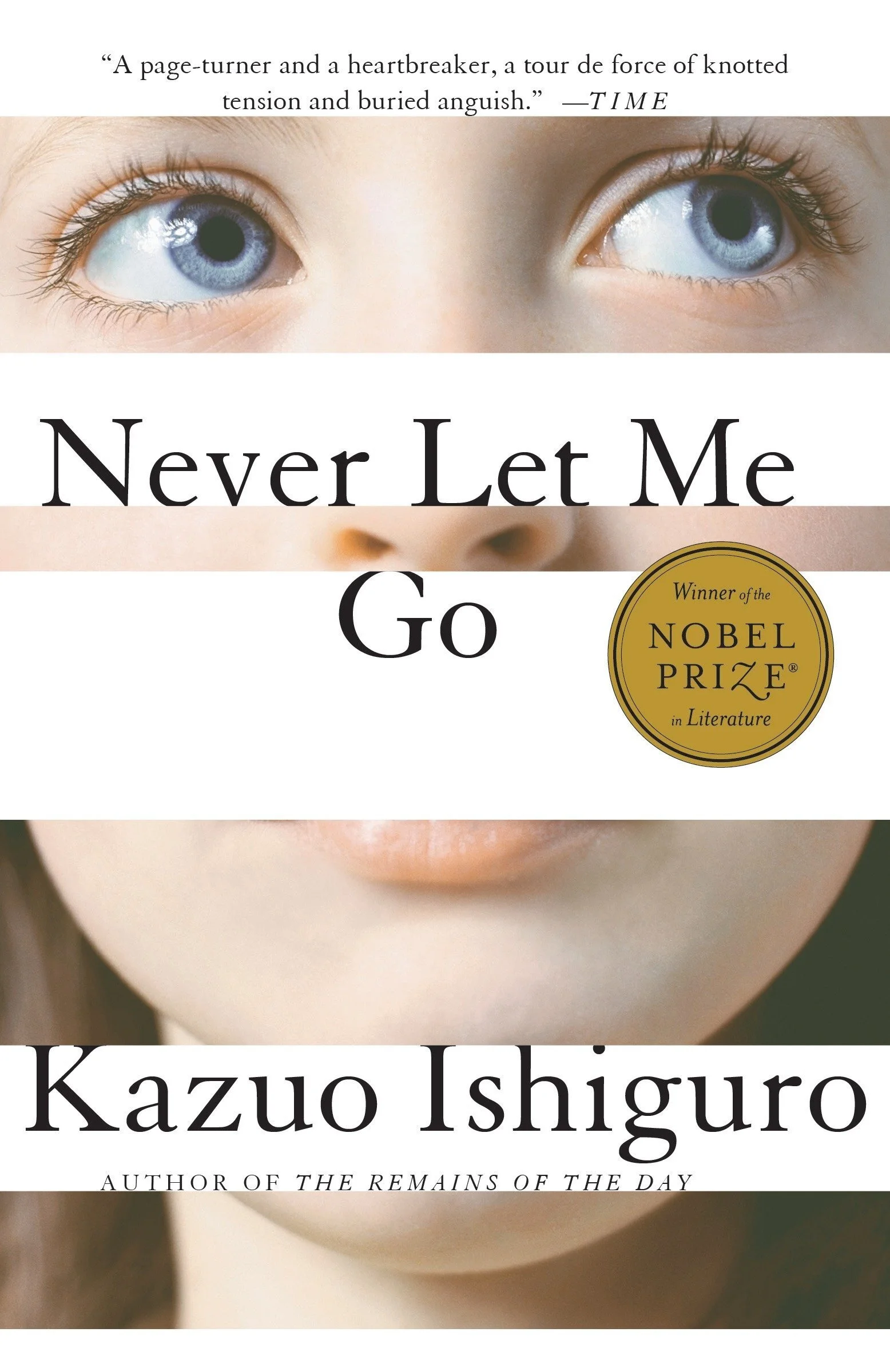
Never Let Me Go by Kazuo Ishiguro
This quieter dystopian novel focuses on identity and control in a society built on moral compromise. Rather than overt tyranny, Ishiguro explores systemic oppression through subtle normalization—much like Orwell’s portrayal of psychological conditioning.

Station Eleven by Emily St. John Mandel
Set in a post-pandemic world, this novel examines what remains of humanity after societal collapse. While less authoritarian than 1984, it explores themes of memory, art, and resilience in the face of systemic breakdown.

The Giver by Lois Lowry
In a seemingly peaceful society without pain or conflict, a young boy discovers the cost of emotional suppression. Like 1984, this novel explores memory, control, and the manipulation of truth.
If you’re particularly interested in dystopian stories that blend political tension with emotional stakes, you might also enjoy my roundup of the best dystopian romance novels, which highlights stories where love persists even under authoritarian rule.
Dystopian fiction remains popular because it forces us to ask hard questions. Books like 1984 endure not because they predict the future perfectly, but because they illuminate patterns—how power consolidates, how language shifts, how fear spreads, and how resistance begins quietly, often within the heart of a single individual.
Whether you revisit Orwell’s masterpiece or explore new dystopian worlds, these stories remind us of the importance of truth, memory, and freedom—values that matter just as much today as they did in 1949.