
10 Books To Increase Vocabulary
Developing an enriched vocabulary has a positive impact on nearly every part of life—from academic success to professional communication to confident everyday interactions. A strong grasp of the English language helps you express yourself clearly, understand others more deeply, and navigate a world built on words. Fortunately, there are many ways to improve your vocabulary, from using flashcards to practicing word games, but one of the most effective methods is simply reading books.
Today I’m sharing a thoughtfully curated roundup of 10 Books To Increase Vocabulary, ranging across genres and age levels to help you, your children, or your students expand your vocabulary naturally and enjoyably. If you’re hoping to encourage more independent reading, keep kids inspired to keep turning pages, or simply elevate your own language skills, this list has a wide range of options that make vocabulary acquisition both fun and meaningful.
Before diving into the books, I’ll walk through why vocabulary matters, how reading helps, and what you can do to make the most of your reading time.
10 Books To Increase Vocabulary
Increasing your vocabulary is one of the most beneficial investments you can make in your long term learning and communication skills. A more developed vocabulary strengthens everything from writing and speaking to listening and comprehension. For young readers, a rich vocabulary boosts reading comprehension and helps them transition from “learning to read” to “reading to learn.” For adults, the advantages continue—clearer emails, stronger presentations, sharper critical thinking, and improved cognitive ability.
The books in this roundup include fiction, classics, contemporary novels, and nonfiction—titles specifically known for their rich language, descriptive writing, and opportunities for learning new words through context. You can expect everything from timeless literature to engaging stories for younger readers, including recommendations that pair well with themes such as kids mystery books and children's historical fiction books.
Why Is It Important To Increase And Improve Your Vocabulary
1. Better Reading Comprehension
A strong vocabulary directly enhances your ability to understand what you read. When more words are familiar, readers can immerse themselves in the story rather than stopping to decode meaning. This is especially important for students building language skills and adults seeking greater fluency in complex texts.
2. Clearer, More Confident Communication
Whether you're writing an email, giving a presentation, or having a conversation, a robust vocabulary gives you the exact words you need. This reduces misunderstandings and increases confidence in both personal and professional settings.
3. Stronger Academic and Professional Success
From essays to exams to interviews, vocabulary is an academic cornerstone. In the workplace, it enhances clarity, persuasion, and professionalism. People who improve their vocabulary often express ideas more effectively and are better equipped to succeed in roles that require strong communication.
4. Enhanced Cognitive Ability
Research shows that people who regularly read fiction and nonfiction strengthen brain pathways related to memory, reasoning, and problem-solving. Vocabulary acquisition is closely tied to improved cognitive ability and deeper critical thinking skills.
5. Improved Writing Skills
The more words you know, the more precisely you can write. Whether you’re crafting essays, journaling, or working on creative projects, vocabulary gives you nuance, specificity, and stylistic variety.
How Does Reading Increase Vocabulary
Reading exposes you to far more words than everyday conversation ever could. Whether you choose reading books for school, pleasure, or professional growth, you naturally encounter new terms, advanced sentence structures, and unfamiliar expressions.
Here’s why vocabulary through reading is so effective:
Context Clues: Reading allows you to understand new words through their surrounding context, strengthening word recognition and retention.
Repeated Exposure: Seeing a new word multiple times over several pages reinforces memory.
Wide Range of Genres: When you read fiction, nonfiction, historical narratives, or poetry, you encounter diverse styles and lexicons.
Natural Learning: Instead of memorizing lists, reading lets you absorb vocabulary organically during your reading for pleasure or reading aloud sessions.
Improved Language Skills: Regular reading boosts grammar, syntax, fluency, and overall comprehension.
Reading remains one of the most enjoyable and effective ways to increase vocabulary long term.
What Books To Read To Increase Vocabulary
Books To Increase Vocabulary
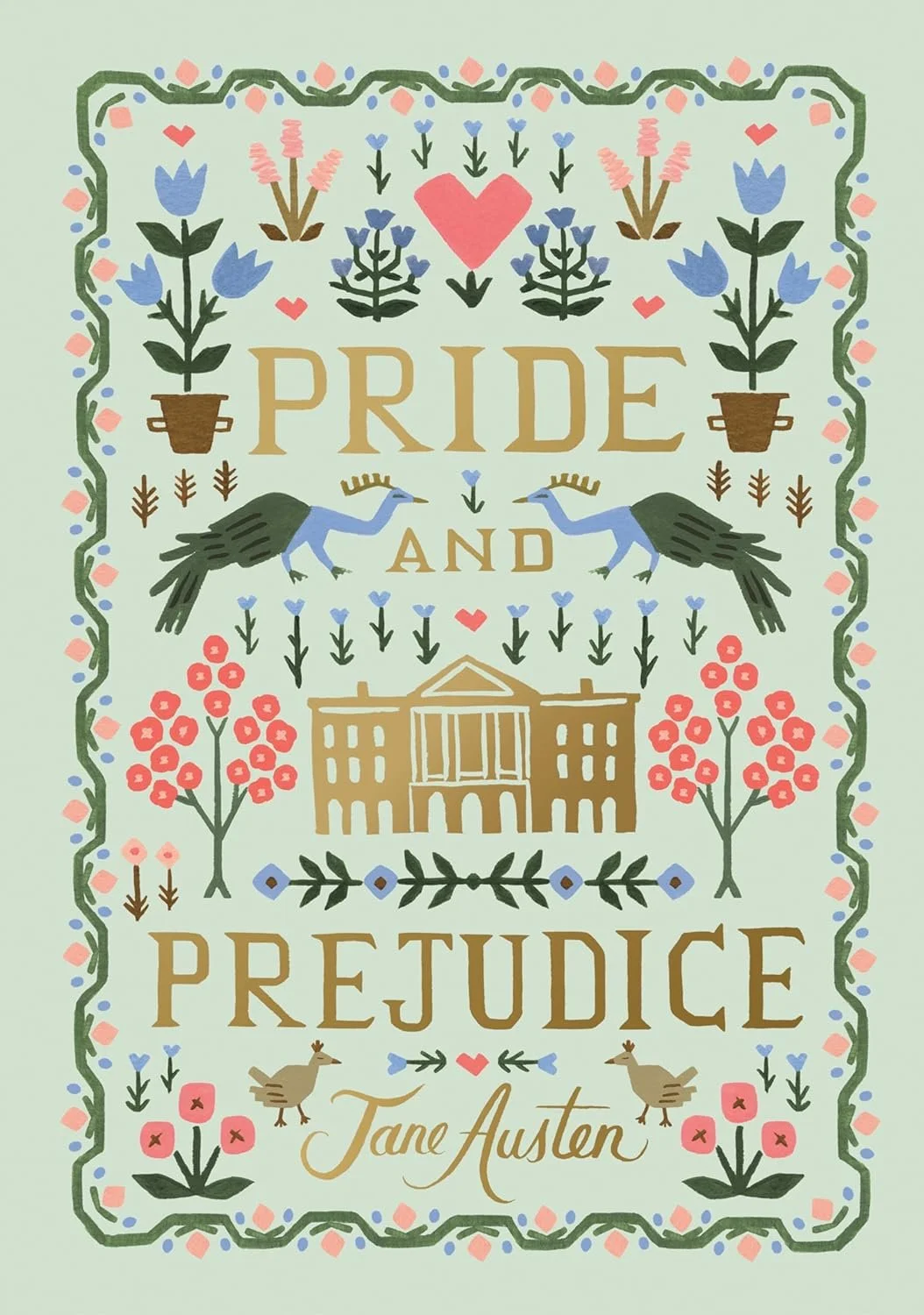
Pride and Prejudice by Jane Austen
A timeless classic, Austen’s novel offers elegant prose, sharp dialogue, and a treasure trove of sophisticated vocabulary. Readers will encounter period-specific terms, elevated descriptions, and witty exchanges that naturally expose them to advanced language.
Books To Increase Vocabulary
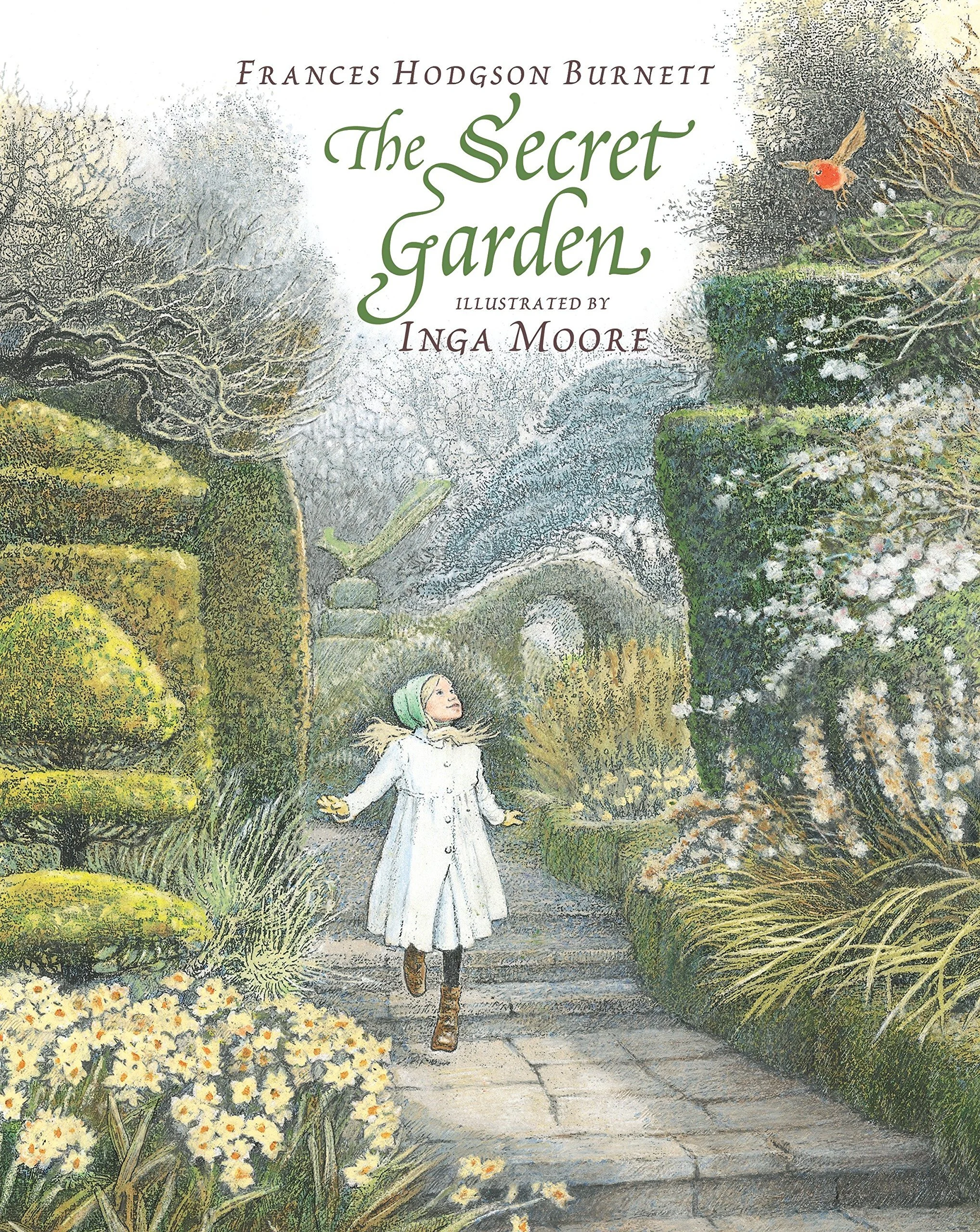
The Secret Garden by Frances Hodgson Burnett
This beloved children's classic is filled with lush descriptive passages and emotional nuance. It’s an excellent choice for young readers who want to expand their vocabulary through beautifully crafted storytelling.
Books To Increase Vocabulary
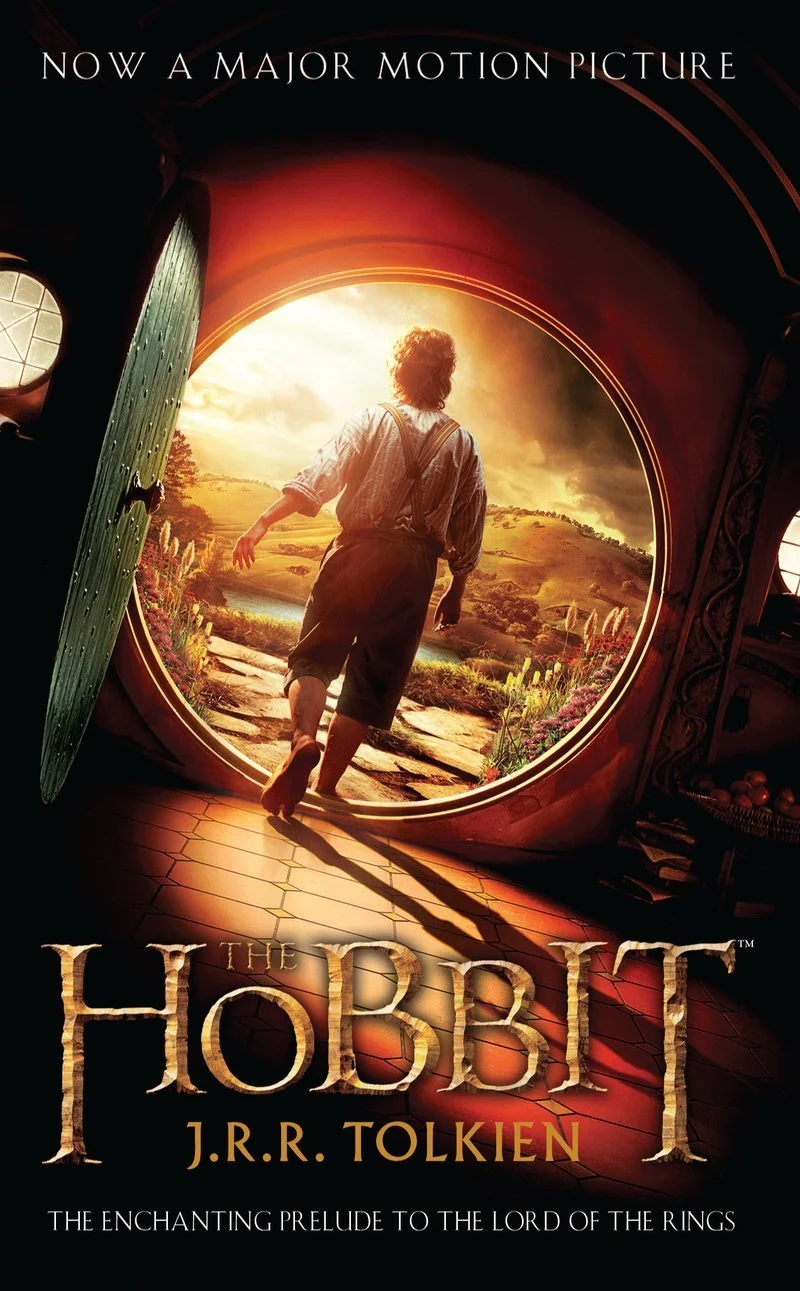
The Hobbit by J.R.R. Tolkien
Tolkien’s writing introduces readers to rich linguistic imagery and imaginative world-building. His descriptive language and narrative complexity make this a wonderful choice for upper-elementary readers and teens.
Books To Increase Vocabulary
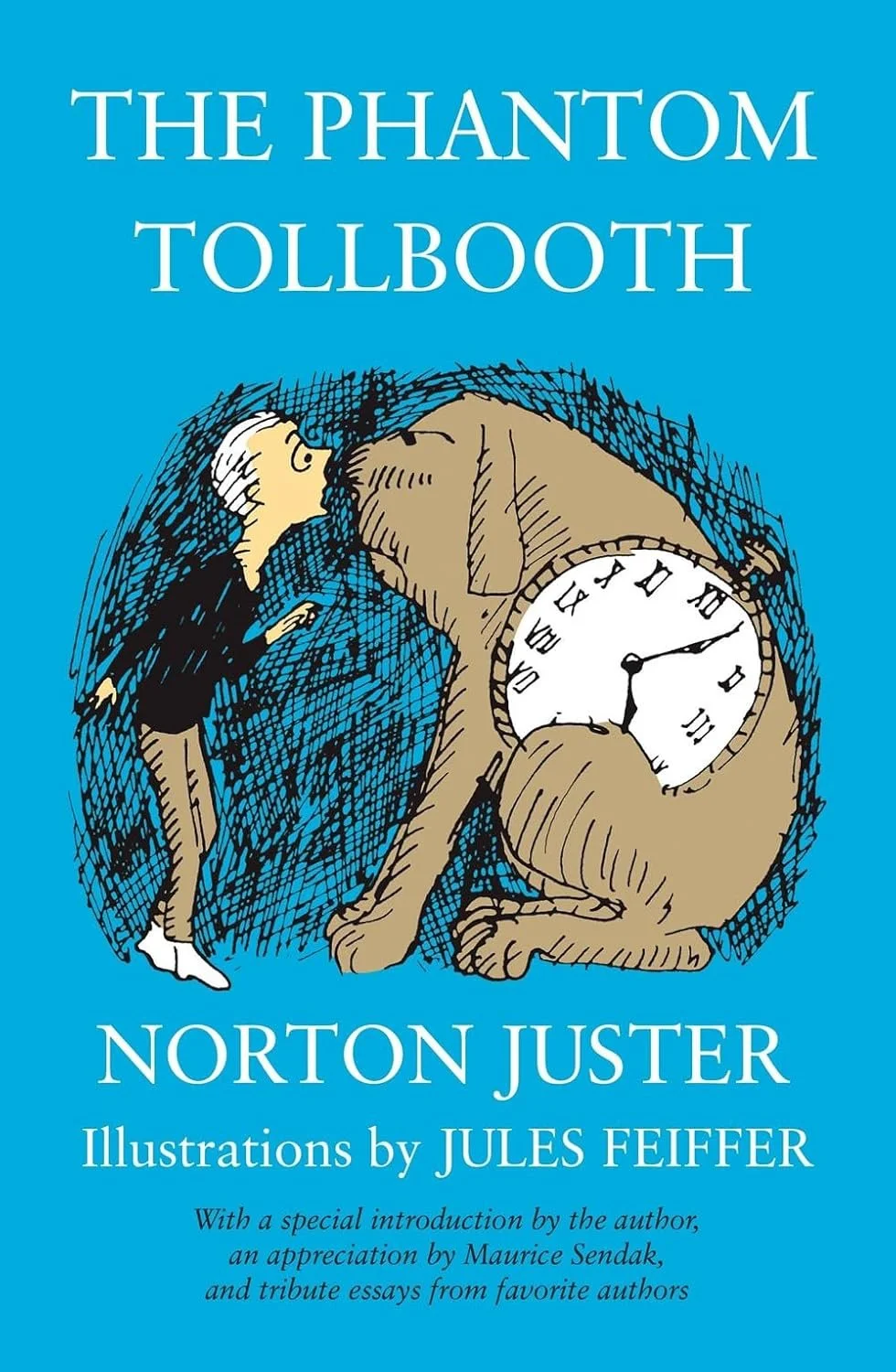
The Phantom Tollbooth by Norton Juster
This clever, word-play-filled story is a favorite for teaching children the meaning, structure, and humor of language. Expect puns, figurative language, and vocabulary challenges wrapped inside an engaging fantasy.

Books To Increase Vocabulary
Little Women by Louisa May Alcott
With its emotionally rich storytelling and period vocabulary, this novel helps readers—especially middle schoolers and teens—gain exposure to historically rooted language while following the compelling adventures of the March sisters.
Books To Increase Vocabulary
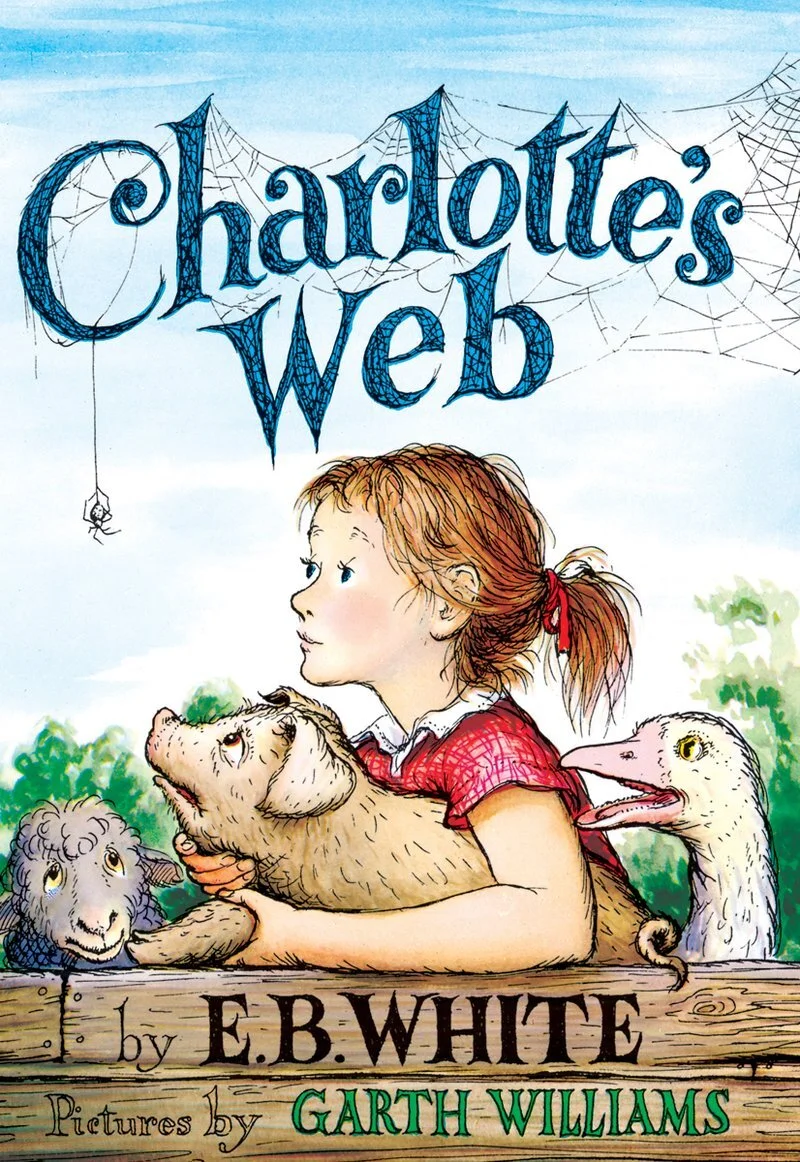
Charlotte's Web by E.B. White
White’s gentle and poetic prose introduces younger readers to descriptive vocabulary and foundational literary language. It’s a great example of how reading aloud can support a child’s vocabulary acquisition.
Books To Increase Vocabulary
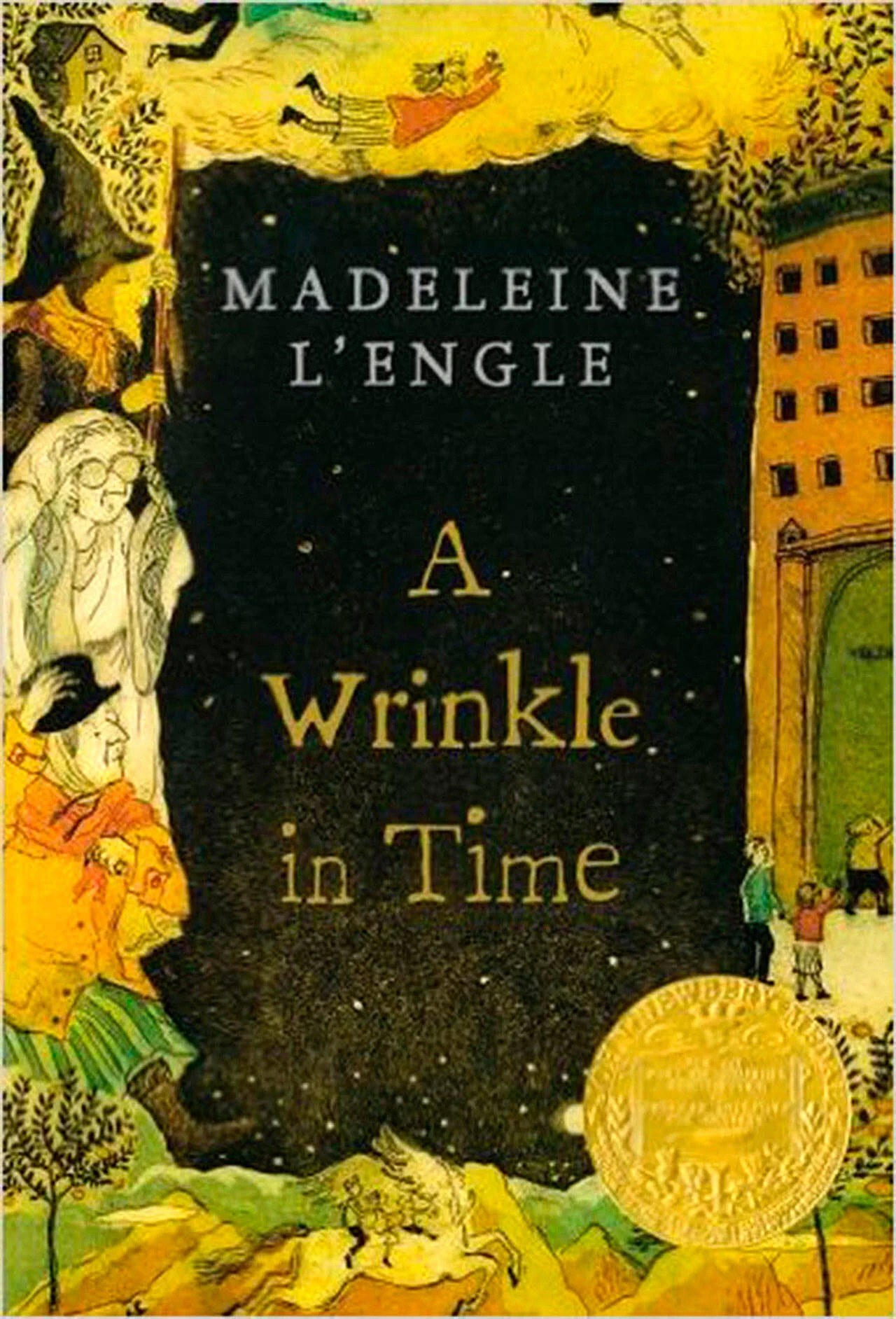
A Wrinkle in Time by Madeleine L’Engle
Filled with imaginative concepts and sophisticated word choice, this classic sci-fi novel challenges readers to think critically and engage with diverse scientific and emotional vocabulary.

Books To Increase Vocabulary
The Giver by Lois Lowry
Lowry’s dystopian story uses precise, economical language that encourages readers to reflect deeply on each word. The vocabulary is thought-provoking without being overwhelming, perfect for middle-grade readers ready to stretch themselves.

Books To Increase Vocabulary
The Book Theif by Markus Zusak
This modern classic blends emotional storytelling with deeply evocative prose. Zusak’s writing style exposes readers to poetic phrasing and advanced vocabulary in a uniquely impactful way.
Books To Increase Vocabulary
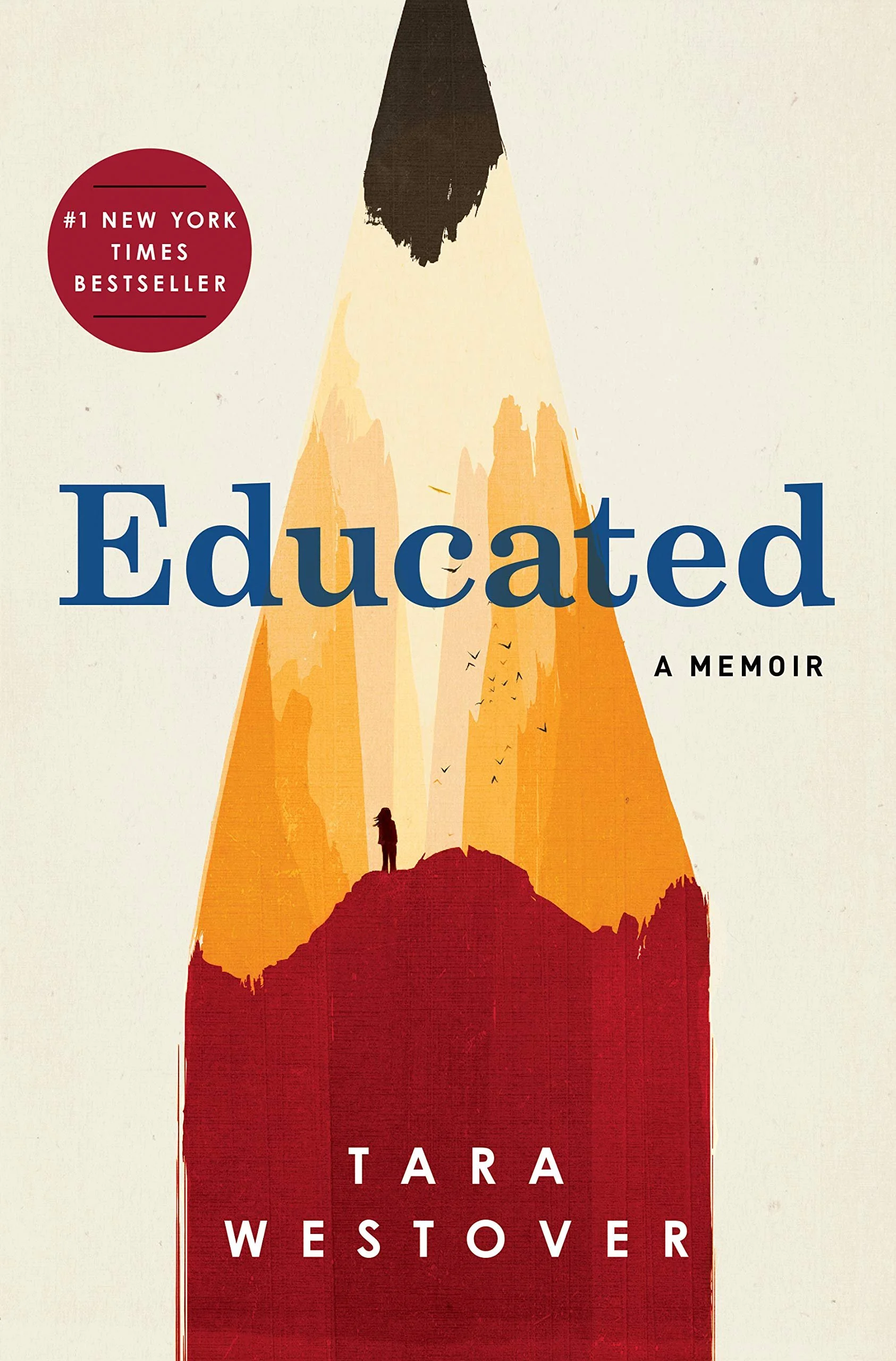
Educated by Tara Westover
For adult readers, this memoir introduces rich academic and emotional vocabulary. Westover’s journey from rural Idaho to earning her doctorate at Cambridge provides a powerful example of how literacy transforms a life.
How To Increase Vocabulary By Reading Books
1. Choose Diverse Reading Material
Reading across genres—mystery, fantasy, nonfiction, classics—exposes you to a wide range of words. Encourage your children to explore multiple categories as well, such as kids mystery books or children’s historical fiction books.
2. Read Actively
Underline or highlight unfamiliar words. Pause and look them up. Active engagement builds retention and strengthens word recognition.
3. Read Aloud
Whether with kids or adults, reading aloud forces you to slow down, hear the rhythm of the words, and focus on pronunciation. It also supports language skills for developing readers.
4. Incorporate Independent Reading Time
Schedule daily or weekly reading time. Consistency supports long term vocabulary building and helps readers fall in love with reading for pleasure.
5. Keep a Vocabulary Journal
Write down learning new words as you encounter them. Track definitions, synonyms, and example sentences. Over time, your notebook becomes a personalized vocabulary resource.
6. Re-Read Challenging Books
Revisiting complex novels or classics helps reinforce previously unfamiliar vocabulary. Each reading deepens understanding and retention.
7. Discuss Books With Others
Book discussions are excellent for reinforcing vocabulary. Talking about stories naturally introduces new words and supports stronger reading comprehension.

