Hardcover vs Paperback vs Ebook vs Audiobook: Which Is Best?
Hardcover vs paperback. Ebook vs physical book. Audiobook vs book. Readers have surprisingly strong opinions about how they like to experience a story—and after interviewing more than 1,000 authors for Hasty Book List, I’ve learned that authors do, too.
For years, one of the questions in my author interviews has been deceptively simple: Hardback, paperback, ebook or audiobook? More than 1,000 authors have answered it, explaining not only which book format they prefer, but why. Some want the weight and permanence of a hardcover. Others swear by a paperback they can toss into a bag. Some have converted almost entirely to ebooks, while others do much of their “reading” through headphones.
What became clear as I read through more than 1,000 responses is that there really isn’t one winner in the hardcover vs paperback vs ebook vs audiobook debate. Instead, each format seems to have found its own particular role in a reader’s life.
Hardcovers are for keeping. Paperbacks are for comfortable reading. Ebooks are for convenience. Audiobooks are for making more room in your life for books.
And, increasingly, the best format may simply depend on where you are and what you’re doing.
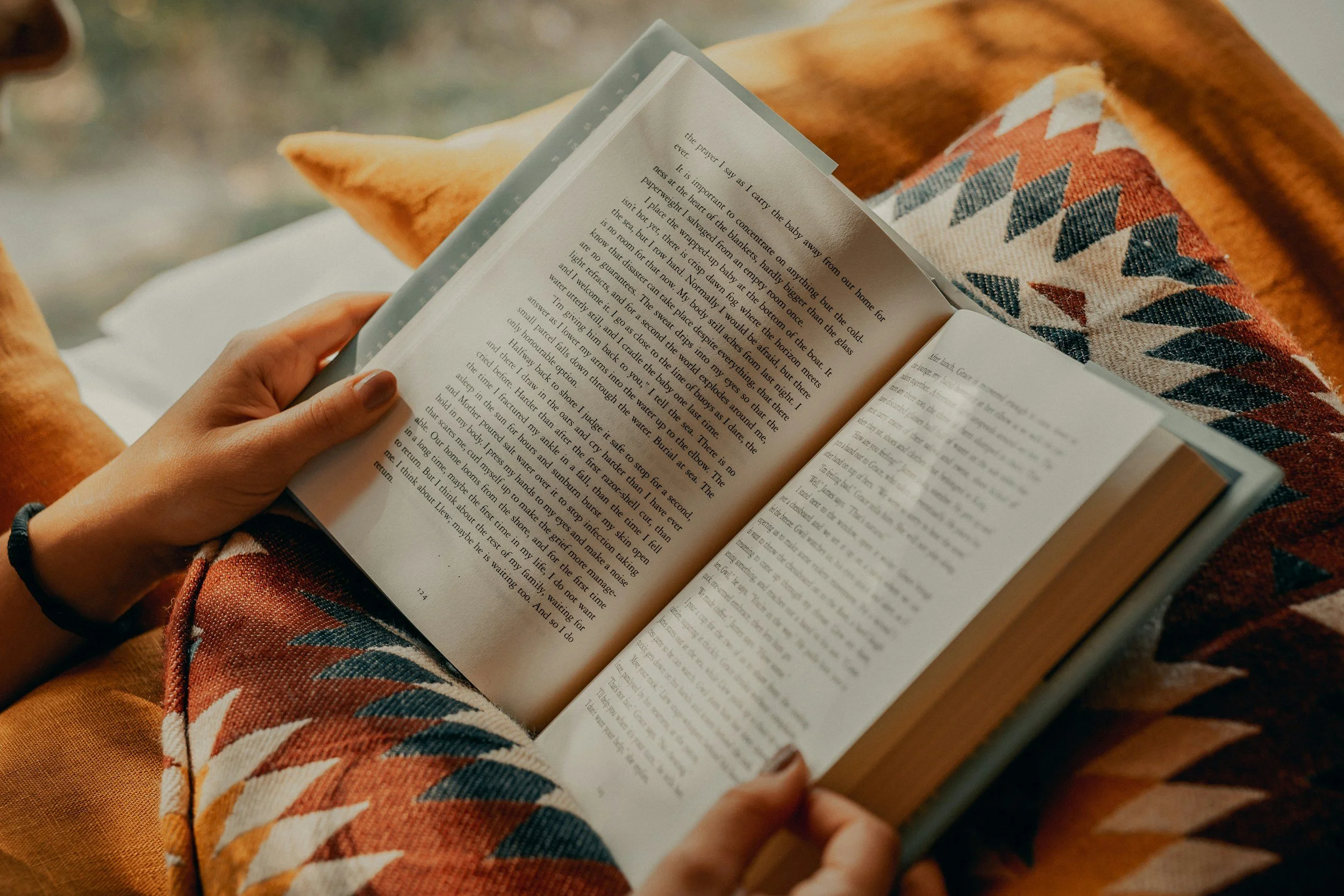
Hardcover vs Paperback vs Ebook vs Audiobook: Which Is Best?
If you’re trying to decide between a hardcover vs paperback, an ebook vs physical book, or an audiobook vs book, start by thinking about how you actually read.
Do you collect books and display them in a home library? A hardcover may be worth the extra cost. Do you read in bed or carry a book everywhere? Paperback is probably more comfortable. Do you travel frequently or want instant access to your next read? An ebook is hard to beat. Do you wish you had more time to read? Audiobooks can turn your commute, walk, laundry or workout into reading time.
That was one of the strongest themes across the 1,000+ author responses I collected. Many authors didn’t choose a single favorite at all. Instead, they use different formats for different situations.
Author Peter Kageyama gave one of the clearest explanations of this approach in his Hasty Book List author interview:
“Hardbacks are reserved for special books, the kind of book you want to display on a shelf... Ebooks are great for convenience and portability... Audio is great for walking, driving and working out.”
His conclusion may be the most useful answer to this entire debate: “Having all these options allows me to consume multiple books at the same time, which is a good thing!”
He wasn’t alone. Eileen Garvin, author of Crow Talk, told me in her author interview that she prefers “hardbacks when they first come out and paperbacks for roadtrips,” while her e-reader comes along for airplane travel and audiobooks are ideal while cooking or cleaning.
So rather than asking which book format is universally best, it might be more useful to ask: Which format is best for this particular book and this particular moment?

Hardcover vs Paperback: What’s the Difference for Readers?
The hardcover vs paperback debate is probably the oldest of the four. Both give you the tactile pleasure of a physical book—the pages, cover art, bookmark slowly moving toward the end—but they provide noticeably different reading experiences.
Across my author interviews, hardcovers were repeatedly associated with words and ideas like beautiful, substantial, permanent, collectible, and special. Paperbacks, meanwhile, were praised for being comfortable, portable, flexible, and easy to travel with.
That distinction came up again and again.
Why Choose a Hardcover Book?
There is something ceremonial about a hardcover book. It feels substantial in your hands, looks beautiful on a bookshelf and can turn a favorite book into an object you want to keep indefinitely.
Sarah Beth Durst, author of The Lies Among Us, described the appeal perfectly in her Hasty Book List interview:
“I love hardcovers because of how substantial they feel in your hands, how nice the paper turns beneath your fingers, and how easy the font is to read.”
The drawback? As Durst pointed out, you can’t exactly put twenty hardcovers in your purse.
That tension—beauty and permanence versus weight and practicality—appeared throughout the responses.
Loreth Anne White, author of The Unquiet Bones, told me she chooses “[h]ardback for keepers and longtime auto-buy authors” in our interview. In other words, a hardcover can signify something beyond simply wanting to read the book. It can mean wanting to own it.
That distinction makes sense to me as both a reader and book blogger. There are books I want to read, and then there are books I want to live with. The latter are the ones I’m more likely to want in hardcover—especially if they are signed, beautifully designed or written by an author whose work I collect.
Pros and Cons of Hardcover Books
Pros: Hardcovers are durable, attractive on bookshelves, often available as soon as a new book publishes and particularly well suited to signed or collectible editions. Many readers also enjoy their larger pages and type.
Cons: They’re heavier, generally more expensive and less convenient for travel, commuting or reading in bed. They also take up considerably more shelf space than digital books—and eventually every devoted reader discovers that shelf space is finite.
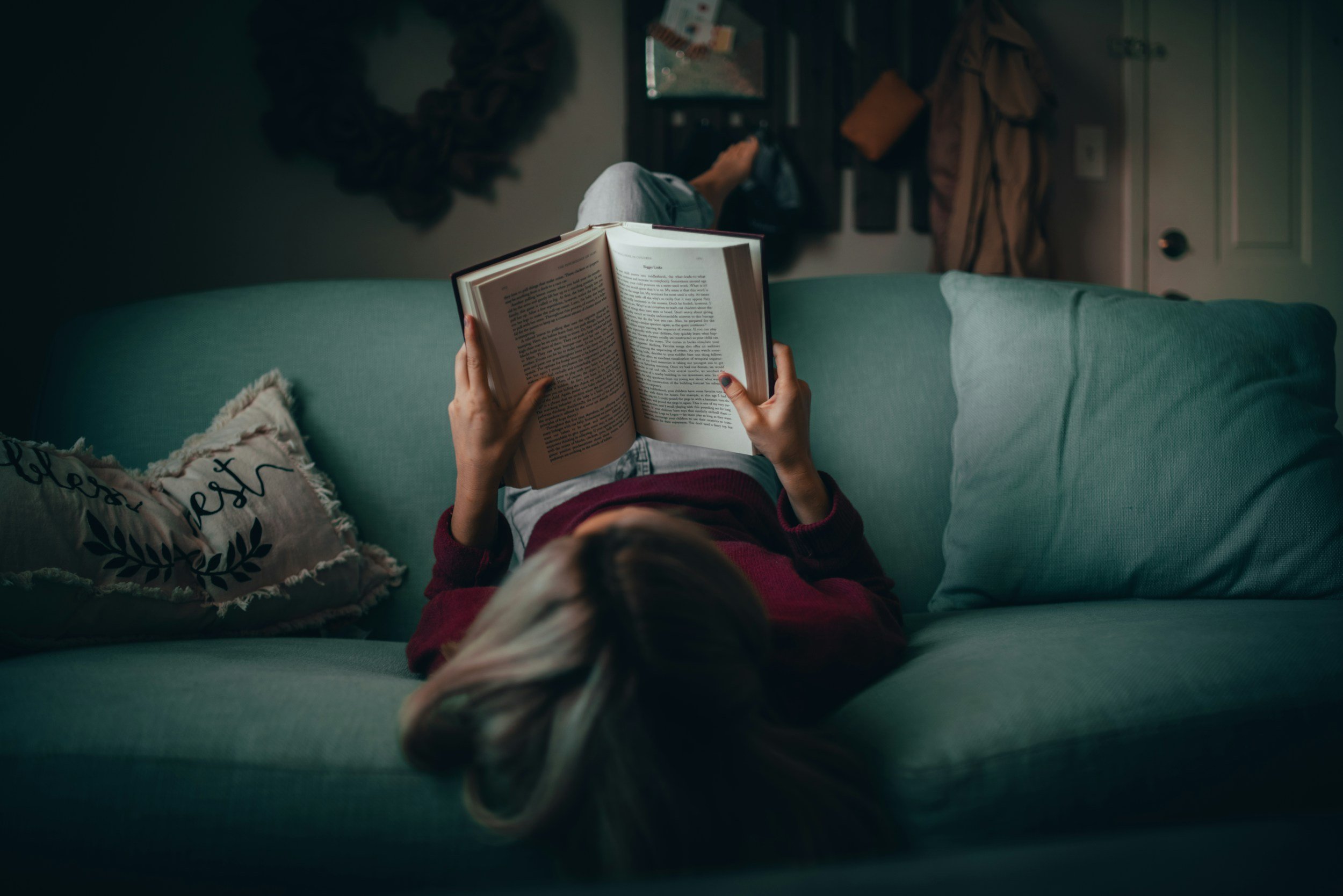
Why Readers Love Paperbacks
If hardcovers are the books you preserve, paperbacks may be the books you actually live with.
They’re lighter. They fit into bags more easily. You can take one to the beach without panicking about the dust jacket. They’re often easier to hold while reading in bed, and they still provide the physical experience that readers who don’t love ebooks crave.
Brianne Sommerville, author of If I Lose Her, told me in her interview that although she consumes books in every format, paperback is her preference:
“There’s something about a paperback and watching the bookmark travel closer to the end, that is more satisfying to me.”
I love that description because it captures something a digital progress bar can’t quite reproduce. With a physical book, reading has a visible geography. The pages you’ve finished move from your right hand to your left until suddenly there are only a few chapters remaining.
Ellen Barker described paperbacks as her “favorite compromise” in her Hasty Book List interview: hardcovers are beautiful but heavy and space-consuming, while paperbacks retain the pleasure of leafing through a physical book without quite as much bulk.
Pros and Cons of Paperback Books
Pros: Paperbacks are lighter, portable, usually less expensive than hardcovers and comfortable to hold. They’re particularly good for travel, commuting, beach reading and readers who want a physical book without the weight of a hardcover.
Cons: They aren’t as durable as hardcovers, can become bent or worn in a bag and generally don’t have the same collectible quality. Depending on the edition, print and page size can also be smaller.
For readers debating hardcover vs paperback, I’d put it this way: choose the hardcover for the shelf and the paperback for the tote bag.
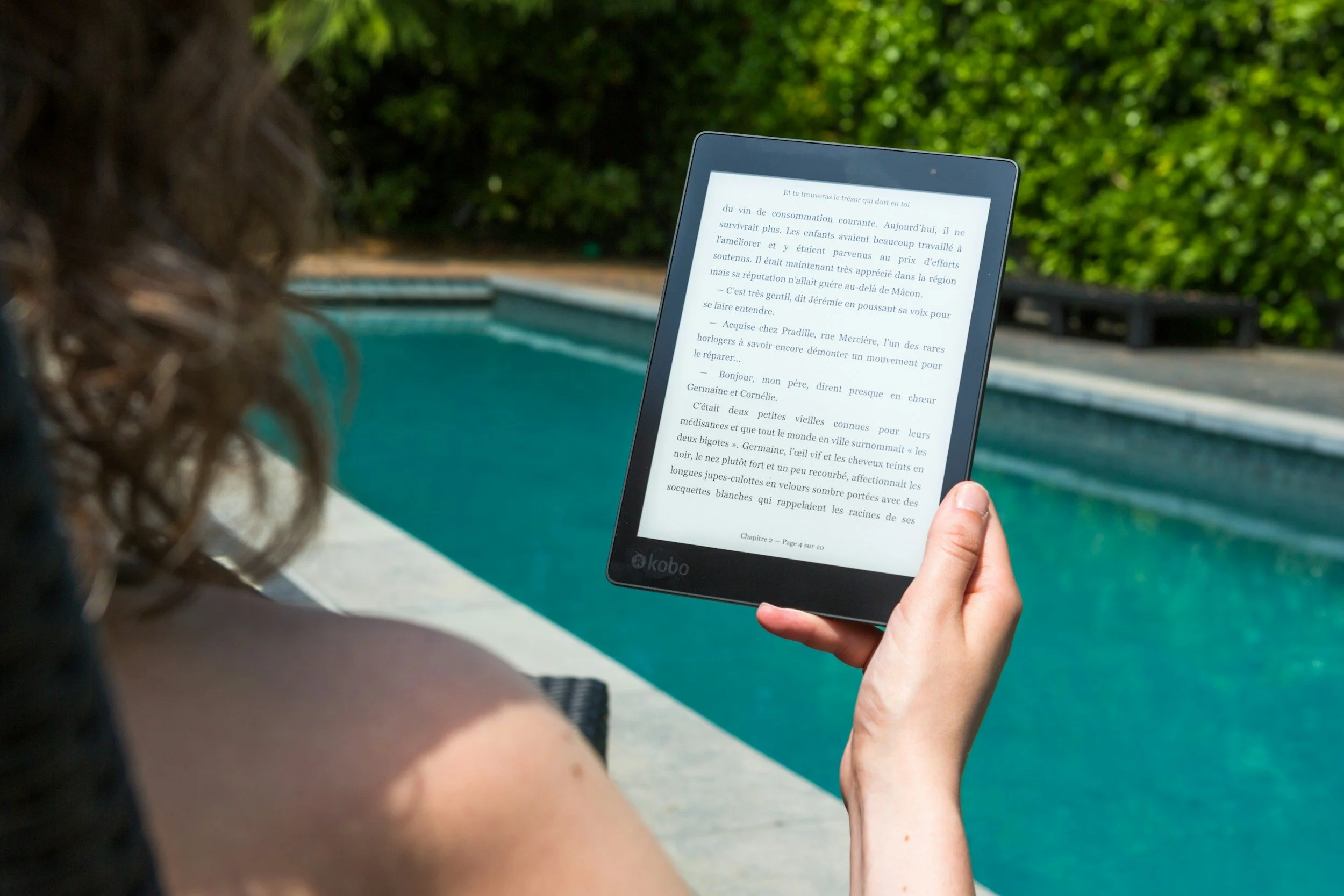
Ebook vs Physical Book: Which Is Better?
The ebook vs physical book question generated some of the strongest reactions among the authors I’ve interviewed.
For some, nothing can replace paper. They want to turn pages, smell the book, annotate margins and see their reading life represented on shelves around them. Others have become ebook converts because convenience eventually won.
And convenience is where ebooks are nearly impossible to beat.
One device can hold hundreds or thousands of books. You can buy your next read at 11:30 at night without leaving bed. You can increase the font size, search the text, highlight passages and carry an enormous library through an airport without adding a pound to your suitcase.
Sarah Beth Durst summed up the ebook advantage after telling me she wished she could carry twenty hardcovers around with her: “I love ebooks because you can do exactly that.”
Why Choose an Ebook?
Ebooks seem especially well suited to frequent travelers, fast readers and anyone who likes to have several books available at once.
They can also be useful for readers who benefit from adjustable text size or illuminated screens. And because an ebook doesn’t require a lamp, it can make late-night reading much easier.
But there is another side to the ebook vs physical book debate: screen fatigue.
Loreth Anne White told me she had moved away from ebooks after spending long workdays writing on a computer. Returning to paper, she said, was “re-awakening that wonderful sensation of escape that fiction always provided.”
That observation struck me because reading isn’t only about efficiently getting words into your brain. The physical context matters. If you’ve spent eight hours looking at a screen, picking up another screen—even one displaying a wonderful novel—may not provide the same psychological transition as opening a physical book.
Pros and Cons of Ebooks
Pros: Ebooks are extremely portable, provide instant access to new books, allow adjustable font sizes and make it easy to carry a huge library. Search, highlighting and note features can be particularly helpful for research and nonfiction.
Cons: You lose some of the tactile experience of reading a physical book, there’s nothing to display on a bookshelf, and some readers find another screen less relaxing. Depending on the device, digital distractions can also make it harder to become fully immersed.
The ebook vs physical book question therefore comes down to what you value most: convenience or physical experience.
And plenty of readers want both.
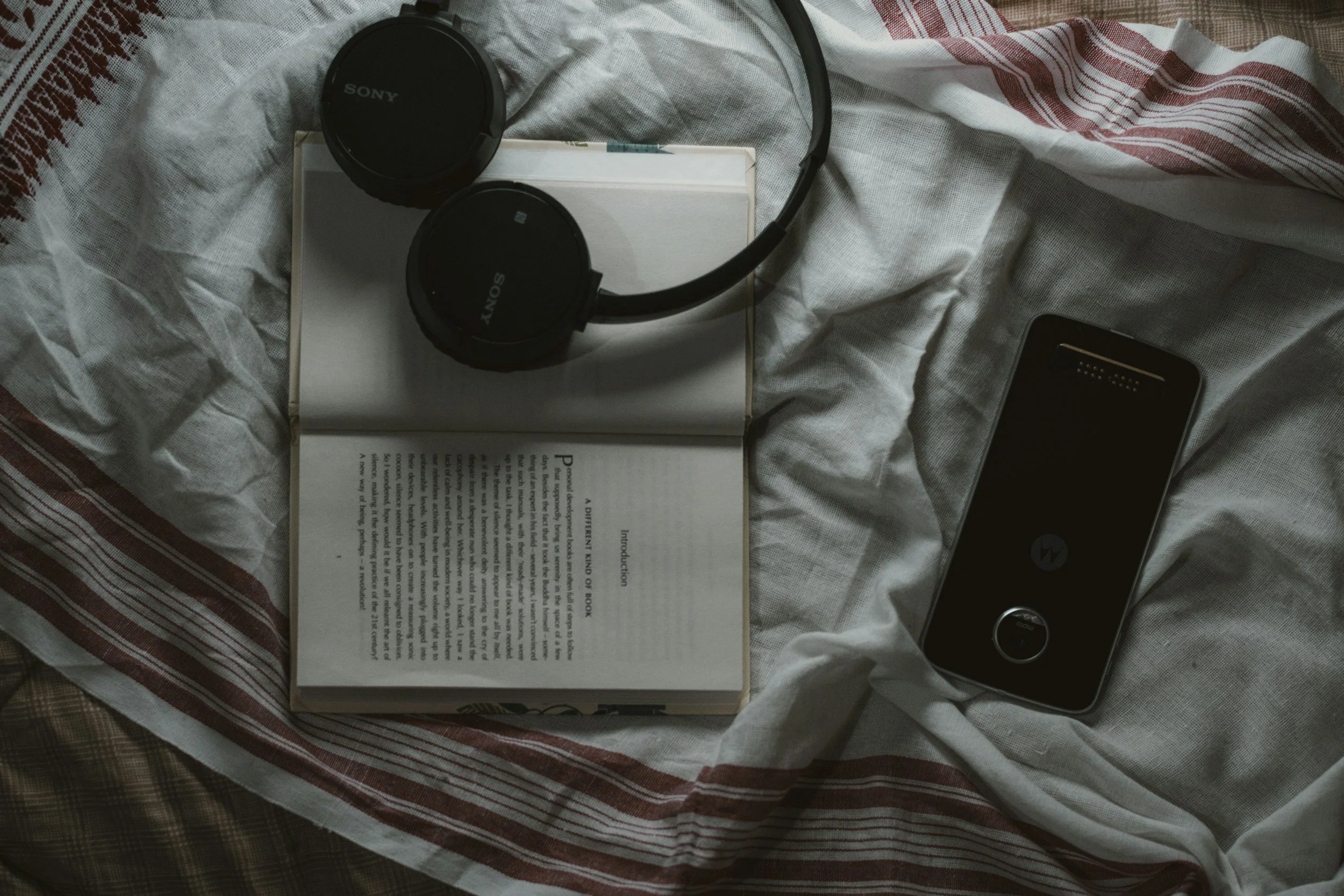
Audiobook vs Book: Does Listening Count as Reading?
Yes, listening to an audiobook counts as reading.
I’ve written separately about the question of whether audiobooks are as good as reading, but the answers from authors reinforce one of my favorite things about audio: audiobooks don’t necessarily replace physical books or ebooks. They can create reading opportunities that didn’t exist before.
You can’t safely read a paperback while driving. You probably shouldn’t read a hardcover while walking around your neighborhood. Folding laundry with an ebook in one hand is going to make the process considerably more difficult.
An audiobook can go with you through all of those activities.
Kristen Van Nest, author of Where to Nest, is firmly on Team Audiobook. In her Hasty Book List interview, she explained that multitasking is exactly why she loves them:
“I listen to them while taking my morning walk, doing laundry, or when taking a bath with a glass of wine in hand.”
Brianne Sommerville made a similar discovery after coming to audiobooks relatively recently. She told me that being able to multitask made “folding laundry and unloading the dishwasher” much more interesting.
That may be the audiobook’s greatest advantage. It can transform time that wasn’t available for reading into time spent with a book.
Why Some Readers Don’t Like Audiobooks
Not everyone can concentrate on an audiobook, though, and that came through clearly in the author responses.
Some authors told me their minds wander while listening. Others said they need to see words on a page to absorb them. Some simply prefer the imaginative experience of creating characters’ voices themselves rather than hearing a narrator perform them.
Narration can also dramatically change the experience. A fantastic narrator can elevate a book; the wrong narrator can make an otherwise enjoyable story difficult to finish.
That makes the audiobook vs book question particularly personal. If your attention drifts while listening, forcing yourself to become an audiobook reader probably won’t make you read more. But if audio lets you fit another hour of storytelling into your day, it can dramatically expand your reading life.
Pros and Cons of Audiobooks
Pros: Audiobooks allow you to read while driving, exercising, cleaning, cooking or walking. Professional narration can add another dimension to the story, and audio can make books accessible to readers who have difficulty reading print.
Cons: Some readers find it harder to concentrate or retain details while listening. It’s also more difficult to flip backward, examine a passage or annotate, and the narrator’s performance can strongly influence your experience.
The Best Book Format May Depend on the Genre
One of the most interesting answers in my collection came from romance author Nisha Sharma, because she doesn’t simply have a preferred format. She has a preferred format for different kinds of books.
In her Hasty Book List author interview, Sharma explained:
“Hardbacks are usually my preference for non-fiction because the structure helps with annotation. Paperbacks for trad romances, e-books for series and for KU titles. Audiobooks for duet narration and re-reads!”
That makes a lot of sense.
A nonfiction book you want to study and annotate may benefit from a sturdy physical edition. A paperback romance can be comfortable for an afternoon of uninterrupted reading. An ebook makes it easy to immediately download the next installment in a series. And a romance with excellent duet narration can become an entirely different experience in audio.
The question doesn’t have to be ebook vs physical book or audiobook vs book. Your preferred format can change from book to book.
Physical Books Still Have an Emotional Advantage
Despite all the conveniences of ebooks and audiobooks, one theme surfaced repeatedly in my author interviews: physical books are objects as well as stories.
Readers talked about their smell. Their weight. Their covers. Turning pages. Watching bookmarks move. Displaying beloved books on shelves. Remembering where they were when they read a particular paperback.
Peter Kageyama called physical books “souvenirs of the journey that we went on together,” which may be one of my favorite descriptions from this entire collection of interviews.
A digital book can contain exactly the same words, but it doesn’t leave behind quite the same artifact.
Years later, you can pull a worn paperback from your shelf and immediately remember the vacation where you read it. A signed hardcover can remind you of meeting its author. A childhood book can carry bent corners, inscriptions or stains that have become part of its history.
That doesn’t make physical books inherently better. But it does explain why readers who enthusiastically embrace Kindle and audiobooks often continue buying physical books, too.
Ebooks and Audiobooks Make Reading Fit Into Real Life
If physical books have an emotional advantage, ebooks and audiobooks have a practical one.
Our reading lives don’t happen in perfect libraries with unlimited shelf space and uninterrupted afternoons. We read on airplanes, during commutes, in waiting rooms, before bed, while walking dogs and between everything else we have to accomplish.
Digital formats adapt to those realities.
An ebook means you never have to pack three novels because you’re not sure which one you’ll want on vacation. An audiobook turns a 30-minute commute into another chapter. Both formats remove some of the logistical barriers between wanting to read and actually doing it.
That accessibility was something Ellen Barker specifically appreciated about audiobooks even though she doesn’t personally listen to them. She told me she loves the format because audiobooks give access to people who may not otherwise have the time or ability to sit down with a printed book.
The more than 1,000 authors I’ve interviewed made it clear that convenience doesn’t have to be the enemy of a meaningful reading experience. Sometimes convenience is precisely what allows the reading experience to happen.
So, Which Is Best: Hardcover, Paperback, Ebook or Audiobook?
After more than 1,000 authors answered this question for Hasty Book List, I’m reluctant to crown one format the winner.
Instead, I think the responses point toward a much more useful way of looking at the hardcover vs paperback vs ebook vs audiobook debate:
Choose hardcover when you want to keep it. A beautiful hardcover is ideal for favorite authors, special editions, signed books, gifts and the books you want to see on your shelves for years.
Choose paperback when you want to comfortably read it. Paperbacks offer much of the sensory pleasure of a physical book while being lighter, easier to carry and generally less expensive.
Choose an ebook when you want convenience. Ebooks are especially useful for travel, late-night reading, instant purchases, adjustable type and carrying an entire library wherever you go.
Choose an audiobook when you want more time to read. Audiobooks turn walks, drives, workouts, chores and other hands-busy moments into opportunities to experience another story.
Or follow the example of the many authors who refused to choose at all.
Jessica Bull told me she typically has one book in each format going at once. Eileen Garvin uses different formats for road trips, airplane travel and household chores. Peter Kageyama appreciates being able to consume multiple books simultaneously. Nisha Sharma matches the format to the genre and reading experience.
Perhaps the real answer isn’t choosing between ebook vs physical book or audiobook vs book.
It’s having more ways to read.
What’s Your Favorite Way to Read?
After asking more than 1,000 authors whether they prefer a hardcover, paperback, ebook or audiobook, I’m turning the question over to you.
Do you buy hardcovers for your forever shelf but actually prefer reading paperbacks? Have you become an ebook convert? Do audiobooks get you through your commute, workout or laundry? Or are you like so many of the authors I’ve interviewed and always have several formats going at once?
Tell me in the comments: hardcover, paperback, ebook or audiobook—and why?