

History of the Met Gala
History of the Met Gala
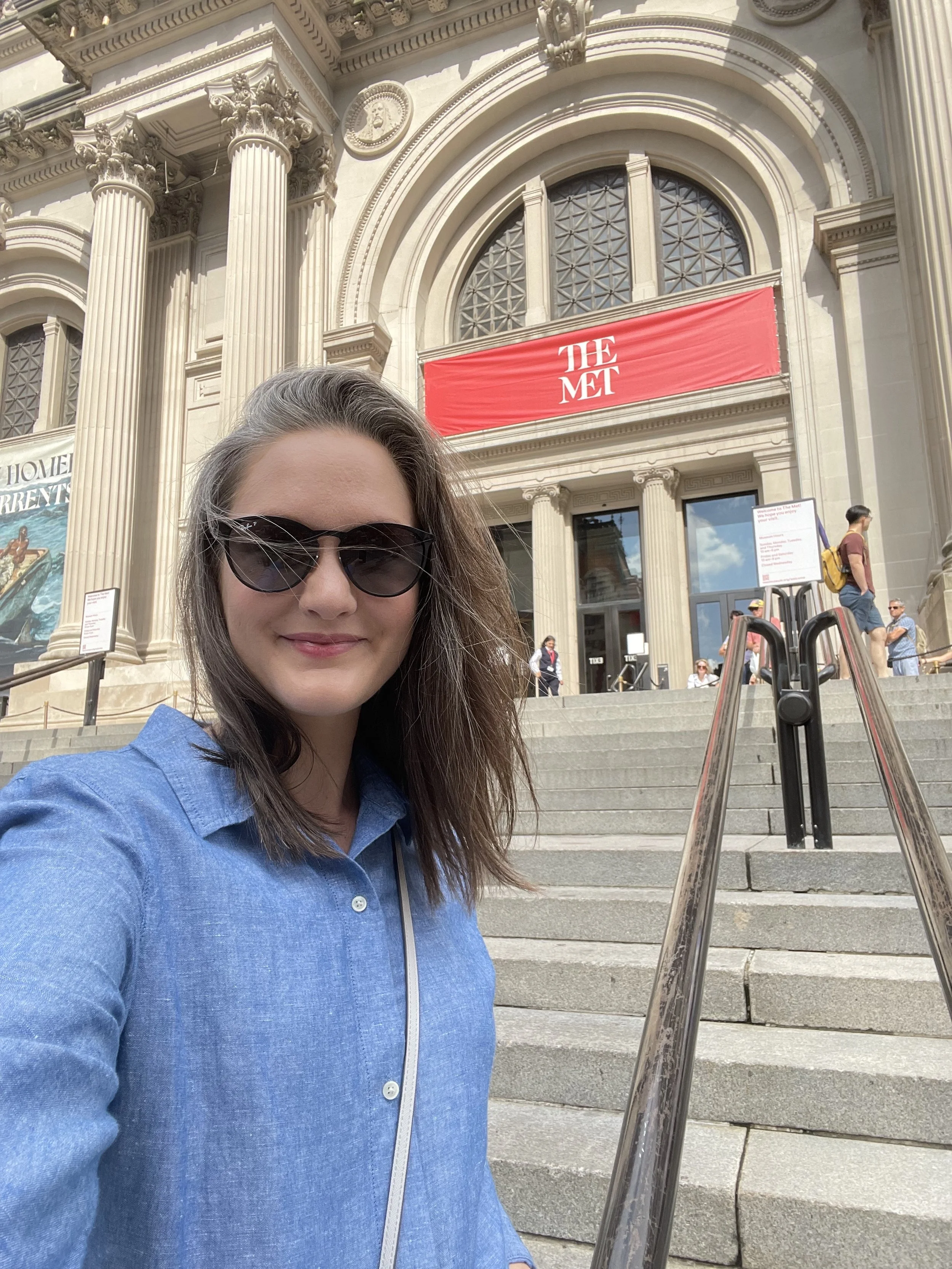
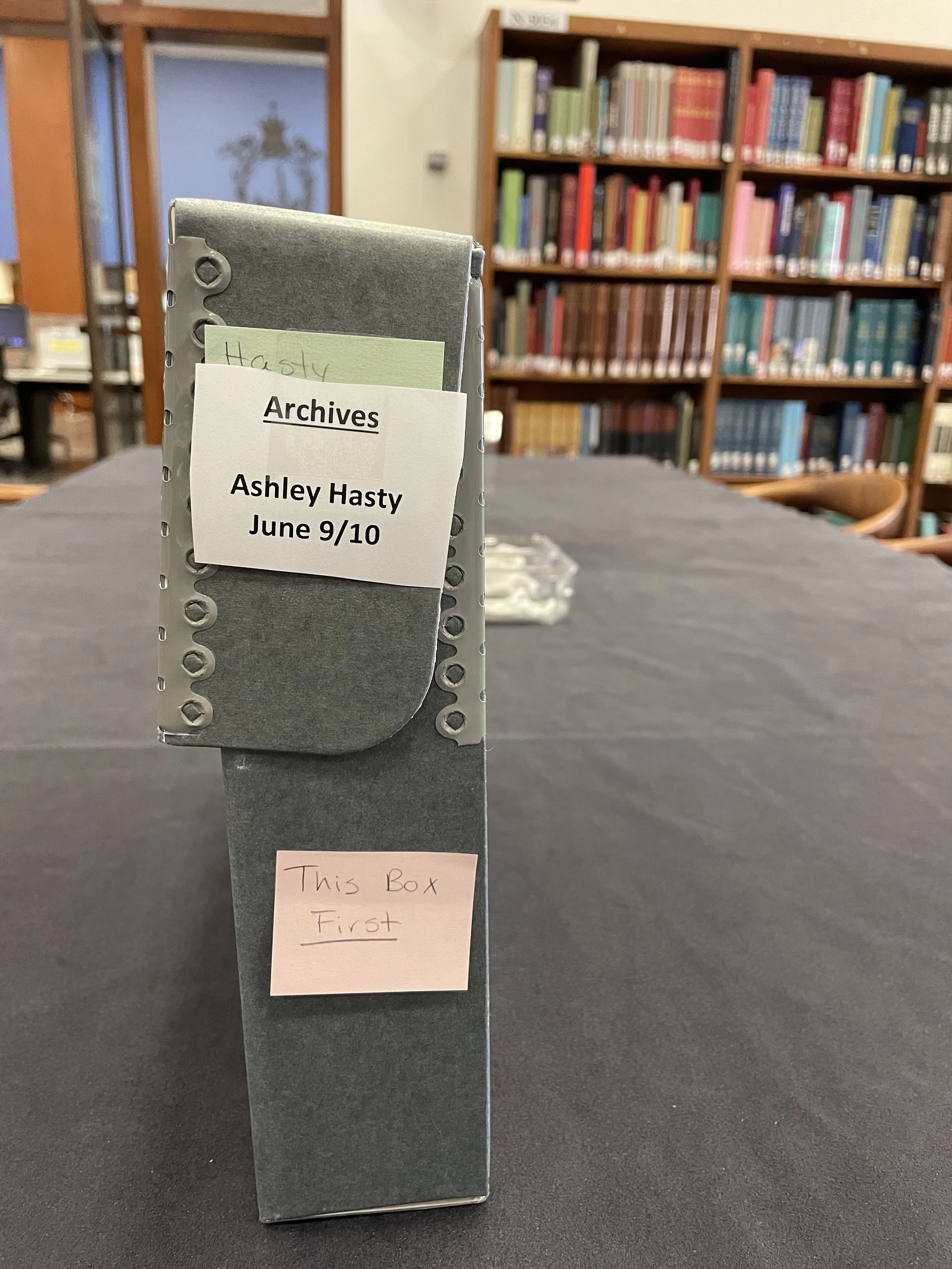
Nestled in the cozy corners of the Metropolitan Museum of Art in the Arthur K. Watson Reference Room of the Thomas J. Watson Library, I took a deep dive into uncovering the fascinating beginnings of the Met Gala. Surrounded by stacks of books and shelves filled with historical gems, I stumbled upon a treasure trove of goodies! Original invites, cute RSVP cards, and even supper tickets whisked me away to the glitzy nights of the gala's early days. I geeked out over old-school bookkeeping notes and giggled at the quirky letters from the gala planners. And oh, those photographs! They painted a vivid picture of the first Costume Institute fundraisers, making me feel like I was right there with them. It was a whirlwind of discovery, revealing how this humble fundraiser blossomed into the star-studded bash we know and love today.
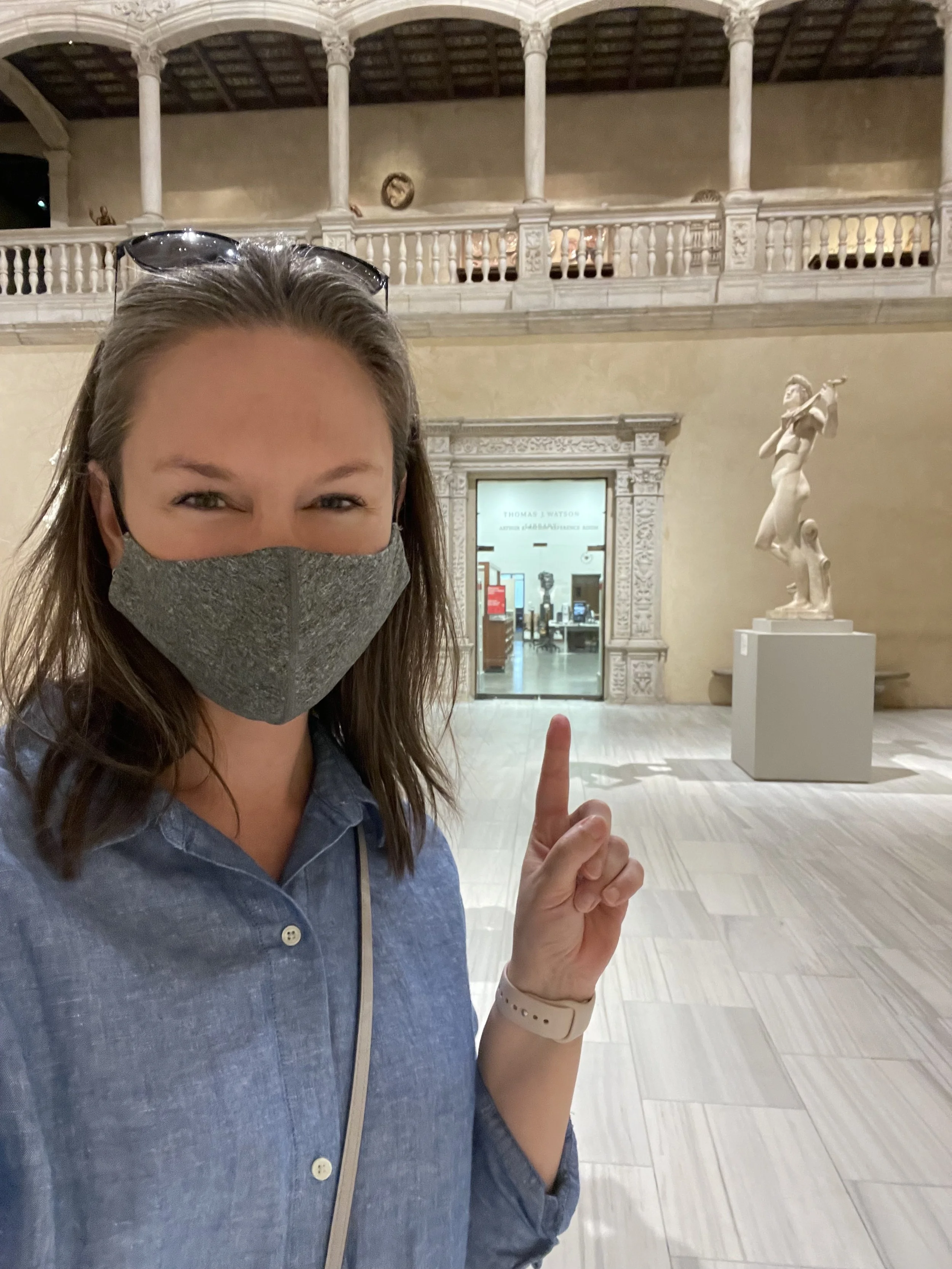
Since its inception in 1948, the Met Gala has captivated the world with its dazzling displays of fashion, art, and philanthropy. What began as a modest fundraising event has blossomed into a global phenomenon, attracting the most influential figures from the realms of entertainment, fashion, and culture. Let's embark on a journey through the illustrious history of the Met Gala, tracing its evolution from humble beginnings to its current status as one of the most prestigious events on the social calendar.
Eleanor Lambert and the Origins of The Met Gala
Sponsored: Sponsored: The Met Gala, once an exclusive gathering of fashion's elite, has evolved into a global spectacle. Year after year, these visionary artists push the boundaries of fashion to create garments that awe and inspire.
While it may not be feasible for everyone to attend such an exclusive event or wear couture gowns daily, there are still ways to express our individuality and curate a personal style that reflects our unique tastes. Custom Patches, make a big difference, transforming an otherwise ordinary outfit into a statement piece that reflects your unique sense of style. Unlike mass-produced accessories, customized patches allow us to express ourselves through design, color, and messaging. They can be created to commemorate special occasions, showcase a favorite hobby or interest, or simply serve as a conversation starter.

Eleanor Lambert and the Origins of The Met Gala:
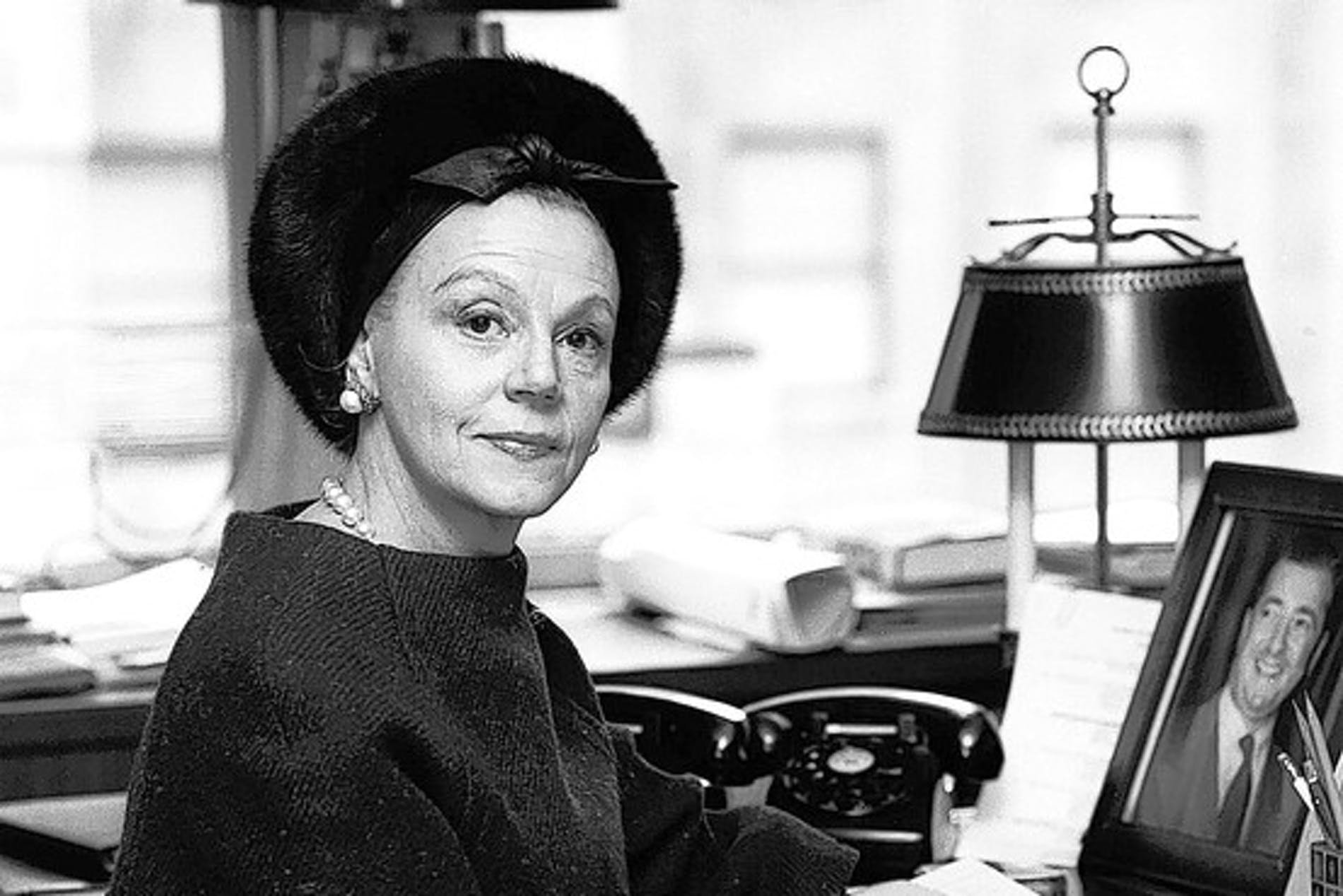
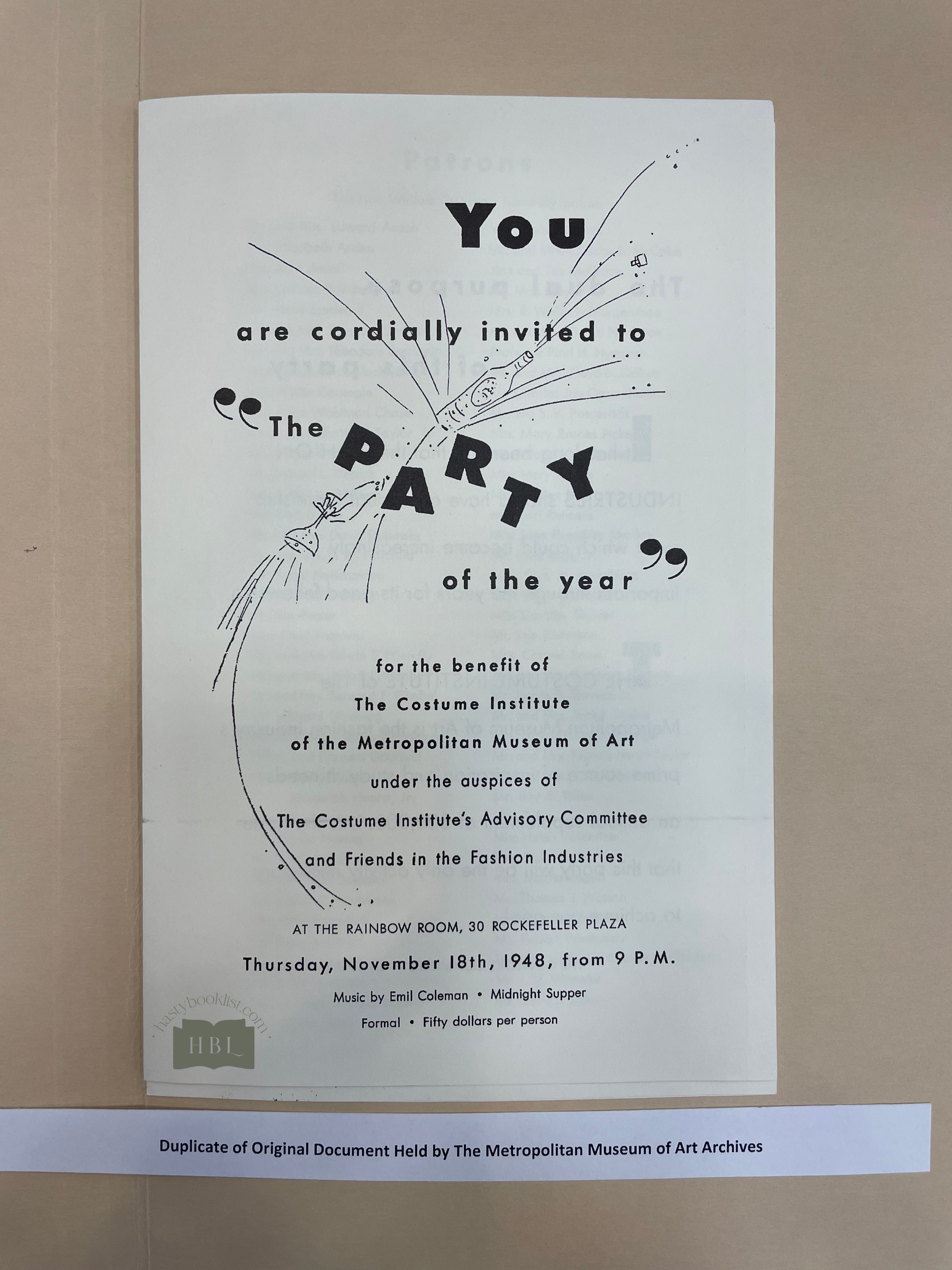
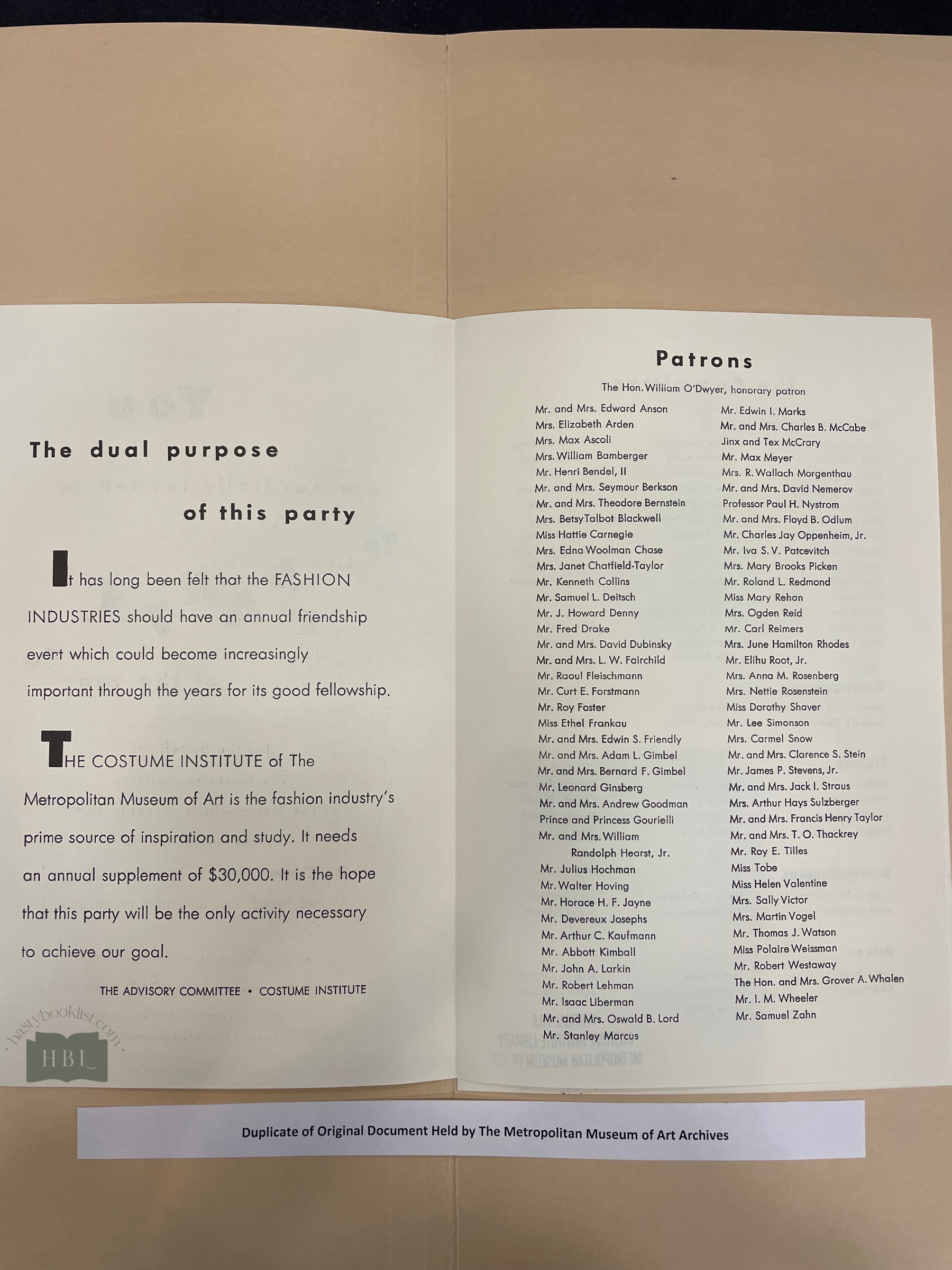
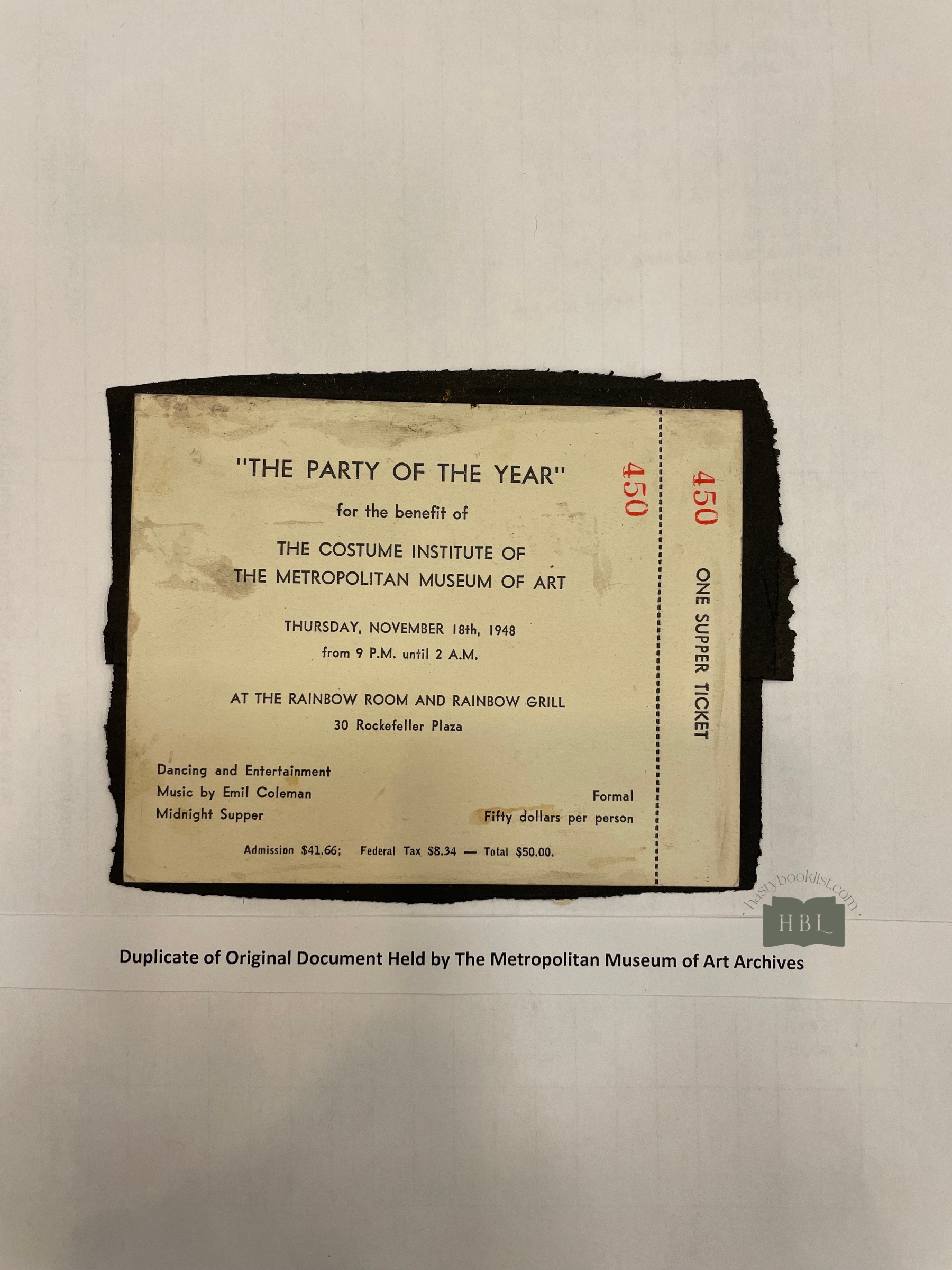
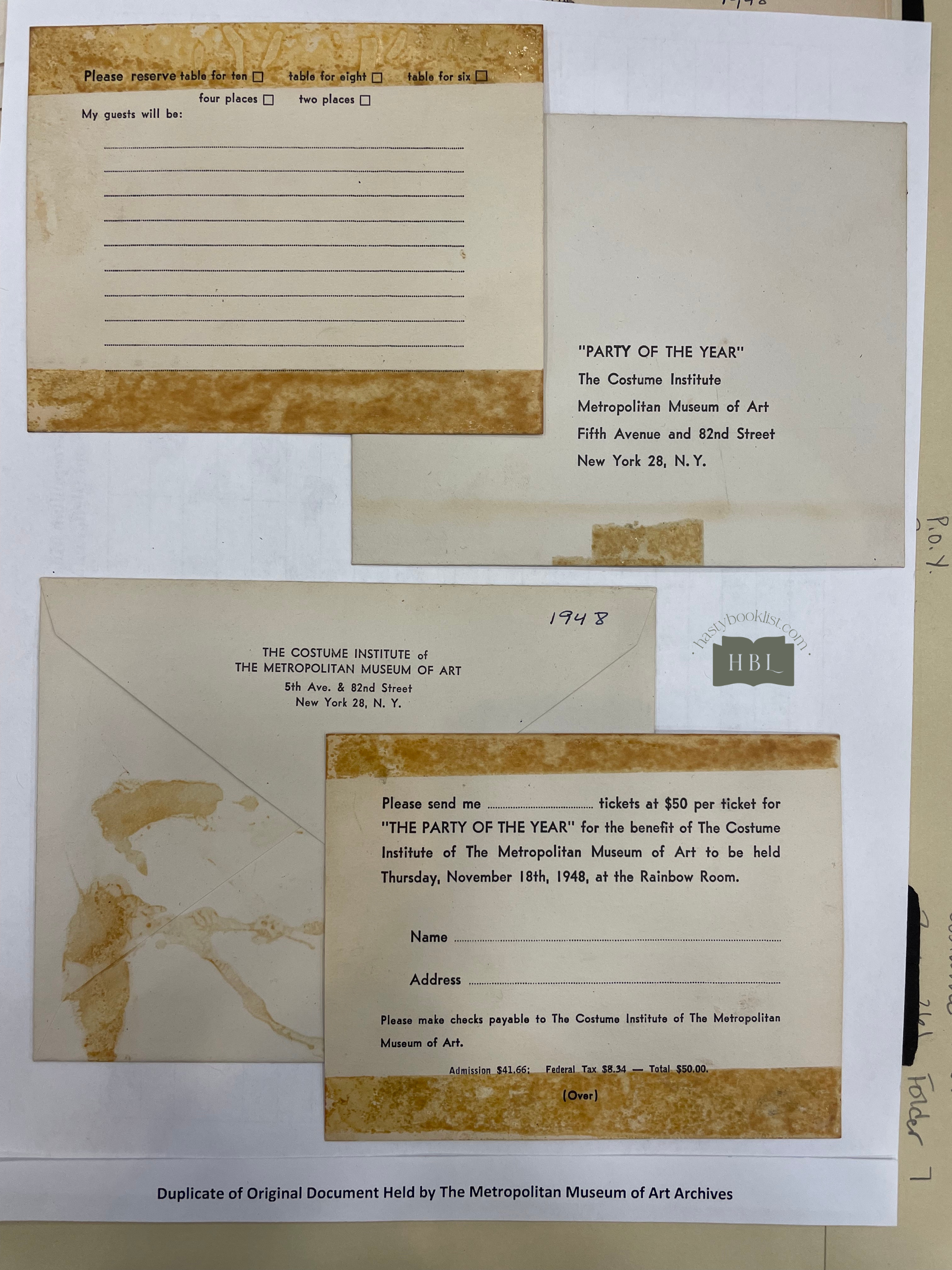
The Met Gala owes its origins to publicist Eleanor Lambert, who organized the first Costume Institute Benefit in 1948. The aim was to raise funds for the newly-established Costume Institute at the Metropolitan Museum of Art in New York City. The inaugural event was a modest affair, attended by socialites and members of New York's high society. Below are images I took of the invitation, RSVP card, and supper ticket to the first Costume Institute fundraiser (what would eventually become The Met Gala as we know it today.) You might notice tickets were just $50 as compared to the approximate $75,000 per ticket or $350,000 per table today.
Eleanor Lambert, a pioneering figure in the world of fashion public relations, left an indelible mark on the industry through her visionary leadership and tireless advocacy. Born in 1903, Lambert became one of the most influential publicists of her time, renowned for her keen eye for talent and her ability to shape the careers of emerging designers. In 1948, she organized the first Costume Institute Benefit, laying the foundation for what would later become the iconic Met Gala. Lambert's efforts not only raised crucial funds for the Costume Institute but also helped elevate American fashion onto the global stage. Throughout her illustrious career, Lambert championed diversity and inclusivity, paving the way for future generations of designers and industry professionals. Her legacy continues to inspire and influence the fashion world to this day.
Diana Vreeland and the Early Years of The Met Gala
Diana Vreeland and the Early Years of The Met Gala:
In its early years, the gala was a relatively low-key affair, with attendees donning elegant attire to support the Costume Institute's exhibitions. However, it wasn't until the 1970s that the gala began to gain traction as a must-attend event. Under the guidance of legendary fashion editor Diana Vreeland, the gala became more extravagant, attracting a wider audience and garnering media attention.
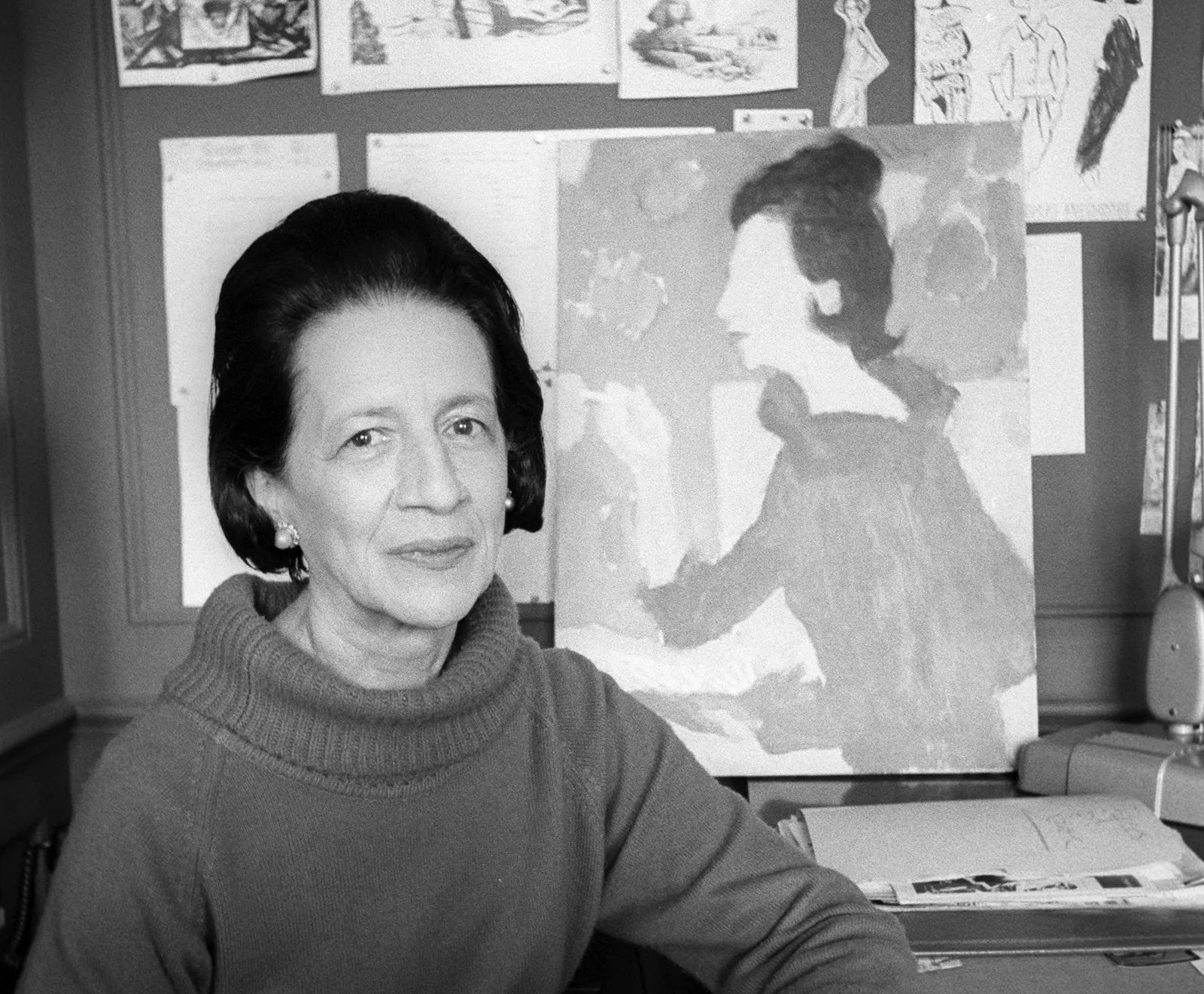
Diana Vreeland was an iconic figure in the realm of fashion journalism and curation who influenced the industry through her unparalleled creativity and bold vision. Born in 1903, Vreeland's illustrious career spanned several decades, during which she served as an influential editor for Harper's Bazaar and Vogue magazines. Renowned for her avant-garde approach to fashion, Vreeland challenged conventional norms and pushed boundaries, shaping the cultural landscape of her time. In 1973, she became a pivotal force behind the Met Gala, infusing the event with her trademark flair and transforming it into a glittering spectacle that celebrated the intersection of art and fashion. Vreeland's legacy as a trailblazer and tastemaker continues to inspire generations of designers, editors, and fashion enthusiasts, cementing her status as an enduring icon of style and creativity.
The Anna Wintour Era of The Met Gala
Anna Wintour Era:
The turning point for the Met Gala came in 1995 when Anna Wintour, editor-in-chief of Vogue, assumed the role of co-chair. With Wintour's influence, the gala underwent a transformation, evolving into a star-studded extravaganza that rivaled the Oscars in terms of glamour and prestige. Wintour's keen eye for fashion and her ability to attract A-list celebrities catapulted the gala to new heights of fame and fortune.
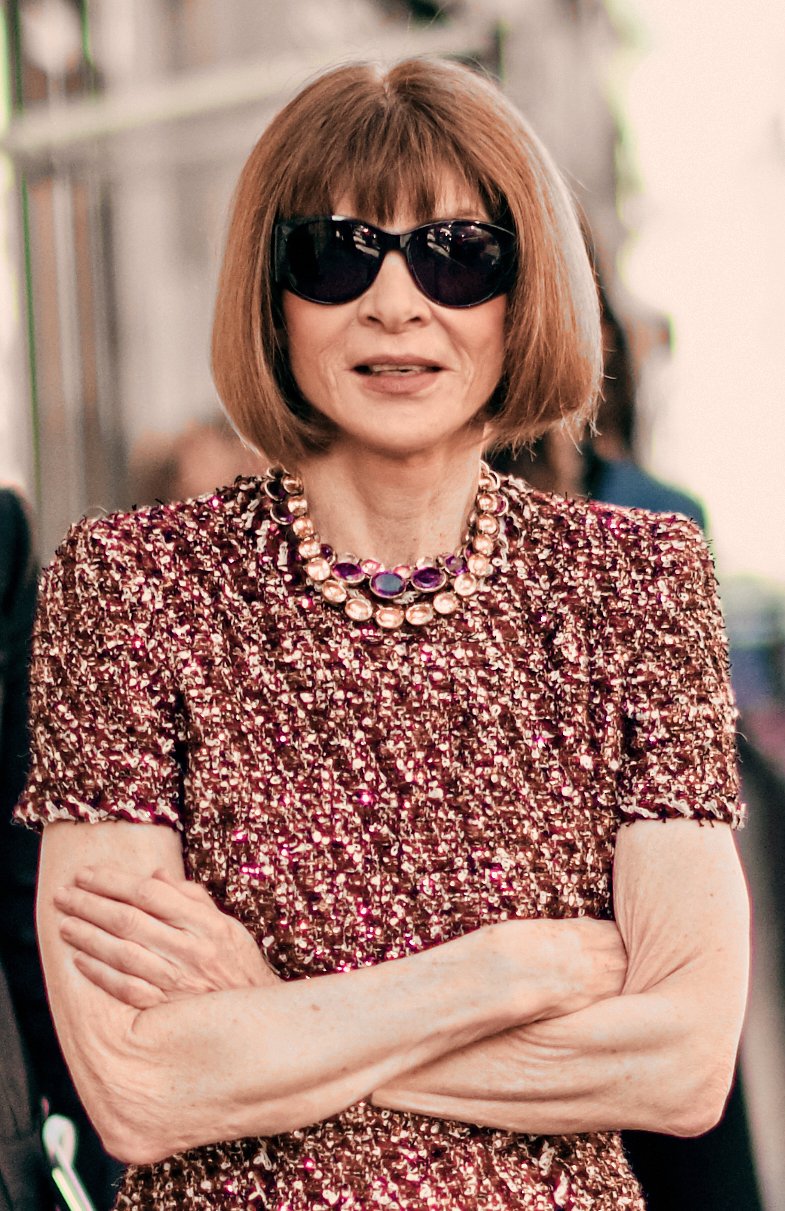
Born in 1949, Anna Wintour began her career in fashion journalism in the 1970s and quickly ascended to prominence, serving in key editorial roles at publications such as Harper's Bazaar and Vogue. In 1995, she assumed the role of editor-in-chief at Vogue, where she revolutionized the magazine with her sharp editorial direction and keen eye for emerging talent. Wintour's tenure at Vogue transformed the publication into a cultural powerhouse, setting trends and shaping the global fashion landscape. Beyond her editorial prowess, Wintour's influence extends to the realm of philanthropy, as evidenced by her instrumental role in shaping the Met Gala into the high-profile fundraising event it is today. With her signature bob haircut and dark sunglasses, Wintour has become an emblem of style and authority, inspiring generations of fashion enthusiasts and industry professionals alike.
Met Gala Themes and Exhibitions by Year - 2024
The Met Gala theme vs. the title of the Costume Institute exhibition
The Met Gala theme and the title of the Costume Institute exhibition at The Metropolitan Museum of Art are closely related but serve different purposes:
Met Gala Theme: The theme sets the tone for the Met Gala itself, guiding the dress code for attendees. Each year, the Met Gala has a specific theme, which is usually aligned with the exhibition. The theme is interpreted by designers, stylists, and celebrities to create their outfits for the event, often sparking conversations about fashion, culture, and art.
Costume Institute Exhibition Title: The exhibition title is the formal name of the show that is hosted by the Costume Institute at The Metropolitan Museum of Art. This exhibition opens after the Met Gala and showcases curated fashion pieces that align with the year’s theme. The title often gives a broader or more academic context for the subject matter explored in the exhibition.
In short, the Gala theme is a more public-facing, creative guideline for the night, while the exhibition title reflects the scholarly and historical perspective of the curated pieces on display. Both usually connect to the same overarching concept but are expressed in different formats.
Met Gala Themes and Exhibitions by Year:
One of the hallmarks of the Met Gala is its annual theme, which sets the tone for the evening's festivities and inspires attendees to embrace creativity and innovation in their attire. Each year, the gala coincides with the opening of the Costume Institute's latest exhibition, providing a thematic backdrop for the event. Past themes have ranged from "Heavenly Bodies: Fashion and the Catholic Imagination" to "Camp: Notes on Fashion," with each exhibition exploring different facets of fashion history and culture.
1971 - Fashion Plate: Selections from the Costume Institute
1972 - Untitled
1973 - The World of Balenciaga
1974 - Romantic and Glamorous Hollywood Design
1975 - American Women of Style
1976 - The Glory of Russian Costume
1977 - Vanity Fair: A Treasure Trove
1978 - Diaghilev: Costumes and Designs of the Ballets Russes
1979 - Fashions of the Habsburg Era: Austria-Hungary
1980 - The Manchu Dragon: Costumes of China, the Chi'ng Dynasty
1981 - Yves Saint Laurent: 25 Years of Design
1982 - Le Belle Époque
1983 - Costumes of Royal India
1984 - Man and the Horse
1985 - Costumes of Royal India
1986 - Dance
1987 - The Age of Napoleon: Costume from Revolution to Empire, 1789-1815
1988 - From Queen to Empress: Victorian Dress 1837-1877
1989 - The Age of Napoleon: Costume from Revolution to Empire, 1789-1815
1990 - Théâtre de la Mode: Fashion Dolls: The Survival of Haute Couture
1991 - Nineteenth-Century Costume from the Kyoto Costume Institute
1992 - Fashion and History: A Dialogue
1993 - Diana Vreeland: Immoderate Style
1994 - Orientalism: Visions of the East in Western Dress
1995 - Haute Couture
1996 - Christian Dior
1997 - Gianni Versace
1998 - Cubism and Fashion
1999 - Rock Style
2001 - Jacqueline Kennedy: The White House Years
2003 - Goddess: The Classical Mode
2004 - Dangerous Liaisons: Fashion and Furniture in the 18th Century
2005 - The House of Chanel
2006 - AngloMania: Tradition and Transgression in British Fashion
2007 - Poiret: King of Fashion
2008 - Superheroes: Fashion and Fantasy
2009 - Model as Muse: Embodying Fashion
2010 - American Woman: Fashioning a National Identity
2011 - Alexander McQueen: Savage Beauty
2012 - Schiaparelli and Prada: Impossible Conversations
2013 - Punk: Chaos to Couture
2014 - Charles James: Beyond Fashion
2016 - Manus x Machina: Fashion in an Age of Technology
2017 - Rei Kawakubo/Comme des Garçons: Art of the In-Between
2018 - Heavenly Bodies: Fashion and the Catholic Imagination
2019 - Camp: Notes on Fashion
2020 - About Time: Fashion and Duration
2021 - In America: A Lexicon of Fashion (Part I)
2022 - In America: An Anthology of Fashion (Part II)
2023 - Karl Lagerfeld: A Line of Beauty
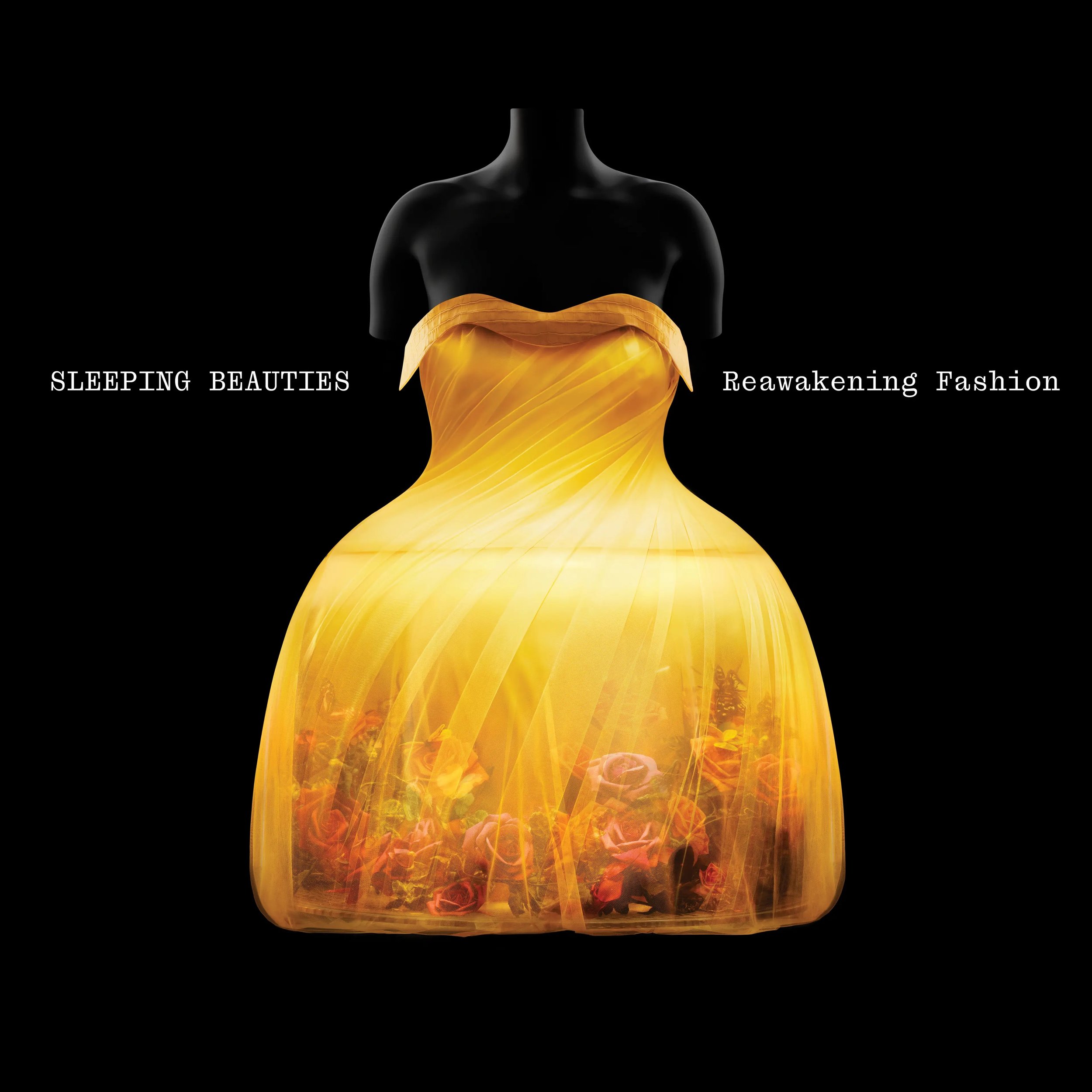
2024 - Sleeping Beauties: Reawakening Fashion
2025 - Superfine: Tailoring Black Style
2026 - Costume Art
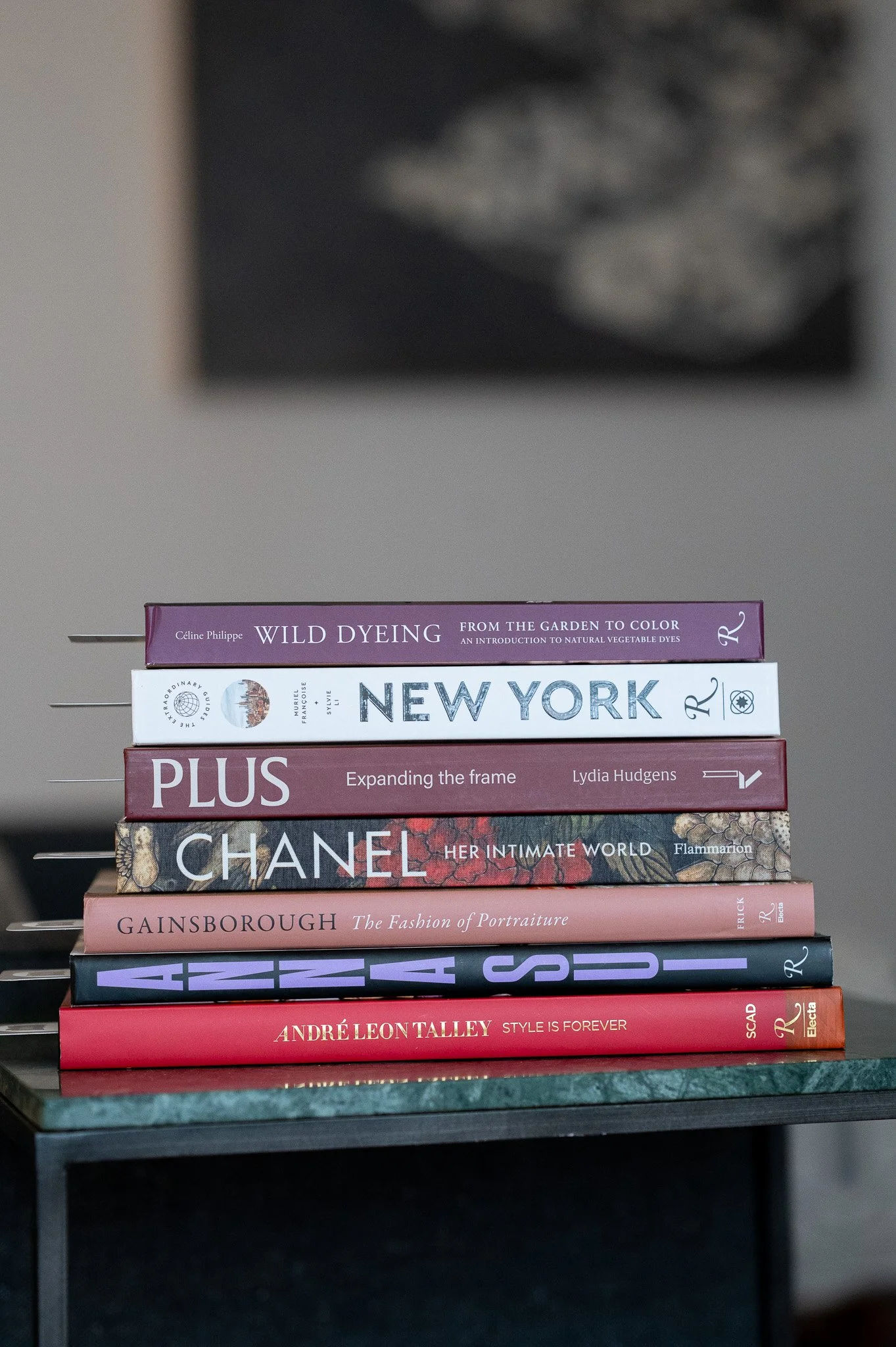
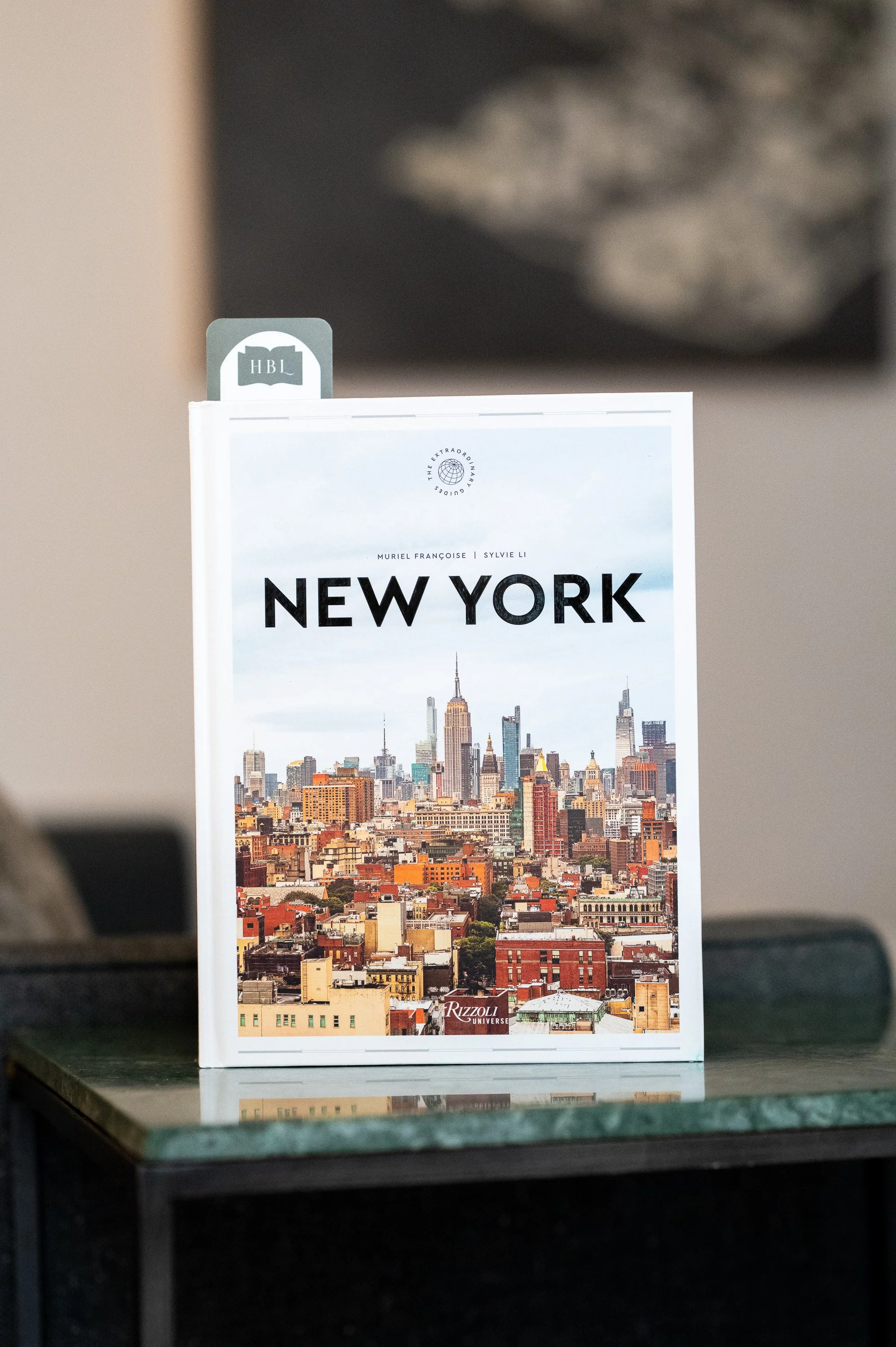
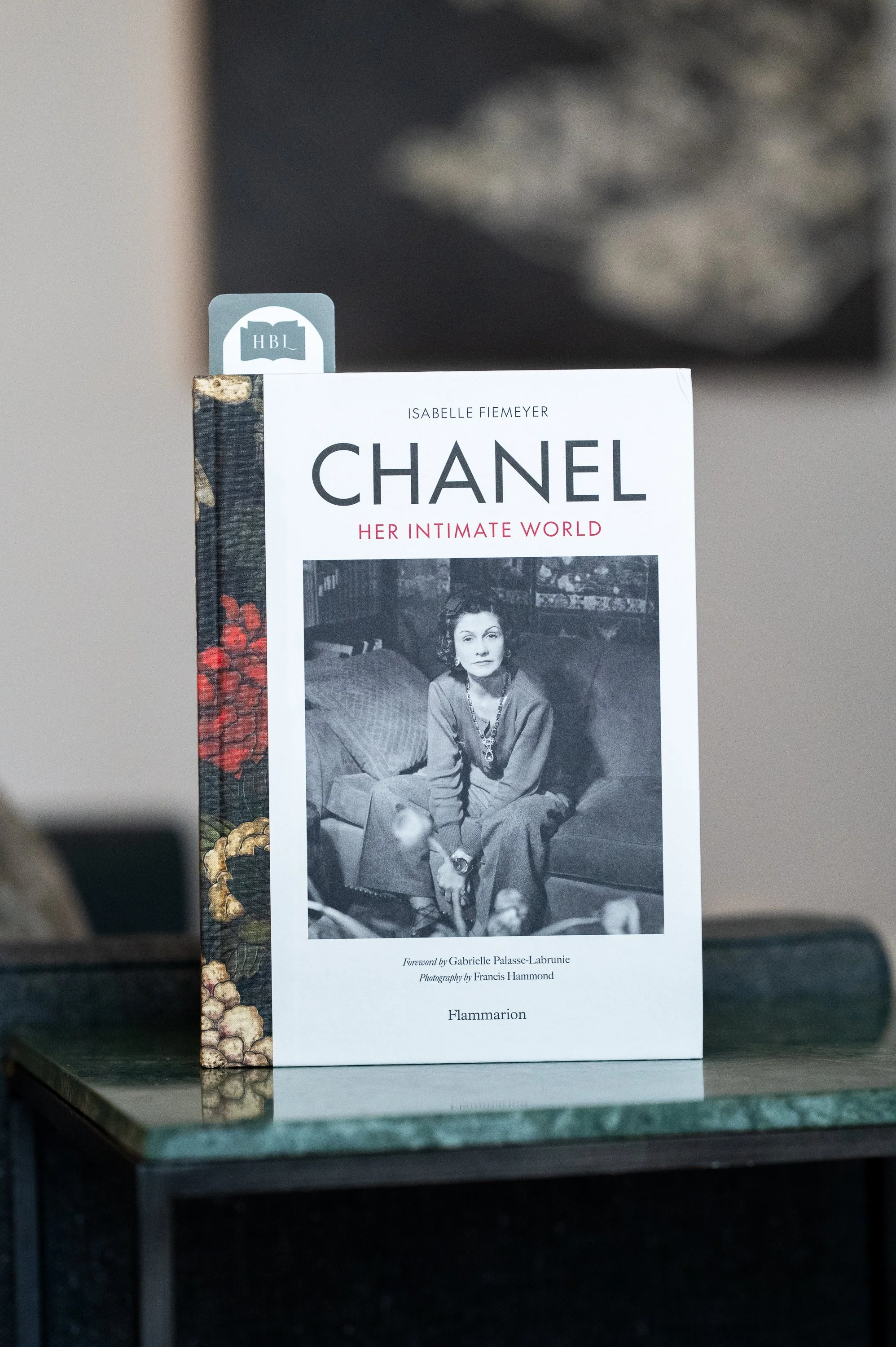
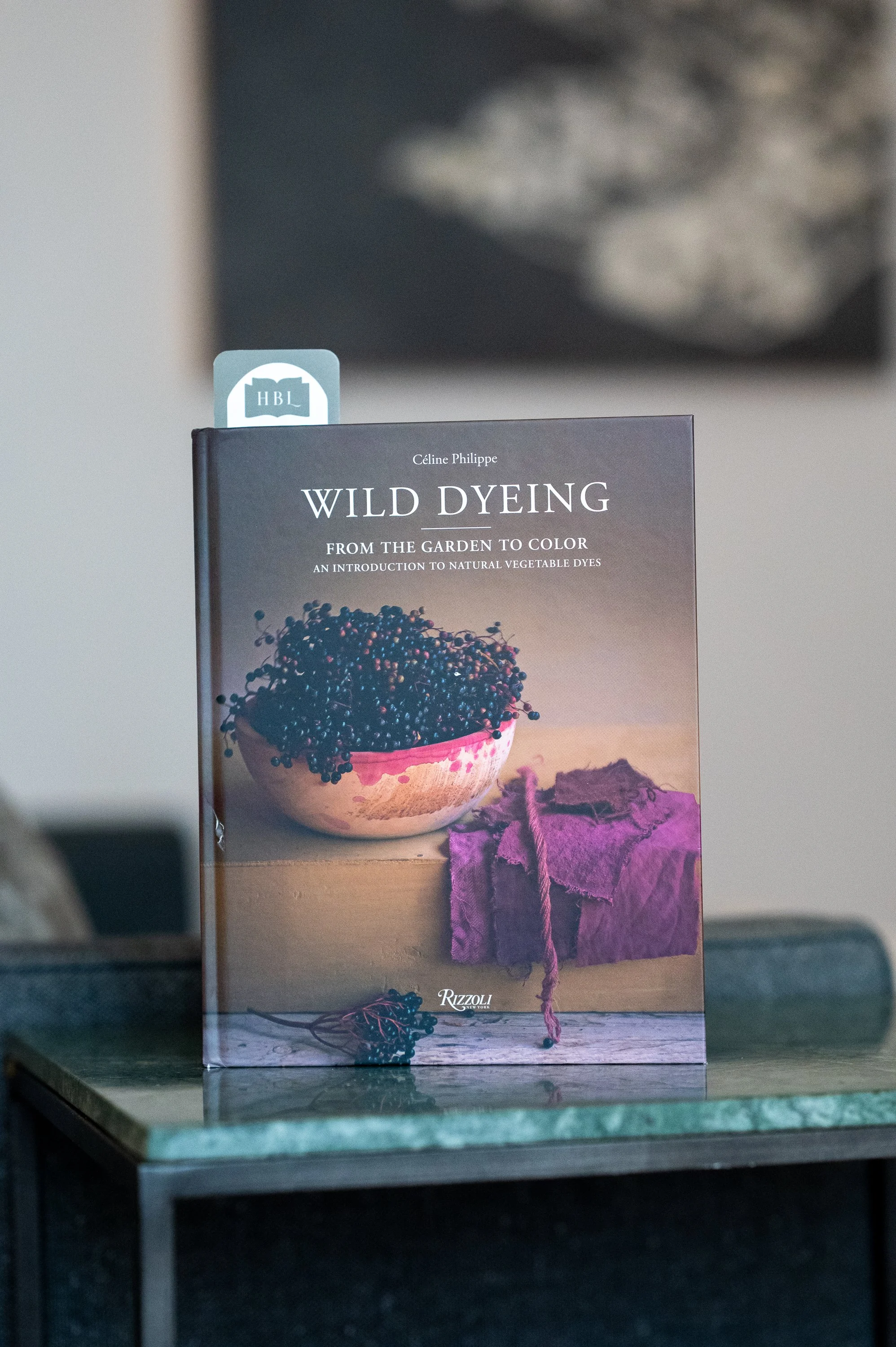
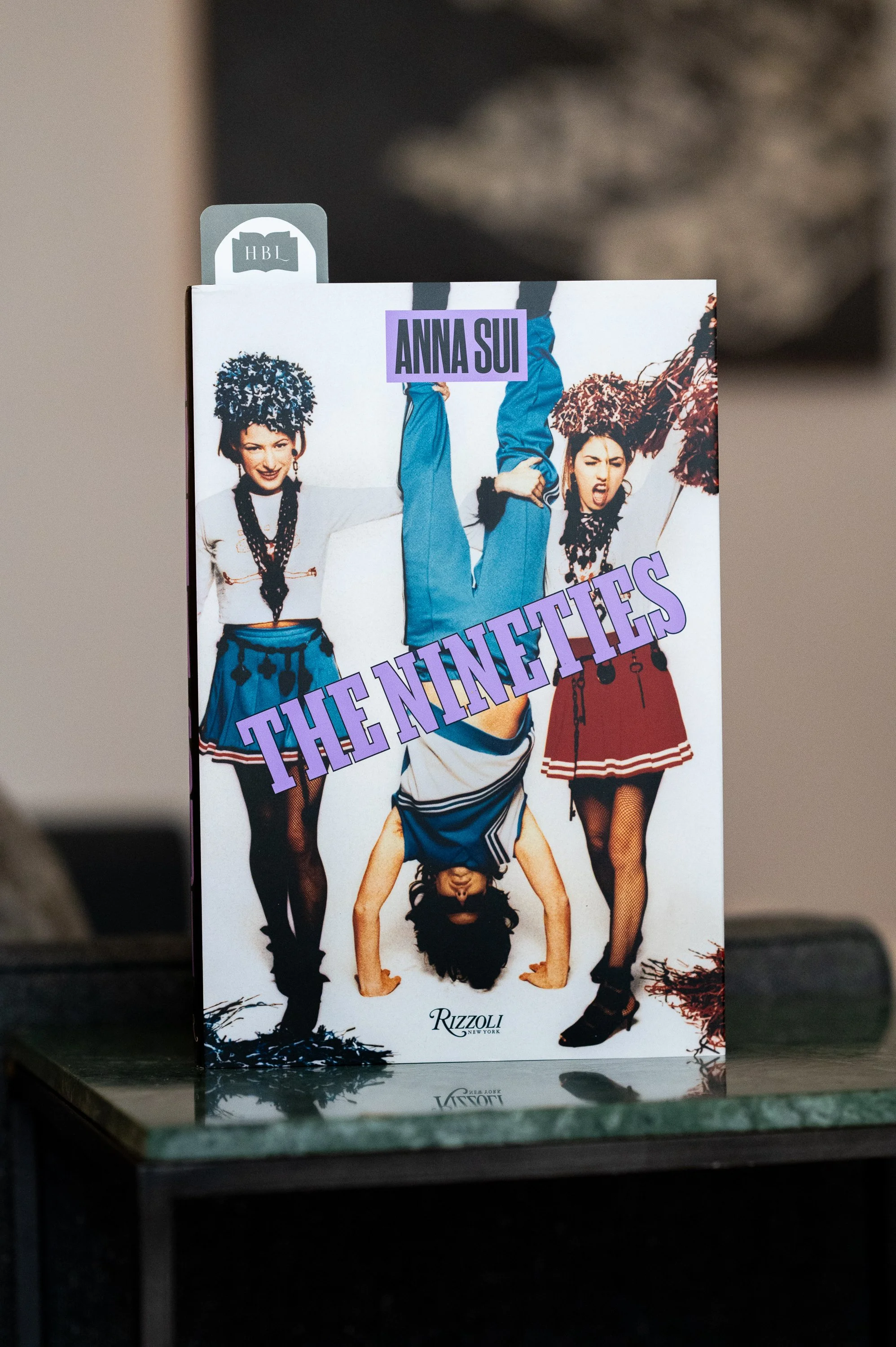
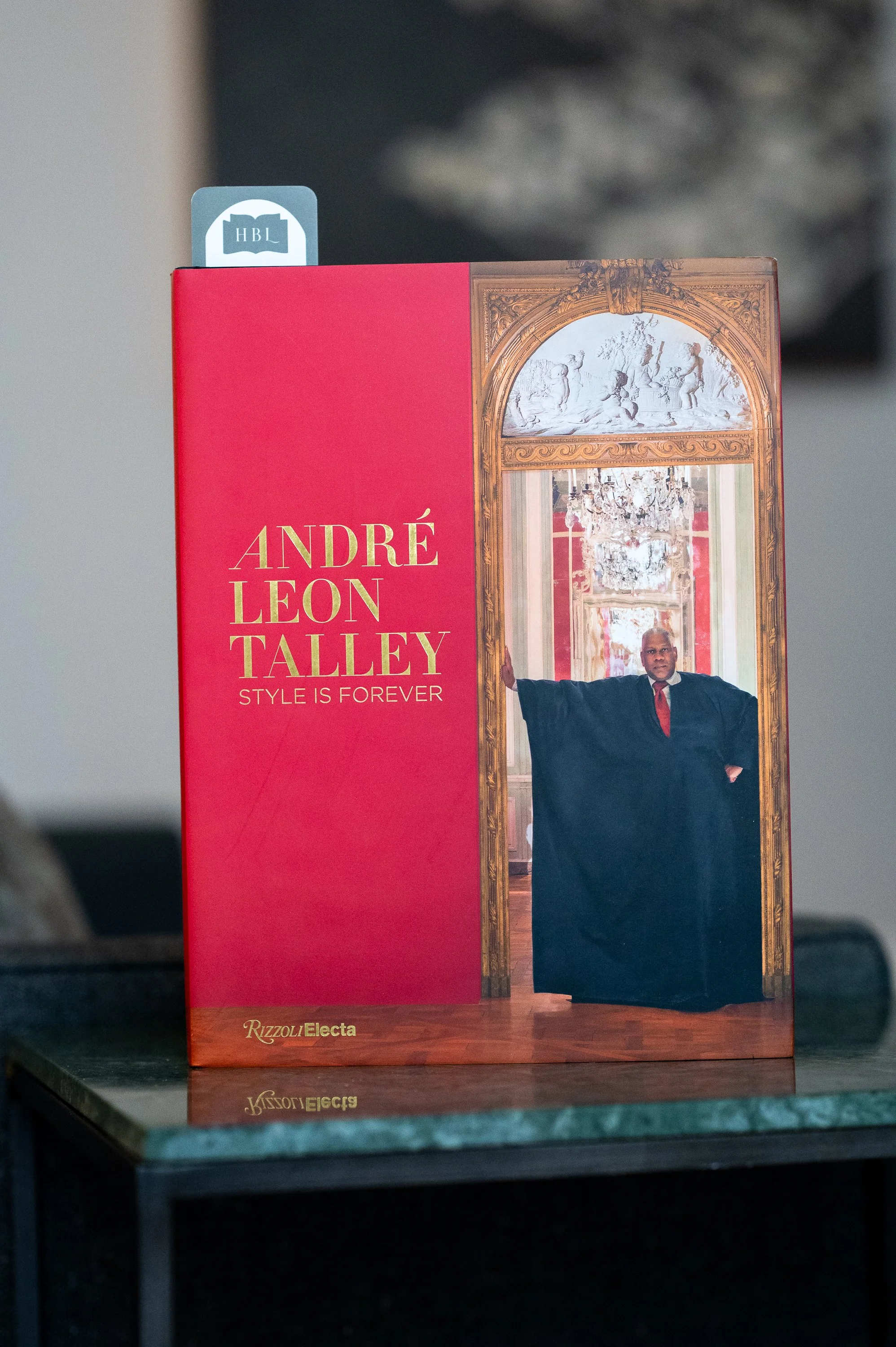
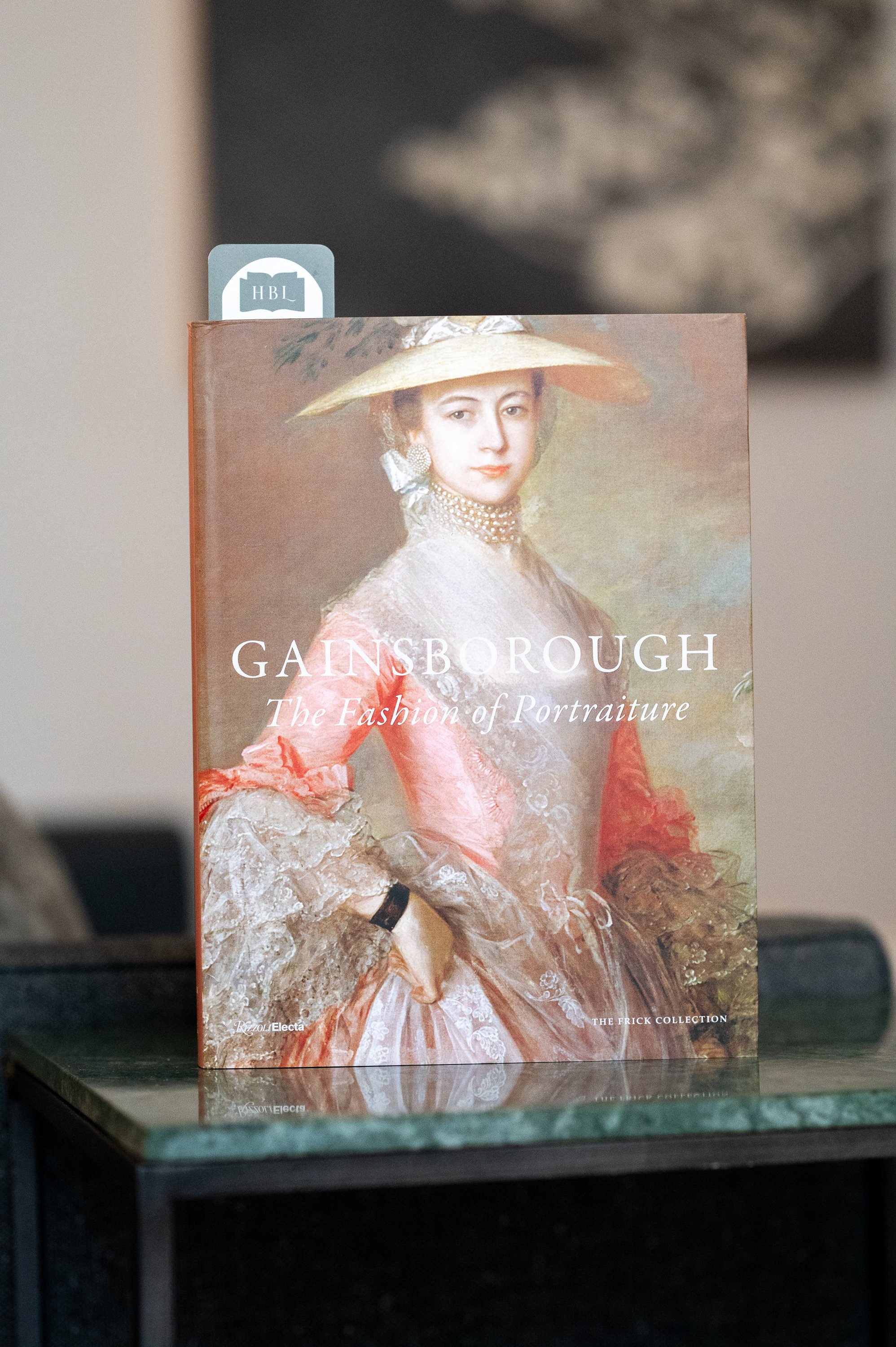
As much as the Met Gala has become synonymous with spectacle — sweeping trains, architectural headpieces, and red carpet reveals dissected in real time — its influence doesn’t begin and end with one glamorous evening on the steps of the museum. The Met Gala is part of a much larger cultural conversation, one that sits at the intersection of fashion, art, history, and identity. That’s exactly what this curated stack of fashion books from Rizzoli captures: the deeper context behind the gowns we analyze, the designers and tastemakers who shaped the industry, and the creative forces that continue to redefine what fashion means within a museum setting.
In The Nineties X Anna Sui, the downtown spirit of ’90s design — from hippie romanticism to grunge rebellion — reflects the kind of cultural shifts that often resurface on the Met steps, where nostalgia and reinterpretation collide. Chanel: Her Intimate World offers a richly researched look into Coco Chanel’s legacy, reminding us that many of the silhouettes and codes we see referenced at the Gala are rooted in the foundations laid by early twentieth-century visionaries. Meanwhile, Gainsborough: The Fashion of Portraiture blurs the line between art and adornment, underscoring the very premise of the Met Gala itself: clothing as portraiture, as performance, as visual art meant to endure.
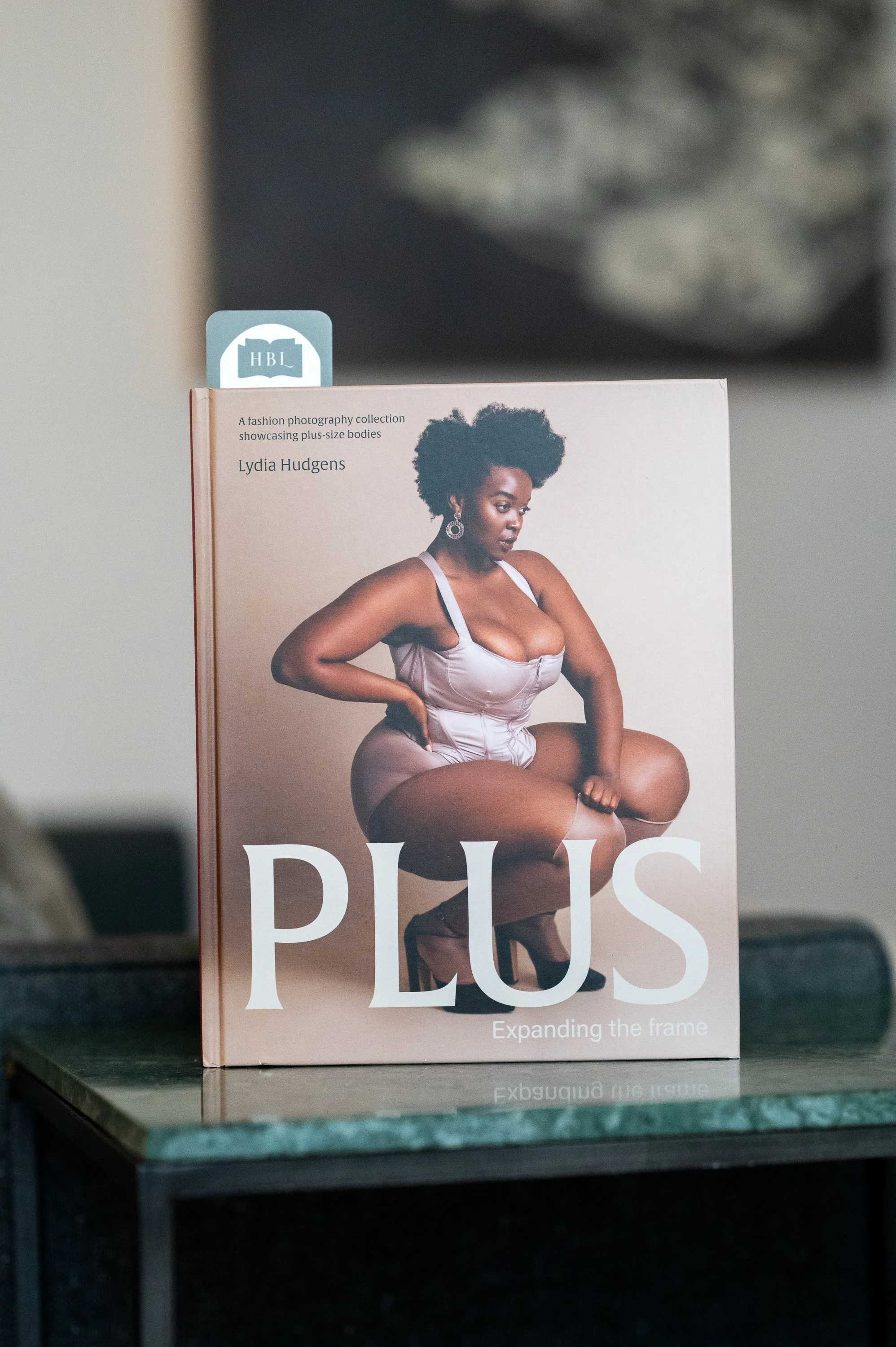
Books like Lydia Hudgens’s debut photo collection, featuring only plus-sized models, and the visual celebration of André Leon Talley’s life and style reinforce that the Met Gala is also about who gets centered in fashion history. Inclusion, storytelling, and perspective matter just as much as craftsmanship. Wild Dyeing brings sustainability and process into the conversation — a reminder that artistry begins long before a garment reaches a red carpet — and New York: The Extraordinary Guide grounds it all in the city that hosts fashion’s most theatrical night.
All of this feels especially resonant as we look ahead to the 2026 Met Gala. With this year’s dress code inviting attendees to treat fashion as art, the red carpet becomes more than a showcase of celebrity — it becomes a living exhibition. And in many ways, these books prepare us to see it that way: not simply as a parade of gowns, but as a curated dialogue between history and modernity, museum and movement, spectacle and scholarship.
2026 Met Gala Theme: Costume Art
The 2026 Met Gala will celebrate Costume Art, the landmark exhibition inaugurating the Costume Institute’s new 12,000-square-foot Condé Nast Galleries, situated just off The Met’s Great Hall. This marks the first time fashion will be displayed not in the museum’s lower levels, but at its very heart—a symbolic and transformative shift for the Costume Institute. As curator Andrew Bolton explains, moving fashion into such a central, high-visibility space signals a major reframing: fashion is not merely adjacent to art—it is art.
To honor this historic moment, Bolton has conceived an exhibition that places the dressed body at the center of the museum’s vast 5,000-year art collection. Costume Art pairs garments from the Costume Institute’s holdings—both historical and contemporary—with paintings, sculptures, illustrations, and objects from across The Met. The result is a sweeping visual dialogue that demonstrates the way the clothed body appears in every corner of art history. As Bolton notes, “Even the nude is never naked—it’s always inscribed with cultural values and ideas.”
The exhibition is organized around thematic “body types,” grouped into categories such as the classical body, the nude body, the anatomical body, the aging body, and the pregnant body, among others. These categories highlight how fashion has long shaped cultural ideas about beauty, identity, and corporeality. Historical garments—from Fortuny’s famed “Delphos” gowns to Charles James’s architectural silhouettes—appear alongside works by contemporary designers like Rei Kawakubo, Renata Buzzo, and Walter Van Beirendonck. Many pieces are displayed on six-foot pedestals with art embedded directly into the plinths, ensuring that viewers encounter the fashion first. Sculptural mirrored mannequin heads by artist Samar Hejazi further pull the viewer into the experience, reflecting each visitor’s own body within the exhibition.
Costume Art is Bolton’s most explicit argument yet that fashion belongs on equal footing with artworks traditionally granted higher cultural status. By abandoning the subtitle—a first in Bolton’s tenure—the title itself becomes a bold declaration: fashion is not decorative, secondary, or supplemental. It is creative, conceptual, embodied, and worthy of the museum’s central stage.
Made possible by Jeff and Lauren Sánchez Bezos, with additional support from Saint Laurent and Condé Nast, Costume Art will run from May 10, 2026, through January 10, 2027, following the Met Gala on May 4, 2026. This groundbreaking exhibition is poised to spark one of the most exciting conversations yet about the future of fashion within the world of art.
Potential Fashion Influences & Designers for the 2026 Met Gala Theme: Costume Art
Because Costume Art places the dressed body at the center of 5,000 years of art history, the 2026 Met Gala invites designers and celebrities to draw inspiration from classical sculpture, anatomical illustration, avant-garde experimentation, and iconic fashion craftsmanship. Below is a list of likely influences and designers based on the specific images and references in the exhibition announcement.
Historical Influences Highlighted in the Exhibition
1. Mariano Fortuny (Delphos Gown, 1920s)
Known for his pleated silk gowns inspired by ancient Greek dress.
Expect references to classical drapery, rich jewel-toned silks, and the fluidity of the human form.
2. Ancient Greek Sculpture (Nike Statuette, 5th c. BCE)
The exhibition explicitly pairs Fortuny’s gown with classical sculpture.
Potential influence: sculptural pleats, wing motifs, columnar draping, and marble-like color palettes.
3. Charles James (Bustle, 1947)
America's most architecturally minded couturier.
Likely to inspire sculpted silhouettes, panniers, bustles, and engineered ballgowns.
4. Victorian and Belle Époque Dress (1870s Evening Dress)
High drama: corsetry, bustles, long trains, lace, and decadent embellishment.
5. Anatomical Illustration (Bidloo’s Ontleding des menschelyken lichaems, 1728)
A literal link to fashion’s relationship with the body.
Potential influence: corset-like structures, exposed boning, body prints, skeleton motifs, or garments mapping anatomy.
6. Photography of the Body (Harry Callahan’s Eleanor, 1949)
The intimate gaze on the pregnant body suggests looks exploring sensuality, vulnerability, transparency, or bodily transformation.
7. Symbolist/Surrealist Sculpture (Hans Bellmer’s La Poupée, 1936)
Expect surreal references: disjointed limbs, doll-like silhouettes, optical disorientation, or subversive cutouts.
8. Classical & Renaissance Portraiture
Because the exhibit pairs clothing with portraiture, expect ruff collars, sculptural sleeves, jewel tones, and painterly styling.
Contemporary Designers Featured in the Exhibition
1. Rei Kawakubo (Comme des Garçons, 2017–2018)
Avant-garde silhouettes, abstracted bodies, sculptural padding.
Likely to inspire extreme shapes & experimental forms.
2. Walter Van Beirendonck (Spring/Summer 2009)
Known for surrealism, bold color blocking, and conceptual menswear.
Perfect for this theme’s playful, body-centric energy.
3. Renata Buzzo (Corset Anatomia, Spring/Summer 2025)
Anatomical references, trapunto quilting, stitched musculature.
Likely influence: body-as-map designs.
4. Georgina Godley (Pregnancy Dress, 1986–87)
Proportional exaggeration & sculptural commentary on maternity.
Potential influence: bump reveals, balloon silhouettes, cocoon shapes.
5. Riccardo Tisci for Givenchy (2010–11 Haute Couture)
Gothic romanticism, sharp tailoring, sculpted pleats.
Potential influence: religious iconography, dark glamour, cathedral motifs.
Other Designers Likely to Be Referenced
1. Issey Miyake
For his body-conscious pleating and sculptural form echoing Fortuny.
2. Iris van Herpen
For anatomical, skeletal, and organic references directly aligned with the exhibition’s categories.
3. Thierry Mugler
Architect of the body—corseted waists, molded busts, anatomical futurism.
4. Alexander McQueen
Known for theatricality and body-centric storytelling; a natural fit for this theme.
5. Alaïa
Master of the sculpted bodycon silhouette, aligning with the Classical Body category.
6. Balenciaga (Cristóbal)
For sculptural silhouettes and architectural couture, reflected in the exhibition’s tone.
7. Jean Paul Gaultier
Iconic for corsetry, body armor, and Madonna’s cone bra—perfect for the “anatomical body.”
8. Schiaparelli (Daniel Roseberry)
Modern surrealism, anatomical jewelry, and sculptural opera coats.
Themes That Will Likely Influence Celebrity Looks
Because of the exhibition’s categorization of bodies, expect:
The Classical Body: Fortuny pleats, Greek chiton references, goddess draping.
The Nude Body: Sheer illusion gowns, body sculpture, “second skin” couture.
The Anatomical Body: Visible corsetry, bones, muscles, exoskeleton structures.
The Pregnant Body: Celebratory maternity silhouettes, sculptural bumps.
The Aging Body: Garments referencing patina, texture, decay, or repair.
The Abstract Body: Avant-garde distortions or surreal silhouettes.
Impact and Legacy of The Met Gala:
Beyond its glitz and glamour, the Met Gala has made a lasting impact on the worlds of fashion and philanthropy. Over the years, the event has raised millions of dollars in support of the Costume Institute's initiatives, including acquisitions, conservation efforts, and educational programs. Moreover, the gala has become a platform for raising awareness about important social and cultural issues, with attendees using their influence to advocate for causes close to their hearts.
Looking Ahead:
As we reflect on the storied history of the Met Gala, one thing is certain: its legacy will continue to shine brightly for years to come. With each passing year, the gala reaffirms its status as a beacon of creativity, innovation, and philanthropy, inspiring future generations to embrace the transformative power of fashion and art. So here's to the Met Gala – may it continue to dazzle and delight audiences for generations to come.
Join us next year as we celebrate yet another unforgettable evening of style, spectacle, and philanthropy at the Met Gala.