
Hosting a Whisky Tasting Night for Friends: A Guide to Making It Memorable Without the Fuss

A whisky tasting evening is one of the most enjoyable ways to bring a group of friends together, a structured excuse to slow down, pay attention to what you are drinking, and have a conversation that goes somewhere more interesting than usual. The format is flexible enough to work for a small group of close friends in a kitchen or a larger gathering in a proper venue, and the barrier to entry is lower than most people assume. Starting with an accessible and versatile expression like those from Loch Lomond Whiskies, particularly a single grain that appeals to both seasoned drinkers and first-timers, is one of the best ways to ensure that everyone at the table finds something they enjoy rather than half the group spending the evening politely enduring a dram that does not appeal to them.
What You Actually Need to Host a Tasting
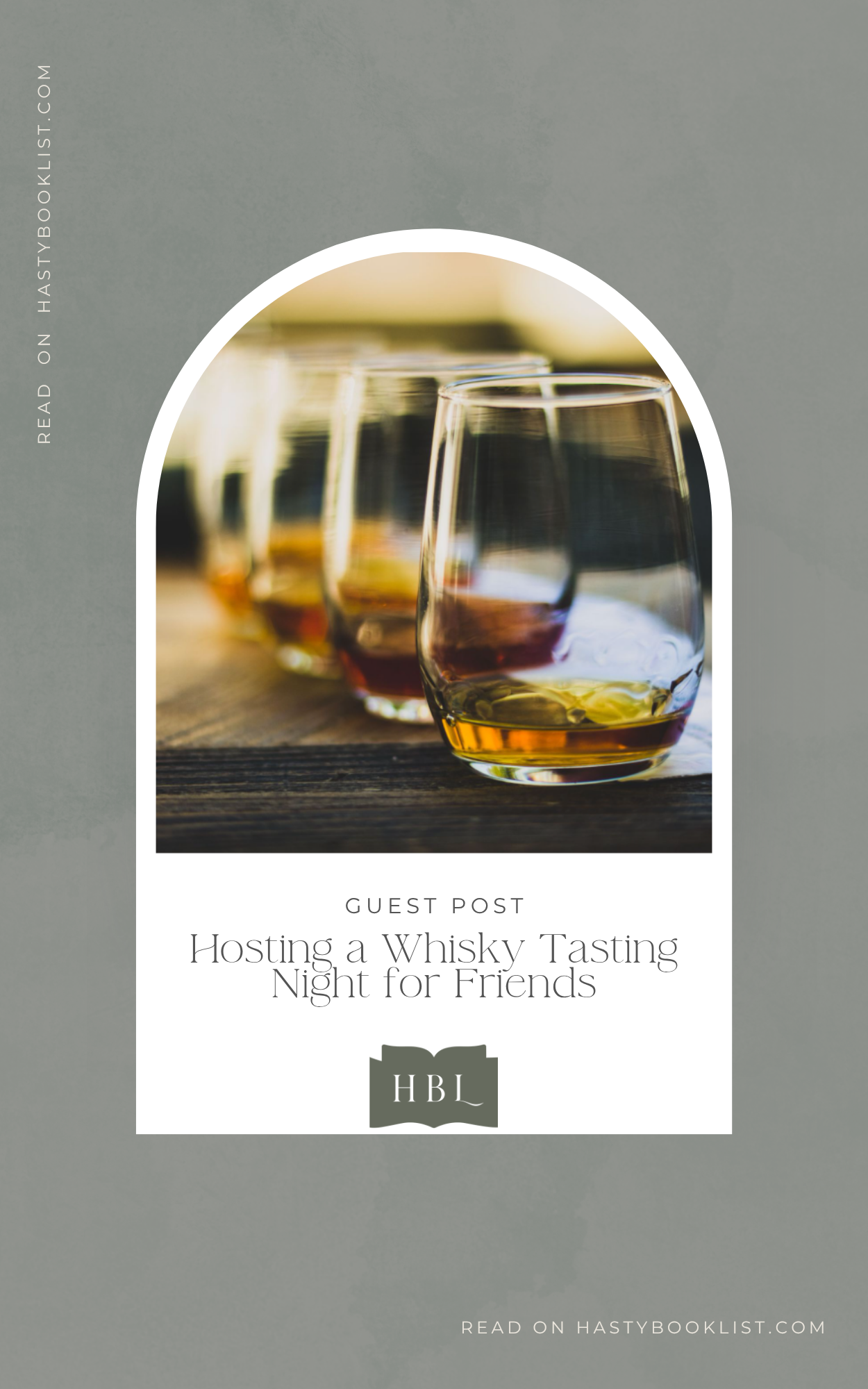
The equipment required for a home whisky tasting is minimal. A set of tulip-shaped nosing glasses helps concentrate the aromas and gives the experience a sense of occasion, but decent wine glasses work perfectly well as a substitute. A water jug is essential; adding a small amount of water to a whisky opens up the flavours and aromas in ways that can genuinely surprise even regular drinkers, and having water available invites people to experiment rather than drinking the whisky straight. Tasting cards, either printed or handwritten, give guests a place to record their impressions and encourage the kind of slow, attentive engagement that makes a tasting evening different from simply sharing a drink.
Building a Selection That Works for Mixed Groups
The single most important decision in planning a whisky tasting evening is the selection of bottles, and the key consideration when building a list for a mixed group is range. Including at least one lighter, more accessible expression, a grain whisky or a gentle blended malt, ensures that less experienced guests have something they can enjoy rather than endure. Moving from lighter to more complex expressions over the course of the evening mirrors how a wine tasting is usually structured and gives the event a sense of progression that keeps the conversation flowing. Finishing with something rich and characterful, an aged single malt or a heavily sherried expression, provides a natural and satisfying conclusion to the experience.
Setting the Right Atmosphere
The physical setting of a whisky tasting evening contributes more than most hosts realise to the quality of the experience. Good lighting matters; guests should be able to see the colour of the whisky in the glass, which varies considerably between expressions and is one of the first things worth discussing when a new dram is poured. Background music that does not compete with conversation keeps the energy in the room warm without creating a distraction. Having a table with enough space for everyone to have their own glass for each expression, a water glass, and a tasting card means the practical side of the evening runs smoothly without anyone having to reach across each other or clear space between pours.
Running the Tasting Without Being Precious About It
One of the mistakes hosts sometimes make in a whisky tasting is taking the format too seriously, which can make guests feel they are being examined rather than entertained. The goal of a tasting evening among friends is enjoyment, and the structure should serve that goal rather than constrain it. Introducing each whisky with a few sentences about where it is from and what makes it interesting gives guests enough context without turning the event into a lecture. Encouraging people to share their impressions, however imprecisely expressed, and treating every observation as valid rather than correcting guests who describe flavours differently from the official tasting notes keeps the atmosphere relaxed and the conversation genuinely lively.
Food Pairings That Work
Whisky and food pairing is a more flexible territory than wine pairing, but some combinations reliably enhance both the whisky and the food. Good-quality dark chocolate pairs well with aged single malts, its bitterness complementing the sweetness and complexity of a sherried or bourbon-matured expression. Smoked salmon or other cured fish works particularly well with lighter grain whiskies and unpeated malts. A selection of good Scottish cheeses provides a neutral base between pours, cleansing the palate without competing with the whisky. Keeping the food element simple is usually better than trying to produce an elaborate menu alongside a multi-expression tasting.
Turning the Evening Into a Regular Occasion
A whisky tasting evening that goes well has a natural tendency to become a recurring fixture, and it is worth thinking about how to build on the first event to create a tradition that a group of friends returns to regularly. Rotating hosting responsibility among group members, with each host choosing the selection for their evening, creates variety and investment that keep the format fresh over time. Keeping a shared record of expressions tried and enjoyed, a simple note in a shared document or even a physical notebook, gives the group a collective memory that grows with each gathering and makes each successive evening feel connected to the ones that came before it.