How to Get Your Book in a Book Store
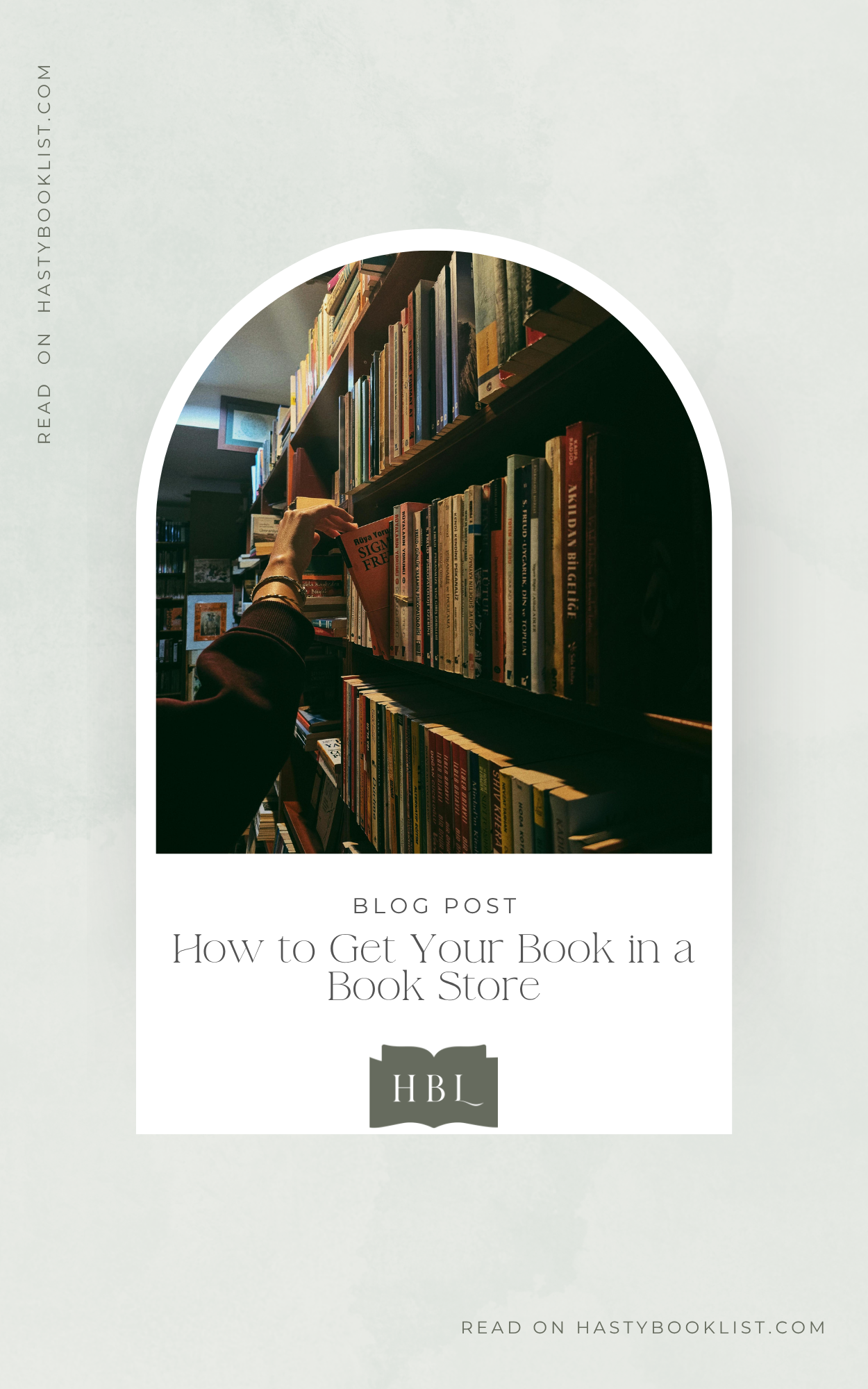
For many writers, seeing their book displayed on the shelves of a bookstore is one of the most exciting milestones of becoming a published author. The good news is that it is absolutely possible to get your published book into bookstores, but it doesn't happen by accident. It takes preparation, persistence, professionalism, and genuine relationship building.
As someone who is deeply involved in the book community, I've had the opportunity to work alongside authors, independent booksellers, publishers, publicists, and literary organizations through Hasty Book List and The Chicago Literary Salon. I've watched authors successfully introduce their books to new readers through bookstore events, local partnerships, and thoughtful outreach. One thing I've learned is that bookstores want authors to succeed—but they also have to make smart business decisions about every title they bring onto their shelves.
Whether you're traditionally published or one of the many talented indie authors bringing your own work into the world, understanding how bookstores operate can dramatically improve your chances of success. Here's exactly how to get your book into a bookstore.
How to Get Your Book in a Book Store
Getting your book into bookstores is a multi-step process that begins long before you send your first email to a bookseller. You'll need to ensure your book meets industry standards, understand how bookstores make purchasing decisions, prepare professional marketing materials, and continue supporting your book after it reaches the shelves.
The path looks a little different depending on whether you're working with a traditional publisher or self-publishing. Traditionally published authors often have publisher sales teams presenting books to retailers months before publication, while indie authors typically handle much of the outreach themselves. Neither path is necessarily easier—both require patience, consistent effort, and a willingness to build lasting relationships.
Below are the most important steps to follow.
Step 1: Make Sure Your Book Is Ready for Bookstore Shelves
Before approaching any bookstore, make sure your book looks and feels like something readers would expect to find sitting beside traditionally published titles.
Bookstores expect professional editing, high-quality cover design, interior formatting, and a polished final product. A great story alone isn't enough if the presentation suggests the book wasn't professionally produced.
You'll also want to make sure your book has:
A registered ISBN
A barcode on the back cover
Competitive pricing for your genre
Wholesale availability through distributors such as Ingram
A returnable status whenever possible
Returnability is particularly important because many indie bookstores are hesitant to take financial risks on books they cannot return if they don't sell.
Spend time comparing your book to successful books in your genre. Ask yourself honestly whether it looks like it belongs on the same shelf. If not, investing in professional production before pitching bookstores will significantly improve your chances.
Step 2: Understand How Indie Bookstores Choose Books
Every bookstore has limited shelf space, so every title must earn its place.
Many indie bookstores carefully curate their inventory rather than trying to stock everything. They're thinking about what their customers enjoy, what sells well in their community, and which books reflect the personality of their store.
Some factors bookstores often consider include:
Local authors or regional interest
Customer requests
Sales history
Professional presentation
Media attention
Reviews
Upcoming events
Existing relationships with authors
If you're unfamiliar with how independent bookstores operate, I recommend reading my guide on what is an indie bookstore. Understanding their mission and business model will help you create a stronger, more thoughtful pitch.
It's also worth spending time visiting bookstores in your area. If you're looking for inspiration, here are some wonderful chicago bookstores that demonstrate the incredible variety and personality independent booksellers bring to their communities.
Step 3: Build Relationships Before You Pitch
One of the biggest mistakes new authors make is contacting bookstores only when they want something.
Instead, become part of your local literary community first:
Attend author events.
Buy books.
Recommend the store to friends.
Share their events on social media.
Introduce yourself to booksellers.
Support local reading communities.
When bookstore owners recognize your name before you send your pitch, you're no longer just another email in their inbox. You're someone who already values what they do.
Relationship building isn't about networking for personal gain—it's about becoming an authentic member of your local book community.
Many bookstore partnerships begin months or even years before a book is published.
Step 4: Create a Professional Bookstore Pitch
When you're finally ready to contact bookstores, make the process as easy as possible for them.
Your pitch should be concise, professional, and informative.
Include materials such as:
A one-page sell sheet
A short author bio
Book description
Publication date
ISBN
Retail price
Wholesale ordering information
Distributor information
Comparable titles
Marketing and publicity plans
Contact information
Links to your website and social media
If you've already scheduled interviews, podcast appearances, newsletter features, or local media coverage, mention those as well.
Bookstores want confidence that you'll actively help readers discover your book rather than expecting the store to do all the marketing. Personalize each email instead of sending a generic message to dozens of stores. Mention why you think your book would fit their audience specifically.
Step 5: Use Social Media to Support Your Book Launch
Today's booksellers often look beyond the book itself. They're also paying attention to whether readers are already talking about it.
An active social media presence demonstrates that you're engaged with your audience and willing to help generate excitement around your book.
Share behind-the-scenes updates throughout your publishing journey.
Celebrate positive reviews.
Post photos from bookstore visits.
Highlight reader testimonials.
Share event announcements.
Feature local bookstore displays.
Tag bookstores whenever appropriate and encourage your followers to shop there.
This creates a partnership rather than a one-sided promotional effort.
Remember that bookstores appreciate authors who continue bringing customers through their doors long after launch week has passed.
How To Promote Your Book After It Lands in Stores
Getting your published book into bookstores is a huge accomplishment—but it's only the beginning. Continued promotion helps books sell, strengthens your relationships with booksellers, and increases the likelihood that stores will carry your future titles.
Share on social media that your book is available in stores
Take photos whenever you see your book on bookstore shelves and share them across your social media platforms. Tag the bookstore, thank them publicly, and encourage readers to stop by. This not only celebrates the milestone but also drives customers directly to the store.
Host a book signing or author event
Events give readers a reason to visit the bookstore while creating memorable experiences around your book. Whether it's a traditional signing, a conversation with another author, a panel discussion, or a themed launch party, events often generate additional sales while helping booksellers introduce your work to new customers.
Encourage readers to shop at local bookstores
Whenever possible, direct readers toward indie bookstores rather than only online retailers. Independent bookstores play an essential role in supporting authors, hosting literary events, and building reading communities. Readers often appreciate knowing exactly where they can purchase signed copies or support local businesses.
Thank bookstores and share their posts online
Gratitude goes a long way.
If a bookstore stocks your book, hosts an event, or recommends your title to customers, thank them publicly. Share their posts, celebrate their work, and acknowledge the partnership. Genuine appreciation helps strengthen long-term relationships.
Stay in touch with booksellers and support future events
Don't disappear after launch week.
Continue attending bookstore events, purchasing books, and engaging with booksellers throughout the year. The strongest author-bookstore relationships are ongoing, not transactional.
Booksellers remember authors who consistently support their stores, and those relationships can make future book launches much smoother.
Final Thoughts
Learning how to get your book in a book store takes time, but it is one of the most rewarding parts of the publishing journey. Whether you're a traditionally published author or one of the many talented indie authors building your career independently, success comes from presenting a professional product, understanding how bookstores operate, and investing in authentic relationships with booksellers.
Your goal shouldn't simply be to place your book on a shelf—it should be to become an author that bookstores are excited to work with again and again. When you approach the process with professionalism, generosity, and a willingness to support the literary community, you'll put yourself in the best possible position to see your book find its place in bookstores for years to come.