


How To Start A Book Club
Starting a book club is one of the best ways to turn reading into a more social, engaging, and consistent habit. While reading alone can already feel immersive and meaningful, discussing stories with other people often adds entirely new layers to the experience. A successful book club creates space for meaningful conversations, shared perspectives, and stronger community connections through reading. It gives readers a reason to slow down, reflect, and connect with others through stories and ideas.
At the same time, one of the biggest challenges with starting a book club is keeping people consistently engaged after the excitement of the first meeting wears off. Many groups begin with great intentions but struggle once schedules become busy, people fall behind on reading, or meetings start feeling too rigid. The strongest groups usually are not the ones with the strictest structure. Instead, they are the ones that create enjoyable experiences people genuinely look forward to attending.
Today, I’m sharing a guide on How To Start A Book Club using realistic expectations, flexible structure, and enjoyable conversations rather than pressure, perfection, or overly formal rules. Whether you want a casual social group, a thoughtful literary discussion circle, or something in between, the right structure can help your book club grow into a lasting tradition.
How To Start A Book Club
Starting a book club is about more than simply choosing books to read each month. The most successful book clubs create a sense of connection, consistency, and shared experience that keeps members excited to return for future discussions. Thoughtful book selections, realistic expectations, and enjoyable discussions can help even small reading groups grow into long-term communities centered around conversations, discoveries, and a shared love of books.
The best book clubs are not necessarily the most intellectual or the most organized. They are the ones where members feel comfortable sharing opinions, asking questions, and participating without pressure. When people enjoy the atmosphere, they are more likely to continue showing up, read the books regularly, and stay engaged over time.
What Is A Book Club
A book club is a group of people who read the same book and meet regularly to discuss themes, characters, opinions, interpretations, and reactions to the story. Some book clubs focus heavily on literary analysis and detailed discussion questions, while others are more casual and centered around friendship, snacks, and conversation.
There is no single correct way to structure a book club. Some groups focus on fiction while others prefer nonfiction, memoirs, thrillers, romance novels, fantasy, or classics. Some meet monthly in cozy living rooms while others gather virtually through video calls. Some members carefully annotate every chapter while others simply enjoy hearing different perspectives even if they did not fully finish the book.
The flexibility is part of what makes book clubs so appealing. They can evolve naturally based on the personalities and interests of the people involved.
Why Are Book Clubs Popular
Stronger Sense Of Community
Many people join a book club because they want connection. Reading can sometimes feel like a solitary hobby, but discussing books with others creates shared experiences and meaningful conversations. Over time, book clubs often become important social communities rather than simply reading groups.
Motivation To Read More Consistently
A scheduled meeting creates accountability. Knowing that others will gather to discuss the story encourages members to read the books more consistently and prioritize reading time during busy weeks.
Social Media Influence From BookTok And Online Reading Groups
Platforms like BookTok, Bookstagram, and online reading communities have made reading feel more social and interactive. Readers are constantly discovering new recommendations, participating in buddy reads, and engaging in conversations about trending titles.
Interest In Offline Hobbies And Slower Entertainment
Many people are actively searching for hobbies that feel slower, calmer, and less screen-focused. A book club offers an intentional break from constant scrolling while still providing entertainment and connection.
Opportunities For Deeper Conversations
Books naturally open the door to larger discussions about relationships, identity, ethics, ambition, family dynamics, grief, culture, and personal experience. Strong discussion questions can lead to conversations people might not otherwise have in everyday life.
Exposure To New Genres And Authors
Many readers naturally stay within familiar genres. A book club encourages members to branch out and discover authors or styles they may never have picked up on their own.
Flexible Virtual And In-Person Meeting Options
Modern book clubs can work in many formats. Some meet in coffee shops or homes, while others gather virtually through Zoom or group chats. This flexibility makes participation easier for people with different schedules and lifestyles.
How Does A Book Club Work
Members Choose A Book To Read Within A Set Timeframe
Most book clubs select one title and give members several weeks to read the books before meeting. Monthly schedules are especially common because they give readers enough flexibility to finish comfortably.
Meetings Are Usually Held Monthly Or Biweekly
Many groups meet once per month, although some more active clubs meet biweekly. Consistency is important because regular scheduling helps people build the habit into their routines.
Discussions Focus On Characters, Themes, Opinions, And Favorite Moments
Conversations often center around emotional reactions, favorite scenes, surprising plot twists, themes, symbolism, pacing, and character decisions. Having prepared discussion questions can help keep the conversation flowing naturally.
If you need inspiration, here are some excellent book club questions that can work for many different genres.
Some Clubs Are Discussion-Focused While Others Are More Social And Casual
Some groups prefer deep literary analysis while others treat meetings more like social gatherings with books as the conversation starter. Both approaches are completely valid.
Book Selections Are Often Chosen Through Voting Or Rotating Member Picks
Many groups rotate who chooses the next title, while others vote from a shortlist of options. This helps members feel involved and keeps selections diverse.
Meetings Can Be Hosted In Person Or Virtually
In-person gatherings often create stronger social bonds, but virtual clubs allow for greater flexibility and participation across different locations.
Many Clubs Include Snacks, Drinks, Or Themed Activities
Food and atmosphere help create memorable experiences. Some groups coordinate themed meals, cocktails, desserts, or decorations inspired by the book.
Successful Book Clubs Keep Discussions Relaxed And Welcoming
The best discussions happen when people feel comfortable participating. A welcoming environment encourages honest conversation and diverse perspectives.
Members Are Encouraged To Share Perspectives Even If They Did Not Finish The Book
Life gets busy. Successful book clubs avoid creating shame around unfinished reading. Many members still enjoy attending for the conversation and social connection even if they did not fully read the books.
How To Begin A Book Club
Choose A Clear Theme Or Reading Focus For Your Group
Deciding on a focus helps attract members with similar interests. You might create a contemporary fiction club, thriller club, romance club, literary fiction group, or nonfiction discussion circle.
Decide On Group Size And Invite Interested Members
Smaller groups often create deeper conversations, while larger groups can bring more perspectives. Somewhere between six and twelve members tends to work well for balanced discussions.
Set A Regular Meeting Schedule
Consistency matters more than perfection. Choose a schedule that feels realistic for most members and stick to it as closely as possible.
Pick The First Book Together As A Group Or Host Choice
Starting with a discussion-friendly title can help create momentum early on. Books with emotional depth, moral complexity, or layered themes usually create the strongest conversations.
Decide Where Meetings Will Take Place
Rotating homes, coffee shops, restaurants, libraries, bookstores, or virtual meetings can all work well depending on your group’s preferences.
Create Simple Discussion Questions Or A Loose Agenda
You do not need an overly formal structure, but having a few prepared discussion questions helps avoid awkward silences and encourages participation.
Set Expectations For Reading Pace And Participation
Be realistic. Not everyone will finish every book every month. Clear expectations help reduce pressure while keeping members engaged.
Start With An Easy, Discussion-Friendly First Book
Choosing an accessible, engaging first title increases the likelihood that members will finish the book and feel excited about future meetings.
Keep Structure Flexible And Adjust Based On Group Feedback
The best book clubs evolve naturally. Pay attention to what members enjoy and make adjustments as needed over time.
Best Books To Start A Book Club With

The Seven Husbands of Evelyn Hugo
This novel by Taylor Jenkins Reid is one of the best modern book club selections because it combines glamour, secrets, ambition, identity, love, and moral complexity. Nearly every chapter creates opportunities for discussion questions and strong opinions, making conversations lively and engaging.
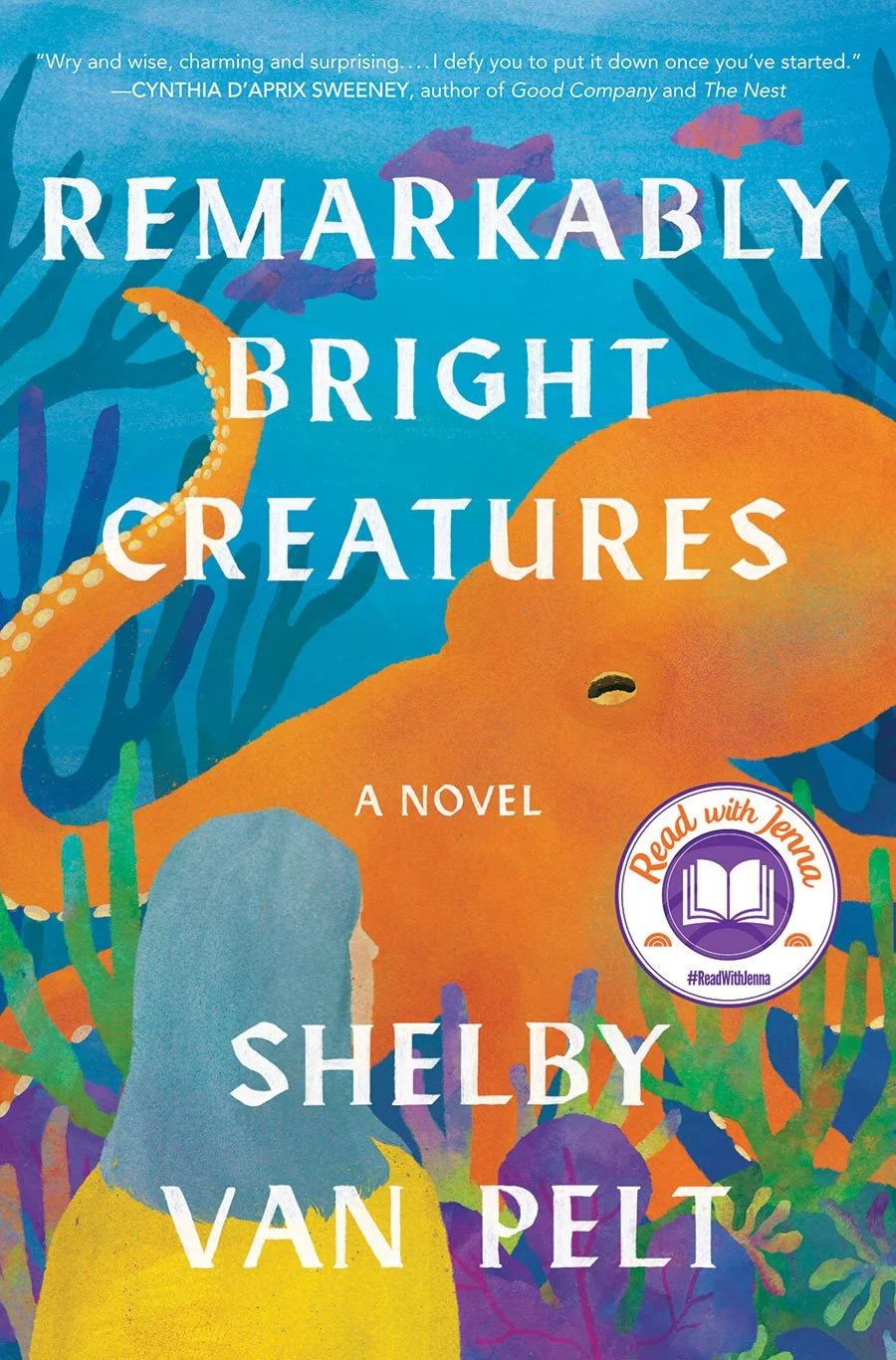
Remarkably Bright Creatures
Shelby Van Pelt created a warm, emotional novel filled with loneliness, friendship, grief, and healing. The unique narrative voice makes this especially memorable for group discussions.

Tomorrow, and Tomorrow, and Tomorrow
This novel by Gabrielle Zevin explores friendship, creativity, ambition, gaming culture, love, and collaboration over many years. It tends to spark passionate conversations because readers often interpret characters and relationships very differently.
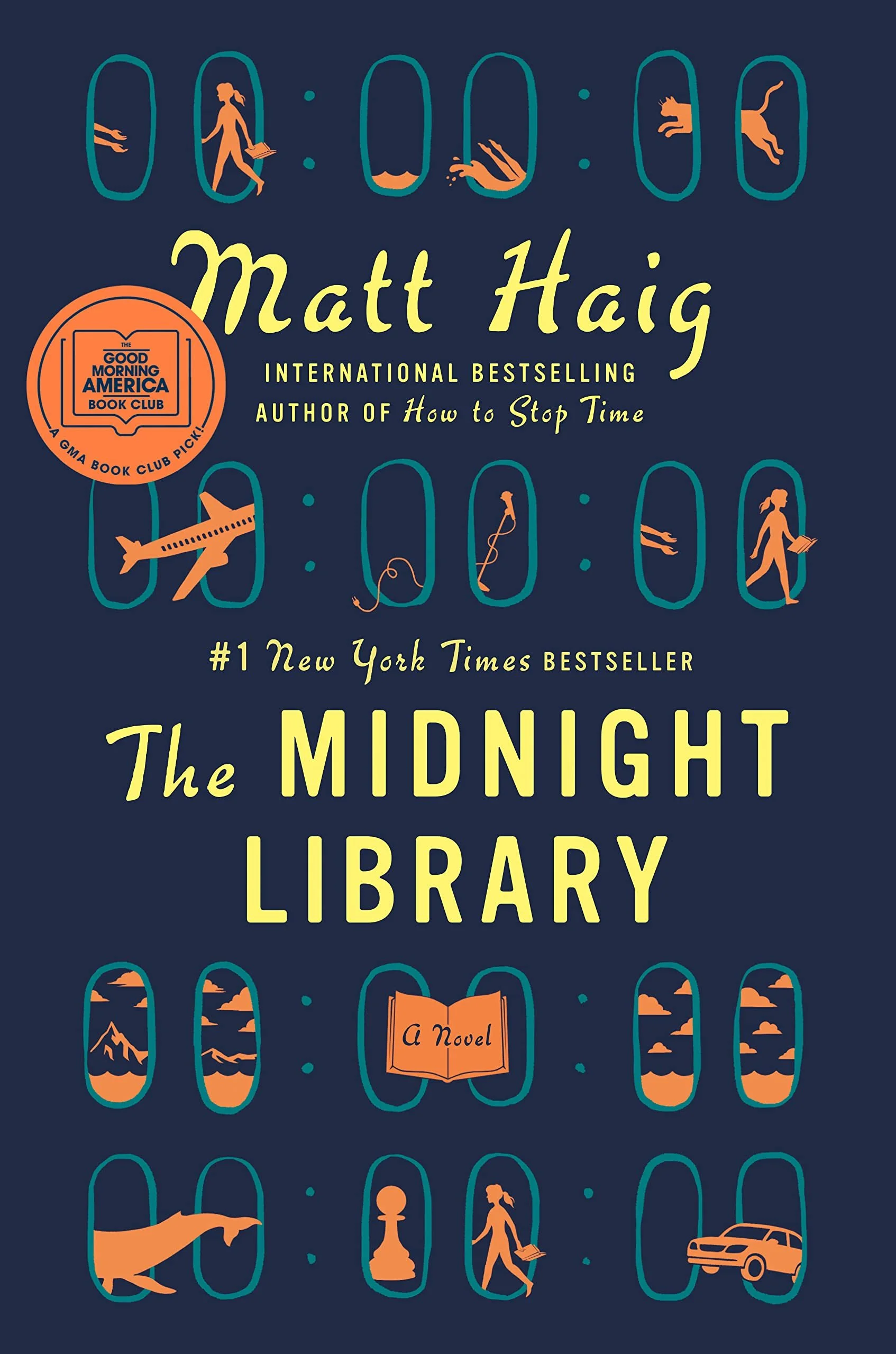
The Midnight Library
Matt Haig blends philosophy, regret, alternate lives, and mental health themes into an accessible story that encourages reflective conversations. It works particularly well for newer book clubs because it is highly readable while still offering emotional depth.

Lessons in Chemistry
This novel by Bonnie Garmus blends humor, feminism, science, resilience, and social commentary in ways that generate strong reactions and memorable discussions.
If you are searching for even more recommendations, here are some additional good books for book clubs that can help keep your reading group excited and engaged over time.
Starting a book club does not require perfection, literary expertise, or elaborate planning. What matters most is creating an environment where people genuinely enjoy gathering together to discuss stories, share perspectives, and build relationships through reading. With realistic expectations, thoughtful discussion questions, and flexible structure, a book club can become one of the most rewarding and sustainable hobbies you build into your life.