


How To Teach Your Child To Read
How To Teach Your Child To Read
Teaching reading to young children can be one of the most rewarding — and at times, most challenging — experiences for parents. While reading might seem like a natural milestone, it’s actually a skill that needs to be learned and nurtured. Helping your child to read can feel exhausting, especially if you don’t have a background in education, but the benefits of reading last a lifetime. From strengthening your child’s brain to sparking their imagination and building confidence, the journey of learning to read is worth every ounce of effort. So today, we’re diving into how to teach your child to read — step by step, with practical advice that any parent can follow.
How To Teach Your Child To Read
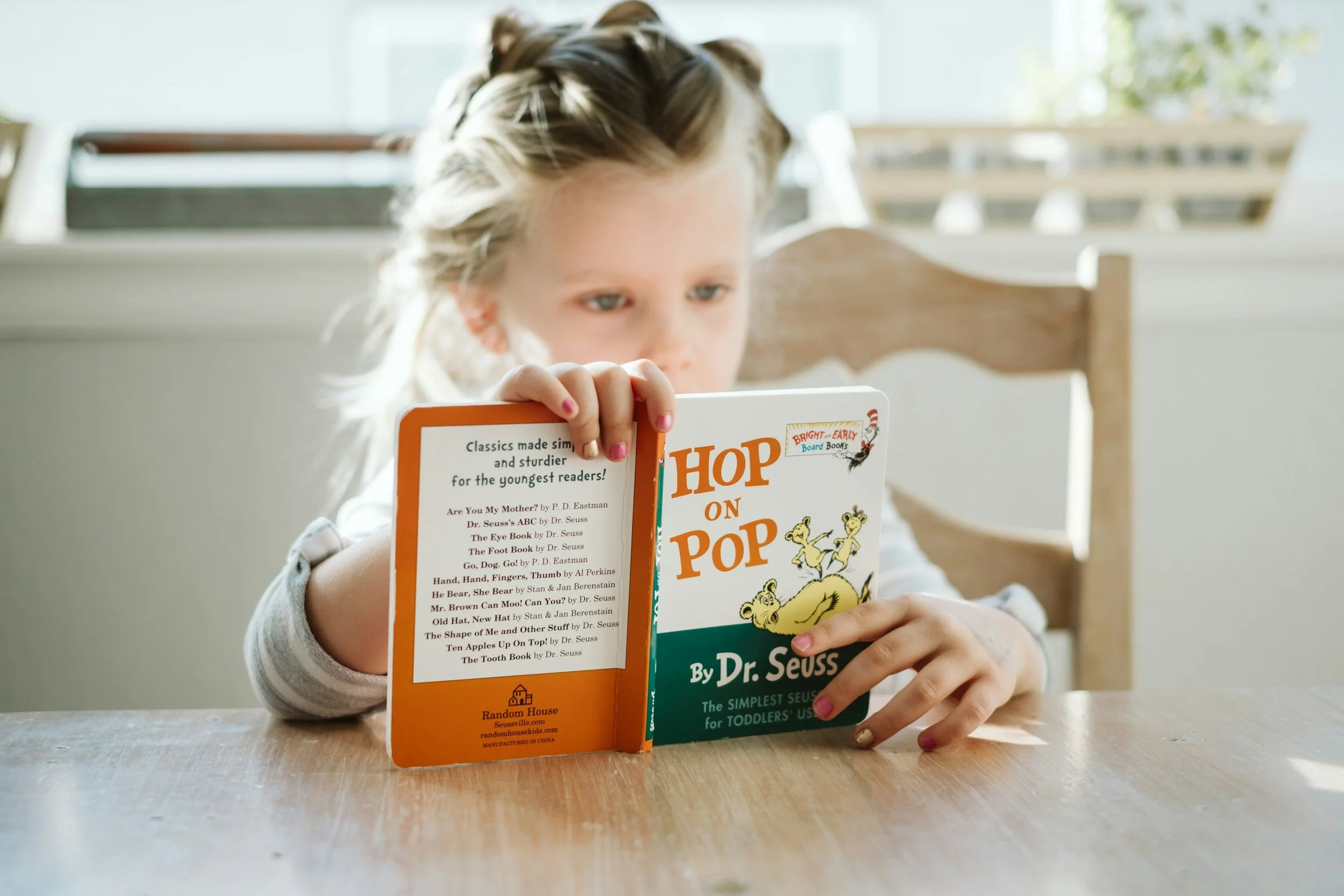
Before jumping into phonics and flashcards, it helps to understand why you’re doing it. When parents learn about the many benefits of reading, they’re often more motivated to make reading time a daily habit. Teaching kids to read early helps them develop strong literacy skills, better communication, and a lifelong love of books. This post will walk you through the benefits of reading for kids, when to start, and actionable ways to teach your child — whether you’re reading picture books before bedtime or helping them sound out words for the first time.
If you’re not sure what books to start with, you might also enjoy my guide on how to choose a book to read.
How To Teach Your Child To Read
What Are The Benefits Of Reading For Kids
Reading offers countless advantages for children — many of which extend far beyond the classroom. It strengthens language and literacy skills, expands imagination, and even improves emotional understanding. Let’s look at some of the key benefits of reading and why parents should make it a daily ritual.
Builds Strong Language and Literacy Skills
Reading helps build vocabulary, comprehension, and fluency — all critical elements of literacy. When young children hear stories read aloud, they’re exposed to new words and sentence structures that boost their language skills. Regularly reading books together also strengthens phonemic awareness — the ability to hear and manipulate sounds — which is essential when kids start sounding out words on their own.
Strengthens Your Child’s Brain
Science shows that reading literally changes the structure of a child’s brain. It activates neural pathways related to memory, imagination, and problem-solving. The more parents read to their children, the more these connections grow. As kids develop their literacy skills, they become more capable learners in every subject, from math to science to the arts.
Encourages Imagination and Creativity
Every story opens a new world — whether it’s a whimsical picture book about talking animals or a story set in outer space. Reading helps expand a child’s imagination by encouraging them to visualize characters, places, and ideas beyond their daily experiences. This creative thinking translates into better storytelling, play, and even empathy as they imagine life from different perspectives.
Strengthens the Parent-Child Bond
Reading aloud creates moments of closeness that benefit both parent and child. Shared reading time can become a cherished daily ritual that signals safety and love. It’s not just about the words on the page — it’s the laughter, curiosity, and conversation that come with it. Parents who read regularly with their children also model positive reading habits that last well into adulthood.
Builds Confidence and Academic Readiness
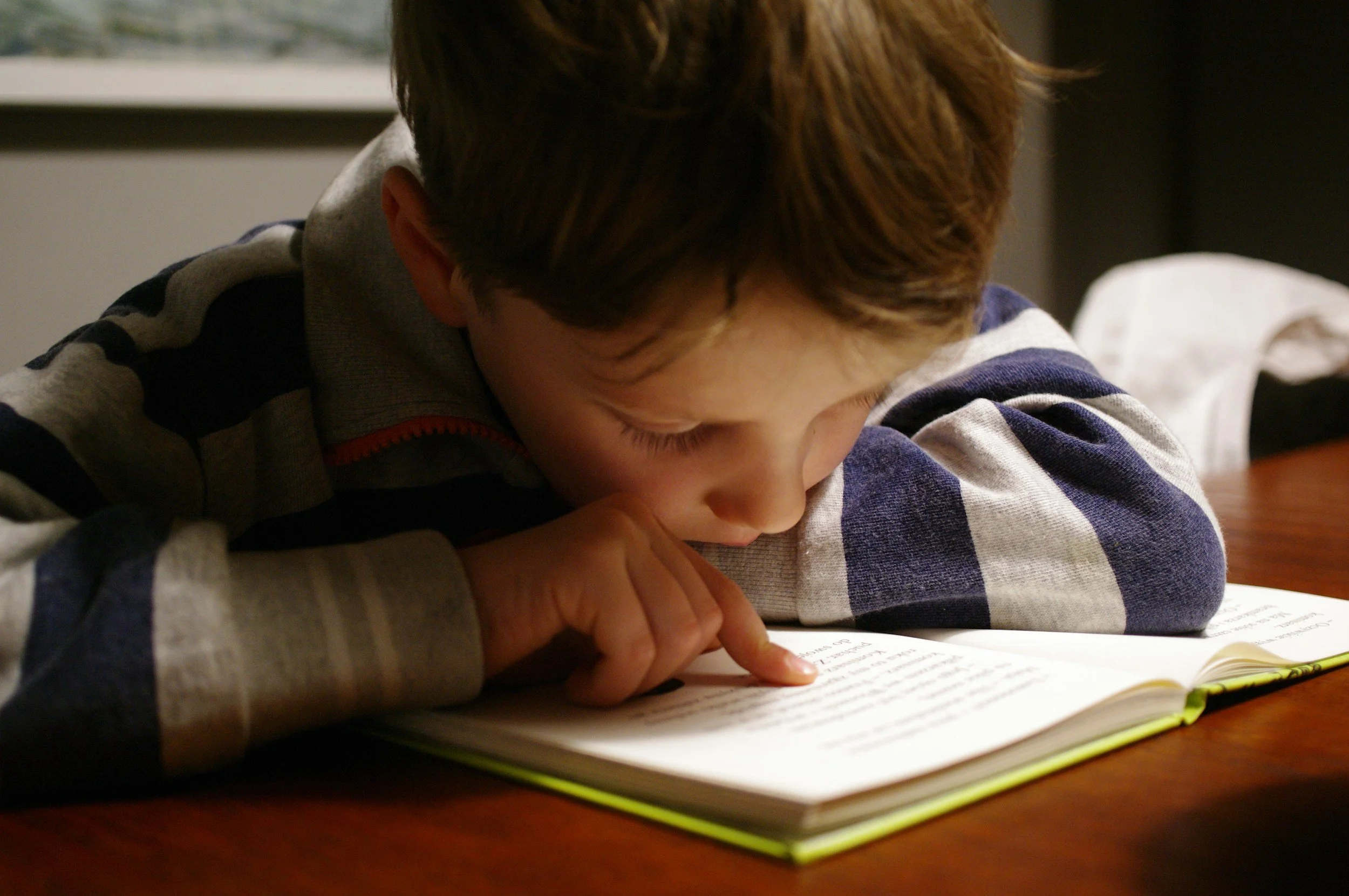
Children who start reading early often feel more confident once they enter school. They recognize letters and words, understand how stories work, and approach new texts with curiosity rather than fear. Teaching your child to read before formal schooling begins can give them a gentle head start — not to pressure them, but to make learning feel natural and joyful.
How To Teach Your Child To Read
When Should You Start Teaching Your Child To Read
Experts agree that there’s no single “right” age to start teaching reading — but the earlier a child is exposed to books, the better. Reading can begin long before your child learns to sound out words. In fact, literacy begins with listening.
From birth to age three, focus on reading aloud and talking about pictures. Babies and toddlers learn about rhythm, tone, and story structure just by hearing your voice. Around ages four to six, children begin to recognize letters, understand that print carries meaning, and start connecting sounds to letters — this is when more structured teaching can begin.
Remember: every child develops at their own pace. The goal isn’t to rush, but to create an environment where books are fun and accessible. Even 10–15 minutes of reading time per day can make a huge difference in building literacy skills.
How To Teach Your Child To Read
How To Teach Kids To Read
Disclaimer:
I’m not a reading expert or early childhood educator—just a parent who loves books and believes in the power of reading with kids. The tips and ideas shared here are based on personal experience and research I’ve found helpful. If your child is struggling with learning to read, I always recommend seeking guidance from a qualified teacher, literacy specialist, or pediatrician.
Once your child shows interest in letters and stories, it’s time to start teaching reading more intentionally. The following tips will help you teach your child to read in an engaging, effective way.
Read Aloud Every Day
Reading aloud is one of the simplest and most powerful ways to teach your child. Choose books with repetition, rhythm, and rhyme — like classic nursery rhymes or early picture books. Point to words as you read to help your child connect spoken and written language. Let them finish predictable phrases (“Brown bear, brown bear, what do you see?”) to build confidence.
Create a Reading Routine
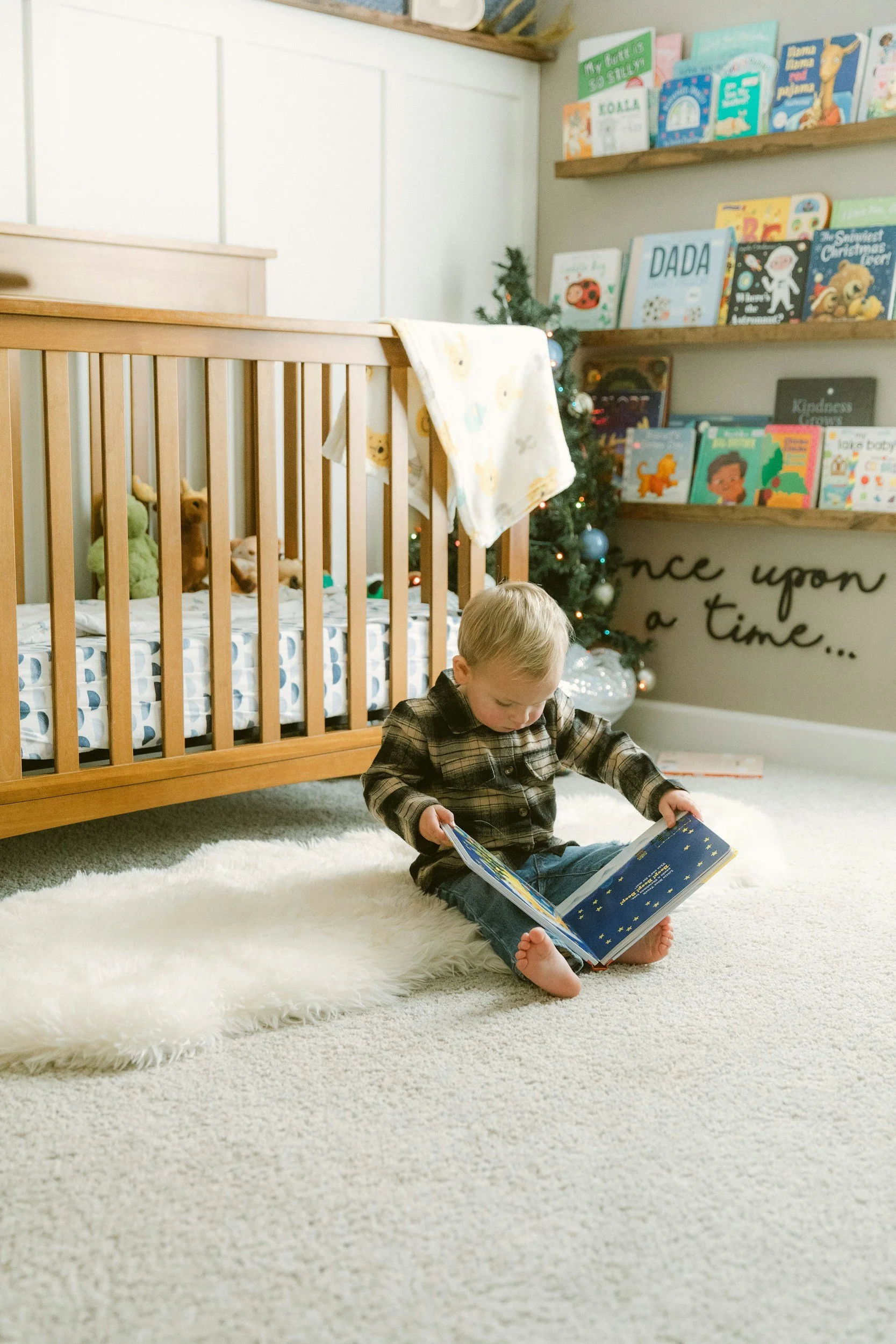
Consistency matters. Set aside a special time each day to read together — perhaps after breakfast or before bed. Make reading time cozy and inviting: soft lighting, comfy pillows, and a stack of favorite books nearby. A consistent routine signals that reading is an enjoyable, everyday activity — not just something done for school.
Teach Letter Sounds and Phonics
Once your child can identify letters, start focusing on the sounds they make. Phonics teaches kids how to connect letters (graphemes) with their sounds (phonemes). Encourage them to sound out words and recognize patterns (“cat,” “hat,” “mat”). Play letter-sound games, use flashcards, or write letters in sand or shaving cream to make it tactile and fun.
Encourage Storytelling and Conversation
After reading a book, ask your child questions about what happened. “What do you think the character felt?” or “What might happen next?” These discussions develop comprehension skills and teach them to think critically about stories. You can also invite your child to make up their own stories — an excellent way to strengthen their imagination and language use.
Let Kids Choose Their Own Books
Children are more likely to stay engaged when they have a say in what they read. Let your child browse picture books at the library or choose from your home collection. Whether it’s dinosaurs, fairy tales, or superheroes, following their interests keeps motivation high and reinforces the joy of reading.
Model Reading Yourself
Kids learn by example. If they see their parents read regularly — whether novels, magazines, or recipes — they’re more likely to view reading as part of everyday life. Talk about what you’re reading and share your enthusiasm: “This story made me laugh!” or “I can’t wait to find out what happens next!”
Make It Playful
Teaching reading doesn’t have to be serious. Turn it into play! Try scavenger hunts (“Can you find the letter M?”), rhyming games, or alphabet puzzles. Celebrate small wins — like reading a full sentence — with encouragement and praise. Learning to read is hard work for little minds; joy keeps them going.
How To Teach Your Child To Read
Final Thoughts
Teaching your child to read is a journey filled with patience, persistence, and pride. Every story you share, every word you sound out together, is shaping your child’s brain and expanding their world. Whether your child is just beginning to recognize letters or already starting to read books independently, remember that the goal isn’t perfection — it’s connection.
By fostering a love of reading early, you’re not just teaching your child literacy skills — you’re giving them a lifelong gift: the ability to explore, imagine, and dream through words.
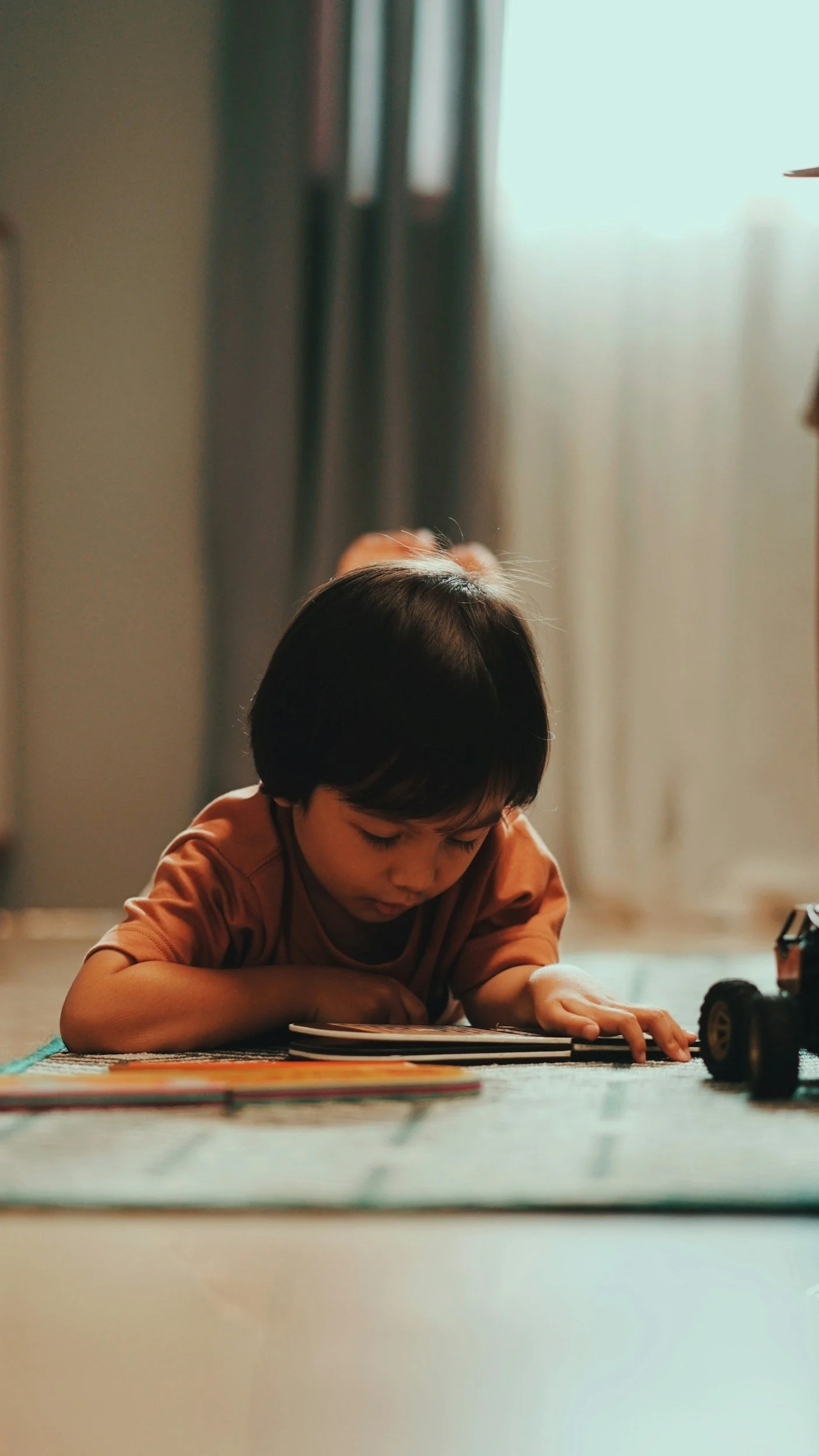
How To Teach Your Child To Read