
20 Magical Realism Books
There is something endlessly fascinating about magical realism books. They are often literary, layered, symbolic, and deeply rooted in culture and history. Unlike high fantasy, where entire worlds are built from scratch, magical realism quietly slips something extraordinary into the everyday—a ghost at the dinner table, a woman who ascends into the sky while folding laundry, a town that forgets its own history.
I’ve always found magical realism especially compelling because it invites us to look closer at ordinary life. It blends realism with subtle, unexplained magical elements in a way that feels intimate rather than escapist. The magic isn’t flashy. It’s woven into daily routines, family dynamics, political tensions, and cultural traditions.
If you’re drawn to stories that feel grounded yet slightly enchanted, this round up of magical realism books will introduce you to some unforgettable titles that deserve a spot on your reading list.
20 Best Magical Realism Books
Magical realism is often misunderstood or confused with fantasy. While both genres include supernatural elements, magical realism keeps one foot firmly planted in reality. It effectively bridges myth and reality, reflecting cultural identity, collective memory, and lived experience.
The magic often appears without explanation—and without shock. Characters accept the extraordinary as part of their world. Appreciating magical realism allows you to see how the extraordinary is woven into everyday life, how memory shapes identity, and how stories carry history.
Let’s start with the basics before diving into the list.
What Is Magical Realism in Books
Magical realism is a literary style where magical elements appear in otherwise realistic settings. The world resembles our own—familiar cities, villages, homes, and political climates—but something impossible quietly exists within it.
Key characteristics include:
Magical events treated as ordinary by the characters
A focus on family, generational history, politics, or cultural identity
Symbolic storytelling
A blending of myth, folklore, and realism
Unlike fantasy, magical realism doesn’t typically explain how magic works. It simply is.
Where Did Magical Realism Originate
Magical realism emerged as a literary movement in Latin America in the mid-twentieth century. It developed alongside post-colonial identity formation and political upheaval.
Writers used magical realism to explore:
The tension between indigenous traditions and colonial influence
Political violence and authoritarian regimes
Cultural identity and generational memory
Key figures include Gabriel García Márquez, Isabel Allende, and Jorge Luis Borges. Over time, magical realism expanded globally, influencing authors across continents.
What Are The Elements Of Magical Realism
Ordinary setting with extraordinary elements
Emotional realism
Cultural specificity
Supernatural events left unexplained
Social or political undertones
These elements combine to create stories that feel grounded, yet slightly off-center in the most beautiful way.
How Is Magical Realism Different From Fantasy
Setting
Fantasy often takes place in fully invented worlds. Magical realism remains rooted in realistic settings—real countries, recognizable historical periods, everyday communities.
Treatment of Magic
In fantasy, magic is usually structured with rules and systems. In magical realism, magic is unexplained and treated as normal.
Tone
Fantasy often emphasizes adventure or epic stakes. Magical realism tends to be quieter, literary, symbolic, and emotionally intimate.
Purpose
Fantasy may focus on quests or battles. Magical realism often explores family, identity, politics, grief, and memory.
If you’re looking specifically for imaginative worlds designed for younger readers, you might enjoy my roundup of the best fantasy books for kids.
20 Top Magical Realism Books
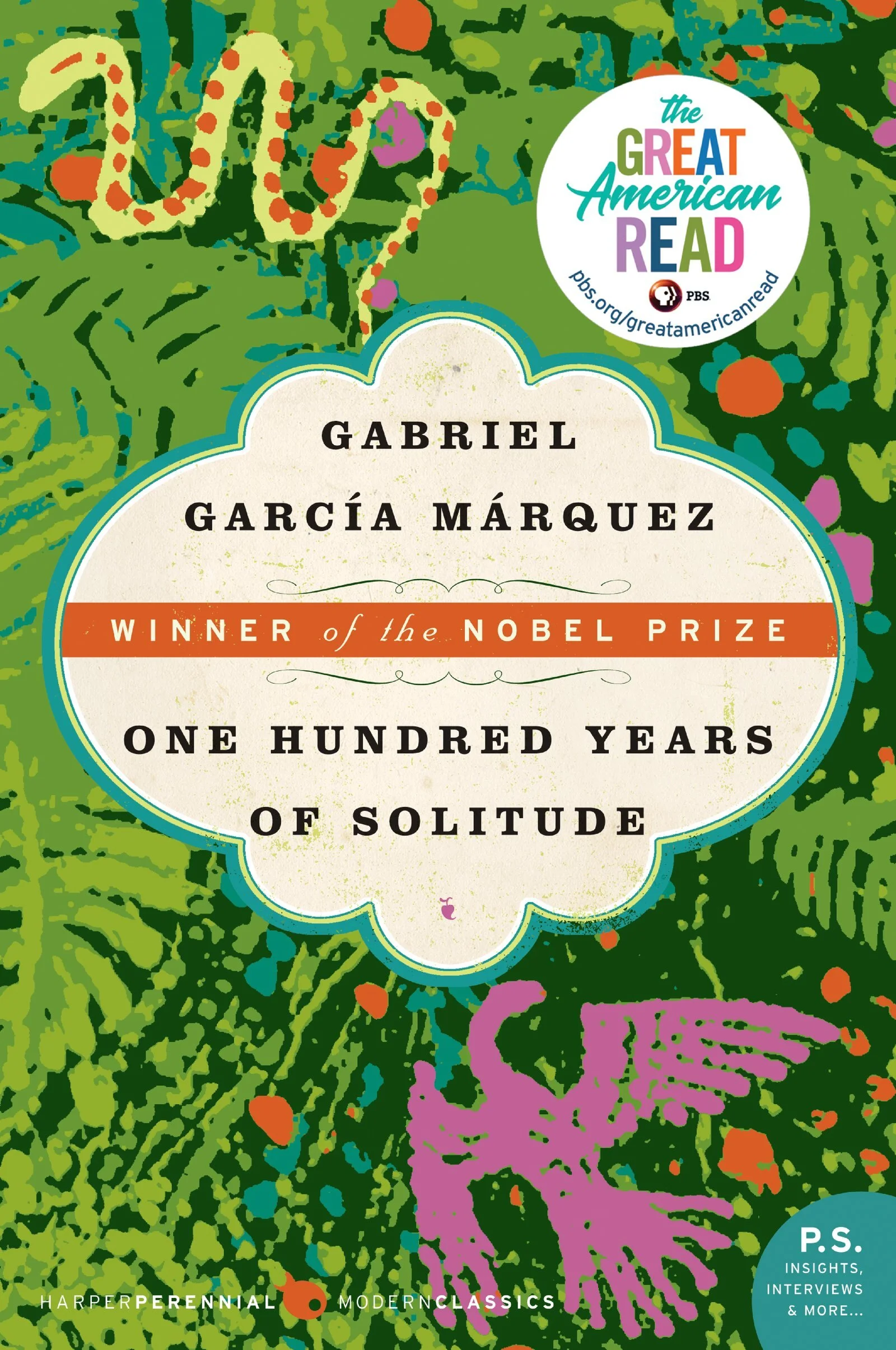
One Hundred Years of Solitude by Gabriel García Márquez
A foundational work of magical realism, this multigenerational novel follows the Buendía family in the fictional town of Macondo. Expect ghosts, insomnia plagues, and astonishing imagery. It’s sweeping, political, and unforgettable.

The House of the Spirits by Isabel Allende
A family saga blending romance, politics, and prophecy, this novel spans generations in Chile. It beautifully merges the personal with the political.
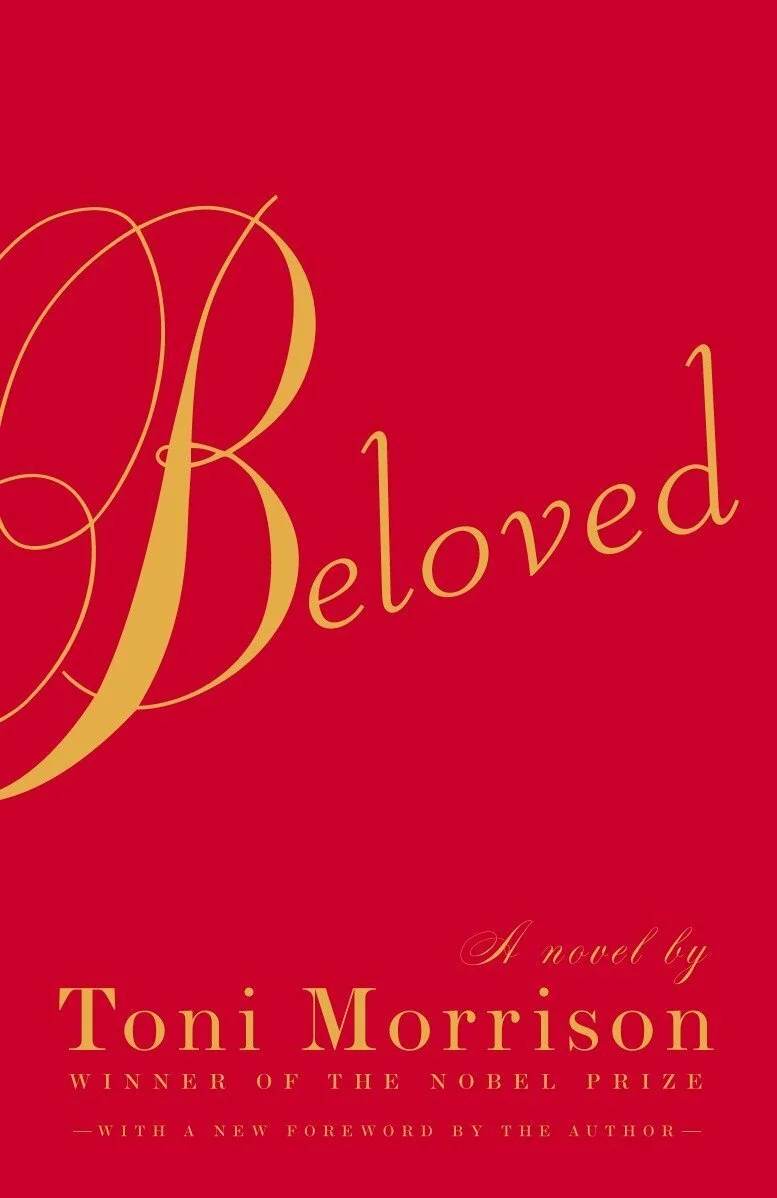
Beloved by Toni Morrison
A haunting exploration of slavery’s legacy, this novel introduces a mysterious young woman who may—or may not—be the embodied spirit of the past.

The Night Circus by Erin Morgenstern
Though often shelved as fantasy, this novel feels like magical realism in its lush atmosphere and romantic tone. A mysterious circus appears only at night, filled with quiet wonders.
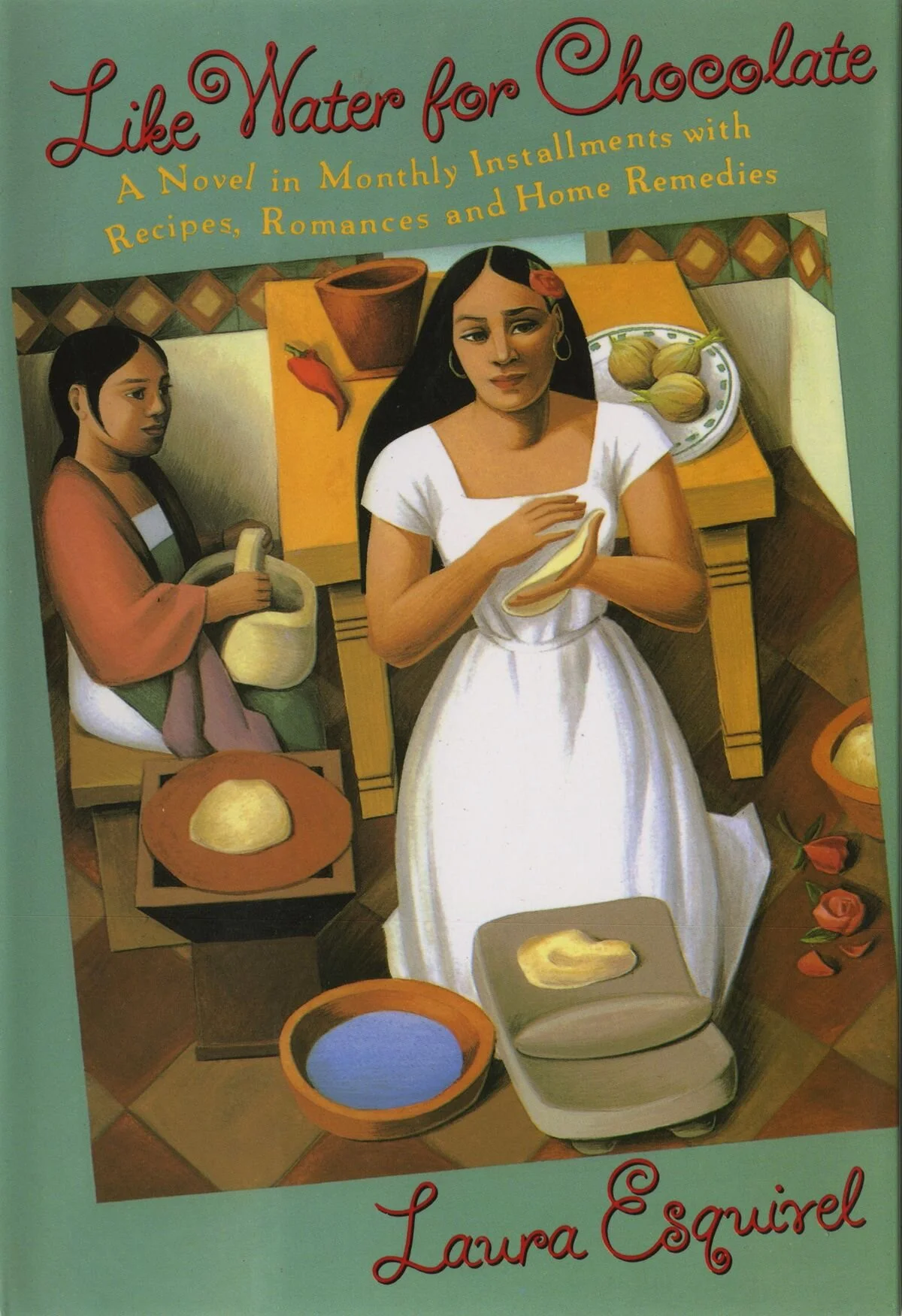
Like Water for Chocolate by Laura Esquivel
In this culinary-infused novel, emotions literally infuse the food the heroine prepares. Passion, longing, and tradition simmer together.

The Ocean at the End of the Lane by Neil Gaiman
A reflective, eerie story of childhood memory and hidden worlds beneath the surface of ordinary life.
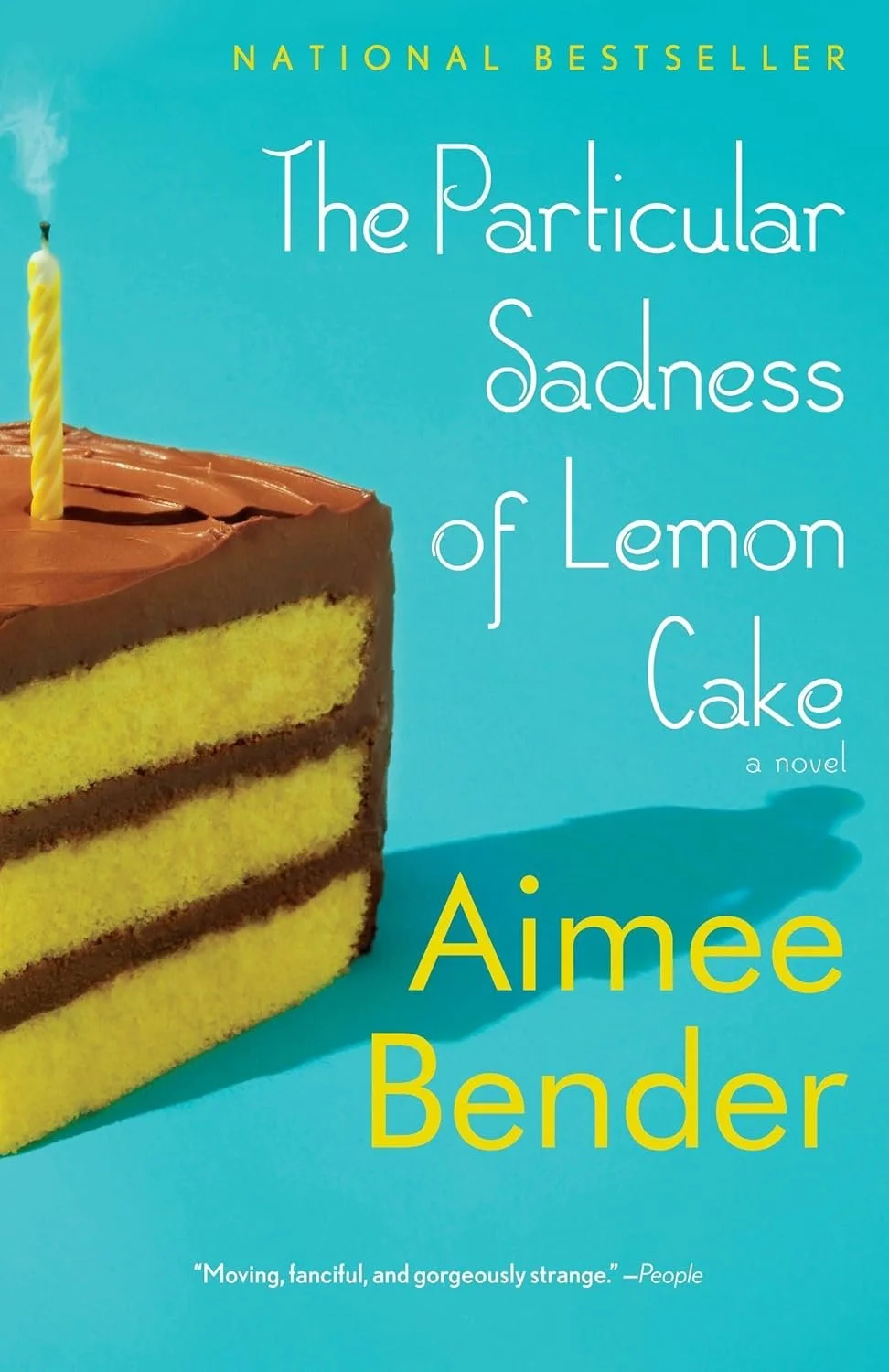
The Particular Sadness of Lemon Cake by Aimee Bender
A girl discovers she can taste people’s emotions in food. Strange, poignant, and deeply symbolic.
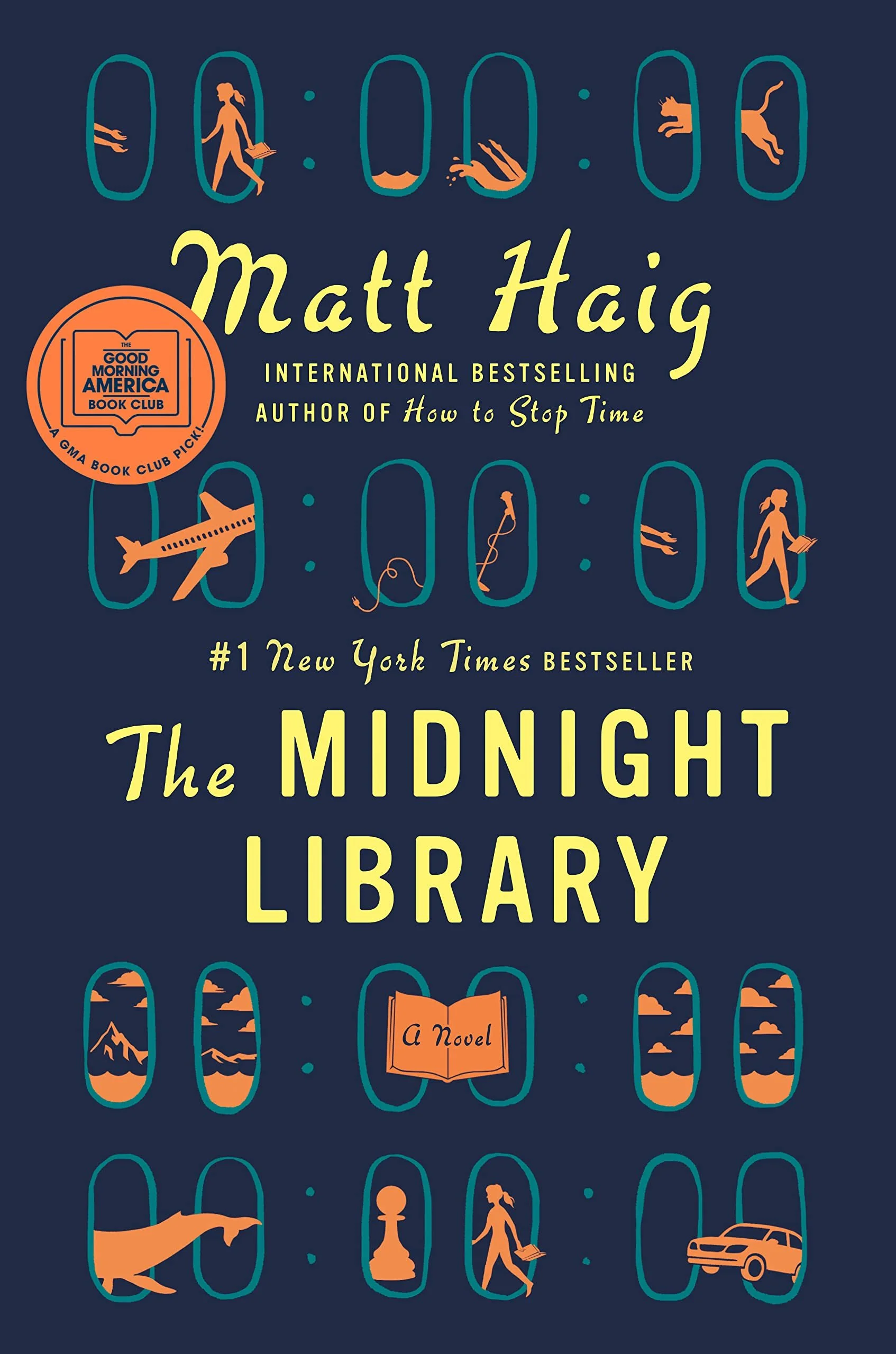
The Midnight Library by Matt Haig
A woman explores alternate versions of her life in a mysterious library between life and death.

Life of Pi by Yann Martel
A shipwreck, a tiger, and a story that blurs the line between truth and myth.
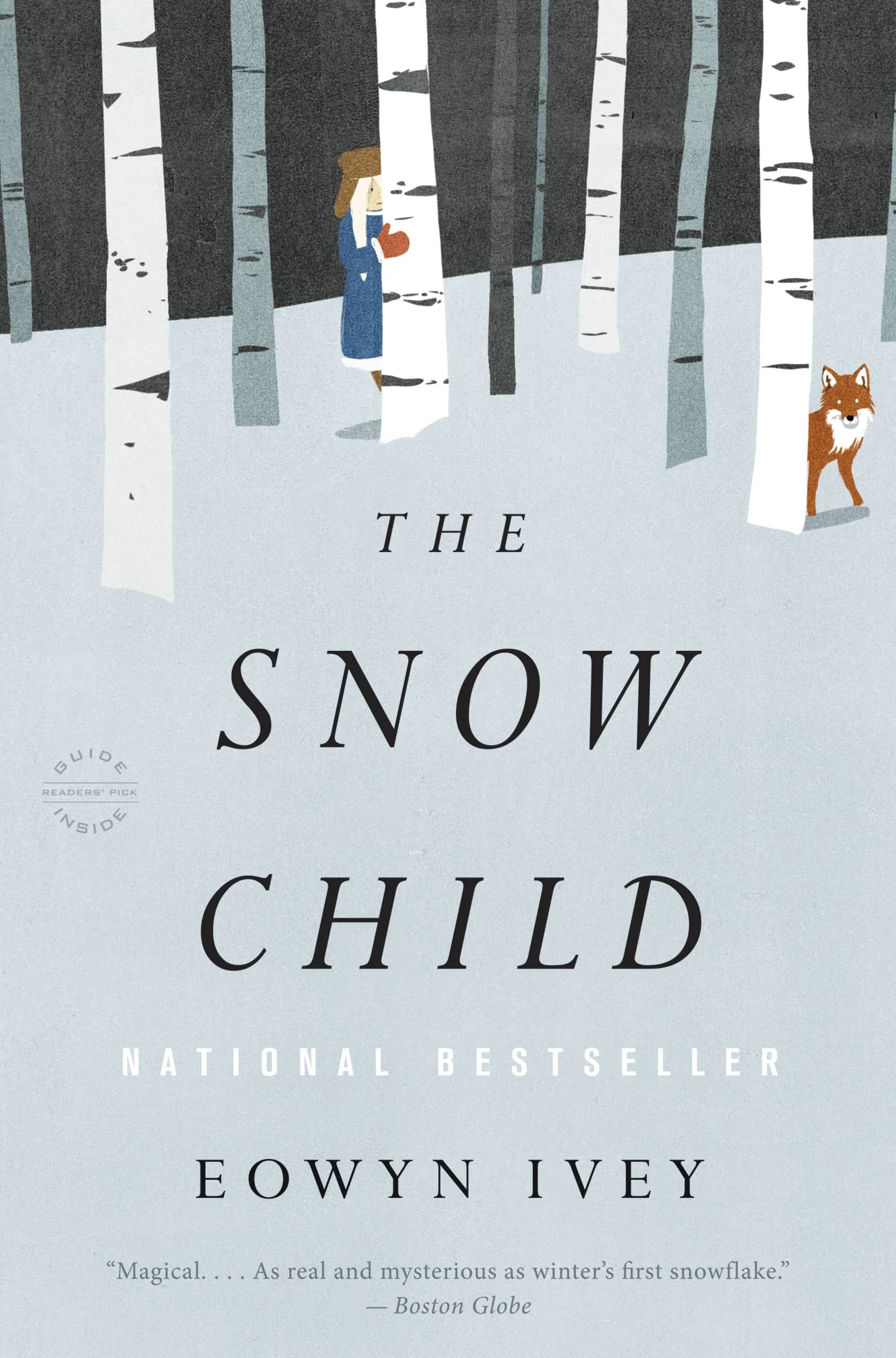
The Snow Child by Eowyn Ivey
Set in 1920s Alaska, a child may—or may not—emerge from the snow itself.
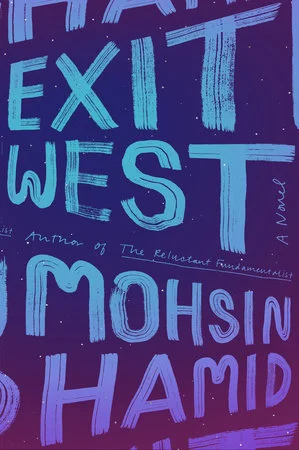
Exit West by Mohsin Hamid
Doors appear that transport refugees across the world, blending migration realities with subtle magic.
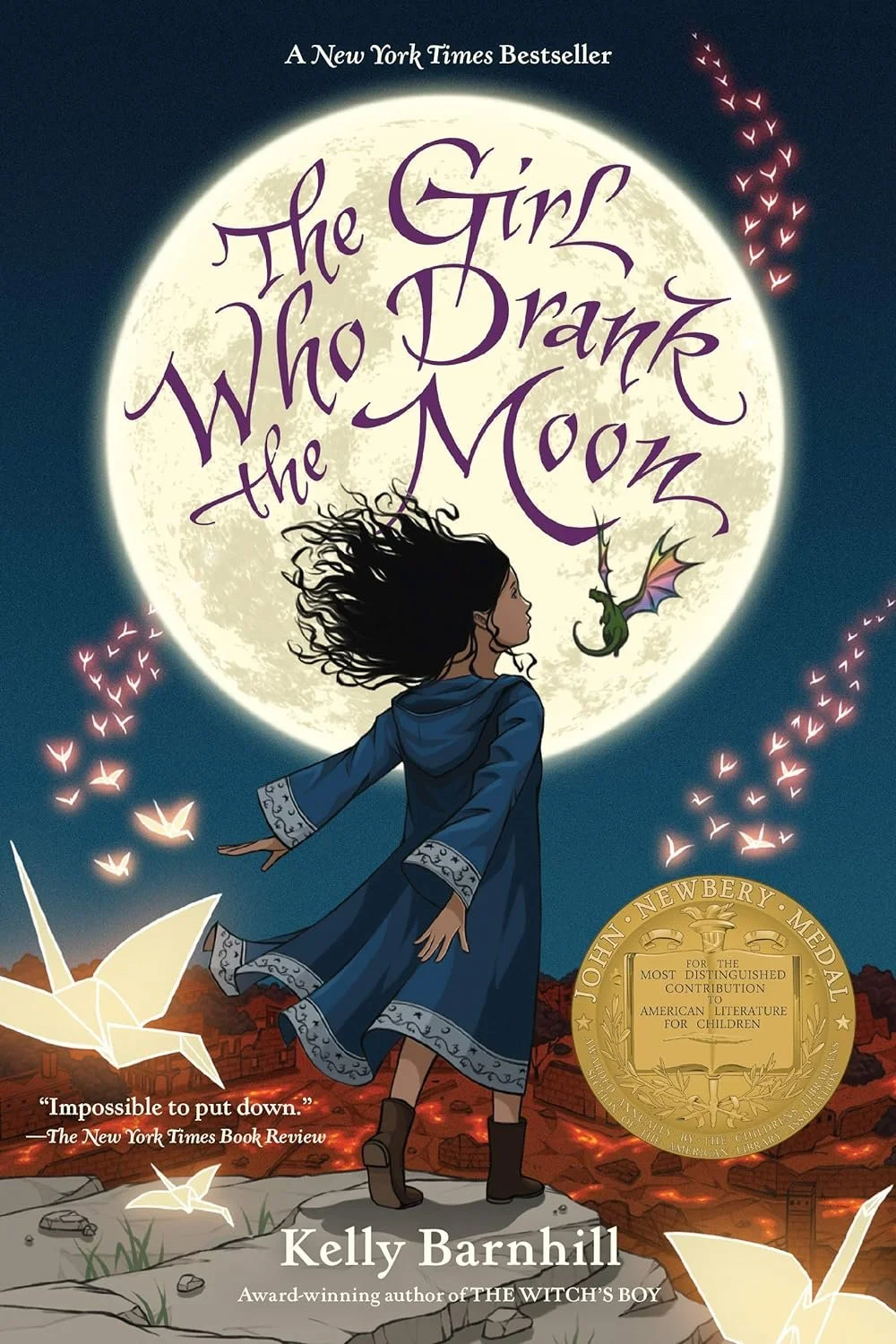
The Girl Who Drank the Moon by Kelly Barnhill
A Newbery Medal-winning story with fairy-tale qualities grounded in emotional truth.
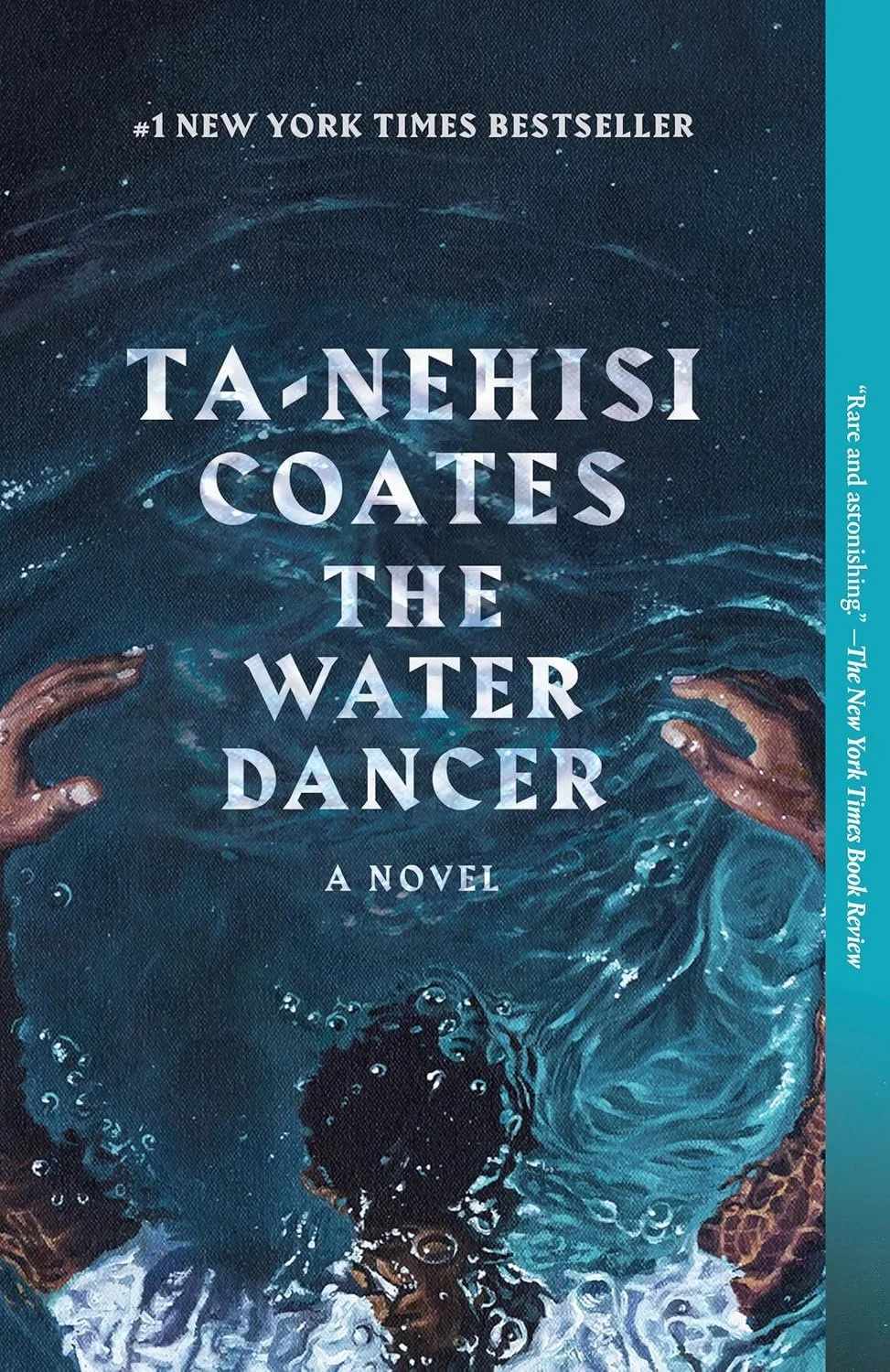
The Water Dancer by Ta-Nehisi Coates
Blends historical fiction with mystical elements to explore memory and liberation.
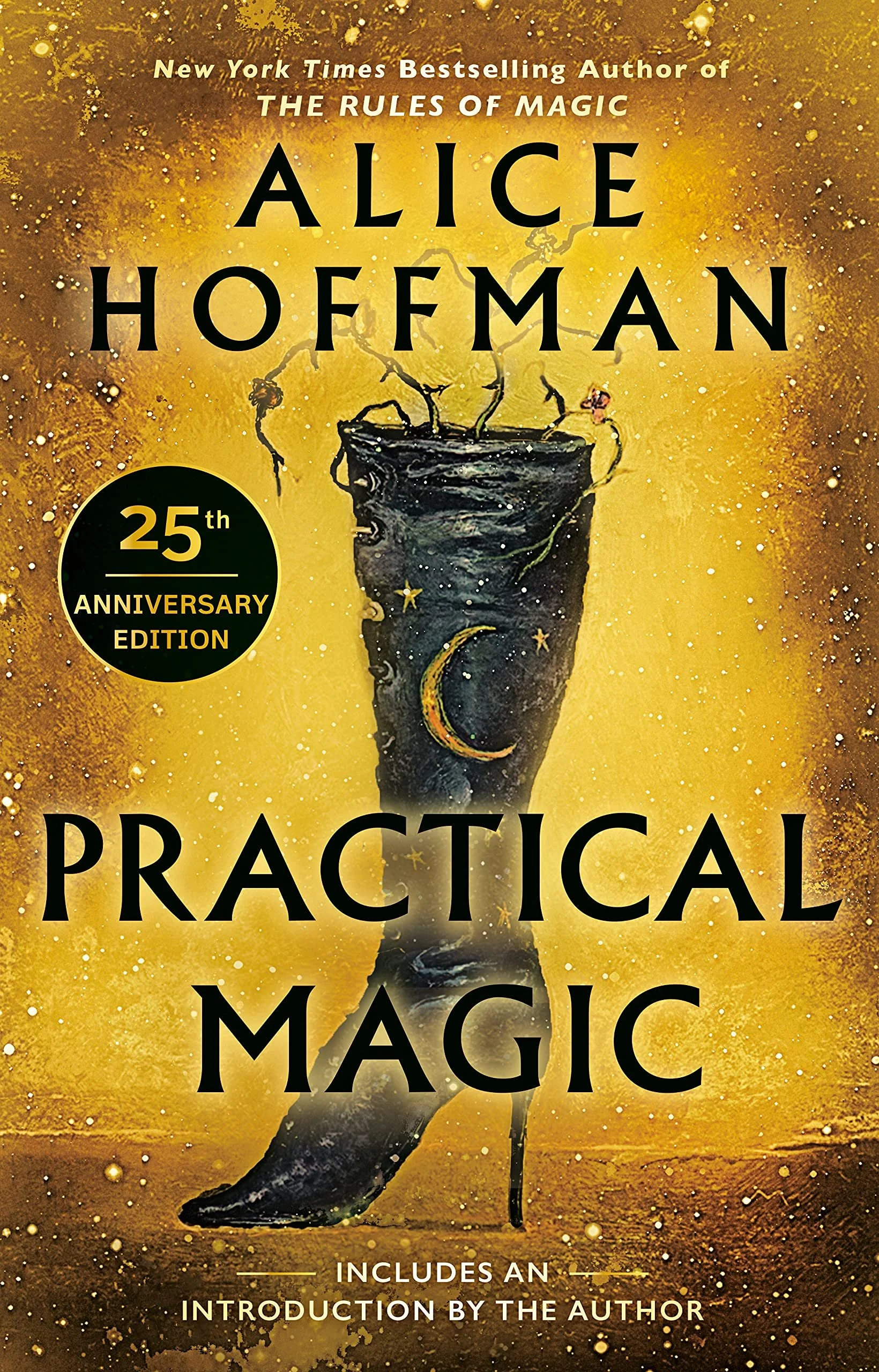
Practical Magic by Alice Hoffman
Sisters raised in a magical family try to live ordinary lives despite their gifts.
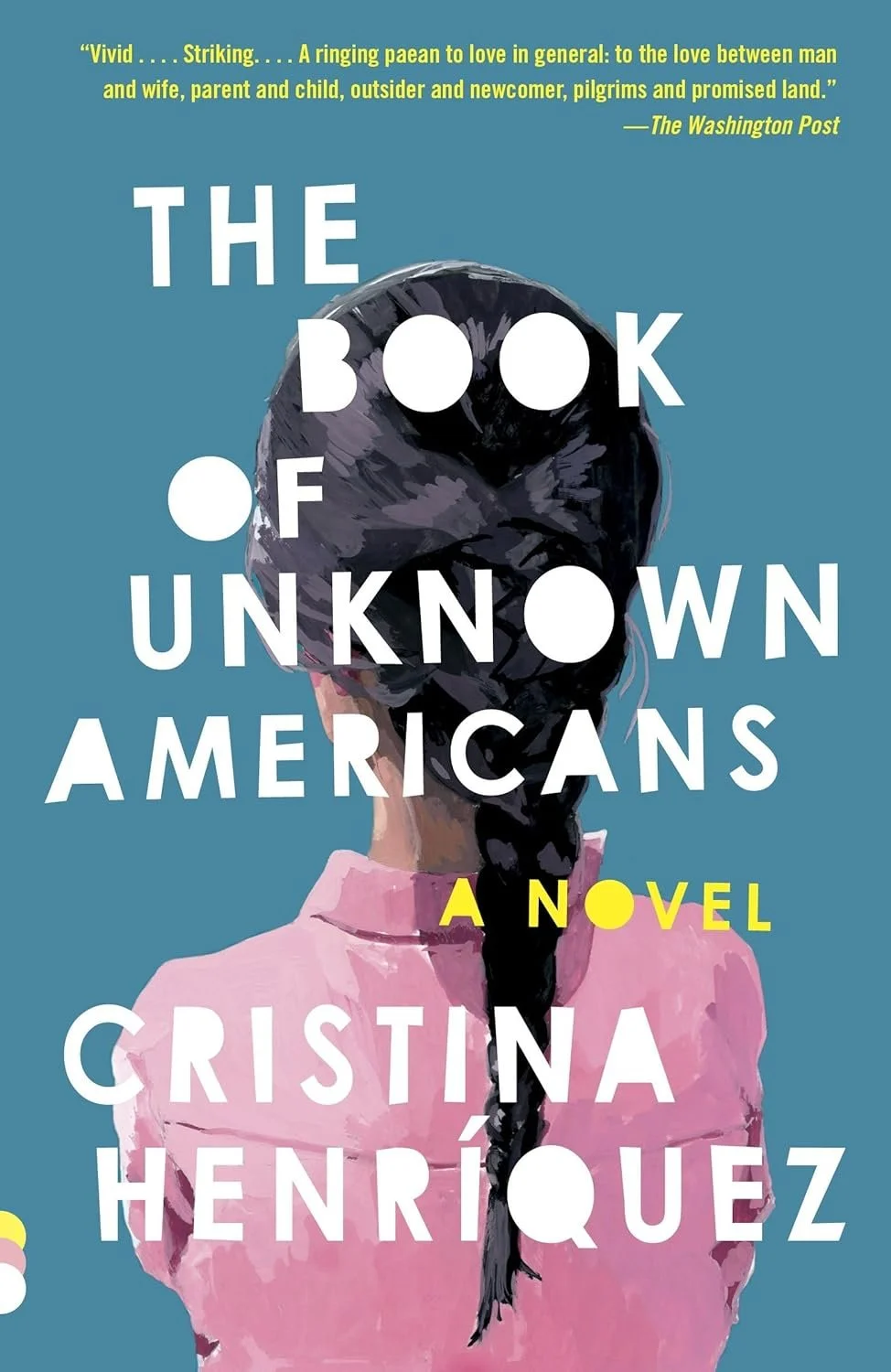
The Book of Unknown Americans by Cristina Henríquez
Primarily literary fiction with subtle magical undertones exploring immigrant identity.
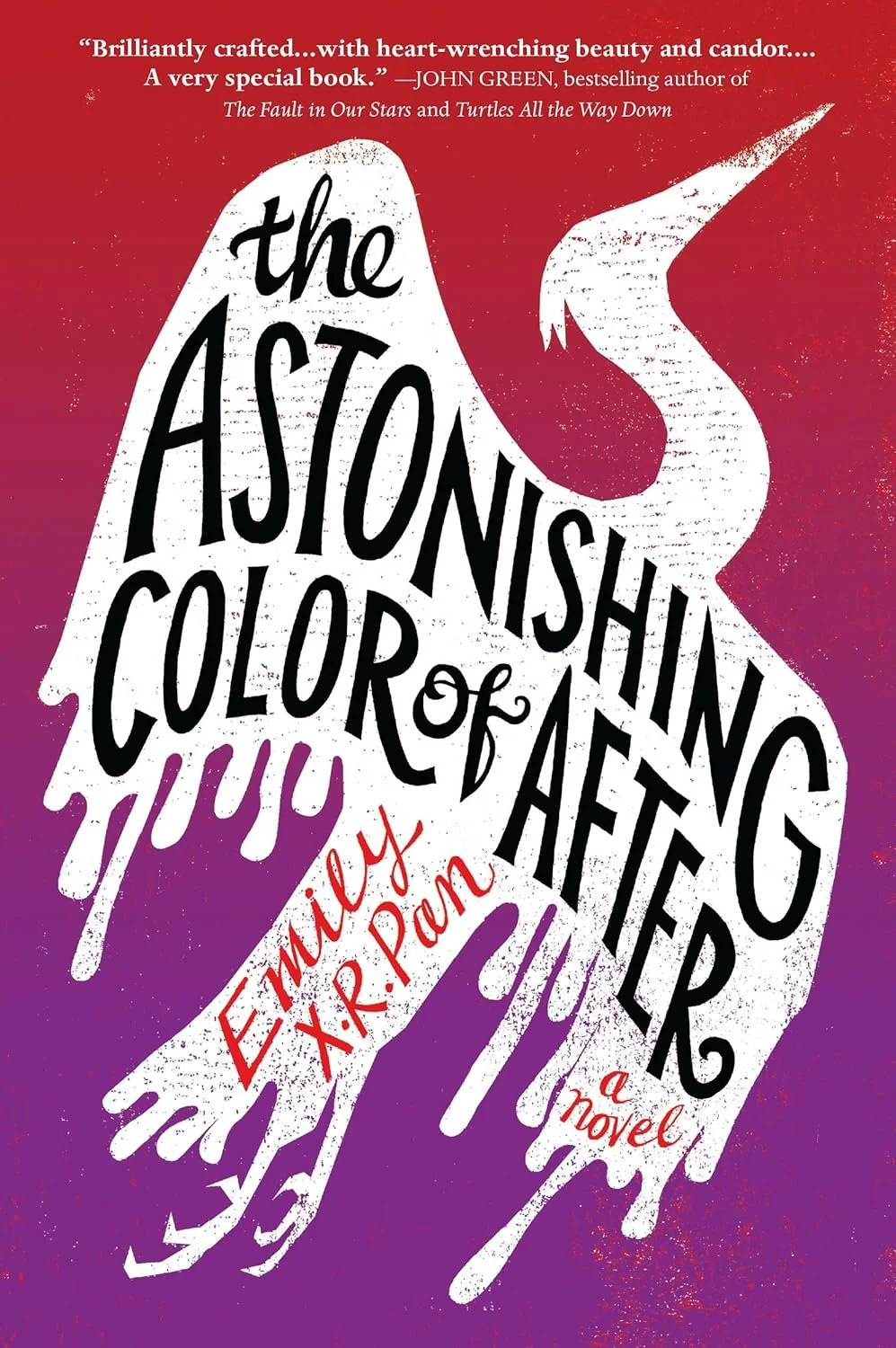
The Astonishing Color of After by Emily X.R. Pan
A girl believes her mother has transformed into a bird and travels to Taiwan to uncover family secrets.
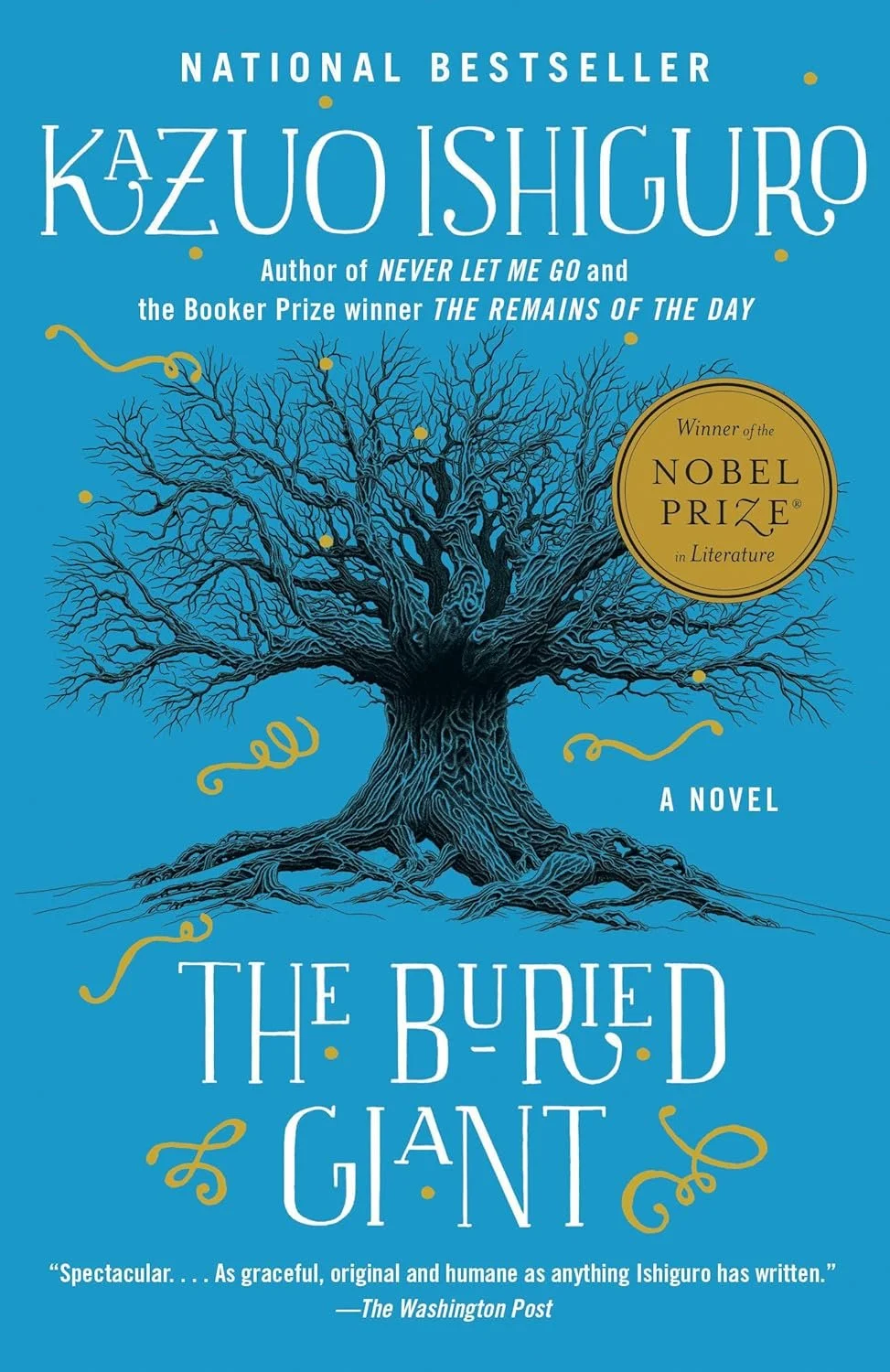
The Buried Giant by Kazuo Ishiguro
A mist of forgetfulness covers a post-Arthurian Britain. Memory and myth intertwine.
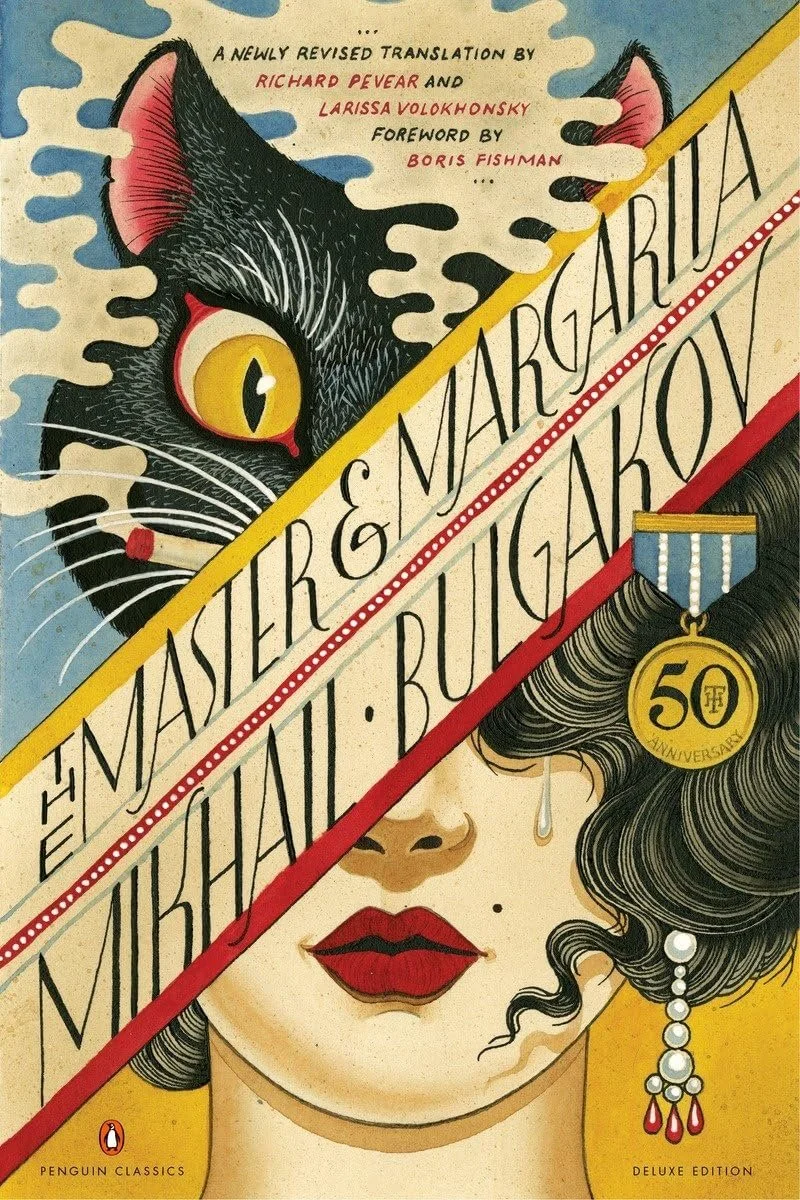
The Master and Margarita by Mikhail Bulgakov
The devil visits Soviet Moscow in this satirical and surreal classic.
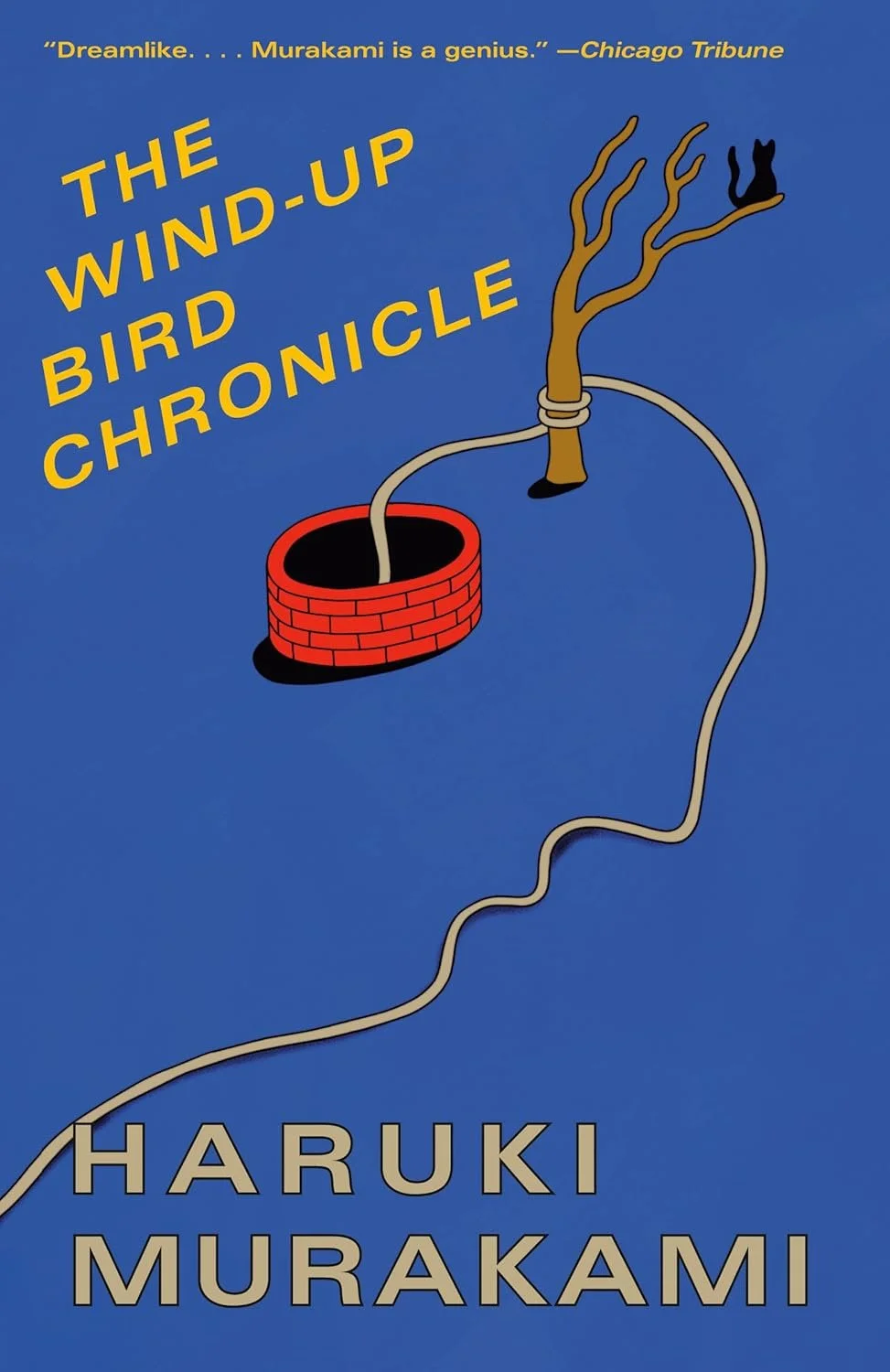
The Wind-Up Bird Chronicle by Haruki Murakami
Dreamlike and unsettling, this novel blends the mundane with the surreal.
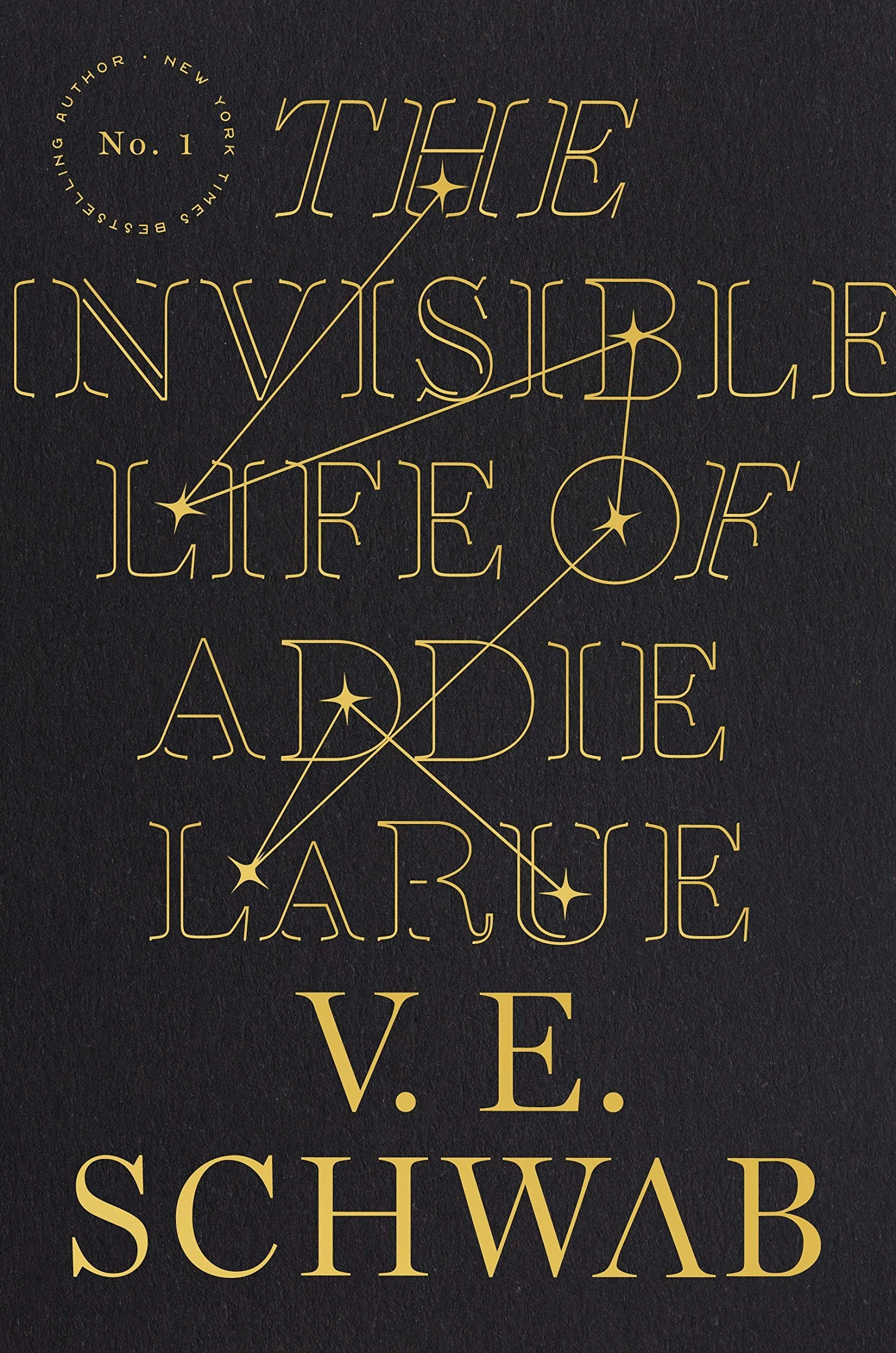
The Invisible Life of Addie LaRue by V.E. Schwab
A woman makes a bargain to live forever—but is forgotten by everyone she meets.
Magical realism books remind us that the world is stranger and more layered than it first appears. They are realism books with a pulse of myth beneath the surface. They show how grief lingers like a ghost, how love can feel supernatural, how history echoes through generations.
If you’re craving stories that feel both grounded and enchanted, this genre offers something quietly transformative. Which magical realism books are your favorites? I’m always looking to expand this list.