


Making the Most of Summer for Young Children
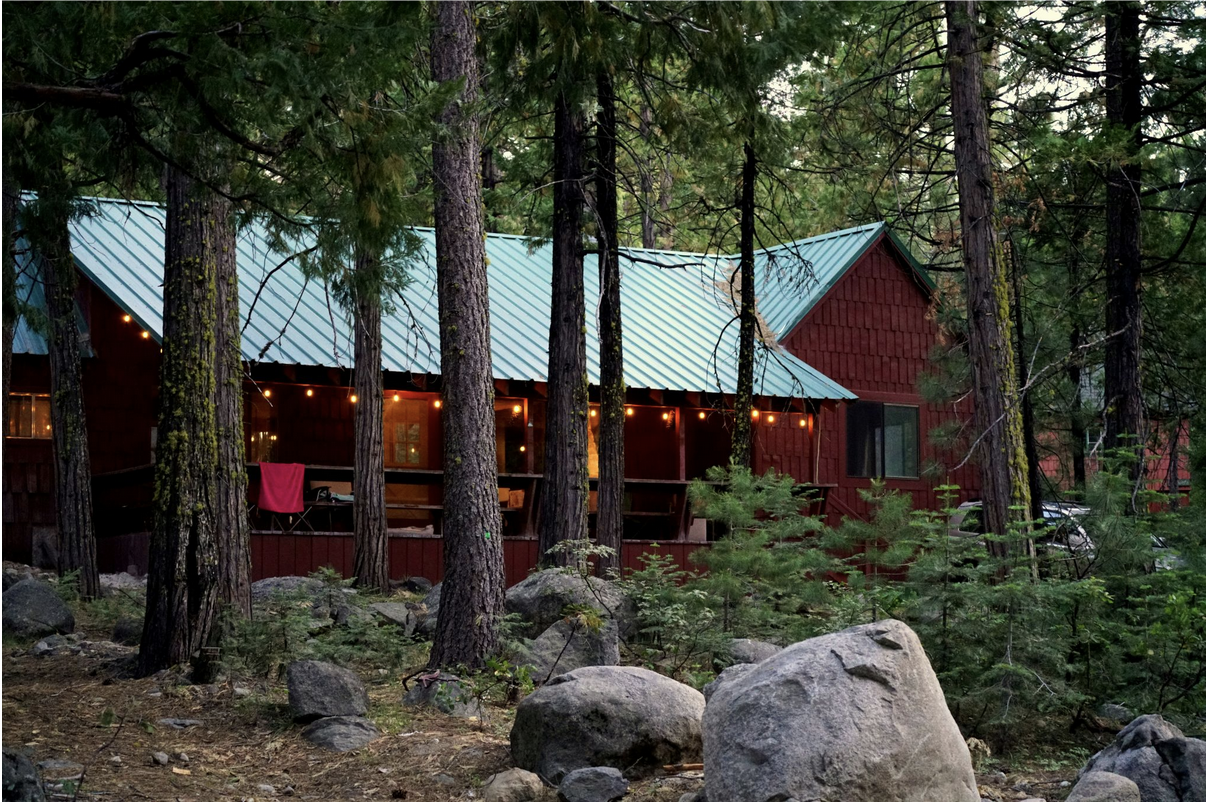
For young children, summer offers a window of opportunity that can be truly formative. The season provides room for a different form of growth, one centred on play, curiosity, and peer interaction, without the confines of the school year. For city families, initiatives like a summer camp in Lakeview, Chicago, show a rising realisation that how their children spend these months is considerably more important than many parents realise. These days, there are many more options available than just daycare.
Why Unstructured Time Is Not Enough on Its Own
Free time is valuable, and children require plenty of it. However, prolonged periods of inactivity might eventually understimulate young children and, ironically, reduce their creativity. Early childhood development research constantly emphasises the value of supervised experiences that push kids without being too demanding.
The best summer programs strike a balance between structure and freedom, providing kids with enough guidance to keep them interested while also allowing them to express themselves creatively. Achieving that balance at home is more difficult than it may seem, especially when caregiving obligations conflict with job schedules.
The Social Dimension of Summer Programs
The social development that occurs organically in high-quality childcare and camp environments is one of their less well-known advantages. Children can practise negotiation, turn-taking, dispute resolution, and collaboration in low-stakes situations in group settings. These are abilities that cannot be fully developed through classroom education alone. One of the best environments for kids to establish themselves is the casual, activity-based setting of a summer camp.
Learning Without It Feeling Like School
For summer learning to be successful, it doesn't have to be like traditional schooling. In actuality, hands-on activities, creative projects, outdoor exploration, and movement-based play all contribute to some of the most enduring learning that occurs during childhood. Children receive the necessary cognitive stimulation from programs that include literacy, numeracy, and critical thinking into interesting activities without the associations that might make traditional schooling seem burdensome.
What to Look for in a Summer Program
Before enrolling, it is vital to take the time to assess what a certain environment truly offers because not all programs are created equal. The staff-to-child ratio, the credentials and expertise of the adults present, the range of activities available, and the extent to which the program is tailored to each child's unique needs are all important considerations.
The physical surroundings are also important. Children are given a variety of experiences that promote well-rounded development through outdoor access, secure play areas, and locations that encourage both active and quiet activity.
The Value of Consistency Through the Summer
Even when the content of their days varies, children nevertheless benefit from routine. A program that lasts the entire summer, or a significant portion of it, offers a stable social setting where friendships can grow and strengthen over time. While there are benefits to short-term programs, the relationships and self-assurance that result from consistent participation in a particular environment are fundamentally different.
Compared to single-week options, families seeking multi-week enrolment will typically find that extended programs yield more obvious developmental benefits, allowing kids to make real connections rather than just passing through.
Balancing Camp With Family Time
A youngster does not give up the season to an institution when they enrol in a summer program. The majority of high-quality programs only operate for a portion of the day, giving kids plenty of time for relaxation, family activities, and the kind of unstructured play at home that they also require. The objective is to make sure that a significant portion of the summer involves intentional interaction with other kids and knowledgeable carers rather than filling every hour.
Supporting the Whole Child
The top summer programs focus on more than just academic preparedness. Children can develop significantly throughout the summer in a number of areas, including emotional control, physical confidence, creativity, and teamwork. Programs that adopt this more comprehensive approach to child development typically yield results that are apparent not only in September but also in the years that follow.
Choosing With Intention
Summer goes by quickly, and the decisions a child makes at the beginning of the season often determine how the entire season plays out. One of the most significant investments a parent can make before the school year ends is taking the time to choose programs that provide the ideal balance of care, stimulation, and social opportunities. The returns manifest in ways that are rarely difficult to see but occasionally difficult to quantify.