


Pest Control for Bookstores: Effective Solutions to Protect Your Inventory
Pest Control for Bookstores: Effective Solutions to Protect Your Inventory
Bookstores face unique challenges when it comes to pest control. Paper, cardboard, and old wood are prime targets for insects such as silverfish, cockroaches, and booklice, which can cause costly damage to books and shelving. Effective pest control for bookstores means actively preventing, identifying, and addressing infestations before significant harm occurs.
You need a strategy that not only keeps current pests at bay but also reduces the risk of future outbreaks. Routine inspections, moisture control, and meticulous cleaning practices make a significant difference in protecting your inventory and maintaining a safe, welcoming environment for customers. Focusing on these steps can help ensure your books remain undamaged and your store stays pest-free.

Understanding Common Bookstore Pests
Bookstores are susceptible to unique pest problems that can lead to costly inventory loss and long-term structural issues. Identifying which pests pose the greatest threat to your books and building allows for more effective prevention and control.
Types of Insects That Damage Books
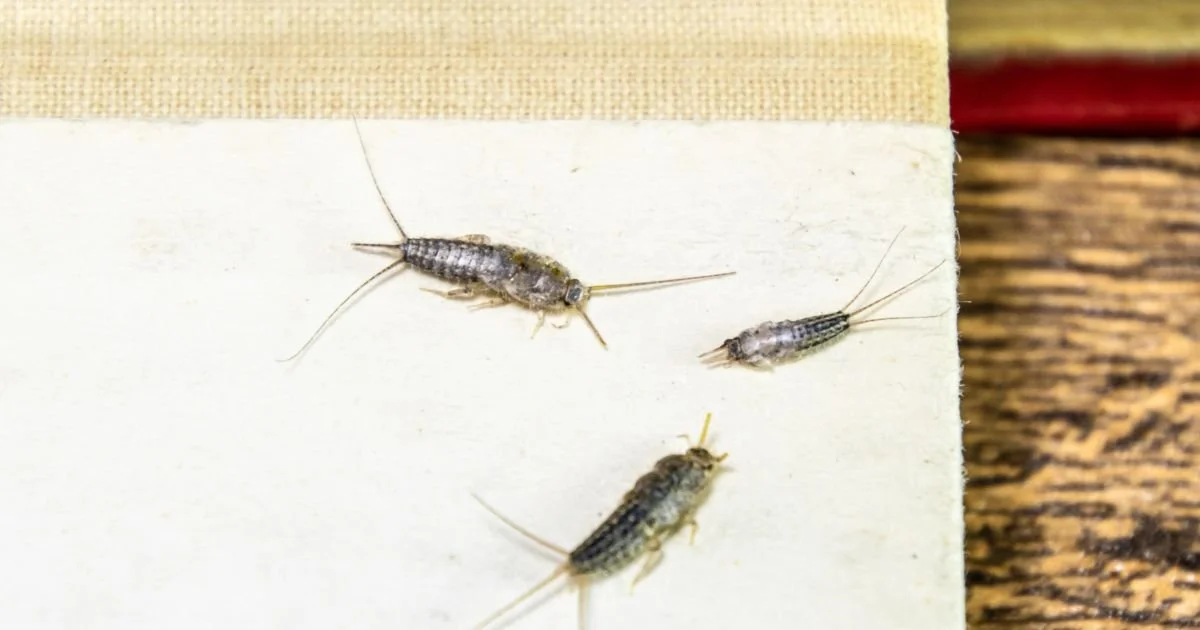
Several insect species can cause significant damage to paper, bindings, and shelving. Silverfish are common in damp areas and feed on the starches in book bindings, paper, and glue. Booklice prefer humid environments and nest in undisturbed collections, feeding on microscopic mold and book debris.
Carpet beetles and powderpost beetles are also problematic in bookstores. Carpet beetles chew through leather covers and organic fibers, while powderpost beetle larvae tunnel into wooden bookshelves, leaving behind fine powder and small holes. Insect damage to books can be gradual, often going unnoticed until pages show holes, stains, or weakened bindings.
Signs of insect infestations:
Fecal pellets, shed skins, or webbing inside books
Tiny holes in covers or pages
Yellow or brown stains on paper
Prompt identification and treatment of these insects is essential to prevent widespread damage to books and shelving.
Rodents and Their Risks to Bookstores
Rodents, especially mice and rats, pose serious risks to bookstores due to their gnawing behavior and messy habits. They are attracted to the shelter provided by bookshelves and the occasional crumbs of food in reading areas or stockrooms.
Risks from rodents include:
Gnawed bindings: Rodents chew through paper and cardboard, resulting in damaged covers and edges.
Contamination: Droppings and urine spread bacteria that stain or ruin paper and may create odor problems.
Fire hazards: Rodents often chew electrical wiring behind shelving, increasing your risk of fire.
Effective rodent control in bookstores starts with proper sanitation, regular inspections, and sealing entry points. Traps and bait stations should be used carefully and placed away from customer areas to minimize health risks.
How Pest Infestations Start in Bookstores
Most pest infestations begin when insects or rodents gain access through small openings or are carried in with deliveries. Used books, boxes, or even new shipments can harbor pests if not properly inspected. Insects such as silverfish can thrive in areas with high humidity, often due to poor ventilation or leaks.
Basement storage, hidden nooks, and cluttered backrooms provide ideal hiding and breeding spots. Rodents often enter through gaps under doors, utility lines, or poorly sealed windows. Unchecked, these pests multiply rapidly, transforming a minor issue into widespread insect damage to books or a severe rodent infestation.
Routine checks of shipments, maintaining dry storage areas, and promptly eliminating food sources are crucial to keeping pest populations under control. Preventive measures taken early are more effective and less costly than addressing an established infestation.
Effective Pest Prevention Strategies for Bookstores
Bookstores often face unique pest challenges due to their extensive paper inventory and high volume of regular customer traffic. You can proactively minimize risks through structured pest prevention in bookstores and by adopting targeted management techniques.
Integrated Pest Management Tactics
Integrated pest management (IPM) focuses on combining multiple approaches for effective pest management in bookstores. Monitoring for signs of activity, such as droppings, webbing, or damaged books, should be a routine practice. Use bait stations, glue boards, and traps in discreet areas, such as storage rooms or under shelving, to track pests including silverfish, cockroaches, and rodents.
Establish clear inspection schedules—weekly or monthly, especially in stores with high humidity levels. Identify entry points along baseboards, doors, and windows, and seal them with weatherstripping or caulking. For bookstores in Dallas, consult with licensed professionals who are familiar with regional pests and local laws. Document all findings and treatment actions in a log for accountability and pattern recognition.
Non-chemical controls, such as sticky traps or vacuuming pest-prone areas, are preferable for general use. Only employ low-impact, targeted chemical treatments when necessary and follow all safety guidelines to protect staff and customers.
Best Cleaning and Storage Practices
Consistent cleaning minimizes food sources and shelter for pests. Daily tasks should include wiping down counters, vacuuming carpets, and emptying trash bins. Pay close attention to coffee corners, staff areas, and bathrooms. Spilled beverages, crumbs, and waste need immediate removal.
When shelving books, ensure they are off the floor and that the shelves are regularly dusted. Organize backstock on pallets or metal racks rather than on cardboard or wooden shelves, which can harbor pests. Rotate stored inventory to prevent items from remaining undisturbed for extended periods.
Protect rare or valuable books by storing them in sealed cases or using archival storage boxes. Maintain a cleaning checklist and schedule deep cleaning before and after inventory changes or significant events. These habits are critical if you want to keep pests out of bookstores in Dallas and similar climates.
Environmental Controls to Deter Pests
Controlling your bookstore’s environment significantly reduces the risk of infestation. Maintain indoor humidity below 50% with dehumidifiers, especially in basements and storage areas, as high moisture levels attract silverfish and mold.
Seal all windows, doors, and utility openings to block entry for insects and rodents. Place door sweeps and repair window screens as needed. Limit clutter behind counters and in storage rooms to deny hiding places.
Store all food and drink for staff in airtight containers and restrict consumption to designated break areas. Maintain exterior landscaping by trimming plants and keeping mulch a safe distance away from the building’s foundation. Light management can also deter flying pests: use yellow-toned outdoor lighting and turn off unnecessary lights during closed hours.

Protecting and Preserving Books from Pest Damage
Pest infestations in bookstores often result in damaged books, lost inventory, and costly replacements. By implementing specific book preservation and pest control strategies, you can minimize the risks and maintain the quality of your collection.
Book Preservation Techniques
Proper storage and handling are central to keeping books safe. Maintain indoor humidity between 40% and 60%, and store books away from direct sunlight to limit both mold growth and pest activity. Use archival-quality boxes and acid-free paper to add a physical layer of defense against insects.
Regular dusting, vacuuming, and rotating books on shelves helps spot problems early and prevents long-term damage. You should also keep books about 4-6 inches away from exterior walls in your Dallas bookstore to minimize extreme temperature fluctuations, which can encourage pests. Avoid eating or storing food near books, as even small crumbs can attract insects and rodents.
Monitoring and Early Detection of Pests
Monitoring is key to practical book preservation and pest control. Check for signs such as pellet-shaped droppings, gnawed pages, or small holes in covers. Use sticky traps or pheromone-based traps to monitor for pests like silverfish, booklice, and rodents.
Install monitoring devices in dark corners, behind shelves, and along baseboards. Record any sightings or trap catches in a log to help spot trends or emerging problems. Regular, small-scale inspections, ideally conducted weekly, provide your best defense against a full-blown infestation and make pest control for bookstores more efficient.
Call the Experts to Keep Your Store Safe!
While basic prevention helps, some pest problems require professional intervention. If you notice active infestations or significant damage, contact a professional pest control service experienced in bookstore environments to protect your books from pests in Dallas.
Critter Stop, a trusted humane wildlife and pest removal company, offers complimentary inspections and practical solutions to address your wildlife and pest control needs. Contact Critter Stop at (214) 234-2616 for prompt, expert assistance with pest and wildlife removal from your property. Their reputation for high-quality work and attentive customer care is supported by outstanding reviews and years of proven service in the Dallas area.