

Second Chances for the Mind: How to Recover After Stressful Times
Stressful moments have a way of leaving us drained and doubting ourselves. Whether it’s a difficult week at work, an argument that lingers, or a sudden life change, the aftershocks can feel heavier than the event itself. Many people see these moments as failure, when in truth they can become turning points. With the right approach, recovery can feel less like patching broken pieces and more like starting fresh.
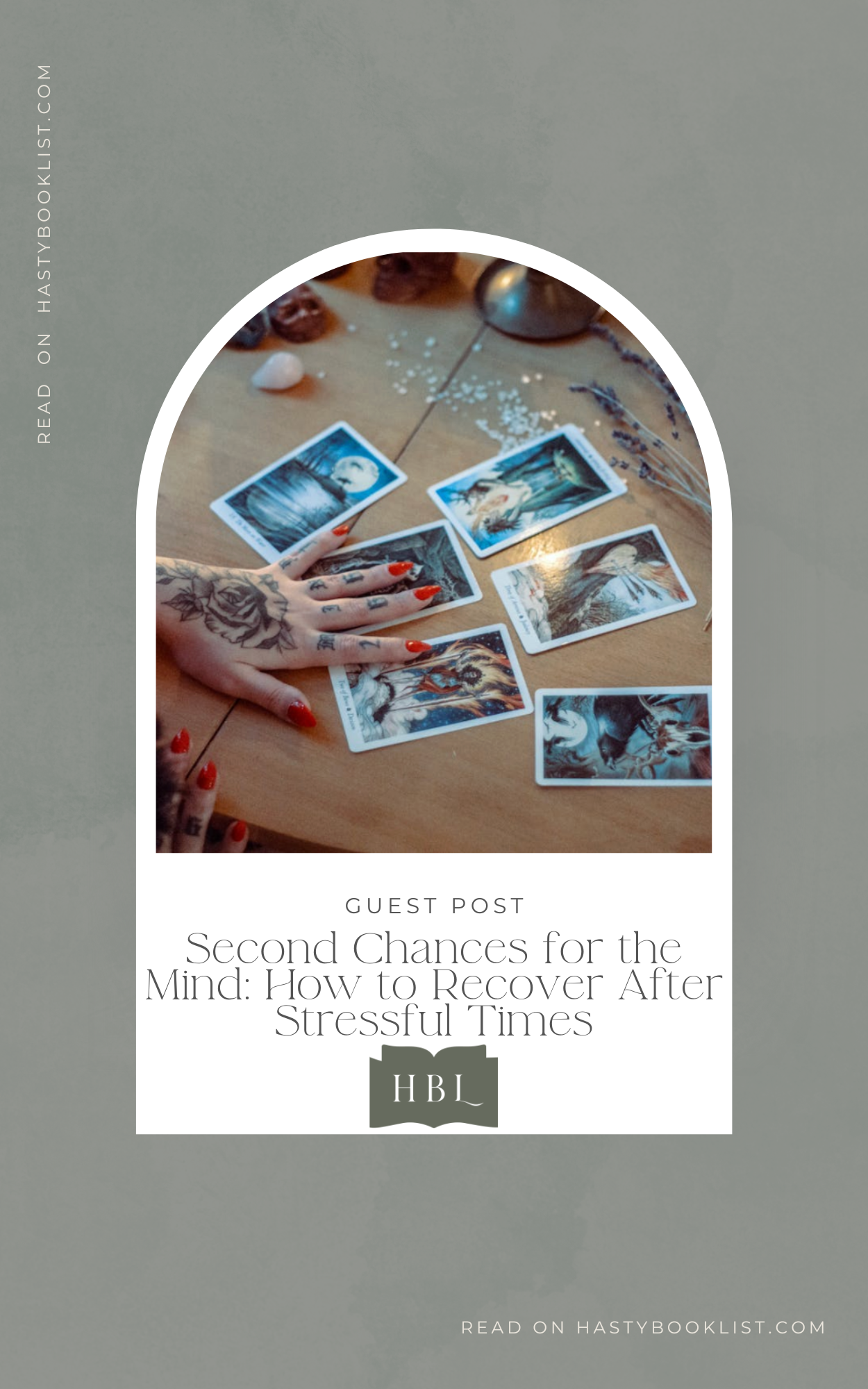
The idea of a mental “reset” isn’t new. Across cultures and traditions, symbols of renewal remind us that the mind and spirit are capable of bouncing back. In tarot, the card of Judgement reflects that sense of rising again after hardship. It doesn’t signal perfection but instead offers the gentle truth that we are allowed second chances, and that growth often comes after difficult stretches.

Photo by Pedro Rey
Understanding the Weight of Stress
Stress isn’t just a quick jolt of adrenaline. It can creep into daily life and build up over time. Many people describe feeling like they are walking around with a heavy backpack they can’t take off. This weight can affect sleep, mood, and even self-trust.
When stress lingers, we may start to question whether we can handle challenges at all. That doubt can be more damaging than the stressful event itself. Recognizing this is the first step toward recovery. It’s not weakness. It’s simply a sign that your body and mind are asking for care.
Small Rituals That Create Space
Recovery doesn’t need to mean a total life overhaul. Sometimes the smallest rituals bring the greatest sense of grounding. A quiet walk after dinner, writing in a journal before bed, or brewing tea mindfully can give the mind a chance to slow down. Even styling your space like adding DIY living room end tables where you can set your tea or journal can turn ordinary routines into intentional moments of calm.
Think of these habits as small resets. They may not erase stress, but they can teach the mind and body that safety and calm are possible. Over time, those small pockets of peace add up.
Rebuilding Trust in Yourself
One of the hardest parts of coming back after stressful times is believing in your own ability to handle what’s ahead. Anxiety can whisper the story that you’ve failed or that you’re not strong enough. That isn’t true.
Start with gentle reminders of what you’ve overcome before. Even listing small victories—like finishing a project when you wanted to give up or having the courage to ask for help—can rebuild trust. Self-compassion practices, such as speaking to yourself like you would to a close friend, can also shift the inner voice away from criticism.
The Role of Reflection
Reflection doesn’t mean replaying every detail of what went wrong. Instead, it’s about creating meaning. Asking simple questions like “What did I learn?” or “What matters most now?” can transform anxiety into perspective.
This is where the symbolic power of the Judgment card resonates. It encourages looking back, not with shame, but with curiosity. Reflection can turn mistakes into stepping stones and heavy moments into valuable lessons.
Movement as Medicine
Physical activity often works like a pressure valve for stress. You don’t need an intense workout to feel the effects. A light stretch in the morning, a walk through nature, or dancing to music in your living room can shift both mood and energy.
Movement reminds the body that it isn’t trapped in tension. It offers proof that you are capable of forward motion, even when your mind feels stuck.
Rest Without Guilt
Rest can be one of the hardest things to allow when recovering. Many people feel guilty for slowing down, as if rest is wasted time. In reality, it is one of the most important tools for healing.
Try reframing rest as fuel. Sleep, naps, or even quiet time without distractions fill the mental tank. When you begin again, you’ll have more energy to move forward.
Community and Connection
Stress can create isolation, but connection can be a bridge back to balance. Talking with a trusted friend, joining a supportive group, or simply spending time with people who bring comfort can ease the recovery process.
Sharing your story doesn’t have to mean spilling every detail. Even small conversations remind you that you are not alone and that support exists outside your own thoughts.
Giving Yourself Permission to Begin Again
At its core, recovery after stressful times is about giving yourself permission. Permission to rest. Permission to reflect. Permission to rebuild trust. Most importantly, permission to start again.
You don’t need to erase the past or pretend it didn’t happen. Instead, you can carry forward with the wisdom it gave you. Stressful periods can mark the end of a chapter, but they can also open space for renewal. Second chances are not rare—they are always available when we choose to take them.

Photo by Alina Vilchenko
Final Thoughts
Stress may leave scars, but it doesn’t define who you are. Each moment is an opportunity to shift, soften, and try again. Second chances for the mind come when we treat ourselves with patience, compassion, and openness. Renewal is always possible, and even in the most overwhelming moments, the path back to balance begins with a single gentle step.