

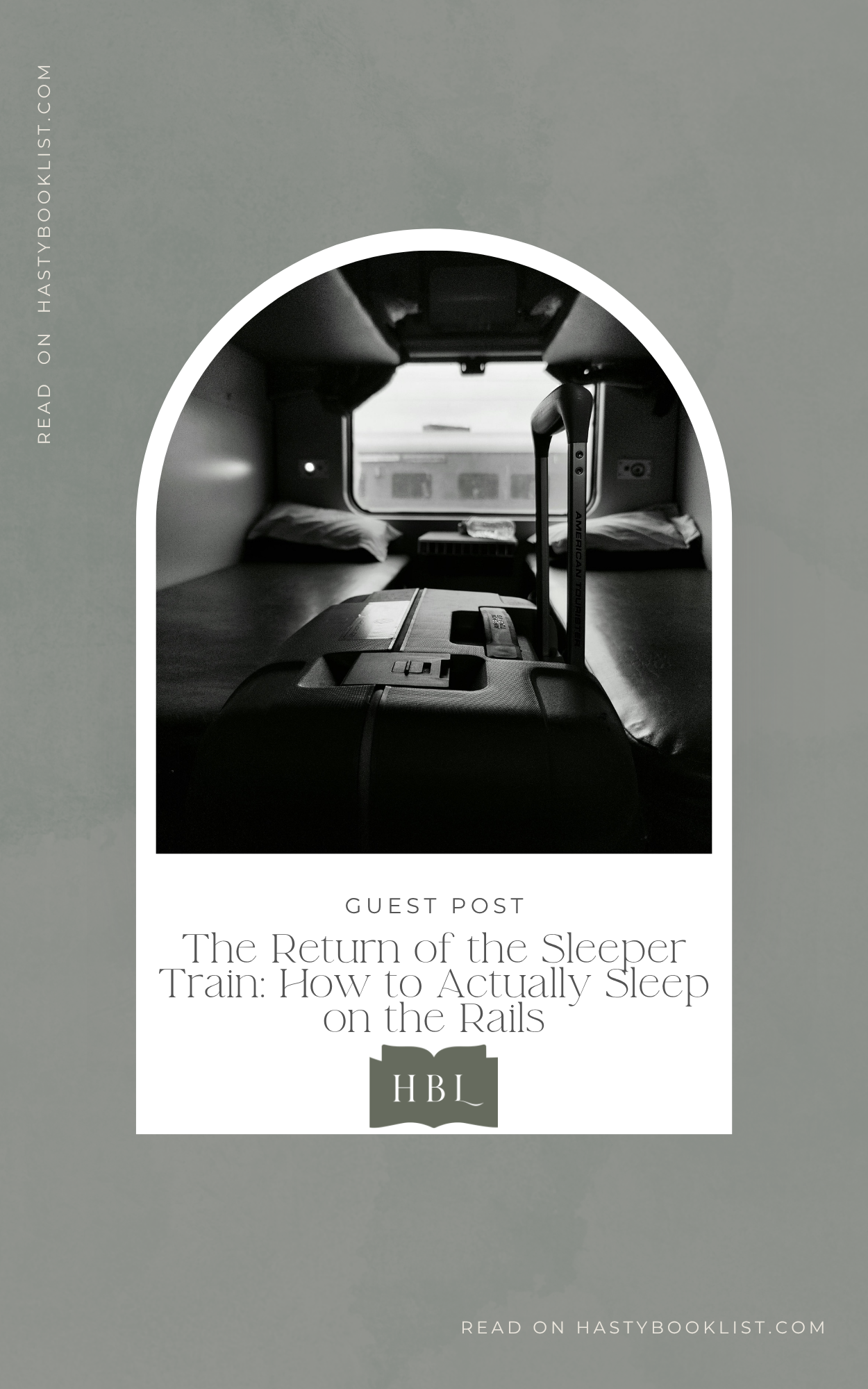
The Return of the Sleeper Train: How to Actually Sleep on the Rails
Sleeper trains are having a moment. After decades of decline, overnight rail is back in fashion across Europe, driven by a mix of flight shame, the appeal of waking up in a new city centre, and a genuine nostalgia for a slower way of travelling. New routes are opening, old carriages are being refurbished, and the night train has gone from a curiosity to a sensible alternative to the early-morning flight.
The romance is real. You step aboard in one country in the evening, eat dinner as the landscape slides past, and wake somewhere entirely different, having crossed a continent while unconscious. The catch is that the reality of sleeping on a moving train takes a little technique. Get it wrong and you arrive more frazzled than a budget flight; get it right and it is one of the great pleasures of travel.
Choose your accommodation honestly
The biggest decision is where you sleep, and it is worth being honest with yourself about what you can tolerate. The cheapest option is a reclining seat, which is fine for the young, the broke or the genuinely able to sleep anywhere, and miserable for everyone else. Couchettes, the fold-down bunks shared with up to five strangers, are a sociable middle ground but light on privacy and quiet.
If sleep genuinely matters to you, a private sleeper cabin is worth the extra cost. Having your own door, your own light switch and a proper berth changes the experience entirely. On an overnight journey you are effectively paying for a hotel room and the transport at once, which makes the premium easier to justify than it first appears.
Pack for the conditions
A sleeper cabin gives you the basics, but the comfort is in the details you bring. Earplugs and an eye mask are non-negotiable, because trains are noisy and the lighting at station stops is unforgiving. The carriage temperature swings wildly through the night, so layers you can add or shed without getting up are far better than a single thick jumper.
A small bottle of water saves you fumbling down a corridor at 3am, and a few snacks cover the gap if the dining car has closed. Keep your valuables and passport in something you can sleep with or lock away, since border checks and station stops can mean strangers passing your door.
Work with the motion, not against it
The rhythm of a train is either a lullaby or a torture depending on how you frame it. Most people find the gentle rocking soothing once they stop fighting it. The jolts come at stops and junctions, so the deepest sleep tends to happen on the long open stretches between cities. Lying with your head towards the direction of travel, or the opposite, is a matter of personal preference worth experimenting with, as it changes how the braking and acceleration feel.
Lower bunks are generally calmer than upper ones, which sway more and require a climb in the dark. If you have a choice, take the bottom.
Manage the timeline
Sleeper trains often arrive early, sometimes uncomfortably so, and many let you stay aboard for a while after pulling in. Find out in advance, because being turned out onto a cold platform at 6am with nowhere to go is a poor end to an otherwise lovely night. Plan the morning gently. A left-luggage locker and a leisurely breakfast beat dragging a suitcase round a strange city before the cafes open.
The contrast with home
Part of what makes a sleeper train special is precisely that it is temporary. A narrow berth and a thin railway mattress are charming for a night because you know your own bed is waiting at the end of the trip. That contrast is worth holding onto. The novelty of sleeping on the rails is wonderful, but it also tends to remind people how much they value the comfort of their own bed at home, the one place sleep should never be a compromise.
Worth the effort
The night train asks a little more of you than a flight. You have to pack thoughtfully, choose your cabin wisely and make peace with the motion. In return it gives you something flying never will: the strange magic of falling asleep in one place and waking, rested, somewhere new, with a whole day ahead instead of a queue at baggage reclaim.
For a generation rediscovering slow travel, that trade is looking better all the time. Master the small techniques, treat the experience as part of the holiday rather than a means to an end, and the sleeper train earns its romance.