
What Books Looked Like Before Paperback Book Printing
Today, books are everywhere. Paperbacks fill shelves, libraries lend millions of volumes, and digital editions can be downloaded in seconds. But before the invention of the printing press by Johannes Gutenberg, books were rare, handcrafted objects that required enormous time and skill to produce. Every copy was written by hand, making books not only valuable sources of knowledge but also remarkable works of craftsmanship.
Understanding what books looked like before paperback book printing gives us a glimpse into a world where reading was a privilege and books were treasured possessions.
Handwritten Manuscripts
Before mechanical printing, books existed primarily as manuscripts—texts copied by hand. Skilled scribes reproduced works letter by letter, often working for months or even years to complete a single volume.
Most manuscripts were produced in monasteries or specialized workshops. Monks and professional scribes devoted their lives to copying religious and scholarly texts. Accuracy was important, but perfection was difficult to achieve. Errors appeared frequently, and corrections were often squeezed into margins or written above crossed-out words.
Because copying was so slow, books were extremely scarce. A monastery library with a few hundred volumes was considered impressive, and many communities might only have access to a handful of books.
Books were valuable enough that some libraries chained them to desks or shelves to prevent theft.
Materials and Craftsmanship
The materials used in manuscript production were expensive and labor-intensive to prepare. Before paper became widely available in Europe, most books were written on parchment or vellum, both made from treated animal skins.
Creating a single manuscript required careful preparation:
Animal skins were cleaned and stretched
Surfaces were scraped smooth
Sheets were cut and folded
Pages were ruled with guidelines
Large manuscripts could require dozens of animal skins, making them costly even before any writing began.
Ink was typically made from natural ingredients such as soot, plant extracts, and metal salts. Despite their simple origins, these inks were remarkably durable, which is why many manuscripts survive centuries later.
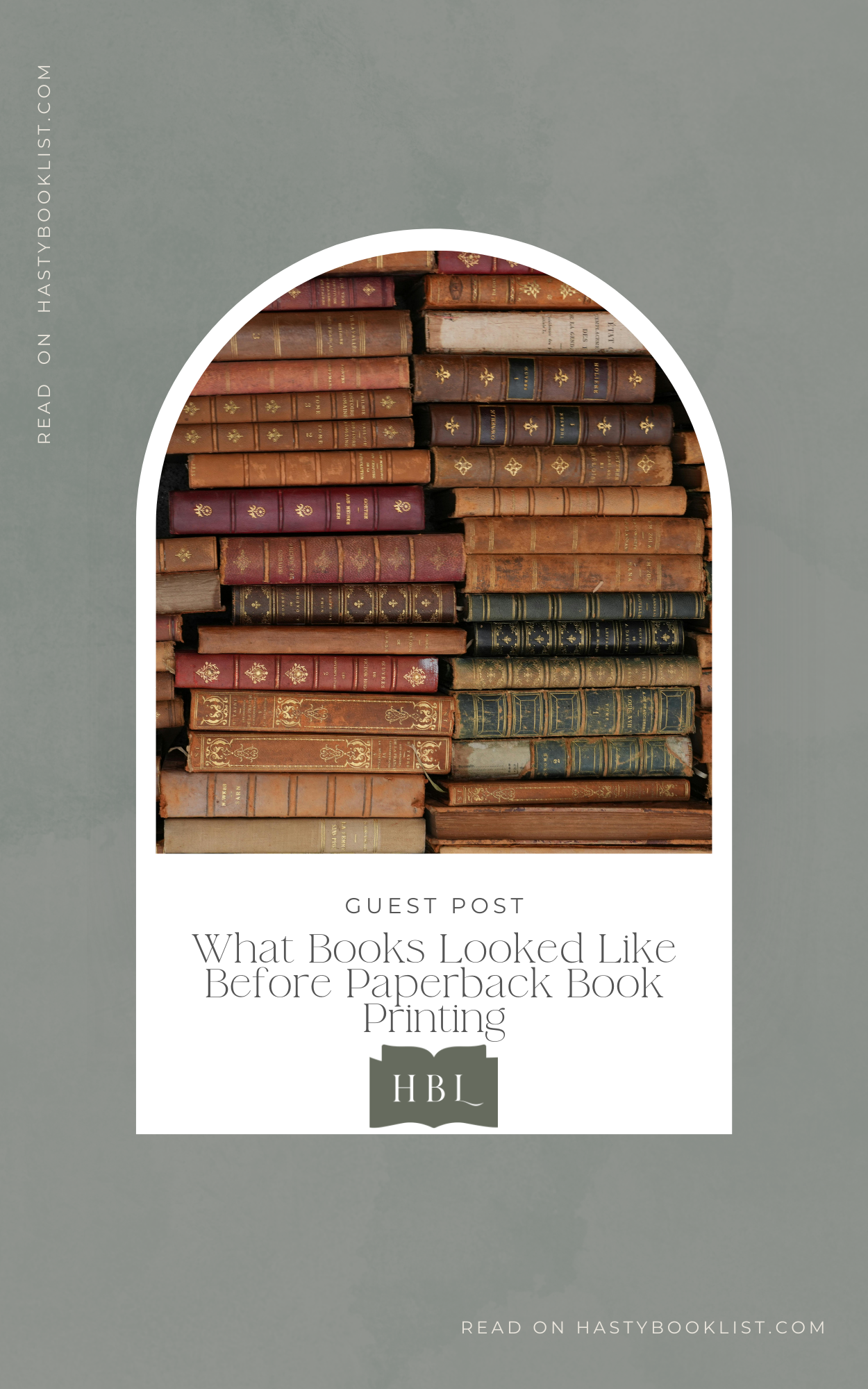
The finished pages were sewn together and protected by sturdy covers, usually wooden boards wrapped in leather. Many books included metal clasps to keep the pages flat and protected from moisture.
The Beauty of Illuminated Books
Some manuscripts went far beyond simple text. Wealthy patrons often commissioned elaborately decorated books known as illuminated manuscripts.
One of the most famous examples is the Book of Kells, a masterpiece of medieval artistry. Its pages are filled with intricate patterns, vivid colors, and detailed illustrations that demonstrate the extraordinary skill of the artists who created it.
Illuminated manuscripts often featured:
Gold leaf decorations that reflected light
Decorative borders around pages
Painted scenes from religious stories
Large ornamental initials
These artistic elements served both practical and symbolic purposes. Decoration helped guide readers through the text while also expressing the importance of the work.
For wealthy owners, a beautifully illuminated manuscript was not just a book—it was a statement of status and devotion.
The Physical Appearance of Early Books
Many pre-printing books resembled modern volumes in their basic structure, but they often looked and felt very different.
Manuscripts tended to be heavier and more durable than most modern books. Thick wooden covers and tightly sewn bindings were designed to protect the valuable pages inside. Some books were so large that they had to be placed on stands rather than held in the hands.
Typical features included:
Large pages designed for easy reading
Leather-covered wooden boards
Metal fittings or clasps
Handwritten titles or opening pages
Title pages, as we know them today, were uncommon. Instead, books often began directly with the text or with a decorative introduction.
Page Layout and Design
Medieval manuscripts developed design conventions that still influence books today. Even without printing technology, scribes created orderly and readable pages.
Many manuscripts included:
Two columns of text per page
Wide margins for notes
Large decorated initials at the start of sections
Important words written in red ink
The use of red ink for headings and instructions gave rise to the term “rubric,” which comes from the Latin word for red.
Margins were especially important. Readers frequently added comments, explanations, or corrections in the blank spaces around the text. These notes provide historians with valuable insights into how books were used.
Languages and Readers
Most manuscripts in medieval Europe were written in Latin, the language of education and the Church. As a result, books were primarily intended for clergy and scholars rather than ordinary people.
Common types of manuscripts included religious texts, legal works, and classical literature. These books were used in monasteries, universities, and royal courts.
Typical manuscript owners included:
Monasteries that maintained small libraries
Universities that supported teaching and research
Nobles who collected books as symbols of learning
Wealthy merchants with private libraries
For most people, books were something to be heard rather than owned. Religious texts and stories were often read aloud in churches or public gatherings.
The Slow Process of Copying
Producing a manuscript required careful coordination between several craftspeople. A single book might pass through many hands before it was finished.
The process typically involved:
Preparing the writing material
Ruling lines on the pages
Copying the text
Adding illustrations and decoration
Binding the pages into covers
Even a modest manuscript could take months to produce. Larger works, such as complete Bibles, sometimes required years of effort.
Because each copy had to be written separately, the number of books available remained small.
The Limits of Handwritten Books
Manuscript production shaped the intellectual world of the Middle Ages, but it also imposed clear limits.
Handwritten books meant:
Slow production of new copies
High costs for materials and labor
Frequent copying errors
Limited circulation of ideas
Knowledge spread gradually, and access to learning remained restricted.
These limitations made the arrival of printing especially significant.
The Shift Toward Printing
When printing technology appeared in Europe during the fifteenth century, it transformed the production of books. Early printed works often imitated manuscripts in appearance, making the transition less abrupt for readers.
The famous Gutenberg Bible, for example, was designed to resemble a traditional manuscript. Its typefaces looked like handwriting, and spaces were left for decorative initials to be added by hand.
Printed books offered clear advantages. They could be produced faster, sold more cheaply, and distributed more widely. Over time, printing made books accessible to far more people than ever before.
Why Manuscripts Still Matter
Although printing eventually replaced manuscript production, handwritten books remain invaluable historical artifacts.
Each manuscript is unique, preserving traces of the people who created and used it. Marginal notes, decorative styles, and even small mistakes tell stories about readers and scribes from centuries ago.
Before printing, books were not everyday objects but carefully crafted creations. They combined text, art, and craftsmanship in ways that modern mass production rarely matches.
Looking back at these early books reminds us how extraordinary it once was simply to own a volume—and how dramatically the world changed once books could be printed in large numbers.