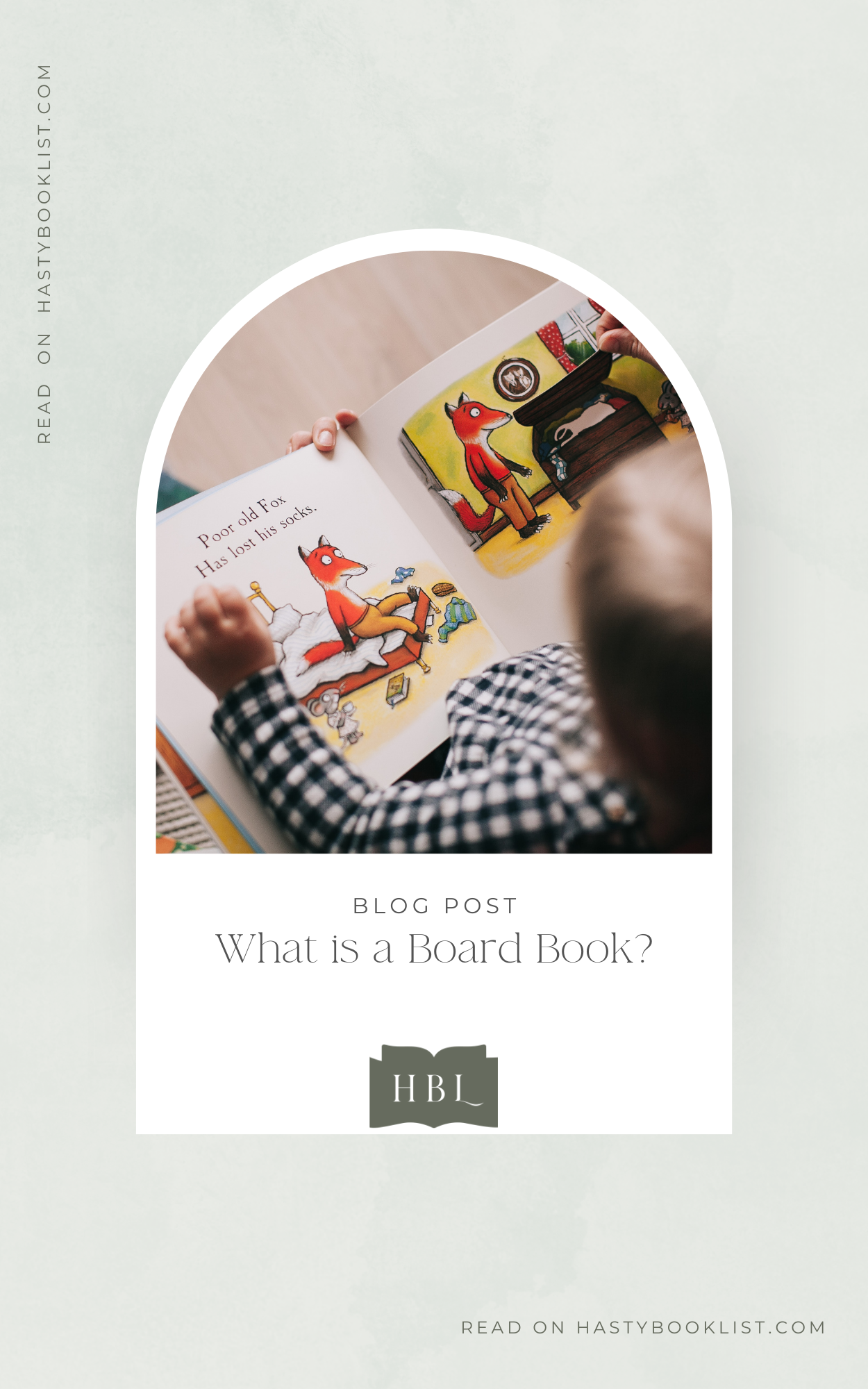
What is a Board Book?
When we think about early childhood development, we often focus on big milestones—first words, first steps, first friendships. But one of the most powerful tools supporting early brain development is something much quieter: reading together. Among all types of books, board books are some of the most effective tools supporting early child development. They are beloved by parents, caregivers, and early educators because they combine durability, safety, and meaningful early learning opportunities in one format.
Board books are incredibly popular among families with young children because they are designed specifically for real life with babies and toddlers. They can survive being dropped, chewed, thrown, and loved repeatedly. But despite their popularity in the world of children books, choosing the right board books can feel overwhelming. There are thousands available, and not all support development in the same way.
Today, we’re going to answer a foundational question: What is a board book? Understanding this helps you choose age-appropriate reading materials that support language development, sensory exploration, and early literacy—while also helping you navigate the transition from board books to picture book formats and eventually to hardcover books for older children.
What is a Board Book?
A board book is not simply a thicker version of a traditional book. It is a purpose-built learning tool designed specifically for babies and toddlers during the earliest stages of development.
Board books are printed on thick paperboard or cardboard pages instead of thin paper. This construction makes them durable enough to withstand chewing, spills, bending, and rough handling—behaviors that are completely developmentally normal for infants and toddlers. Many board books are laminated or printed on heavy stock and feature rounded corners for safety, reducing the risk of paper cuts or sharp edges.
Another defining feature is size and weight. Board books are usually small and lightweight so little hands can hold them independently. This matters because early independence with books builds confidence and positive associations with reading.
Unlike some children books written for later stages, board books typically emphasize:
Simple, high-contrast visuals
Repetition and rhythm
Early vocabulary building
Concept learning (colors, shapes, animals, emotions)
Board books play a unique role among types of books because they are often a child’s first introduction to storytelling and symbolic thinking. They bridge sensory exploration and language acquisition—two critical building blocks for literacy success.
What Age Are Board Books For
Board books support multiple stages of early development and can evolve with your child.
0–12 Months
At this stage, babies benefit most from sensory and visual stimulation. Board books with high-contrast images, mirrors, textures, or simple faces are ideal. Reading at this age supports bonding, auditory processing, and early visual tracking.12–24 Months
This is when board books really shine. Toddlers begin practicing page turning, identifying objects, and repeating words. Board books that use repetition or single-word labeling are especially powerful for vocabulary building.24–36 Months
Board books are still valuable, but many children begin transitioning toward picture book formats with longer narratives. Board books remain helpful for independent reading practice and bedtime routines, especially for toddlers and preschoolers who still enjoy predictable, familiar stories.
Even as children grow into older children, the skills learned through early board book exposure—like print awareness and story sequencing—continue to support reading success.
What Is A Board Book vs Hardcover
Construction And Durability
Board books use thick cardboard pages, while hardcover books have thin paper pages inside a rigid cover. Board books can survive chewing and rough handling, while hardcover pages can tear easily when handled by young children.
Target Audience
Board books target infants and toddlers. Hardcover books are better suited for older toddlers, toddlers and preschoolers, and eventually older children who can turn paper pages carefully.
Content Complexity
Board books typically focus on basic concepts like colors, numbers, or very simple narratives. Hardcover children books can support longer, more complex storytelling with richer text and character development.
Safety And Practicality
Rounded corners and sturdy construction reduce choking hazards and injury risks. This makes board books ideal for floor play, stroller reading, and independent exploration.
Cost And Value
Board books may cost more per page, but they are extremely cost-effective because they survive repeated toddler use. Hardcover books vary widely in price depending on printing and binding quality.
What Are Must Have Board Books
Below are some widely loved board books across age ranges. These represent excellent entry points across multiple developmental stages.

Best Board Books for Infants
Brown Bear, Brown Bear, What Do You See? (Board Book)
This classic introduces pattern recognition, color identification, and rhythm. The repetitive structure helps babies anticipate language patterns, which supports early speech development. It’s a staple in children books collections and an easy entry point into reading routines.
Baby Touch and Feel Animals (Board Book)
Touch-and-feel board books help connect sensory exploration with language. These are especially helpful during the first year when babies learn through touch as much as sight.
Best Board Books for Babies
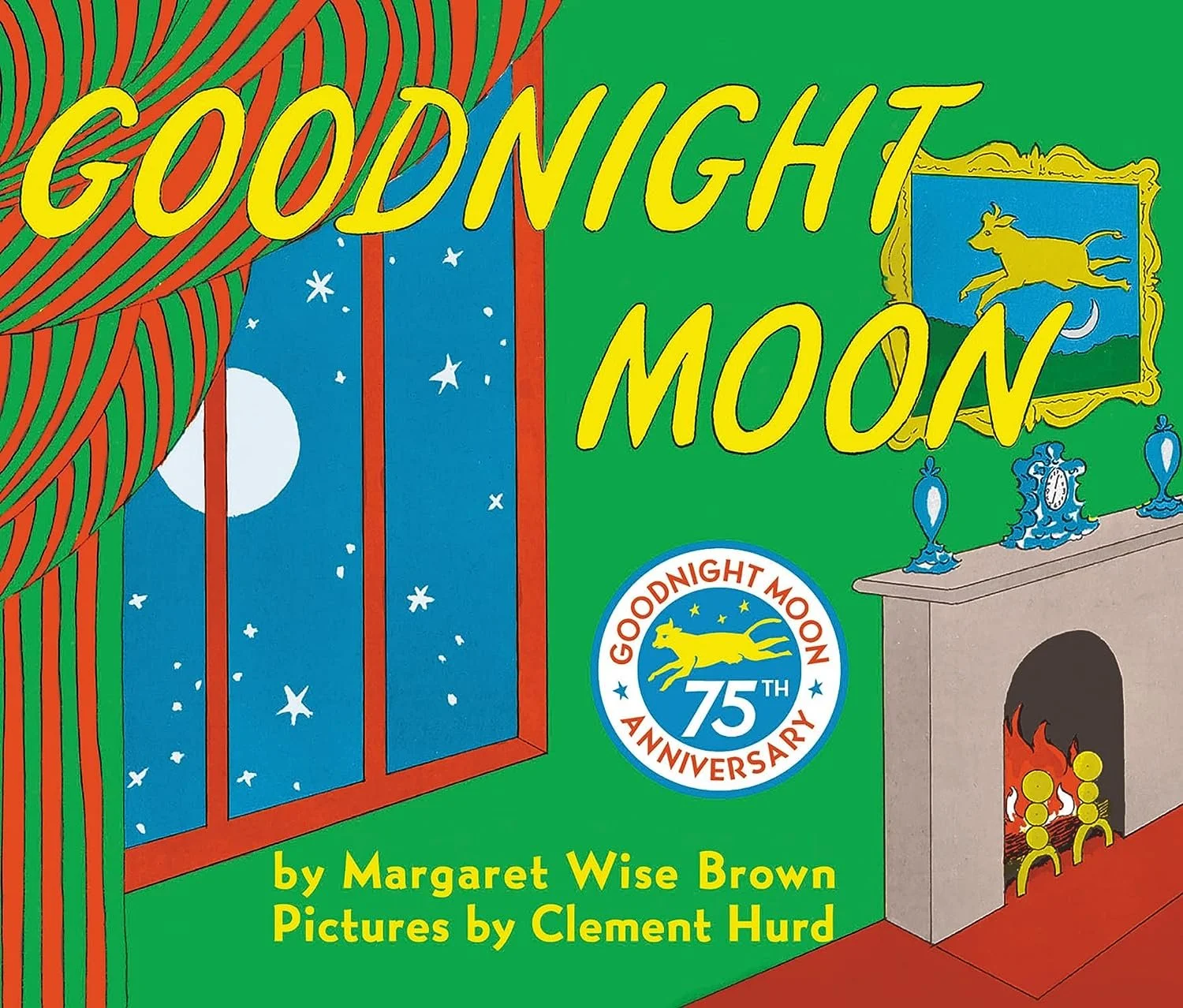
Goodnight Moon (Board Book)
This is one of the most iconic bedtime children books ever created. The soothing cadence and predictable structure help establish bedtime routines and emotional regulation.
The Very Hungry Caterpillar (Board Book)
This book blends counting, days of the week, and transformation themes in a visually engaging way. It’s often a child’s first exposure to narrative storytelling beyond simple labeling.

Best Board Books for Toddlers
Dear Zoo (Board Book)
Interactive flap books help toddlers connect cause and effect while building anticipation and curiosity—key skills that transfer to picture book comprehension later.
Little Blue Truck (Board Book)
This story introduces narrative structure while reinforcing themes of friendship and community—great emotional learning for young children.
Board Books for Preschoolers
Press Here (Board Book Edition)
This interactive book teaches cause-and-effect thinking and introduces early STEM-style thinking through play.
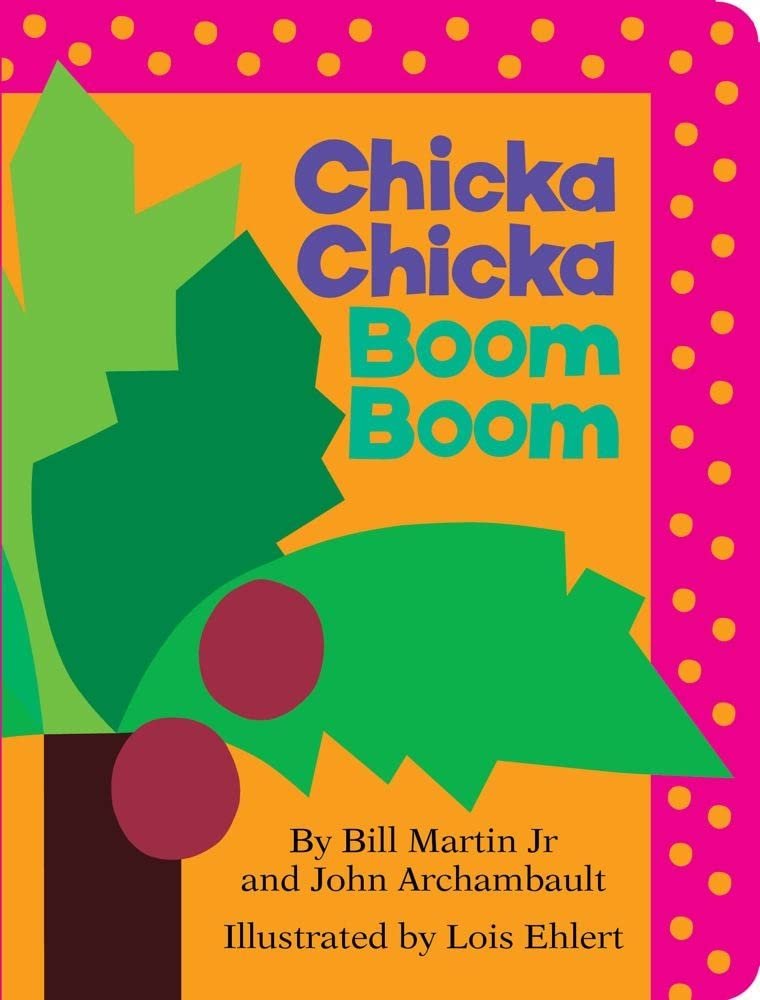
Chicka Chicka Boom Boom (Board Book)
Alphabet learning combined with rhythm makes this an excellent bridge between board books and early literacy instruction.
How Board Books Fit Into The Bigger Reading Journey
Board books are the foundation of lifelong reading habits. They introduce structure, rhythm, and the emotional comfort of shared reading. As children grow, they transition into picture book storytelling, then early readers, then chapter books and eventually complex novels for older children.
If you’re building a strong home library, I also recommend exploring authors who specialize in early literacy storytelling. You can explore this list of best children's book authors to expand your collection strategically.
Final Thoughts
Board books are one of the most important investments you can make in early literacy. They are not just durable—they are developmentally strategic. Among all types of books, board books uniquely support the earliest stages of language, sensory integration, and emotional bonding.
Whether you are reading to infants, exploring early vocabulary with toddlers, or supporting independence in toddlers and preschoolers, board books create the foundation for confident readers. And while children eventually graduate to hardcover books, the skills learned through board books carry forward for years.
When choosing board books, think about:
Developmental stage
Durability needs
Learning goals (vocabulary, sensory, narrative)
Engagement level for your child
The right board books don’t just entertain—they help shape how children see books, stories, and learning for the rest of their lives.