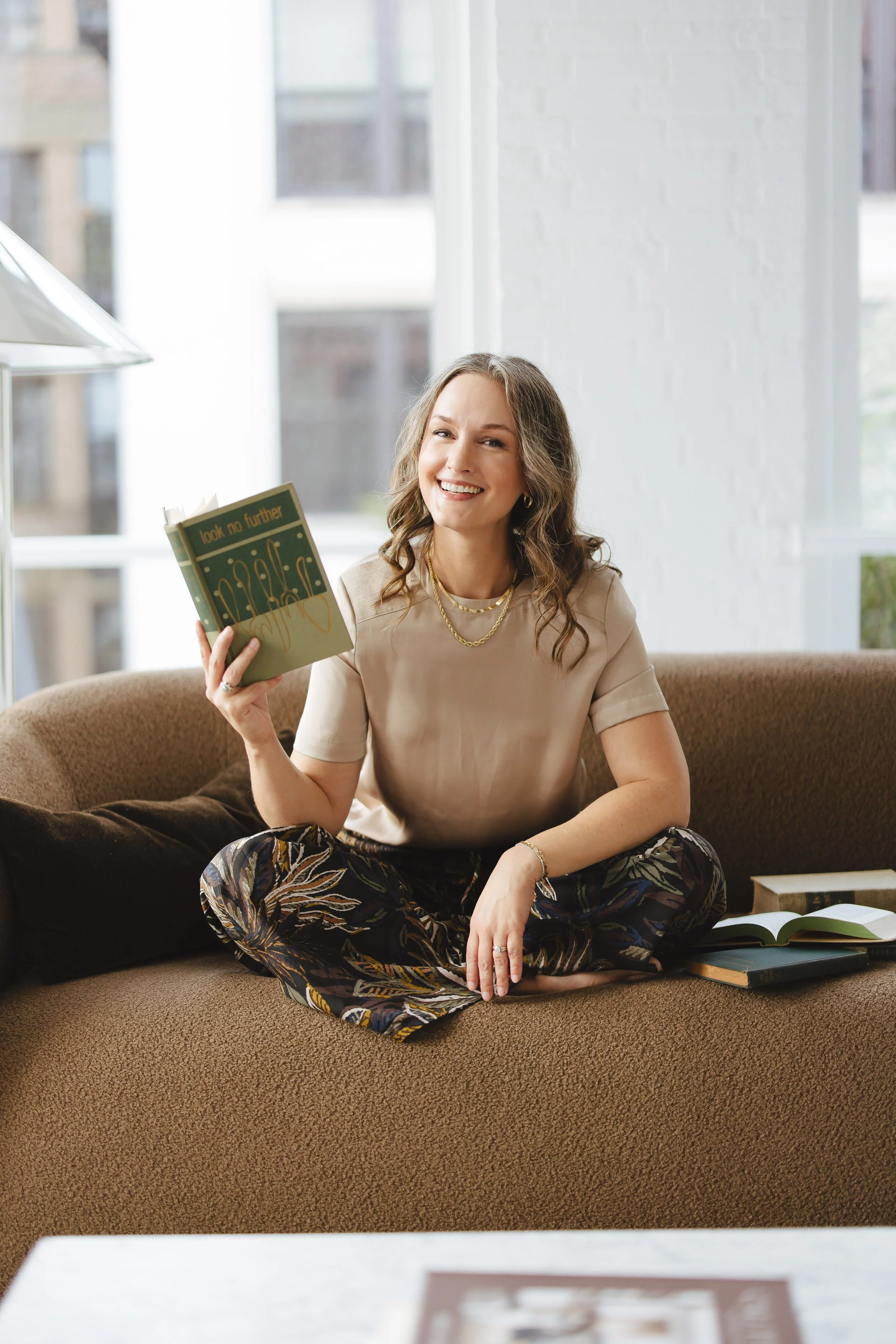
On September 10, the Chicago Literary Salon gathered at the beautiful Pallas Studio for a different kind of literary evening—one centered not on a finished book, but on everything that happens before there is a book at all.
The evening marked the first installment of A Life in Stories: Conversations About Creativity, Craft, and the Courage to Begin, a series I created with Pallas Studio to explore the creative process: where ideas come from, what makes someone begin, how a creative identity takes shape, and what keeps us returning to the work even when we have no idea where it will lead.
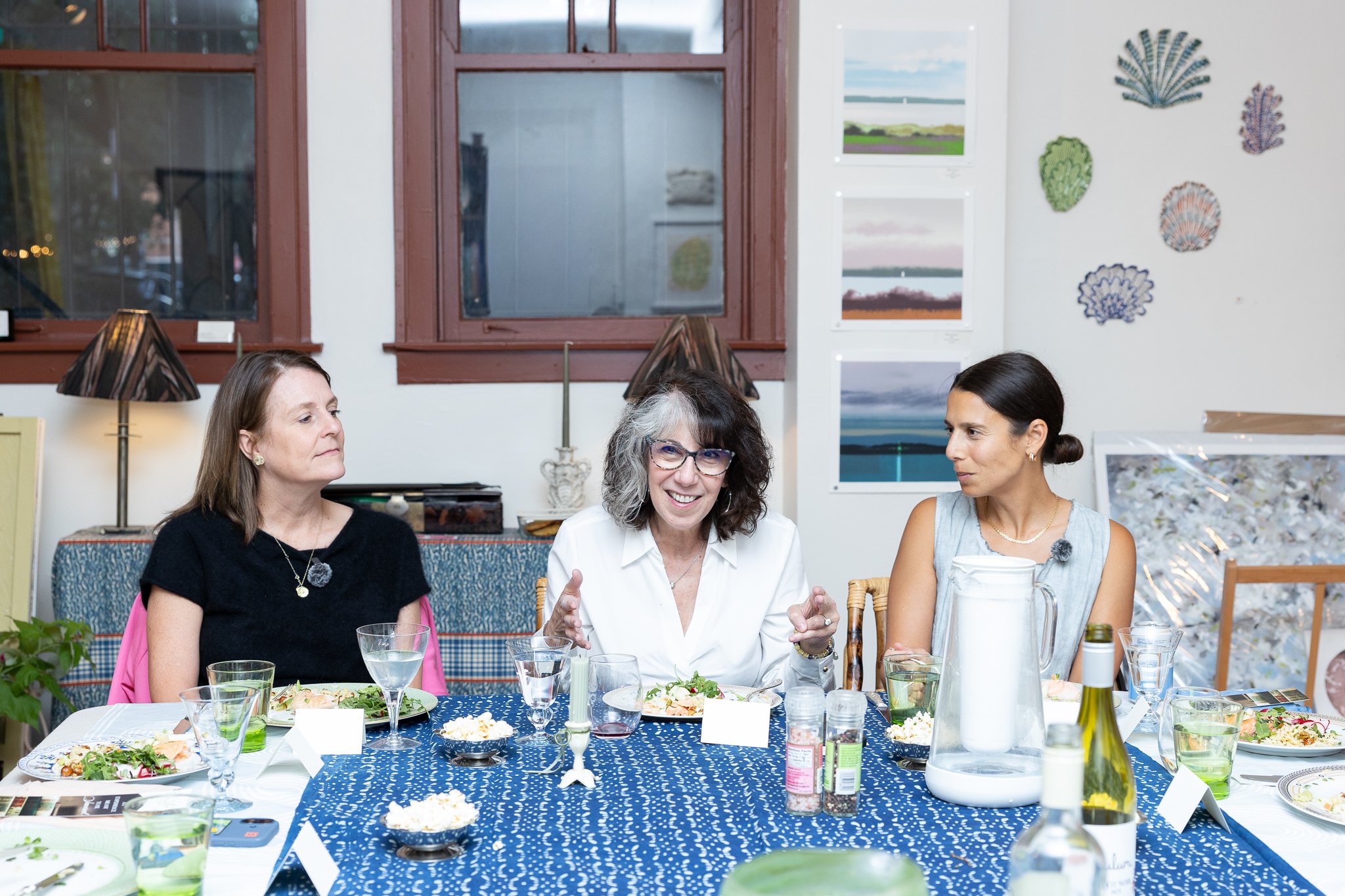
For our first conversation, The First Chapter: How Writers Become Writers, I was joined by three writers at very different points in their careers: USA TODAY bestselling historical fiction author Renee Rosen, New York Times bestselling memoirist Christie Tate, and Sheri Delaney, who recently completed her first novel and is navigating the querying process.
That mix was intentional. I didn't want this to be a conversation exclusively about what happens after publication. I wanted to talk about the much more complicated period before it: when you're writing without knowing where it will lead, learning the craft as you go, and perhaps still deciding whether you're allowed to call yourself a writer at all.
1,000 Authors—and One Question
The timing of this event felt particularly meaningful because I recently published my 1,000th author interview on Hasty Book List.
For years, I've asked every author I interview some version of the same question: Describe the moment you knew you wanted to become an author.
In preparation for the salon, I went back through more than 1,000 responses looking for patterns. Some writers had known since childhood. Some remembered a teacher, parent, mentor, or friend taking their writing seriously before they did. Others traced their writing lives back to the books they loved as readers.
But one of my favorite discoveries was just how many writers didn't fit the familiar story of the child who always knew.
More than 120 authors described writing emerging later in adulthood—after raising children, retiring, losing a job, changing careers, or simply reaching a point in life when something shifted.
Our three featured writers beautifully illustrated how different those beginnings can look.
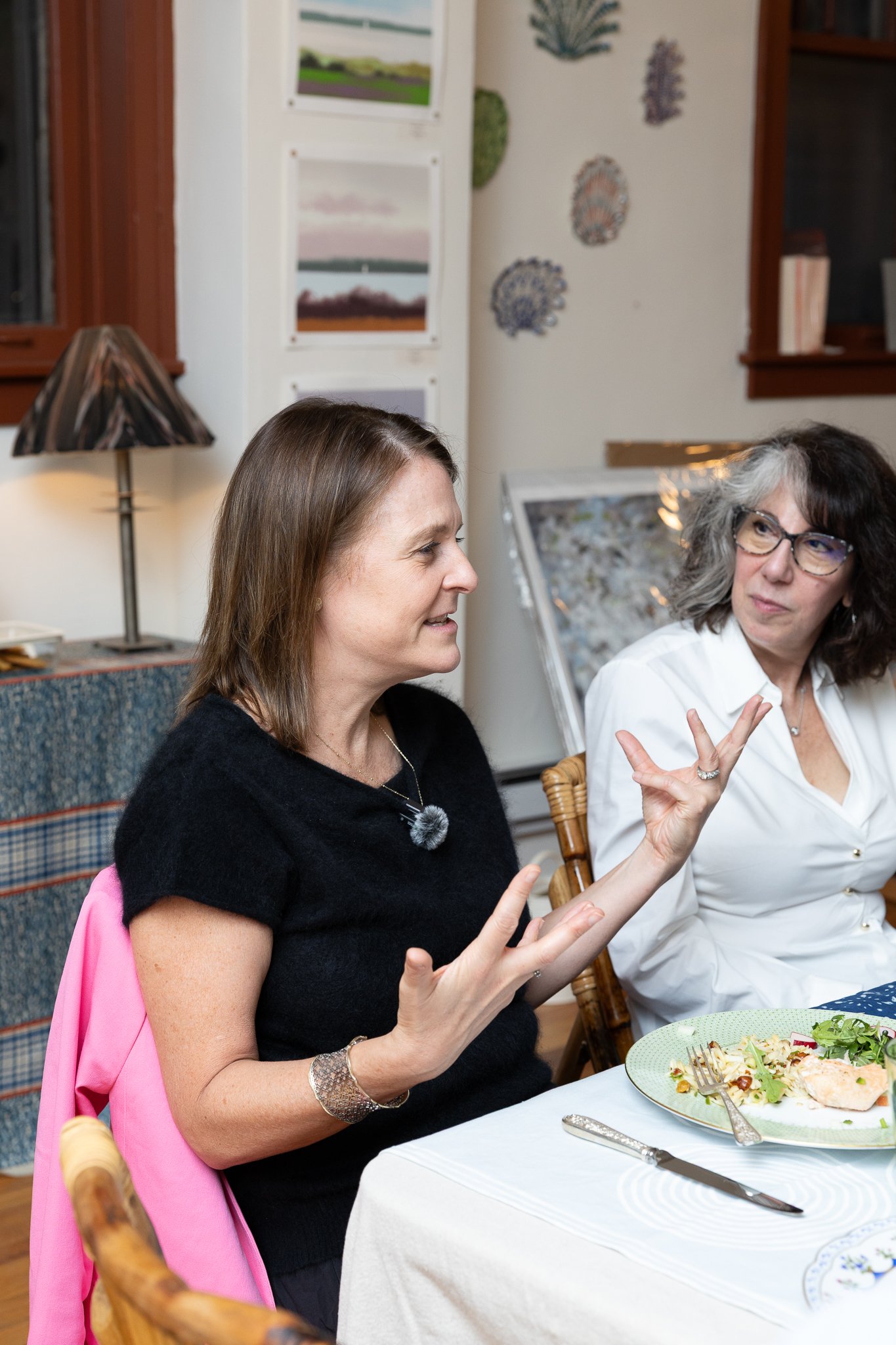
Christie remembered writing as a response to emotion long before she thought of it as a career.
“There was some instinct in me that when things get too filled up in my body, that that would be a way to pour it out,” she told us.
But becoming a mother changed her relationship to creativity altogether.
“I would never have written if I hadn't been a mother,” Christie said, pushing back against the idea that writers require perfect circumstances—or endless uninterrupted hours—in order to create.
Renee's origin story was decidedly different.
“Barbie made me a writer,” she told us.
As a child, Renee wasn't interested in simply dressing Barbie and sending her off with Ken. There needed to be conflict. Motivation. A narrative arc.
“First of all, they're in the middle of a fight,” she remembered telling her friends. “And it has to do with Ken's gambling.”
By 15, after picking up Sidney Sheldon's Rage of Angels, Renee decided, with the wonderful confidence of a teenager, “I could so do this.” She set up a card table and typewriter in her bedroom and wrote her first novel.
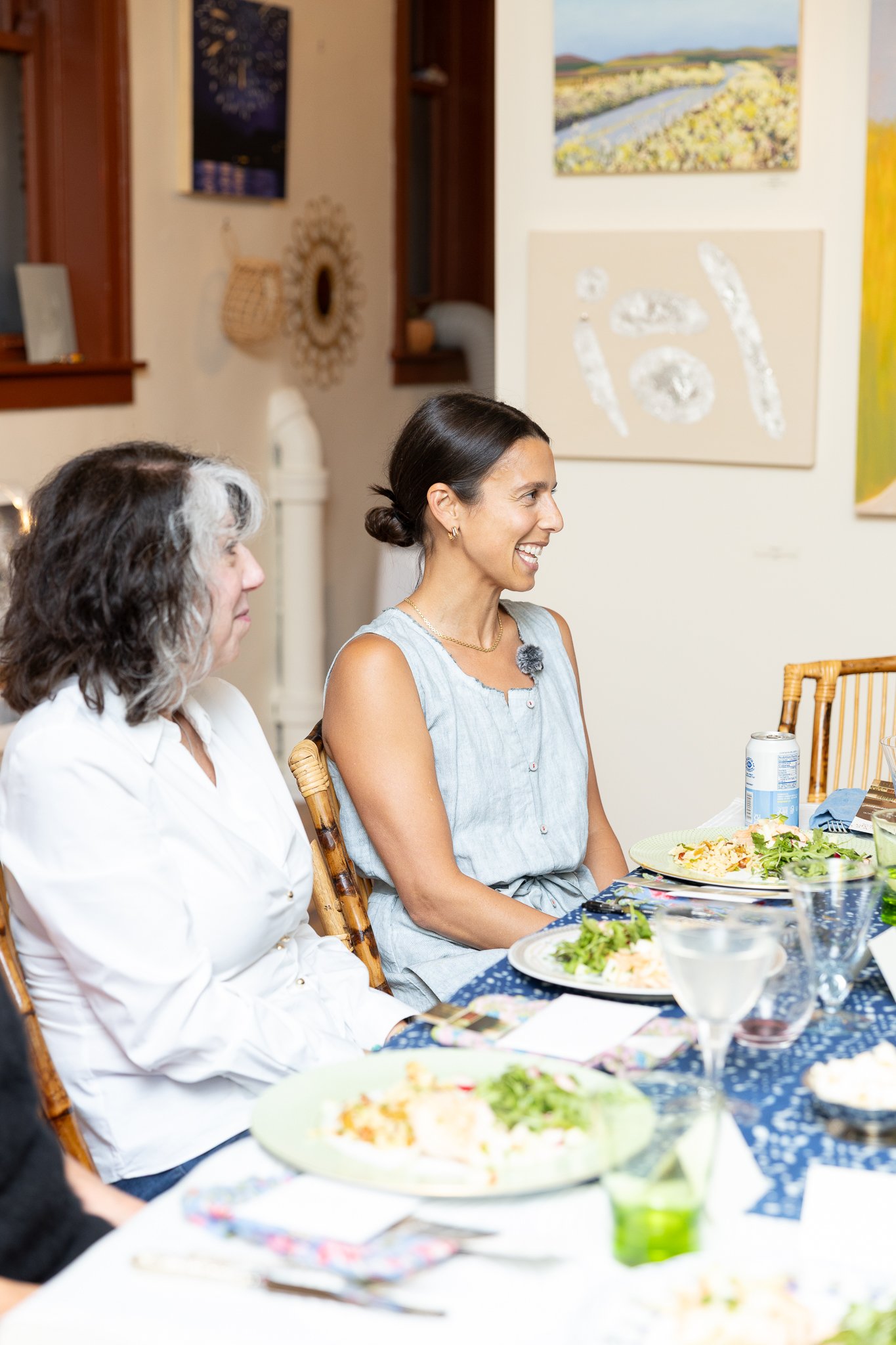
Sheri offered perhaps the most reassuring story for anyone who didn't spend childhood filling notebooks with novels.
“I never thought I was going to be a writer,” she said.
She initially pursued the practical career encouraged by her family, becoming a CPA and working in finance before eventually finding her way through yoga, improv, comedy, screenwriting, and finally prose.
Her path was circuitous—and that was precisely the point.
There isn't one correct origin story.
When Are You Allowed to Call Yourself a Writer?
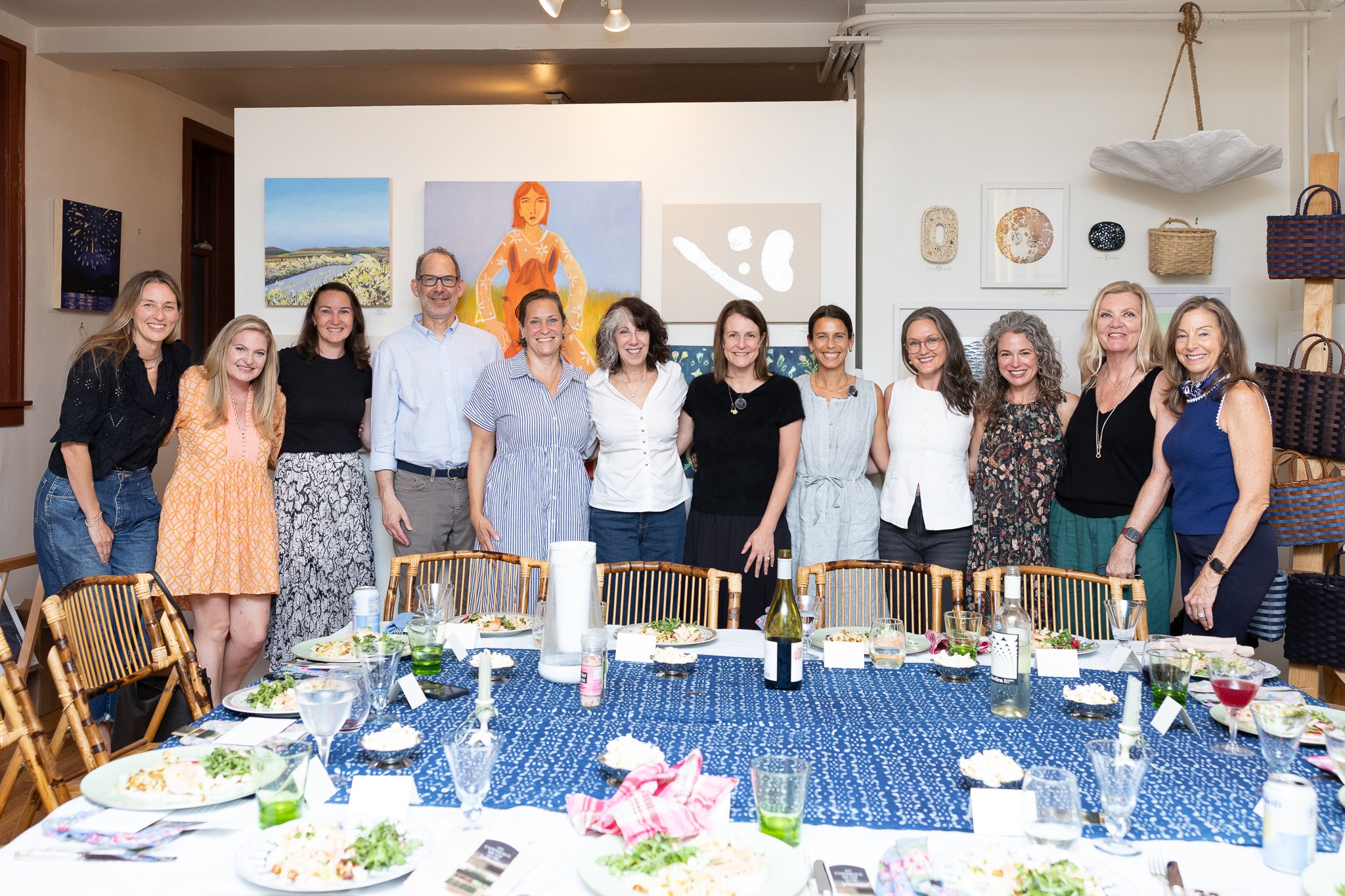
We began dinner by going around the table and asking every guest two questions: What brought you here tonight? And if someone asked you, Are you a writer?, what would you say?
The answers ranged from an immediate yes to considerable hesitation.
Even our published authors understood that hesitation.
Renee, with ten novels to her name, told us that when someone had asked what she did for a living just the day before, she answered simply: “I'm a writer.”
She admitted that even now, she doesn't naturally say “author” or “novelist.”
For Christie, who spent years practicing law before publishing two memoirs and turning to fiction, claiming the identity had to become an internal decision.
“It can't come from the outside,” she said. “It really just can't.”
Not a book deal. Not a bestseller list. Not even a conversation with Reese Witherspoon could do that work for her.
“I was going to have to do the work myself to step into the thing that I was already being and doing.”
Sheri described reaching that point after completing her manuscript. Whatever happened next, she had made something she was deeply proud of.
“How can I not be a writer?” she remembered thinking. “I just wrote it.”
It became one of the central ideas of the evening: perhaps there isn't a single moment when someone bestows the title of writer upon you. At some point, you simply have to give yourself permission to claim it.
Learning to Write
Our conversation moved from becoming a writer to learning how to be one.
Sheri described how finishing her first novel only made her more interested in the mechanics of writing. She wanted to understand not only how to tell a story, but how to bring a reader completely inside it.
Her experience with The Artist's Way had already taught her one of the most useful lessons of the creative process: the first attempt doesn't need to be good.
“It can be so bad, but it can still happen,” she said.
She compared a first draft to putting a hunk of clay on the table. You can't shape, refine, or improve something that doesn't exist.
“If you don't start with anything, then you don't get to play.”
Christie spoke beautifully about the humility required to keep learning a craft that may never feel fully mastered.
“Art is asking for something quieter, steadier,” she said, “less ego and more surrender.”
She still takes writing classes even as she teaches them. The goal, she suggested, isn't really to “master” writing at all.
Maybe it's simply to keep dancing with it.
Would You Still Write If No One Ever Read It?
One of my favorite things about the evening was how quickly the conversation stopped belonging to me.
Questions came from around the table. Authors questioned one another. Guests shared their own experiences. Topics emerged that weren't anywhere in my notes.
At one point, one of our guests posed a hypothetical: If you had a crystal ball and knew with absolute certainty that something you were writing would never be published, would you still write it?
There was no consensus—which made the question much more interesting.
“You've gotta love the process,” Renee said. “Every book is a leap of faith, because just because it's published, it doesn't mean anybody's going to read it.”
The conversation that followed explored ambition, publication, creativity, meaning, failure, and the difference between writing something for yourself and writing because you believe a story needs to reach other people.
Renee eventually offered another way of thinking about the hours writers spend alone with their work.
“How lucky are we that we have the escape hatch?” she asked.
Writing, she said, gives you the extraordinary experience of entering another world so completely that you can lose track of time.
Christie offered a distinction I loved: writing may be solitary, but it doesn't necessarily have to be lonely.
Around the Table at Pallas Studio
That exchange captured exactly what Meryl and I hoped to create when we first began talking about this series at Pallas Studio.
So many author events understandably revolve around the finished product: the book is published, the author is touring, readers gather to hear the story behind it, and books are sold and signed.
This evening wasn't about a finished product.
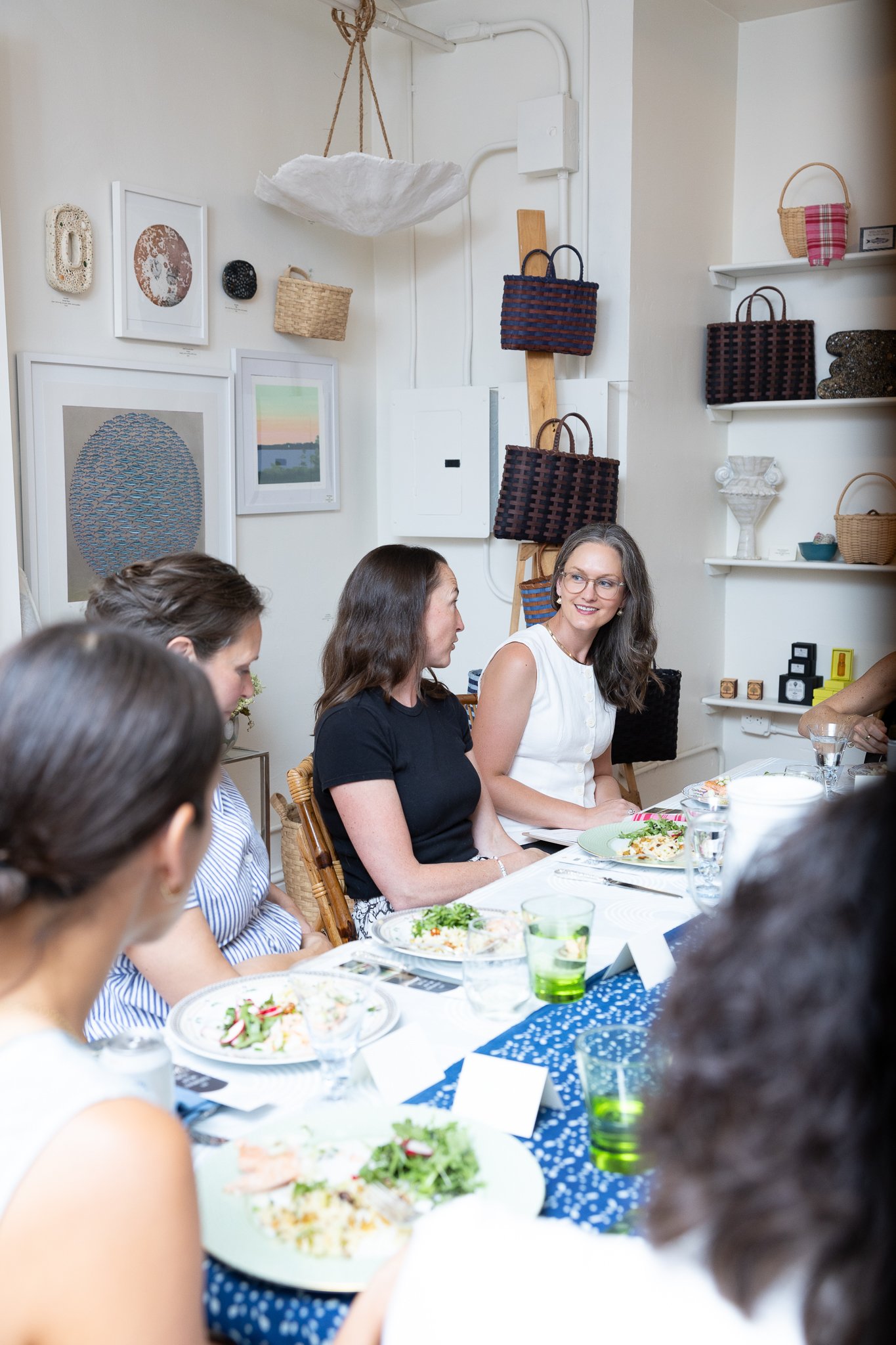
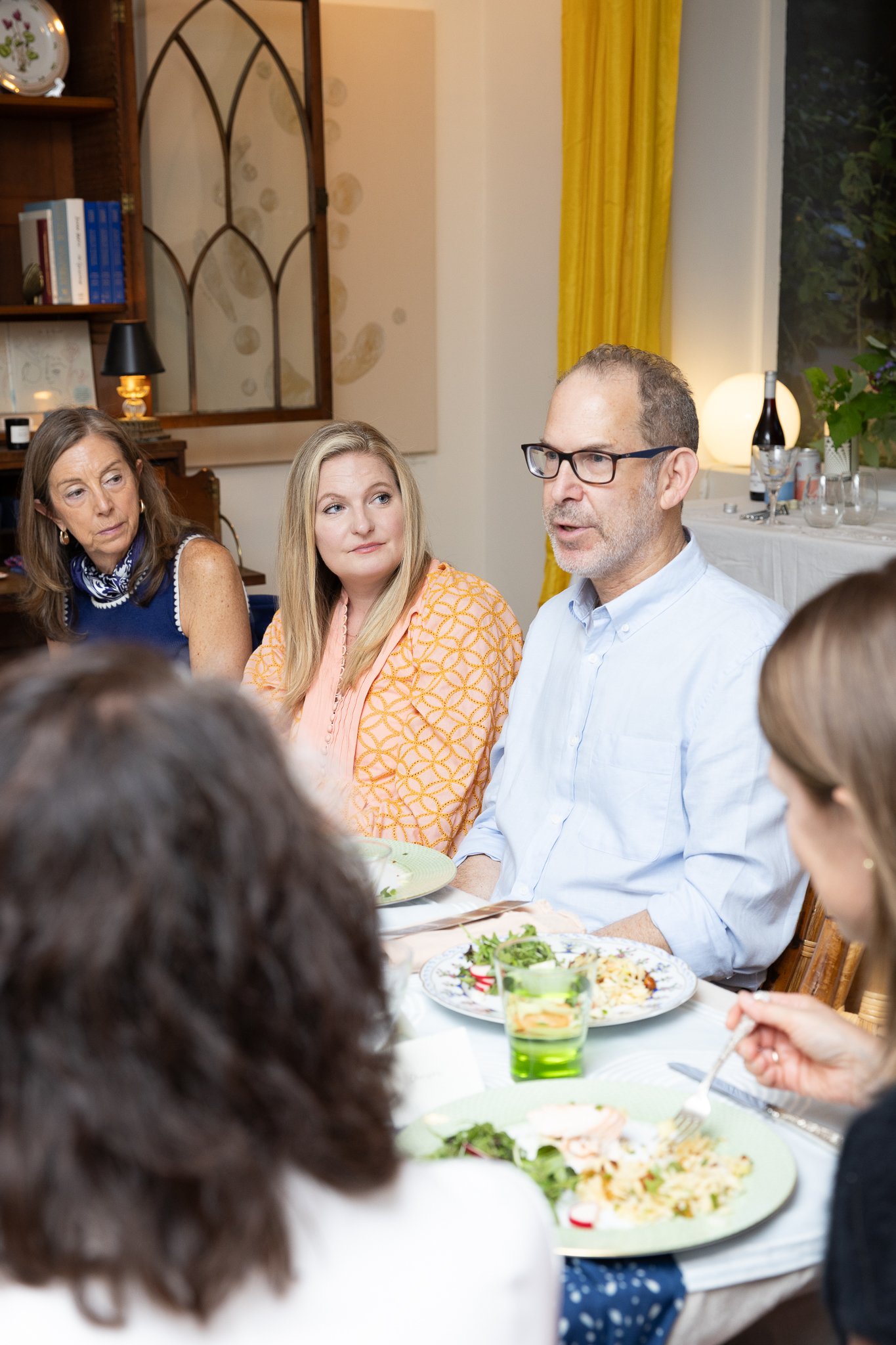
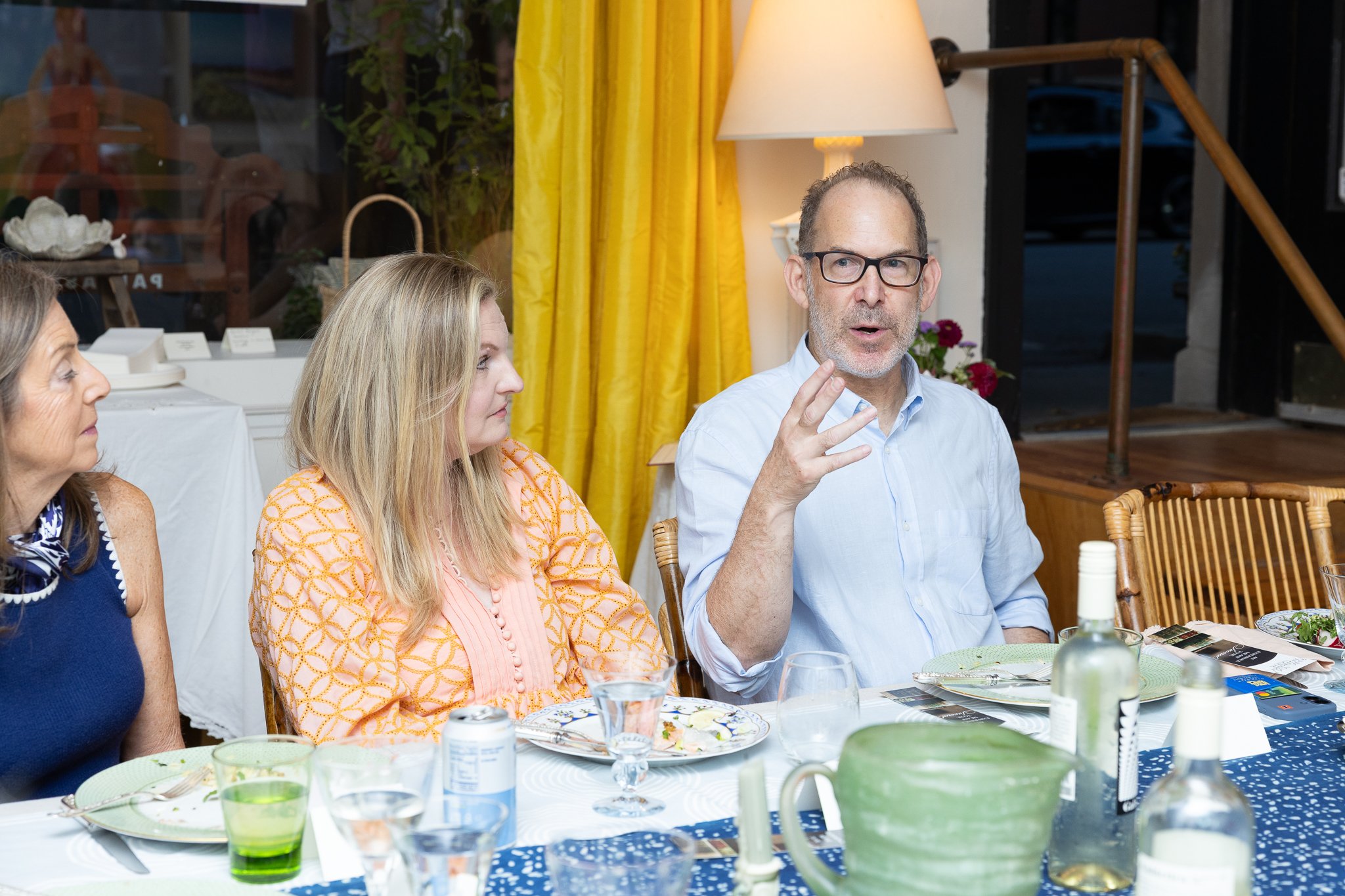
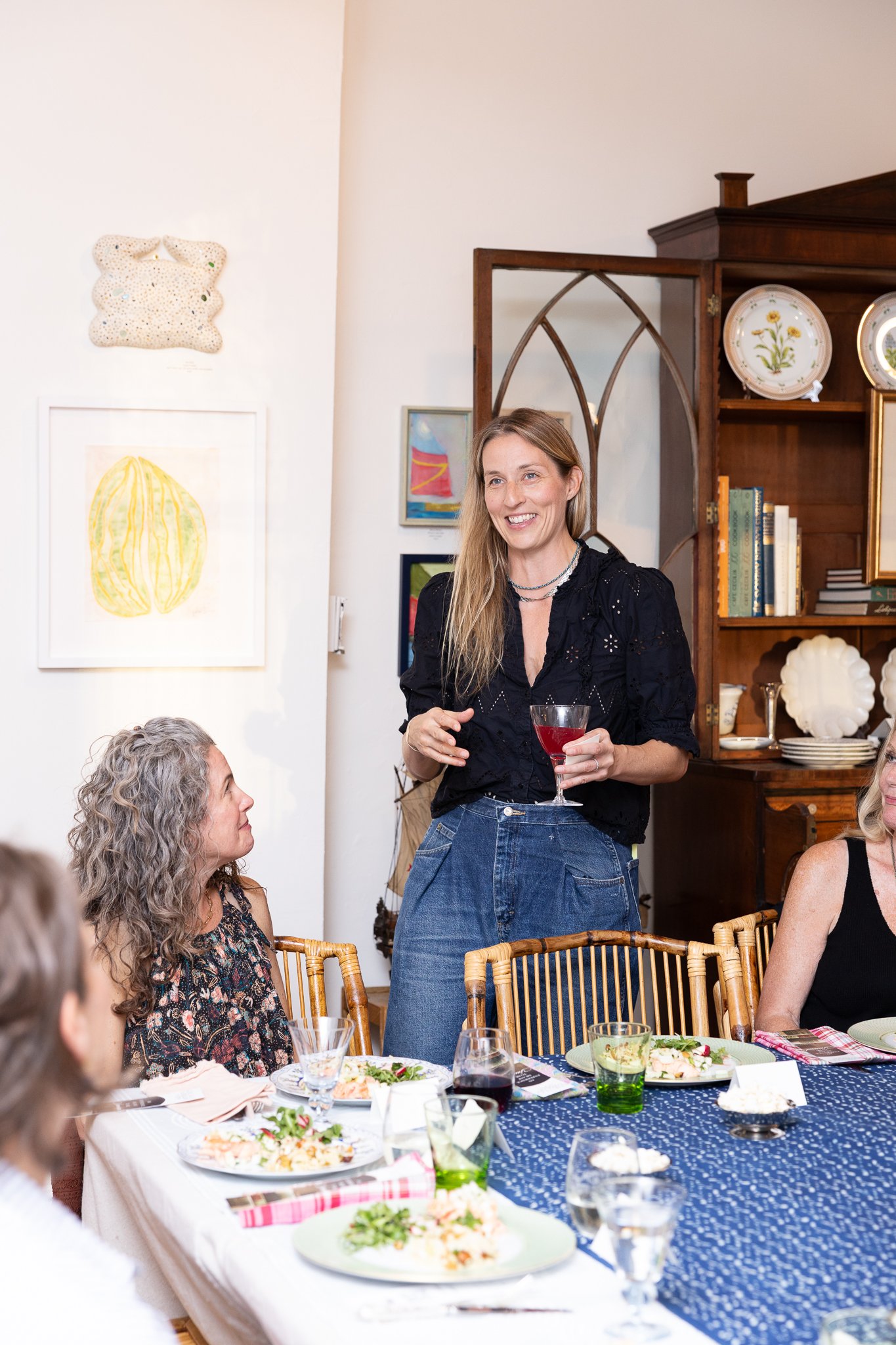
There were only nine guests gathered with our three writers, and that small scale changed everything.
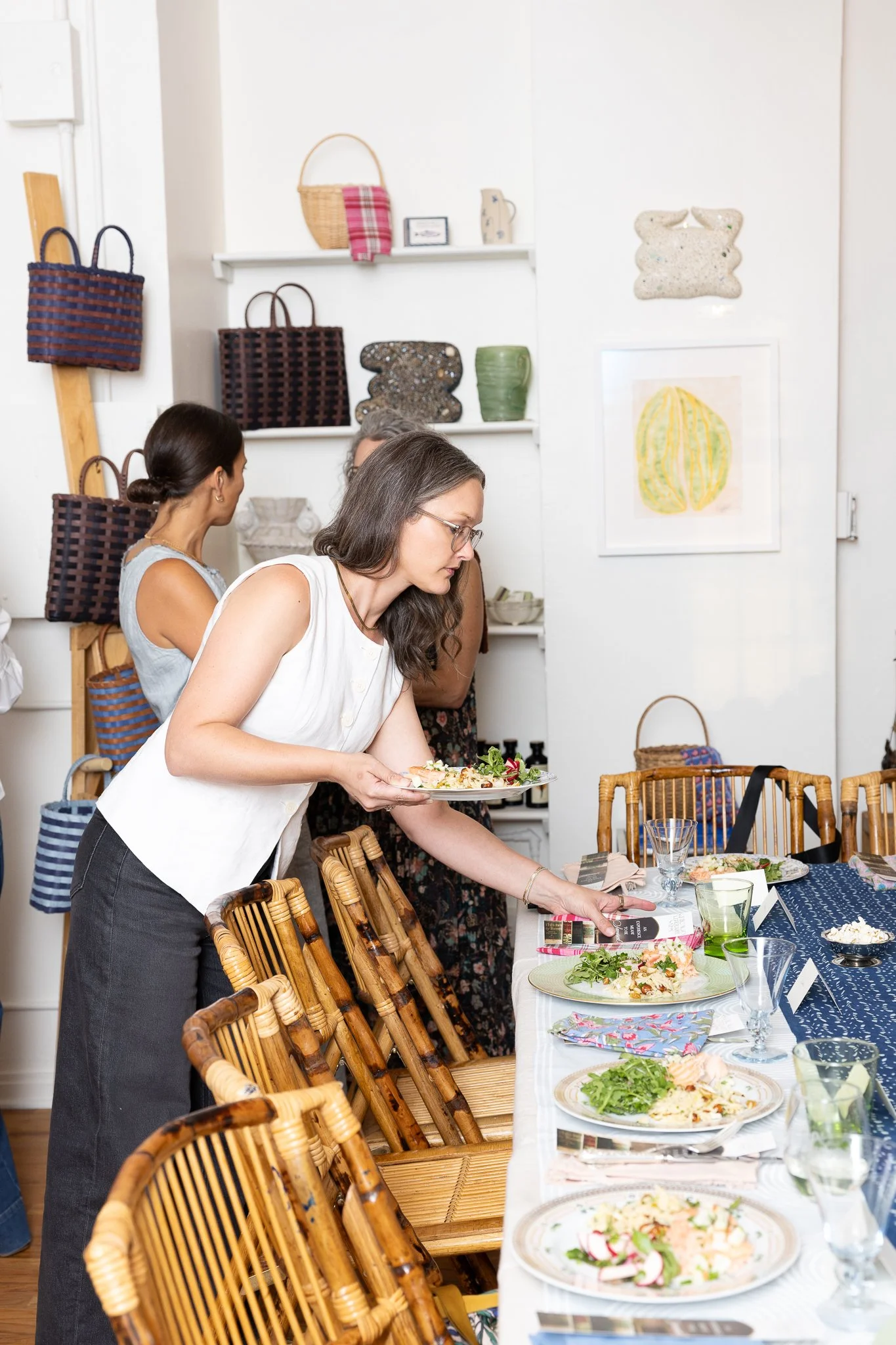
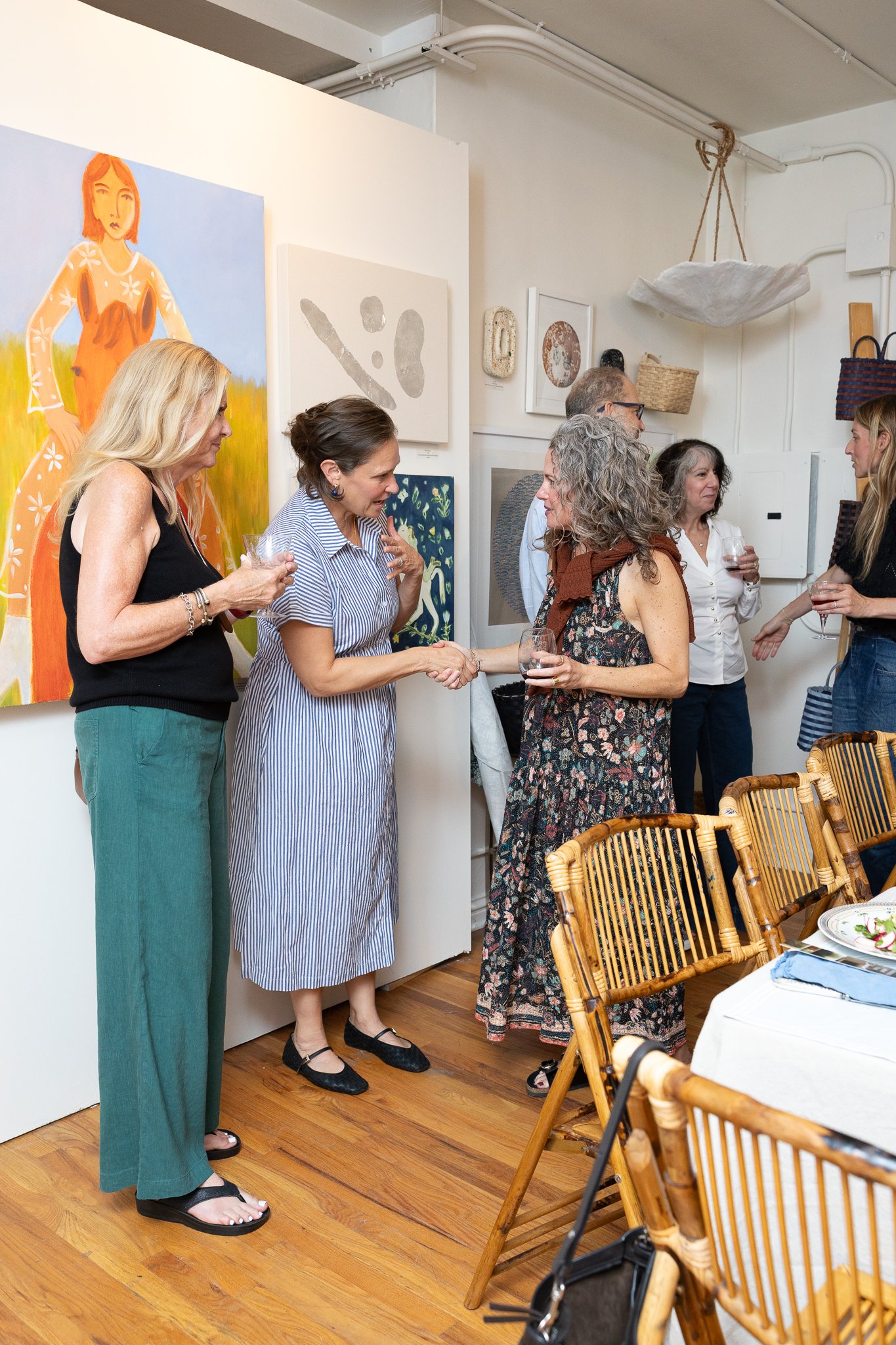
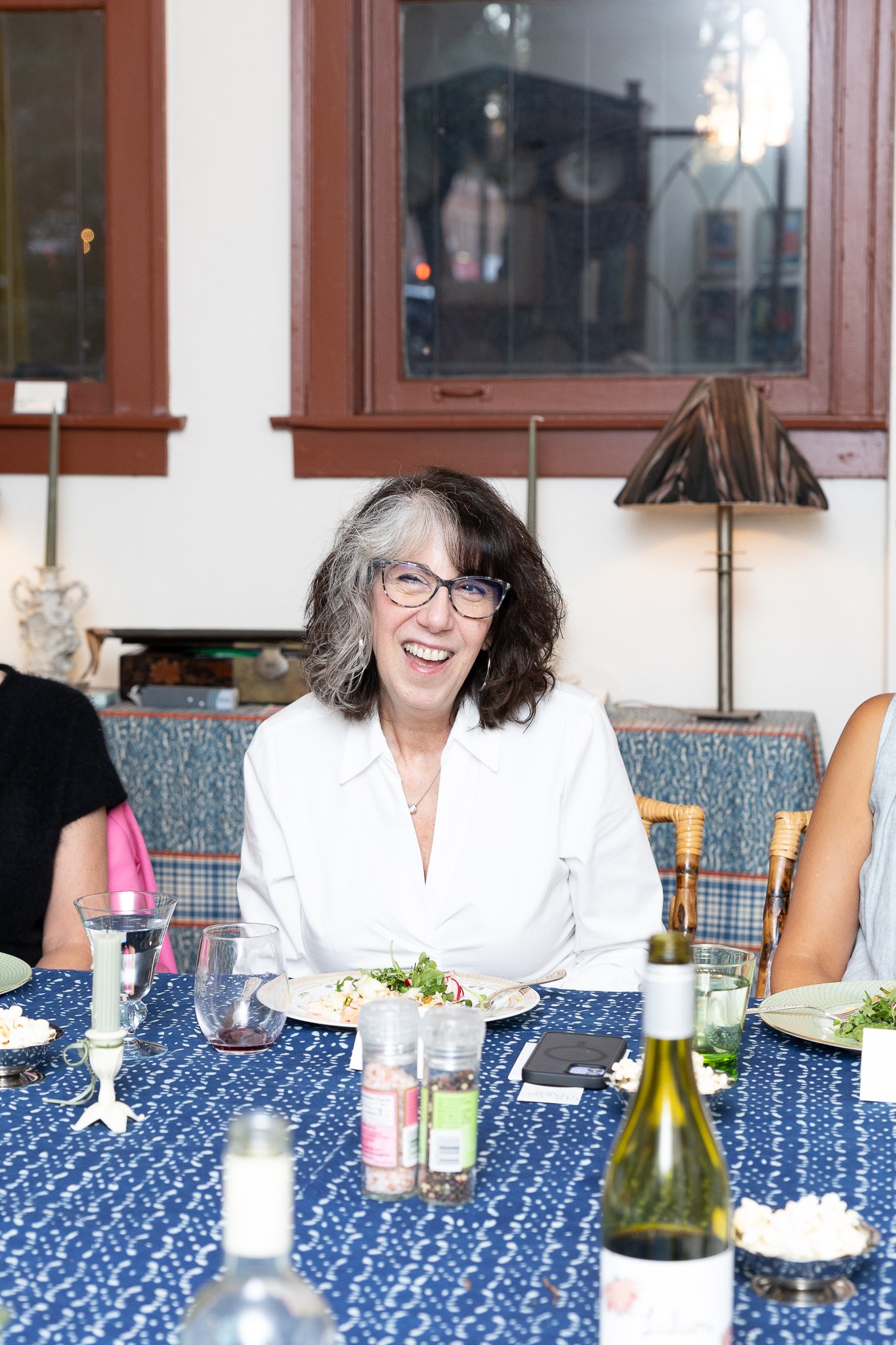
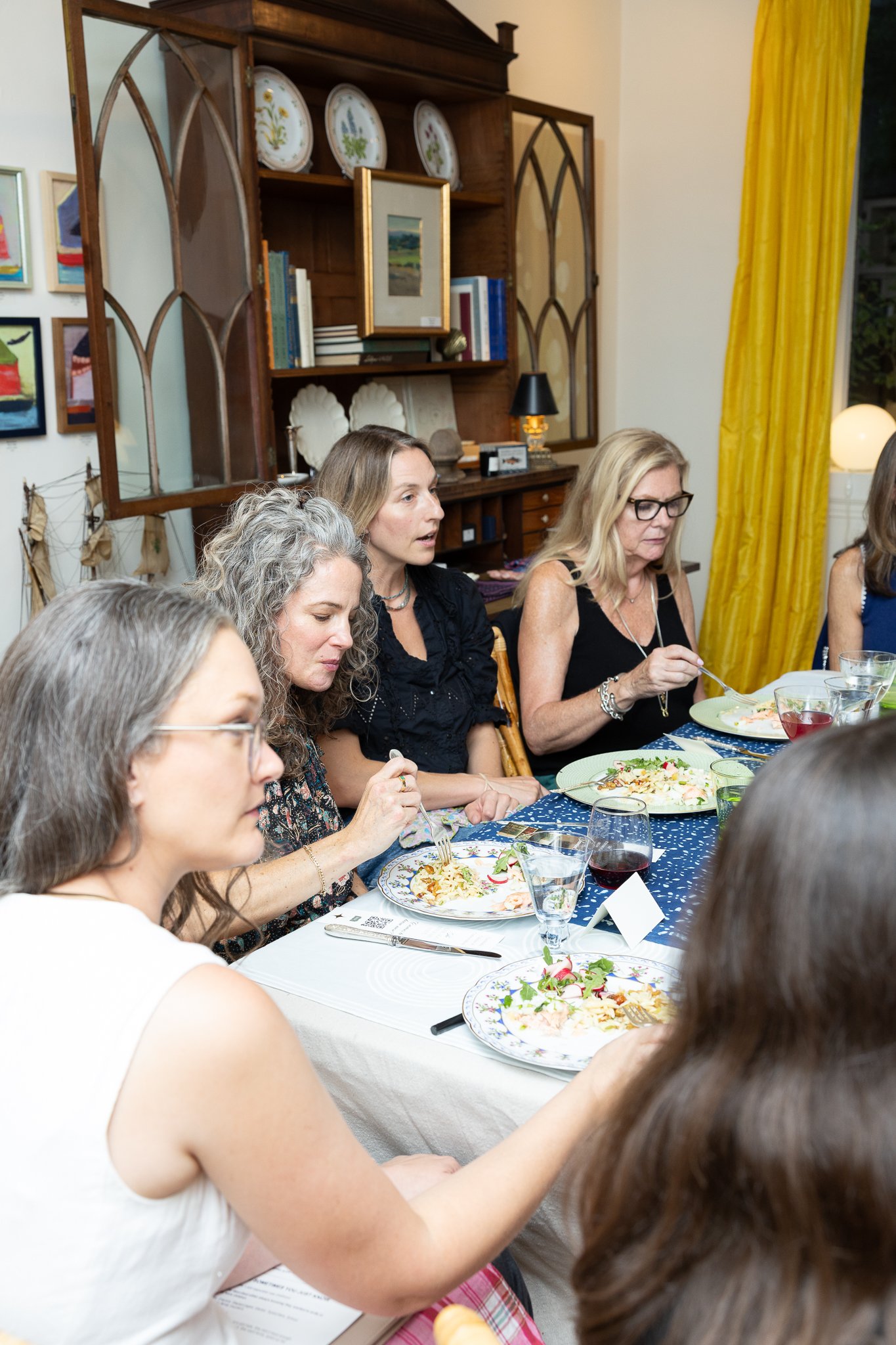
There wasn't really a panel on one side and an audience on the other. We were simply gathered around a table over dinner and drinks, talking about making things.
Guests had time to ask follow-up questions. The authors asked questions of one another—and of the guests. Conversations wandered into morning pages, abandoned manuscripts, rejection, motherhood, career changes, creative confidence and whether research is a delightful treasure hunt or, as Christie jokingly described it, a “boner killer.”
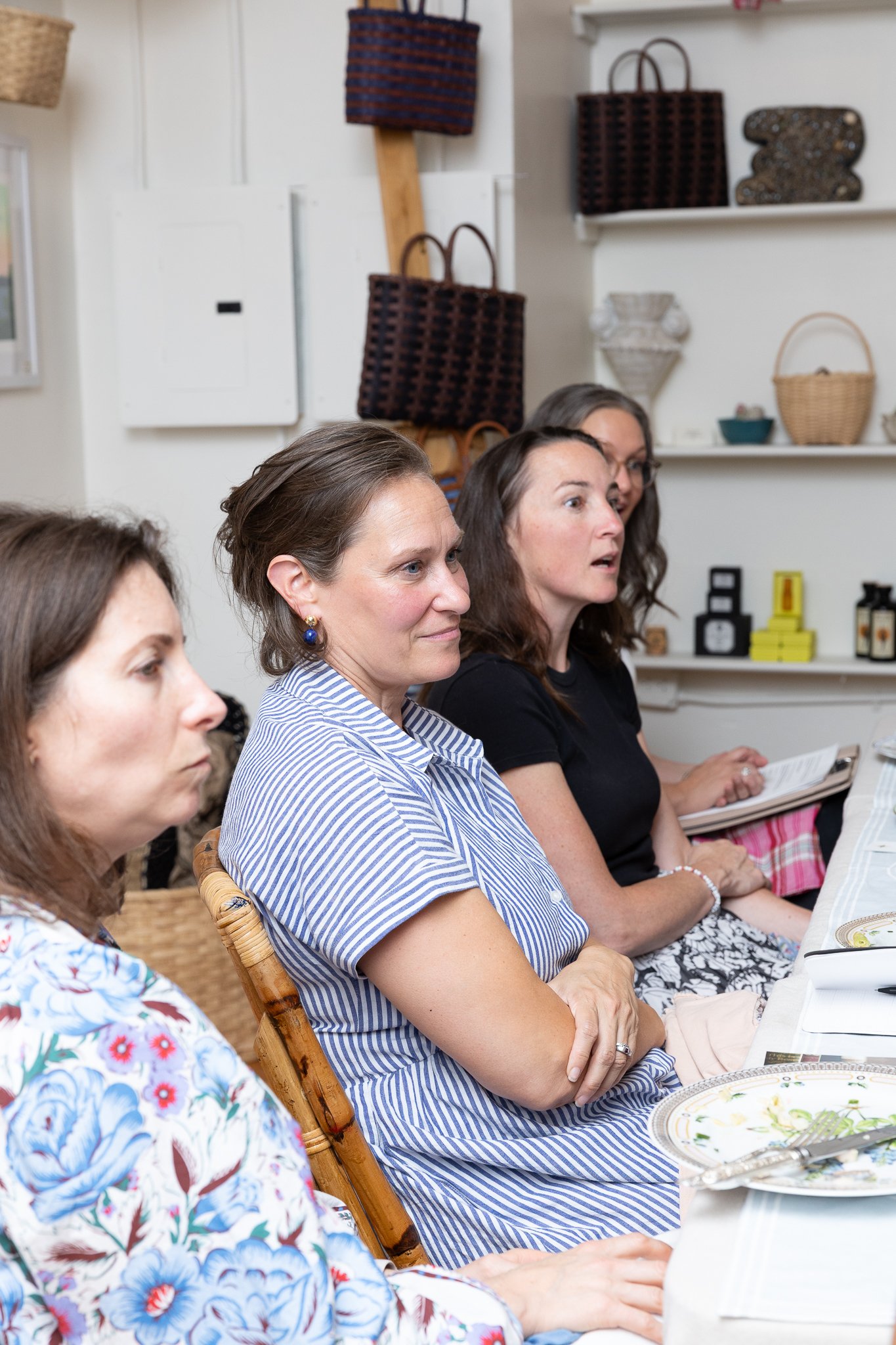
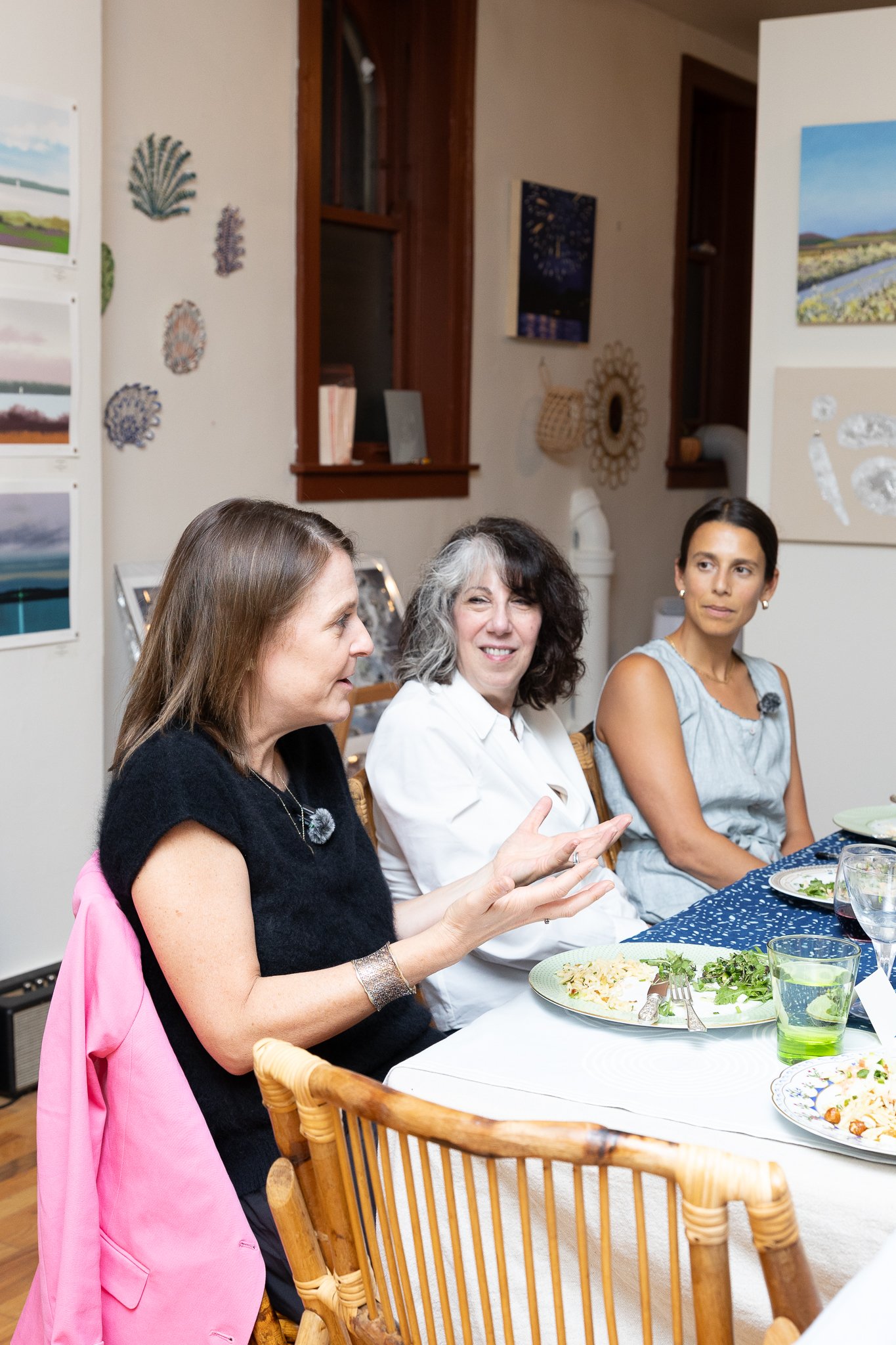
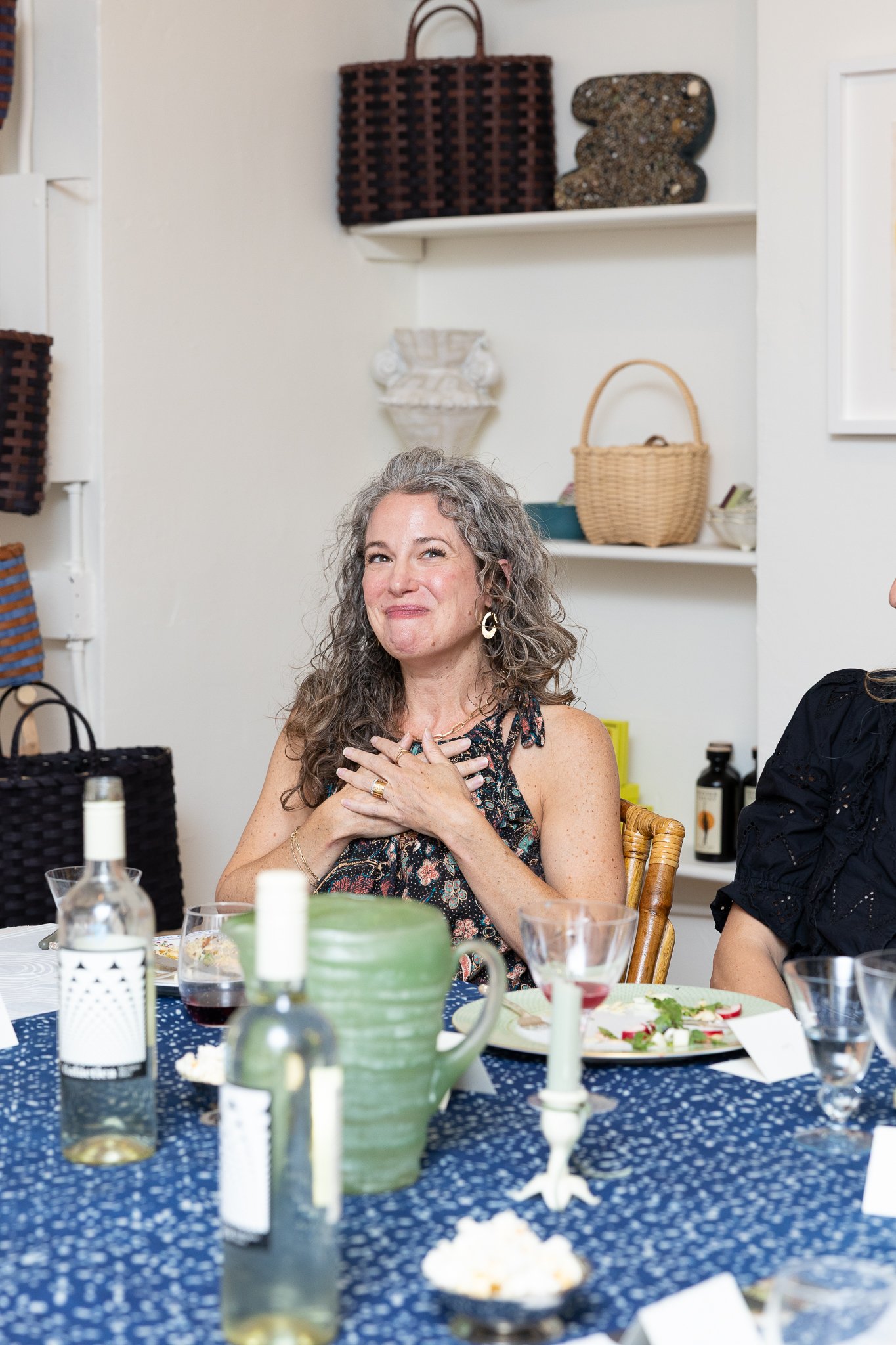
Renee's description of researching her forthcoming novel about Woodstock became an unexpected highlight. She spoke about meeting people who had actually been there, hearing stories that would never appear in traditional source material, and the responsibility that comes with being entrusted with someone's memories.
“These stories are so precious to me,” she said. “The fact that they'll entrust their memories with me is just such a gift.”
That kind of detour was exactly what the evening was designed to allow.
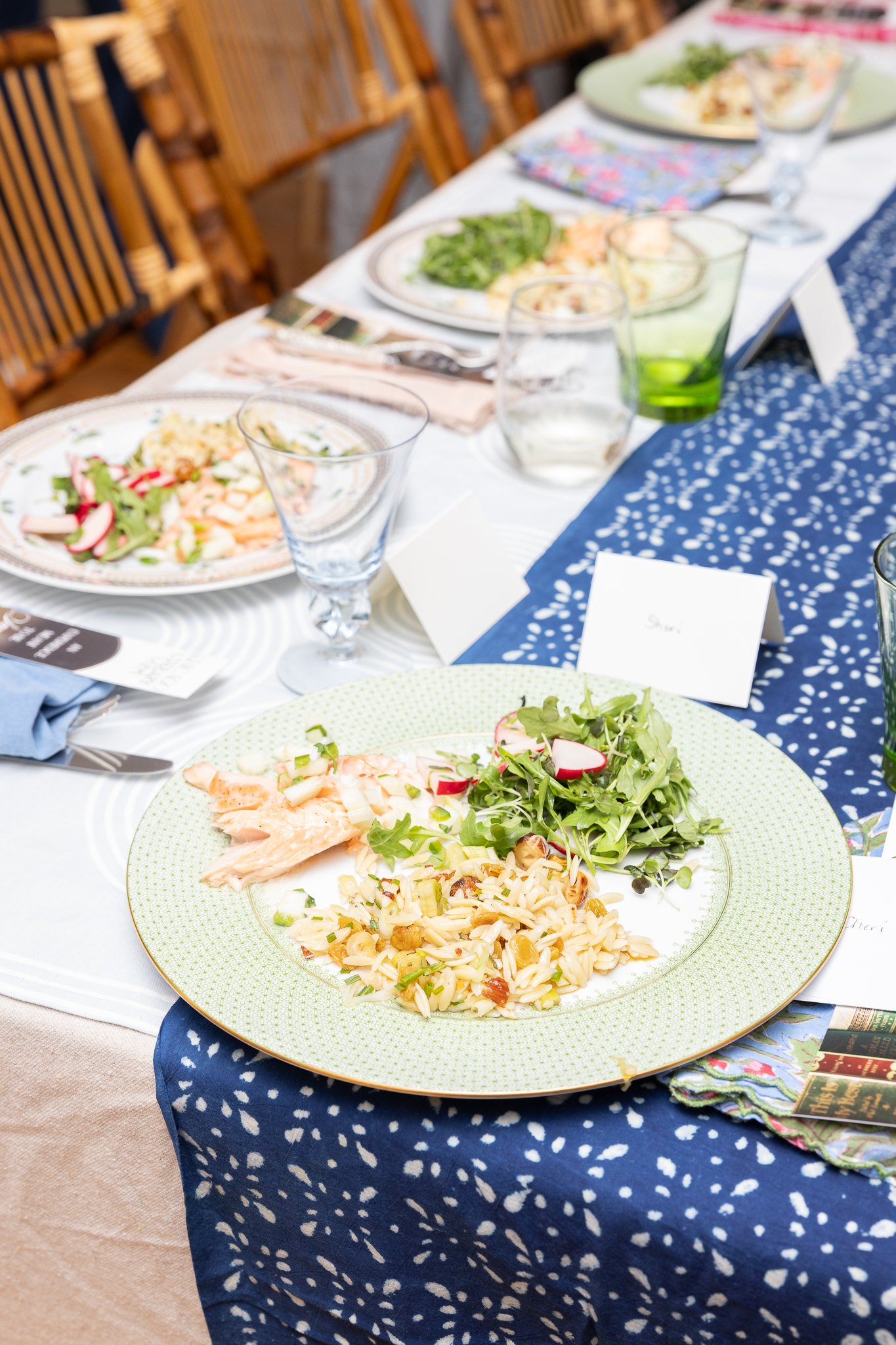
Pallas Studio was the perfect setting for it. Meryl has created a beautiful space built around creativity, experimentation and community, and she also prepared the delicious dinner we shared around the table. The evening felt less like attending an author event and more like being invited into a really wonderful dinner party where everyone happened to want to talk about writing.
And because the group was so small, our guests had something that's nearly impossible to create at a larger literary event: real face time with the writers. There was no rushed question from the back of an auditorium or brief exchange in a signing line. We had hours together over food and drinks.
EEBauer Photography captured the evening beautifully, preserving all of those little moments around the table—the conversations, laughter, listening and connections that made the night feel so special.
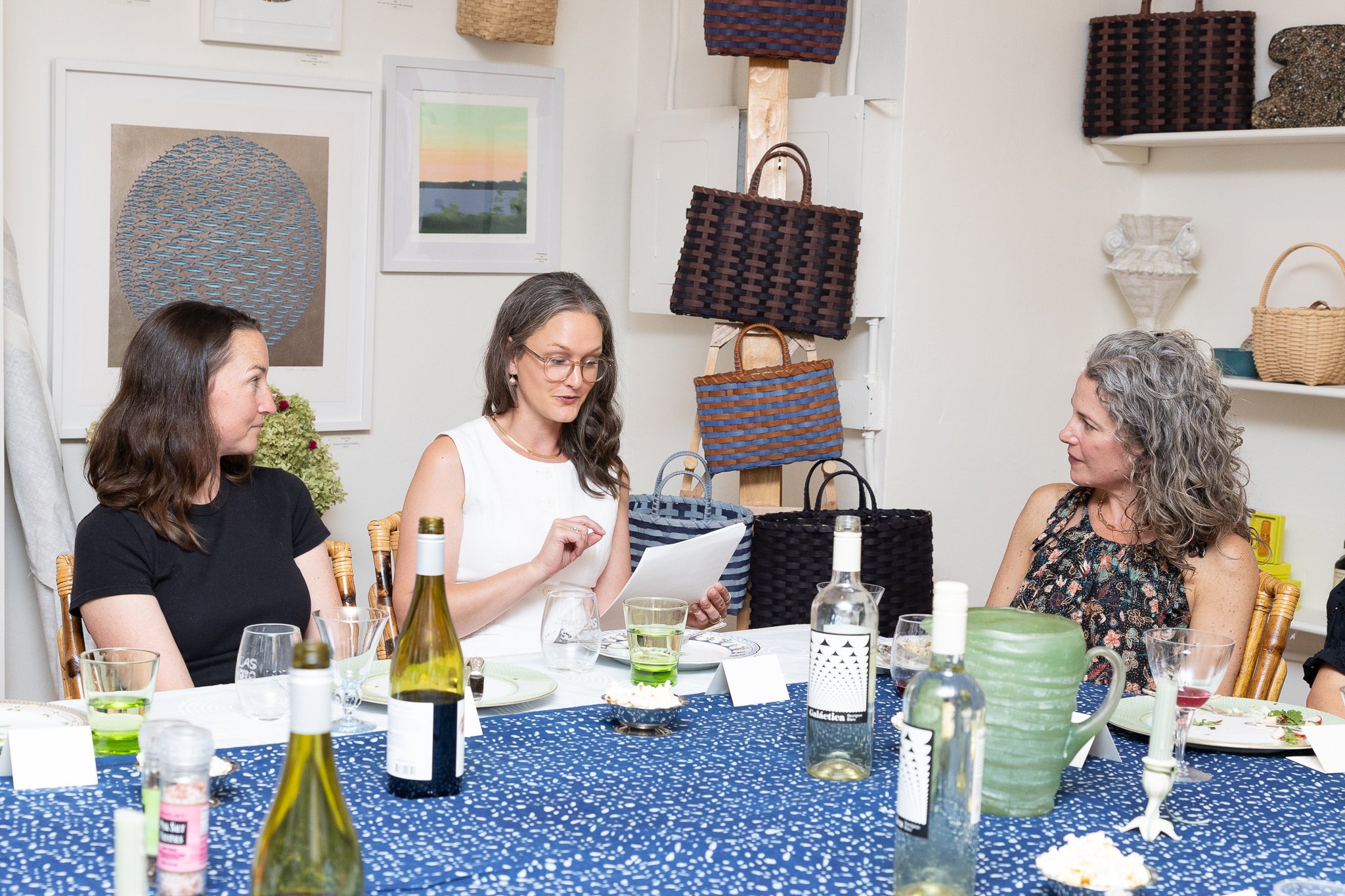
“I Would Write More If…”
As we approached the end of the evening, I gave everyone one final sentence to complete:
I would write more if I stopped waiting for ______.
There was no correct answer. That was fitting, because by the end of the night, we'd realized there weren't many definitive answers to any of our questions.
One guest later told me that was something she particularly appreciated about the evening: we weren't trying to settle anything.
We weren't trying to decide when someone officially becomes a writer, whether publication should matter, whether creativity requires discipline or freedom, or whether the desire to write needs to have been there all along.
We were simply making space to talk about it.
And that was the experience I wanted to create.
Through Hasty Book List, I've been incredibly fortunate to have these kinds of candid conversations with writers for years. After more than 1,000 author interviews, I've learned that some of the most interesting parts of a writer's story rarely fit neatly into a book-tour talking point. They're found in the uncertainty, false starts, strange detours, rejections, people who encouraged them, books that changed them, and moments when they finally began taking themselves seriously.
I wanted to find a way to invite other people into those conversations.
Sitting around the table at Pallas Studio with Christie, Renee, Sheri, Meryl and our small group of guests, I realized: this was it.
The First Chapter wasn't really about discovering the moment when writers become writers.
It was about discovering just how many different ways there are to begin.
Photography by EEBauer Photography.
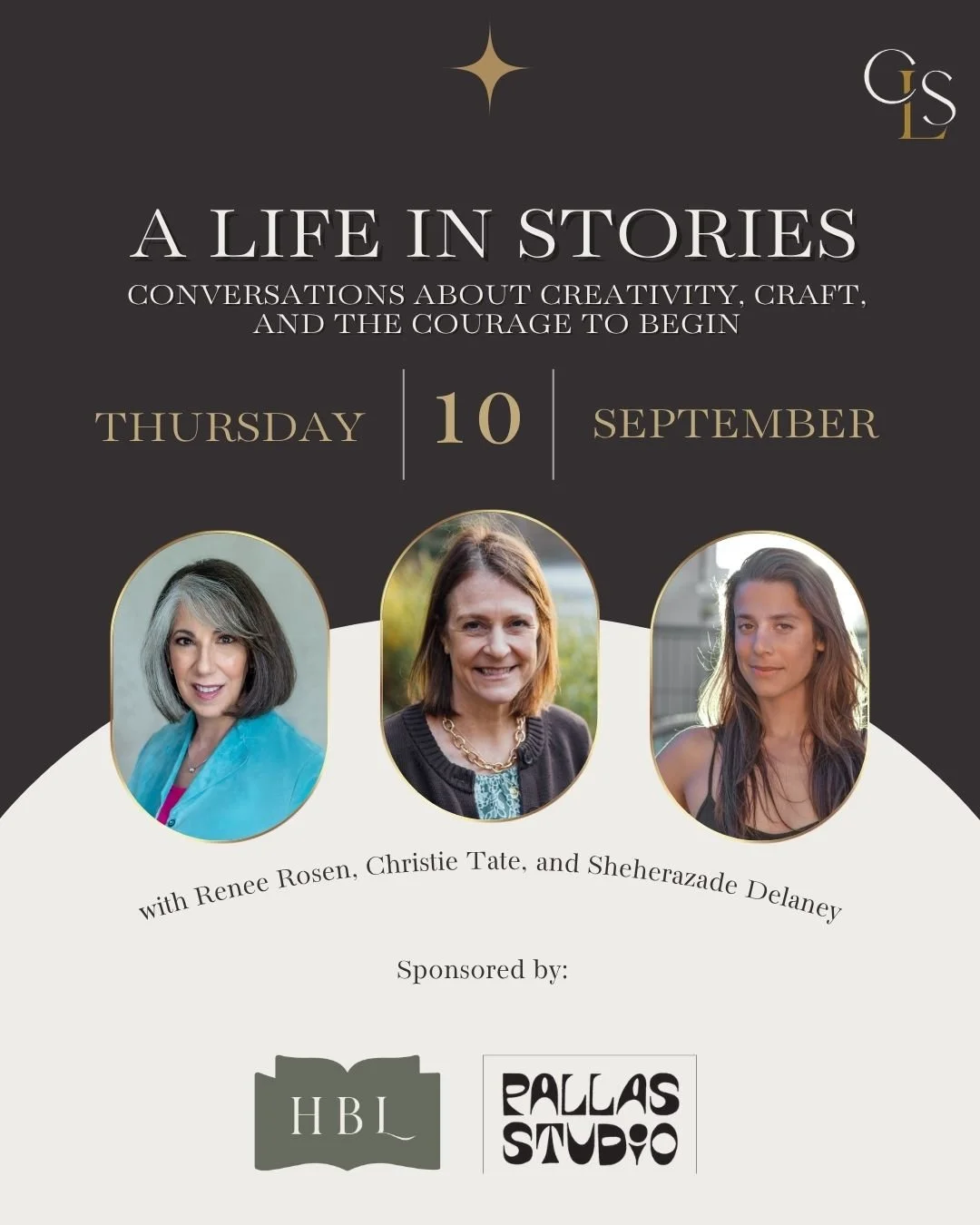
Thursday, September 10, 2026 | 6:00 PM | Pallas Studio, 833 W. Webster Ave., Chicago, IL 60614
Every writer has an origin story.
Long before the published novel, the book tour, or the byline, there was a child with a favorite book. A teacher who offered encouragement. A blank notebook waiting to be filled. A rejection that almost ended the dream. A moment when writing stopped feeling like a pastime and became something impossible to walk away from.
Join us for a special evening unlike any we've hosted before as the Chicago Literary Salon partners with Pallas Studio for the launch of A Life in Stories, a new conversation series exploring the creative lives behind the books we love.
Rather than centering on a single novel, The First Chapter brings together three remarkable writers at different stages of their literary journeys for an intimate conversation about what it really takes to become an author. Together, they'll reflect on the books that shaped them, the first stories they wrote, the mentors who encouraged them, the setbacks they faced, and the winding paths that led them to a life in writing.
Whether you've dreamed of writing yourself or simply love hearing how creative lives unfold, this evening offers a rare glimpse behind the finished pages.
Your evening includes:
A lively panel conversation featuring Renee Rosen, Christie Tate, and Sheherazade Delaney
Wine and dinner in the inspiring surroundings of Pallas Studio
Thoughtfully designed conversation prompts to continue the discussion with fellow guests
Opportunities to meet the authors following the program
Together, we'll explore questions like:
What first made someone believe they could become a writer?
Which books leave a permanent mark on a creative life?
How do writers navigate rejection, self-doubt, and persistence?
What happens between the first spark of an idea and a published book?
Warm, candid, and deeply inspiring, The First Chapter celebrates the beginnings that often go unseen—the quiet moments that shape creative lives long before anyone is paying attention.
Whether you're an avid reader, an aspiring writer, or simply curious about the stories behind the storytellers, we hope you'll join us for an evening of conversation, creativity, and connection.
Seating is extremely limited. Reserve your place today.
About the Authors
Renee Rosen is a USA Today bestselling author whose novels include Let’s Call Her Barbie, Fifth Avenue Glamour Girl, The Social Graces, Park Avenue Summer, Windy City Blues, White Collar Girl, What the Lady Wants, Dollface, and the young adult novel Every Crooked Pot. A native of Akron, Ohio, and graduate of American University, she now lives in Chicago, where she is at work on her next novel.
Christie Tate is the New York Times bestselling author of the memoirs Group and B.F.F. Her essays have appeared in The New York Times, The Los Angeles Times, Carve Magazine, and elsewhere. A longtime Chicagoan, Christie is celebrated for her candid, deeply human writing about friendship, vulnerability, and the stories we tell ourselves.
Sheherazade Delaney grew up in Oak Park, Illinois, and earned a degree in Economics from Lehigh University before beginning a career on Wall Street. She later transitioned into wellness and writing, completing screenplays and television pilots before finishing her debut novel, which is currently being queried. She teaches yoga at her studio, Analog, and lives in Oak Park with her husband and two children.