

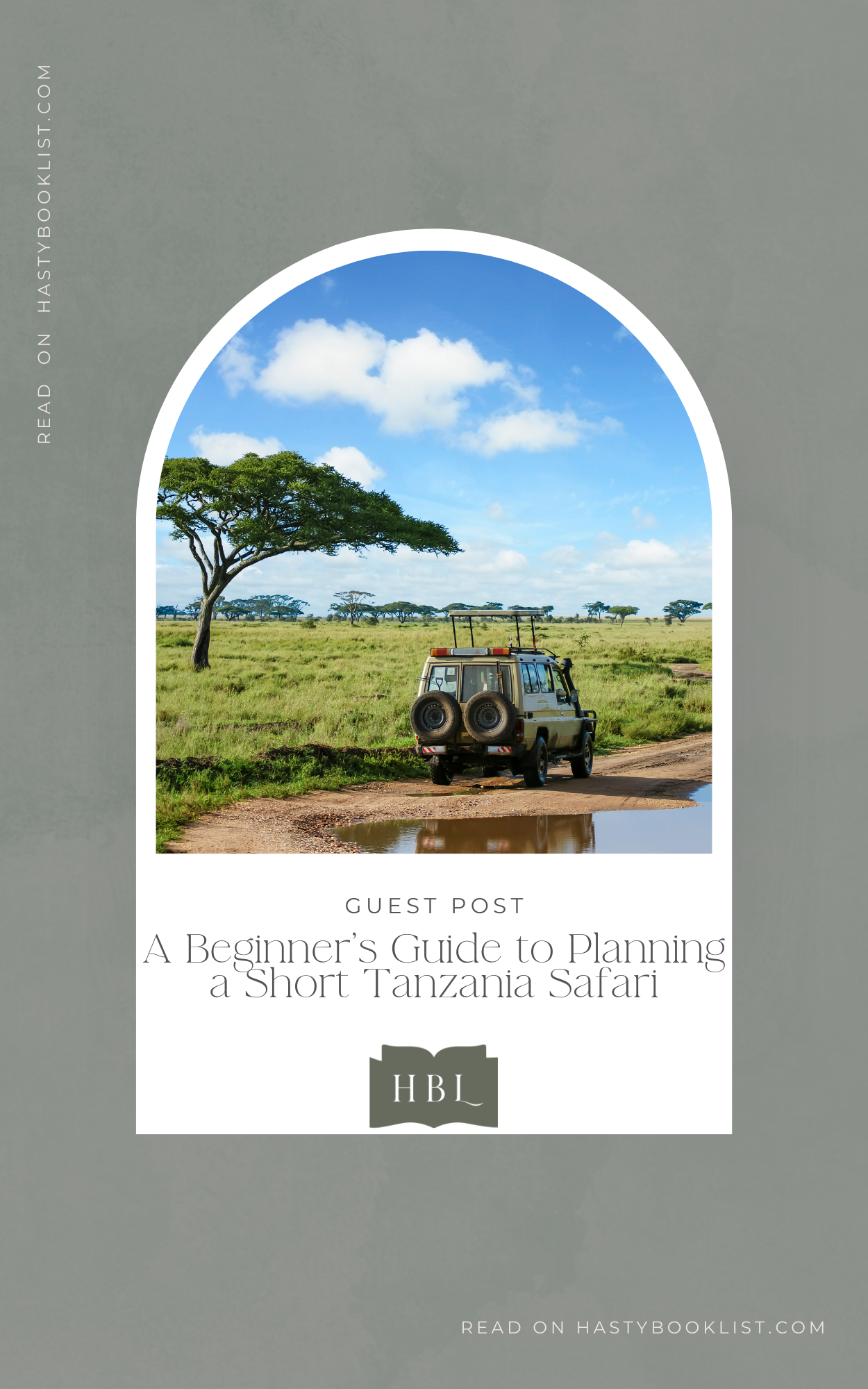
A Beginner’s Guide to Planning a Short Tanzania Safari
A Tanzania safari doesn’t have to be a two-week epic to feel unforgettable. With smart planning, even a long weekend plus a couple of weekdays can deliver classic East African wildlife moments: elephants crossing the road at dawn, lions draped over acacia branches, and the hush that falls over a savannah just before sunset.
If you’re new to safari travel, the trick is to design a short trip that’s realistic about driving times, park logistics, and what you actually want to see—rather than trying to “do it all” and spending most of your holiday in a vehicle. Here’s how to plan a short Tanzania safari that feels full, not rushed.
Start with the Reality Check: Time, Distances, and Pace
Tanzania is vast. The popular “Northern Circuit” parks—Tarangire, Lake Manyara, Ngorongoro, and Serengeti—are clustered, but they’re not next door to each other. On a short safari, every extra transfer costs you game-viewing time.
A helpful benchmark: if you have 3–5 safari days, aim for two parks (or one park plus Ngorongoro Crater). If you have 6–7 days, you can add the Serengeti without feeling like you’re sprinting.
The big decision: fly in or drive in?
Most visitors start in Arusha (or nearby Moshi). From there:
Tarangire is one of the easiest and most rewarding short-safari options—often about a couple of hours by road.
Ngorongoro is achievable on a short trip, but you’ll want an early start for the crater descent.
Serengeti is phenomenal, but far. On a tight schedule, consider a flight into the Serengeti to save a full day of driving each way.
Choose the Right Parks for a Short Safari
Short safaris work best when you pick parks that give you strong wildlife density without complicated logistics.
Tarangire: Big animals, big skies
Tarangire is often underestimated—and that’s exactly why it works for beginners. It’s known for large elephant herds, baobab-studded landscapes, and a satisfying “wild” feel close to Arusha. In the dry season, animals concentrate around the Tarangire River, which can make sightings frequent and dramatic.
Ngorongoro Crater: Maximum impact in one day
If you want high odds of seeing the Big Five in a short window, the crater is hard to beat. Because it’s a natural bowl, wildlife viewing can be remarkably efficient. The trade-off is that it’s popular, and regulations (plus driving times) reward an early start.
Serengeti: The iconic choice—best with one smart shortcut
If the Serengeti is your dream, don’t dismiss it just because your trip is short. A well-planned 4–6 day itinerary can work, especially if you fly one leg or accept fewer park stops. Some travellers do a focused “trio” route—two nights Serengeti, one night near the crater, one night in Arusha—so the experience stays immersive rather than a checklist.
Around the middle of your planning, it helps to look at how a combined route is actually structured day-by-day. Reviewing a sample itinerary like this multi-destination safari tour for explorers can make the logistics tangible—where you sleep, when you drive, and how much time you’ll realistically spend on game drives—before you start locking in flights and accommodation.
Pick the Best Season (and Know What Changes)
Tanzania is a year-round safari destination, but your experience will differ depending on rainfall and animal movement.
Dry season (roughly June–October): easy viewing, higher demand
This is peak safari season for a reason: vegetation is thinner, animals cluster near water, and roads are generally smoother. Prices and availability can be tighter, especially in July–September.
Green season (roughly November–May): fewer crowds, lush scenery
You’ll see greener landscapes, dramatic skies, and often better rates. Calving season in parts of the Serengeti (typically January–March in the southern plains) can be extraordinary for predator action—though exact timing varies.
If you’re planning a short safari, dry-season predictability can reduce stress, but green-season travel can be fantastic if you build in a little flexibility for weather.
Build a Short Itinerary That Actually Works
A short safari lives or dies on pacing. Here are a few beginner-friendly frameworks:
3 days: one park done properly
Two nights near Tarangire or Lake Manyara, with multiple game drives, can feel surprisingly complete. You’ll spend more time watching wildlife and less time “commuting.”
4–5 days: two parks, or crater + one park
A common sweet spot:
Tarangire + Ngorongoro
orSerengeti (fly in or commit to the drive) + Ngorongoro
6–7 days: the classic circuit without panic
This is where you can combine Tarangire, Serengeti, and Ngorongoro more comfortably, with at least two nights in the Serengeti.
Budget and Booking: Where Costs Hide
Safaris are expensive because they bundle transport, fuel, skilled guiding, park fees, accommodation, and logistics in remote areas. For short trips, per-day costs can look higher (fixed costs spread over fewer days), so it pays to be clear about priorities.
Ask what’s included—specifically
Before you book, clarify:
Park and conservation fees (and crater fees, if applicable)
Where you’ll sleep (inside a park, on the rim, or outside the gate)
Game drive schedule (full day vs. morning/afternoon)
Vehicle type and whether it’s private or shared
Meals, bottled water, and any extras like cultural visits
You don’t need a spreadsheet, but you do want apples-to-apples comparisons.
Practical Prep: Health, Packing, and Expectations
Tanzania is beginner-friendly, but a little prep makes the trip smoother.
Pack for dust, sun, and temperature swings
Early mornings can be chilly, midday can be hot, and the vehicle is often dusty. Bring layers, sun protection, and something warm for dawn game drives.
Here’s a simple, high-impact packing shortlist:
Neutral-coloured clothing (avoid bright blues/whites that show dust)
Lightweight rain jacket (especially in green season)
Hat + sunglasses + high-SPF sunscreen
Binoculars (worth it, even for beginners)
Camera with extra battery/power bank
Any personal meds, plus basics like plasters and rehydration salts
Set expectations: wildlife is wild
A good guide can dramatically improve your chances, but there are no guarantees. Some days are explosive; others are quiet and beautiful. If you measure success only by ticking off species, you can miss what’s right in front of you—the tracks in the sand, the alarm calls, the way the light changes across the plains.
Make It Meaningful: Responsible Safari Choices
On a short safari, it’s tempting to chase constant action. But ethical, high-quality viewing tends to deliver better memories anyway. Keep an eye out for operators and guides who respect wildlife distance, avoid crowding, and communicate clearly about what’s happening in real time. Your experience will feel calmer, more intimate, and more authentic.
A short Tanzania safari can be a perfect first step into Africa’s wild places—so long as you plan for depth over breadth. Pick a realistic route, protect your game-drive hours, and let the landscape set the pace. That’s when a few days can feel like a real journey.