
Why More People Are Turning to Traditional Crafts
Walk into any café on a weekend and you’ll see it: someone sketching, someone mending a tote bag, someone quietly knitting between sips of coffee. Traditional crafts—knitting, sewing, woodworking, embroidery, ceramics—have slipped back into everyday life, and not as a quaint nostalgia trip. They’re becoming a modern response to modern problems: constant screens, disposable goods, and a pace of life that rarely leaves room for finishing anything with your hands.
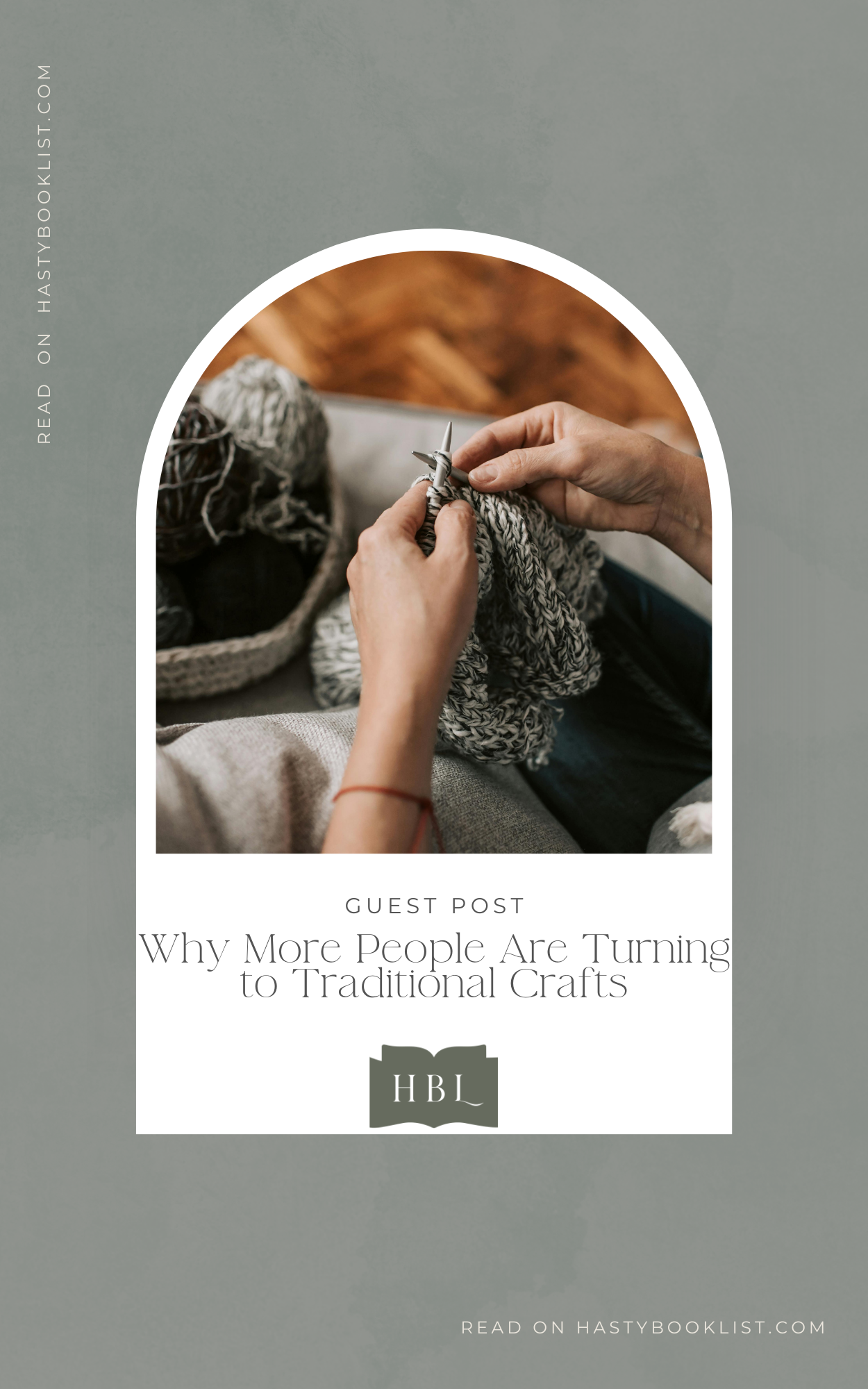
What’s striking is how broad the movement has become. It’s not limited to retirees, art students, or people with a dedicated craft room. Busy parents are learning to hem trousers rather than bin them. Office workers are taking evening crochet classes to decompress. Teenagers are swapping fast-fashion hauls for patchwork and thrift flips. And plenty of people who’ve never made so much as a friendship bracelet are starting small—sometimes with a beginner-friendly set of materials and instructions (if you’re curious what that looks like in practice, you can view knitting kits for new crafters and see how accessible “starting” has become).
So why now? A few forces are converging.
The post-digital craving for “real” time
Craft as an antidote to screen fatigue
Even people who love technology are feeling the downsides of living through it. Many jobs require hours of attention on devices, and leisure time often defaults to the same posture: scrolling, tapping, consuming. Craft offers a different kind of attention—one that’s slower, tactile, and grounded in the senses. You can’t “optimise” your way through knitting a sleeve or carving a spoon. You have to be present.
There’s a psychological payoff here. Repetitive handwork can nudge the brain into a calmer rhythm, similar to what people seek in meditation. You’re still engaged, but the stakes are low. You’re not performing for an algorithm; you’re making something one stitch, cut, or brushstroke at a time.
The rare satisfaction of finishing something
Digital life is full of infinite loops: endless feeds, open tabs, perpetual updates. Crafts, by contrast, have edges. A scarf is either done or it isn’t. That sense of completion—of creating a finished object in a world of perpetual beta—feels surprisingly nourishing.
A quiet pushback against throwaway culture
Repair, reuse, and the new pride in mending
Sustainability used to mean big gestures: electric cars, solar panels, dramatic lifestyle overhauls. Now, more people are recognising the power of smaller, repeatable choices. Traditional crafts sit comfortably in that mindset. Sewing and mending extend the life of clothing. Knitting lets you create garments meant to be repaired, not replaced. Woodworking can turn reclaimed timber into something functional instead of landfill-bound.
This isn’t just eco-virtue. It’s practical. As prices rise, “make do and mend” stops being a slogan and starts being a skill set. Knowing how to fix a seam, replace a button, or darn a sock is a small kind of resilience—one that pays you back repeatedly.
Moving from “cheap” to “valued”
When you’ve spent hours making a jumper, you don’t treat it like a £10 impulse buy. You store it carefully. You wash it properly. You learn what fibres do and don’t like. Craft changes the way people relate to objects: fewer things, better chosen, more appreciated.
Community is back (and it’s not all online)
Craft circles as third spaces
For years we’ve talked about the loss of “third spaces”—those places that aren’t work or home where people gather casually. Craft circles, workshops, and community classes are stepping into that gap. And unlike some social settings, they come with built-in conversation starters. You can talk about patterns, tools, mistakes, and fixes without forcing small talk.
There’s also something disarming about making alongside others. When your hands are busy, it’s easier to chat. The pressure drops. Friendships form more naturally.
Social media (for once) as a positive driver
It’s worth saying: social platforms have helped fuel the craft revival. Tutorials, maker communities, and “process videos” demystify skills that once felt locked behind family tradition or formal training. The best craft content doesn’t just show flawless outcomes; it shows the messy middle—tangled yarn, unpicked seams, lopsided first attempts. That normalises being a beginner, which is half the battle.
Traditional crafts fit modern values: custom, comfort, identity
Personalisation without perfectionism
Mass production offers convenience, but it flattens individuality. Craft restores it. People like choosing colours that match their actual wardrobe, tailoring fit to their body, or making gifts that don’t feel generic. A hand-thrown mug with a slightly uneven rim often feels more special than a factory-perfect one—because you can sense the person behind it.
At the same time, there’s a healthy shift away from perfectionism. Many new crafters aren’t chasing heirloom-level results on day one. They want the experience: learning, experimenting, enjoying the process. That mindset makes traditional crafts easier to enter than many people assume.
Skill-building as a form of self-trust
Learning a craft is a quiet confidence builder. You make mistakes, you troubleshoot, you improve. Over time, you start believing you can figure things out. That attitude spills into other parts of life—home repairs, cooking, budgeting, even career choices. There’s a reason “maker” culture often overlaps with DIY and small-business creativity: the underlying skill is problem-solving.
How to start without getting overwhelmed
You don’t need to buy a room full of supplies or master ten techniques. The most common reason people quit early is friction: unclear instructions, mismatched materials, or a project that’s too ambitious. Keep it simple.
A helpful way to begin is to focus on three decisions:
Pick one craft and one small project (a dishcloth, simple tote, basic plant pot—something finishable in a week or two).
Choose beginner-appropriate materials (tools that behave predictably beat “fancy” options that fight you).
Plan for practice, not perfection (your first version is allowed to be wonky; it’s doing its job by teaching you).
If you can build a routine—ten minutes after dinner, a Saturday morning session, a monthly class—you’ll progress faster than you think.
The bigger picture: craft as a modern form of agency
At its heart, the return to traditional crafts isn’t really about nostalgia. It’s about agency. Making something tangible is a way to participate in your own life rather than just consume it. It’s a small, steady counterweight to a culture that often feels too fast, too digital, and too disposable.
And perhaps that’s why the craft revival has such staying power. It doesn’t demand a new identity or a dramatic lifestyle change. It simply asks: what could you make with your hands this week—and how might it change the way you feel about your time, your things, and yourself?