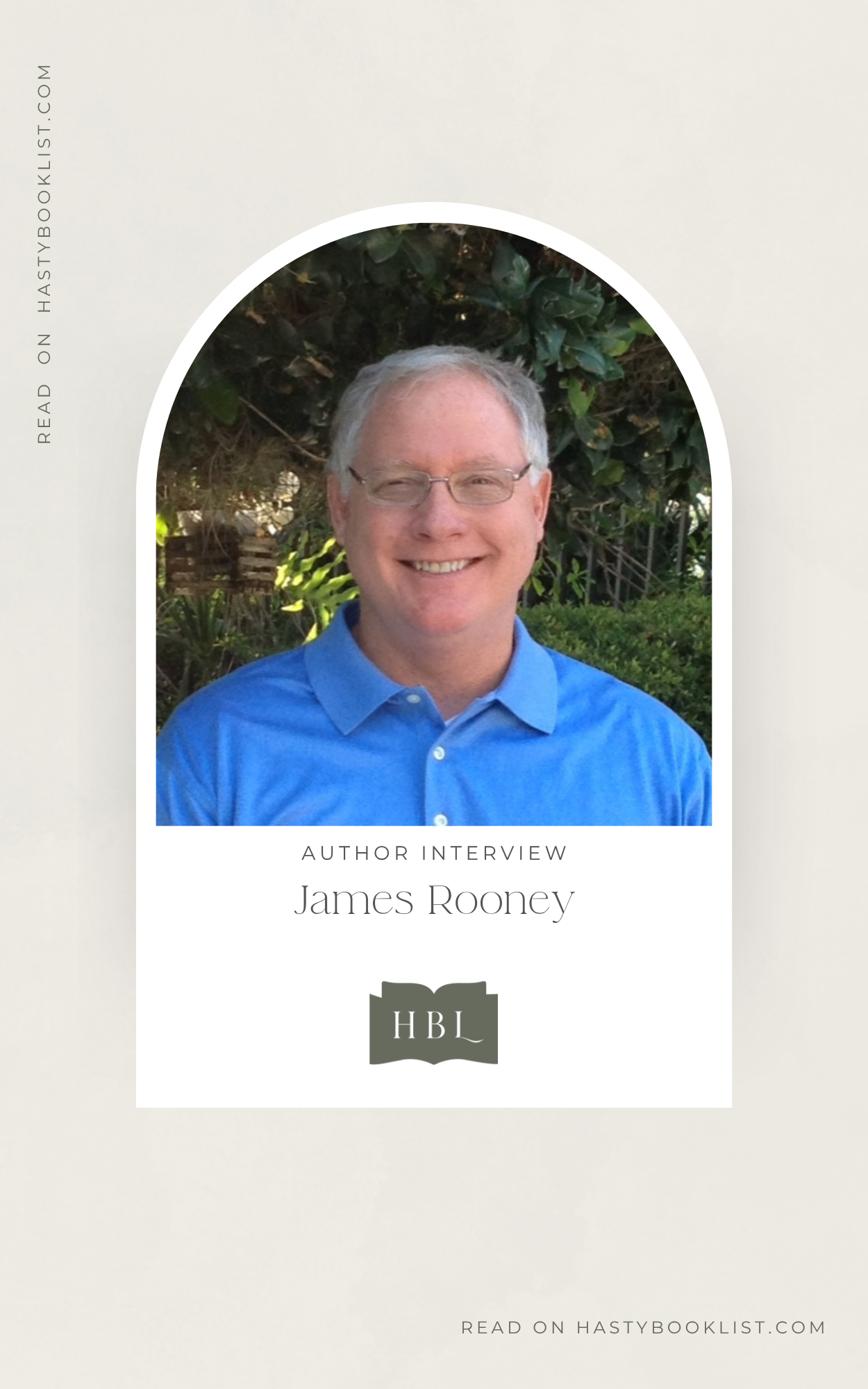
James Rooney
Author Interview - James Rooney
Author of For the Love of Money: Four Dizzying Decades Riding the Merrill Lynch Bull
What’s the real return on a life spent chasing money?
Spanning arguably the most disruptive four decades in Wall Street history (1983 through 2017), For the Love of Money is James Patrick Rooney’s first-hand account of a financial career that begins in a toxic West Palm Beach penny stock boiler room before joining Merrill Lynch’s “thundering herd” just in time to catch the greatest money-making opportunity in bond market history. As the dawning Information Age transformed his trade from commission-based brokerage to fee-based financial advisory, Rooney had a front-row seat to the congressional and C-suite failures behind the Savings & Loan Crisis, the “new paradigm” economic boom whose wealth creation was rivaled only by the Roaring Twenties, and “Y2K’s” back-to-back market crashes that nearly caused America’s second Great Depression. By turns cynical, humorous and unsparing, Rooney’s entertaining story is shaped by the angels and heroes who supported him along the way, and by the wisdom of ancient and modern sages whose lessons reach beyond financial success toward finding meaning and lasting happiness.

Author Interview - James Rooney
Author I draw inspiration from:
Trying to pick one favorite author and inspirational book is like trying to have just one glass of Sauvignon Blanc at happy hour. I haven't been successful yet. So if you'll indulge me, I'll have, oops, I mean pick, a handful. But I promise I'll Uber home.
I'll start with Ann Patchett and "Bel Canto." She is simply a poetic and magnificent writer telling sweet, memorable stories. Erik Larson's "The Devil in the White City" remains an all-time favorite. I still know more about the 1893 Chicago World's Fair than I do about my children (well, almost). And I walked the Appalachian Trail with Bill Bryson and laughed the entire time while reading his wonderful "A Walk in the Woods." Pat Conroy's "Lords of Discipline" was another influential book. When I finished, I felt like I'd attended The Citadel in Charleston myself.
Then there's John Steinbeck's "East of Eden," an important biblical story about the choices the characters made in the pioneering West (in the end, were they good, or evil?), and Wallace Stegner's "Angle of Repose," wherein the protagonist telling his family's story was confined to a wheelchair. I'm sure that influenced me to become a writer. Marilynne Robinson's "Gilead" and "Housekeeping" both really floored me. I'd never read such eloquent, meticulously written stories before, or probably since. Mark Twain's "The Gilded Age" was another favorite. Anything Twain writes, I'm thrilled to read, and reread. I believe we’re living through a second Gilded Age in 2026, so I was especially interested in this book because Twain coined the enduring phrase (along with many others). Colm Tóibín is one of my favorite authors: "Brooklyn," "Long Island," "Blackwater Lightship," and others.
There are so many more, but I want to mention one of the sweetest stories I've ever read, which is "Little Chapel on the River" by Gwendolyn Bounds. It's one of those books where I cried (just a little) when it ended because of the void it caused. Claire Keegan's "Small Things Like These" and her other novellas had an impact because she says so much in so few words (a skill I clearly have not developed).
Finally, I want to mention the personal and spiritual growth genre, because it's had such a positive effect on my life. I call "The Game of Life and How to Play It by Florence Scovel Shinn "my little red bible." Several books by Stuart Wilde also had a far-reaching impact on my thoughts and behavior. I've highlighted both Shinn and Wilde in my new book, along with others.
Well, I think we've had enough for tonight. I'll be calling for that Uber ride home now.

Author Interview - James Rooney | Author I Draw Inspiration From
Favorite place to read a book:
Anywhere the book is stationed. I have three or four such stations around our little retirement home (which in my book I call my "very lovely little shoebox."). It drives my wife crazy, which is just a minor side benefit. When I've gone to bed at night (by myself), I usually fall asleep with a Kindle on my chest, because it requires no light in the room and I can make the text larger, which helps my weary eyes by day's end.
Book character I’d like to be stuck in an elevator with:
As I reference in my book, I'm (more than) a little claustrophobic in elevators, especially in tiny, rickety elevators in fifty-year-old Florida buildings. So thanks for hitting on one of my recurring nightmares.
That said, because I believe many of Ann Patchett's books are autobiographical fiction, making the author essentially the main character, I'll pick Ann Patchett. And if I were stuck with her in an elevator, the damn thing need never start up again for all I'd care. We'd read passages from my Kindle to each other (I always carry my Kindle with me, especially on elevators. Not to mention an Ativan), I'd teach her a few tricks about the art of writing, we'd get Doordash deliveries in the afternoons of crusty French bread, various cheeses, Chablis or Pinot Noir (depending on the elevator's temperature), I’d tell the Doordash guy not to report that we’re stuck, and one day Ann and I would write a book together about our experiences. Yes, of course, it would be a love story.
By the way, I only picked Ann Patchett because I don't believe Sydney Sweeney is a character in any books (yet).
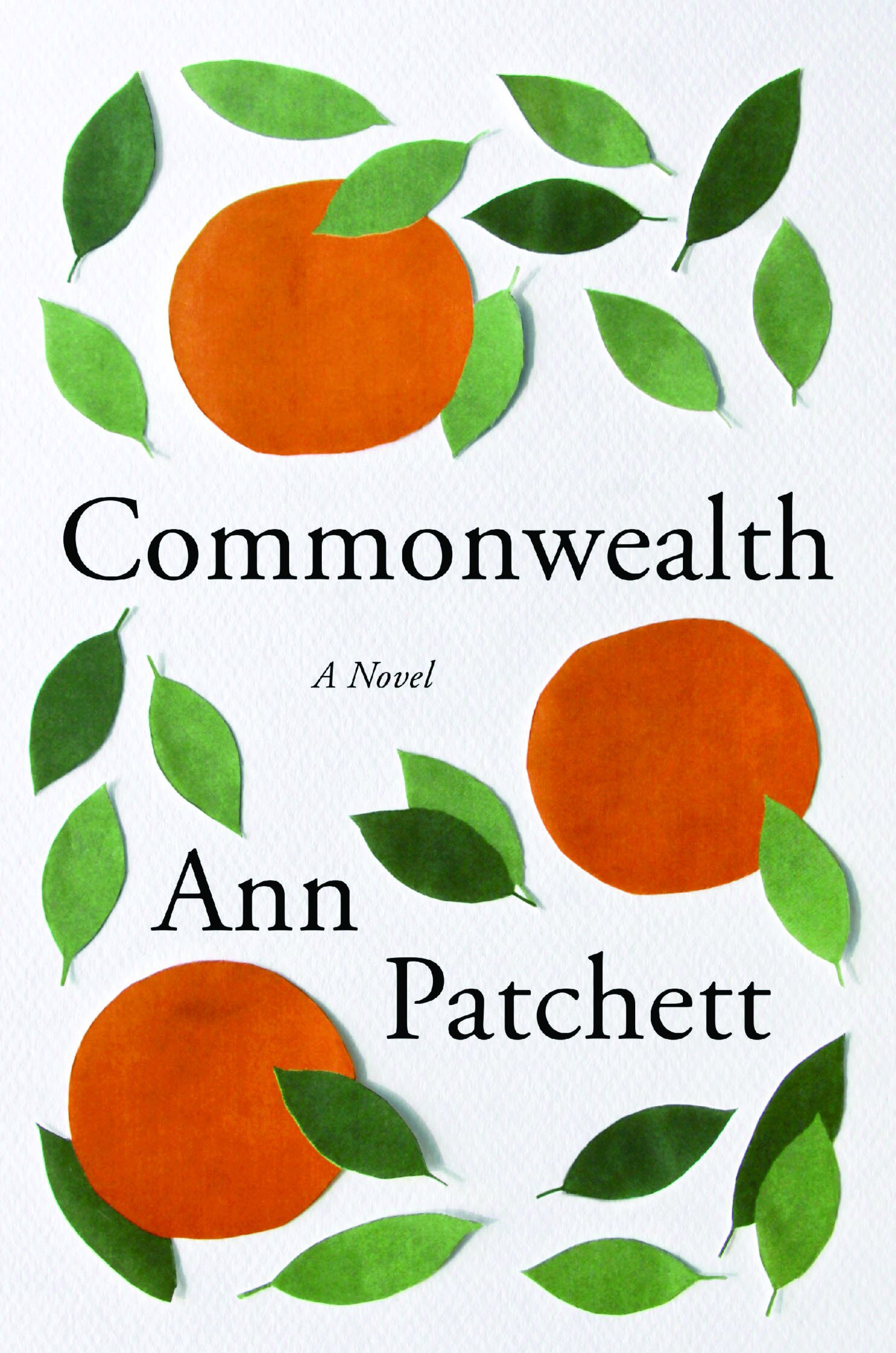
Author Interview - James Rooney | Book Character I’d Like to be Stuck in an Elevator With
The moment I knew I wanted to become an author:
In the final decade of my career at Merrill Lynch (2005 thru '14, give or take,) I ran an ambitious reading group at Old Marsh Golf Club in Palm Beach Gardens where we lived. After each monthly meeting, I would write imaginary, humorous (at least to me) reviews of the various books we covered.
One time, we had a special event meeting with John Blades, the director of the Flagler Museum on Palm Beach, along with special guest Les Standiford, the Florida author who'd just written "Last Train to Paradise," another wonderful book about the life of Henry Flagler, and particularly what's been called his "great folly," extending his East Coast railroad from Miami through the Florida Keys to Key West. Flagler accomplished this nearly impossible feat in 1912 at immense cost (financial and loss of life), and the train operated until Mother Nature said otherwise with 1935's devastating hurricane destroying much of the infrastructure he’d built.
So anyway (where's Claire Keegan when I need her?), at the previously referenced special event, Standiford asked the audience, “Are there any aspiring writers here tonight?” The entire audience pointed to me. That was my magical moment. Soon after, I enrolled in the creative writing program at Florida Internation University (FIU) in Miami, which was chaired by Les Standiford.
Hardback, paperback, ebook or audiobook:
However fine literature gets into the hands of readers is okay by me. Hardcovers are my favorite because I believe books are underappreciated works of art and should be treated as such. I enjoy the kinetic feel of leafing through a hardcover book, and I'm in no rush to get from one page to the next. Another benefit to hardcovers is the text size is usually a degree or two larger and friendlier to older eyes than paperbacks.
If I find the print too small (be it a hardcover or paperback), I buy the eBook on my Kindle where the size and sharpness of the print can be controlled at the reader’s choice. Also, eBooks are best for late night reading (nodding off) in bed, as I previously mentioned.
I don't listen to audiobooks that often, but I recall years ago when the kids were young. We'd take them to Disney World in Orlando, and we'd drive to Savannah and Charleston for the cultural history and food scene, and then into the North Carolina forests and mountains to find blessed relief from the heat. The Harry Potter series was all the rage at the time, for good reason. They were brilliantly written and the stories were compelling. We bought the seven book series on CD and listened to the entire story while driving long distances in the car. The brilliant English actor who provided the voice for every character, Jim Dale, won several awards for his performance. Because of that, I've always considered listening to an audiobook similar to sitting in a Broadway theater with my eyes closed while some brilliant actor tells you a wonderful story. It's something I should do again soon. But nothing will ever top listening to Harry Potter's wizardry with my young family.
The last book I read:
I just finished "Too Big To Fail" by Andrew Ross Sorkin, which was amazingly detailed and well written. Only a notable investigative journalist with behind-the-scenes access could reveal so many private conversations from Wall Street, Fed and Treasury's top players during one of their darkest periods in history. I lived the same dark story from my sales and advisory desk at Merrill Lynch, both a culprit and victim of the "Great Financial Crisis of 2008." In many ways. my book is complimentary to Sorkin's because it tells a related story from a different perspective, the inside looking out, the lowly guy on the advisory desk trying to comprehend and explain to my clients what the hell was going on in the C-suites, and particularly, whether they could trust Merrill Lynch and the markets anymore.
I also just finished "The Psychology of Money" by Morgan Housel. This best-selling academic study lives up to its title, and anyone interested in learning more about how our financial literacy collides with our emotional makeup should read Housel's book. It covers many of the same financial issues that I do, but once again, from a thoroughly different perspective and tone. Rather than an academic study, my book is more an emotional report from the battlefield.
In short, anyone who enjoyed "Too Big to Fail" and "The Psychology of Money" should give my book a chance. It serves as an on-the-ground study of how the things they write about play out in real life.
Moving beyond the topic of money, I'm usually reading three or four books of different genres concurrently. I recently enjoyed Hollywood screenwriter David Mamet's deliciously sarcastic autobiography, "Everywhere an Oink Oink," and "West with Giraffes" by Lynda Rutledge, a uniquely told and emotionally wrenching story of a 1938 journey across the country to get two sweet, fragile giraffes to the San Diego Zoo before it's too late, all to the backdrop of the beginnings of World War II. I also read local author Taylor Hagood's "Stringbean: The Life and Murder of a Country Music Legend." It's another true story that reads like a suspenseful novel. Hagood is an up and coming author for sure.
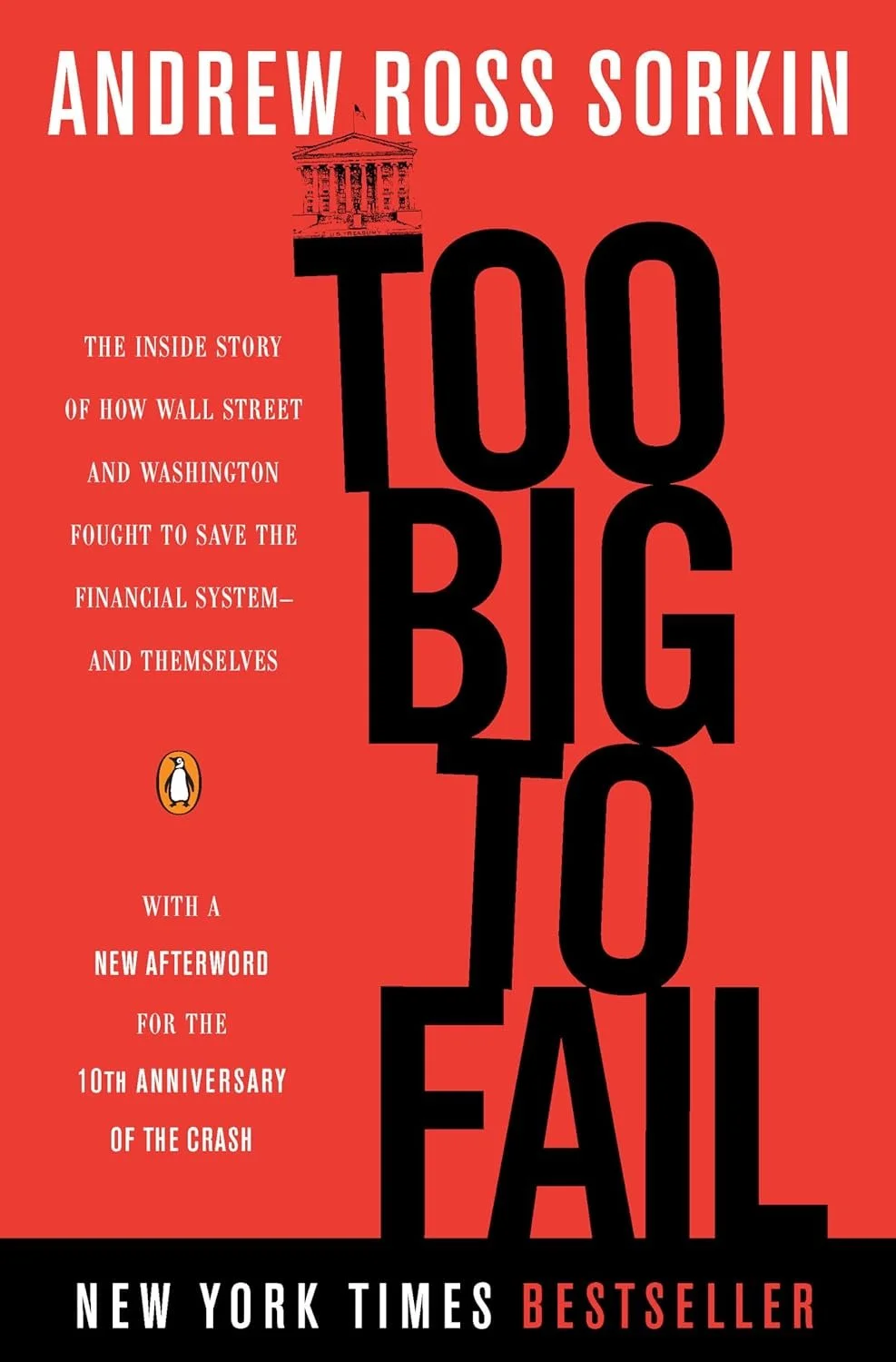
Author Interview - James Rooney | The Last Book I Read
Pen & paper or computer:
Both. I have a half dozen Levenger (heavy stock) legal pads positioned around my "very lovely little shoebox" and I'm constantly reading and taking notes the old-fashioned way. When the piles of notes get too unwieldy, I either file them away for future reference or get on my laptop and insert them into the relevant location of the story I'm attempting to write.
Then begins the months-long process of rewriting, editing, adding, deleting, and editing some more until each chapter feels complete, like its own interdependent short story. As that process continues, every few months I try to write a new outline for the overall book, and see how the chapters are fitting together, not unlike a jigsaw puzzle. My first book, "Sitting on a Rainbow: A 21st Century Irish American Morality Tale," was a novel, part memoir, part fiction and part fantasy (or in this case blarney), and my second book, "For the Love of Money," is non-fiction, with both stories sharing similar underlying themes, the financial markets and the oftentimes deleterious impacts of the ruling class. I wrote both books using this same method. This multipronged process - researching, taking notes, organizing the notes, writing, rewriting, editing, outlining - continues until something that looks like a completed book is in a Word document.
I suspect my above-described process will never be taught in creative writing classes.
Book character I think I’d be best friends with:
I think I'd be great friends with Wall Street attorney John Sutter from Nelson DeMille's "Gold Coast" and "The Gate House," and the third member of our posse would be NYPD homicide detective John Corey from DeMille's "Plum Island," "The Lion's Game," and others in the Corey series.
The reason is both of these guys are total wise-asses, which reminds me of me, and every thought they have seems funny to me (and plenty of other DeMille fans). I’m guessing their author is exactly the same. Beyond that, they are both grizzled veterans of their professions who've been through the war more than a few times, which again, aligns their experiences with mine.
I can see the three of us - Sutter, Corey and Rooney (or my novel’s protagonist, Patrick Connelly, who bears a striking resemblance to his author) - meeting up at an Irish pub, enjoying a few pints, swapping stories, and flirting with the servers (i.e., the lasses) until the wee hours, laughing heartily the entire evening (despite the lasses laughing even more heartily).
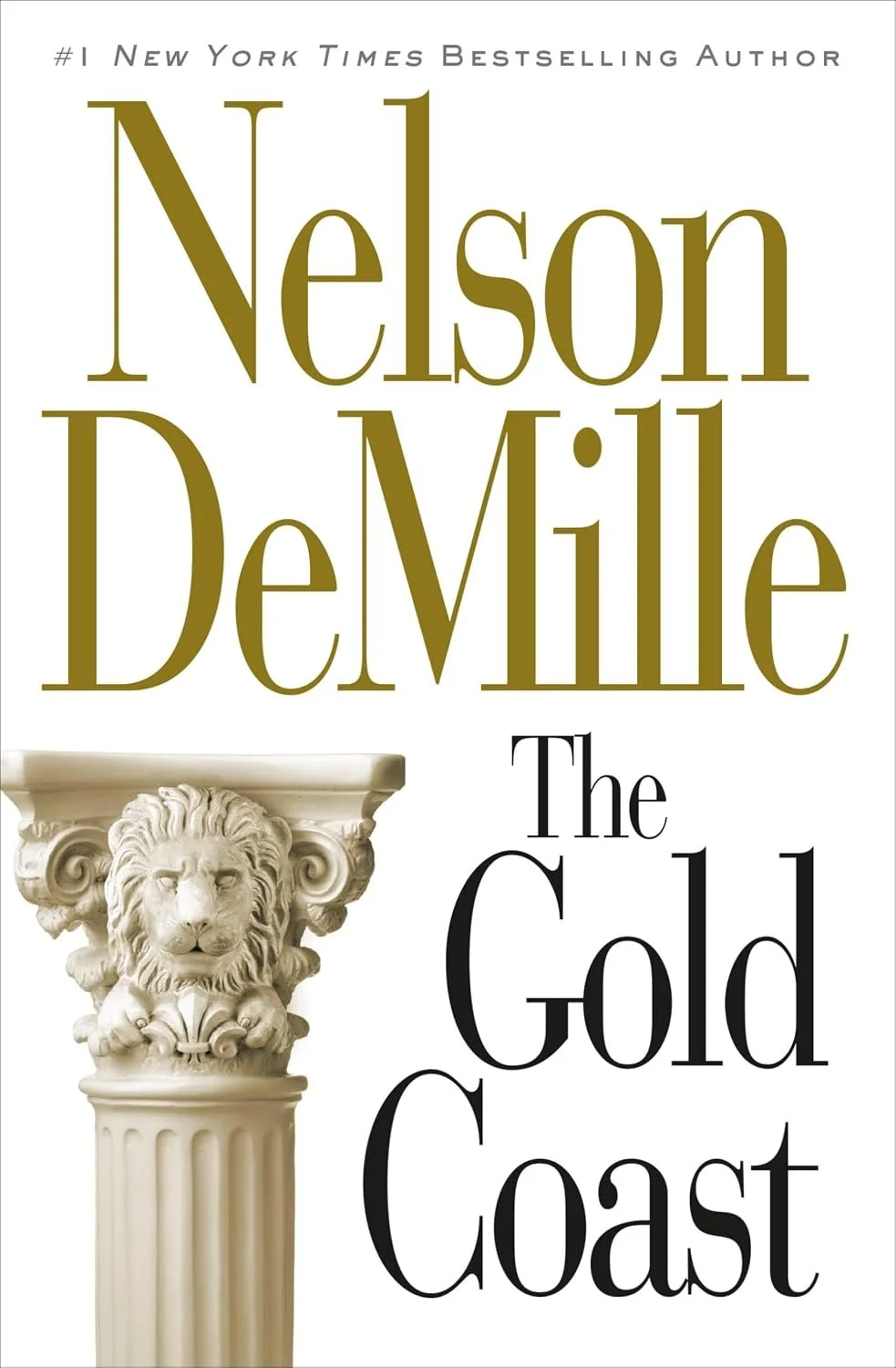
Author Interview - James Rooney | Book Character I’d be Best Friends With
If I weren’t an author, I’d be a:
A general manager (GM) or other personnel guy for a professional sports franchise (NHL, MLB, NFL, NBA, etc.), or even the first "Power Four" commissioner that the chaotic college football landscape needs so desperately. I'm a sports fanatic, which is evident when you read my new book, and I'm watching one sport or another most of the year, including golf, tennis, European rugby, etc.
Right now I'm flipping between Wimbledon and the Tour de France. I'm watching the Tour mostly for the magnificent aerial views of ancient Europe, the manor houses, castles, churches, cathedrals, and entire towns built centuries ago, especially in the wooded foothills and mountains. I could actually give a rat's ass about the guys on the bicycles. Most of them need to take a break and get a few good meals at a nearby pub. Some hearty pub grub will fatten them up in no time.
As much as I enjoy each sport itself for the competition, particularly the Olympics and the NHL and college football playoffs, I'm far more interested in the offseasons, the recruiting, the drafts, the free agency periods, all the personnel moves that go into building next year's roster. I must be the only guy who watches the entire NFL draft, from the first pick to Mr. Irrelevant, along with the NHL and NBA drafts, and then reading about every free agency signing, etc. I can't get enough.
That said, I think these massive guaranteed contracts they’re giving to most of these players are ridiculous (especially the NBA and MLB), way more than they’re worth, and some of that money should be given back to the fans, most of whom can’t afford to take their family out to a stadium or arena to enjoy a game. I’m thinking the league’s star players could probably scrape by on $20 or $30 million a year instead of $50 million to make that happen. As it stands, I think it’s shameful.
Favorite decade in fashion history:
Are you kidding me? The 1960s into the mid-'70s, of course. The tie dye shirts and scarves, the ripped denim (especially on the girls), the tank tops (especially on the girls), the entire flower power and peacenik hippie scene, Woodstock, all coordinating perfectly with the Vietnam War protest music, the explosion of British rock and roll, and America's folk rock and jazz response.
I suppose the older, monied crowd (of which I was neither) were doing their "Mad Men" James Bond look for the men, and the Twiggy British mod look or Jackie Kennedy’s elegant style for the women. But I was squarely on the conservative (i.e., nerdy) side of the hippie movement, ripped jeans and all (unless my mother mortified me (again) by ironing one of those shiny blue patches on the rips).
It was an inspired time, and it was genuine, from the heart. None of us wanted to die in Vietnam, and we didn't want any more racism at home, and we didn't want to be told to cut our hair or what we should wear or what music we should listen to. And we were horrified by the assassinations of our beloved leaders (JFK, MLK, RFK).
I think much of the protesting we've seen in the country since, particularly in the past decade, is not only disingenuous, but it's paid-for political advertising by people whose lives are so good, so cushy, that they have to manufacture their grievances. The people who are truly aggrieved are not the ones out on the streets. And some of it, the antisemitism and anti-law enforcement protests, and the violence, to name three, are truly despicable. And I don't think all their black masks and hoodies make an attractive fashion statement either.
Place I’d most like to travel:
As I referenced earlier regarding the Tour de France, I travel mostly via watching such programming, and even more so in my mind. Our two children visited Greece last summer on separate trips. I traveled along by scouring YouTube videos of all the destinations they were visiting, doing walking tours of the islands, etc.
One of my closest friends just wished me a happy birthday (July 4th) from Zurich, and he's going to Amsterdam next (the red light district - shh, don't tell anyone), and then he's going to Scotland. I admire his life, the freedom he has, and I'll admit to feeling a tinge of jealousy. But that type of travel just isn't possible for an aging paraplegic whose shoulders, elbows, etc., have seen better days. Not to mention, getting carried on and off a commercial airliner and having no access to a bathroom for up to 12 hours, and then struggling to find any accessible bathrooms for the next few weeks is old news. The world I prefer to live in just isn't built for wheelchairs, particularly ancient places like Europe, and that's perfectly okay. I’m simply not interested anymore in the anxiety (or worse) it causes.
I'm not complaining in the least. I feel lucky to be living in our miraculous times where I can faux travel with all our technological tools. So I'm happy being here at home most of the time. As I say in my book, one of my wife's favorite nicknames for me is "shut-in." I tell her I prefer the term "homebody," but it doesn't seem to impact her much. Especially when she's mad at me (which I need a calculator to keep up with :)
My signature drink:
Sauvignon Blanc or Chablis on a hot South Florida afternoon, Pinot Noir in the evening. I also enjoy tasting other French whites like Meursault and Montrachet, and Italian reds like Barolo and Amarone, and a fine Port wine from Portugal on occasion. But generally it’s the first three I mentioned. They are food-friendly, which is a big part of the enjoyment of (hopefully) sipping wine, matching flavors and enhancing the culinary experience. A couple of times a year I'll have a few beers (you know, like Liz Warren does when she’s running for president), and an Irish Coffee (whiskey), but it's rare. I'm pretty exclusively a wineaux (which means a sophisticated drunk).
Favorite artist:
This is as difficult as picking my favorite book and author. There are simply too many artists that I appreciate across the cultural categories. For painters, I love Caeser, who just painted a few of our ceilings and faux beams, doing a fabulous job. Not to mention his price was so damn reasonable.
If you’re talking about museum-worthy art, which I suspect you are, I love all the French impressionists, and especially modern impressionists Raoul and Jean Dufy. There’s something in their paintings that reminds me of American folk art, what’s called “primitive art,” which is my favorite style (says the neophyte critic from humble Bronx roots). When I fall into one of the Jean Dufy's scenes, I don't want to come home. There's a Parisian cafe I need to spend a few more hours in, or maybe the entire summer. Kind of like Hemingway, Fitzgerald, Stein, Pound, Eliot, Faulkner, Cummings, and the other members of the "Lost Generation."
Since that's probably not happening anytime soon, from my perch in South Florida I can probably speak a little more intelligently about music, because growing up in the ’60s and '70s allowed me to experience some of the best music ever created. The Beatles "Abbey Road" and "White Album," Pink Floyd's "Dark Side of the Moon," Bob Dylan's "Highway 61 Revisited" and "Shelter from the Storm," Van Morrison's "Astral Weeks," Joni Mitchell's "Blue," Led Zeppelin's "Houses of the Holy," Allman Brothers "Fillmore East," The Monkees "I'm a Believer."
Quick quiz. Which of those albums doesn't fit?
Musical history's greatest moments starts with classical music, of course, when the Germans and Austrians, and the occasional Pole, had nothing else to do but play the piano and die of one disease or another at age 41, usually related to their urinary tract, which was tragic because they'd just fallen in love with their 14-year-old cousin, who had at least twenty good years ahead of her.
And then there were the great jazz artists of Harlem’s Cotton Club and the Big Band era who will never be topped. Some of the notable names include Duke Ellington, Count Basie, Cab Calloway, Louis Armstrong, Ella Fitzgerald, Billie Holiday, and Frank Sinatra. The greatest era of Broadway was underway as well, with shows such as: "Oklahoma," "West Side Story," "Guys and Dolls," and so many more.
Just as we were entering my heyday, there was Little Richard, Chuck Berry, Elvis, American Graffiti's Wolfman Jack, and before we knew it, Ed Sullivan was introducing four mop top boys from England who called themselves The Beatles.
As a matter of interest, both of my books come complete with a music playlist associated with the storyline, which can be accessed on Spotify under “Sitting on a Rainbow” and “For the Love of Money” both by James Patrick Rooney (created by my wonderful cousin and friend, Ned Flood)
Number one on my bucket list:
I close my new book with a reference to Jim Croce's "Hey Tomorrow," wherein he says: "Hey tomorrow, where are you goin', do you have some room for me? 'Cause night is fallin', and the dawn is callin', I'll take a new day, if she'll have me."
That sums up my bucket list perfectly. If I have a tomorrow, I'll take it from there. And isn’t is so interesting, and melancholy, that the universe’s answer to Jim Croce was, “I’m sorry, you brilliant troubadour, but there are very few tomorrows remaining for you.”
About James Rooney:
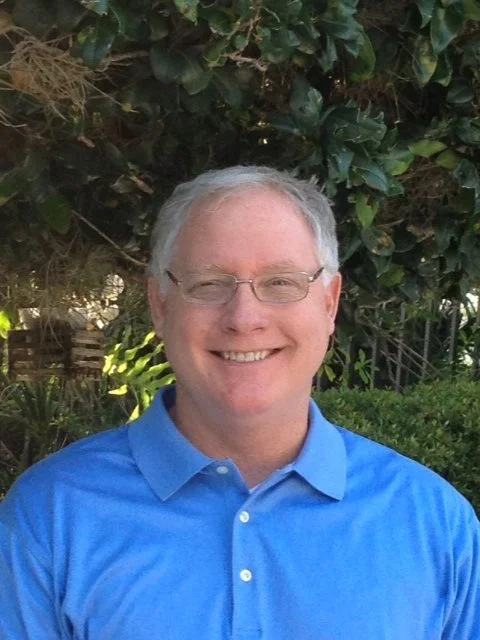
James Rooney
James Patrick Rooney was born in 1955 in the Bronx and came of age in Westchester County. After suffering a spinal cord injury (paraplegia) at age nineteen while playing ice hockey at Providence College, he migrated south to the University of Miami in Coral Gables, Florida, where he earned a business management and economics degree. Settling in Jupiter, Florida, he began a career in financial services and started his exceptional family. After four decades at Merrill Lynch as first vice president and senior wealth management advisor in the Palm Beach market, Rooney published his first novel, "Sitting on a Rainbow: A 21st Century Irish American Morality Tale," a mix of memoir, fiction and blarney. In this latest release, given a mandate to tell the unsparing truth, he’s eliminated the fiction and blarney, making this hard-hitting Wall Street story a must read.