
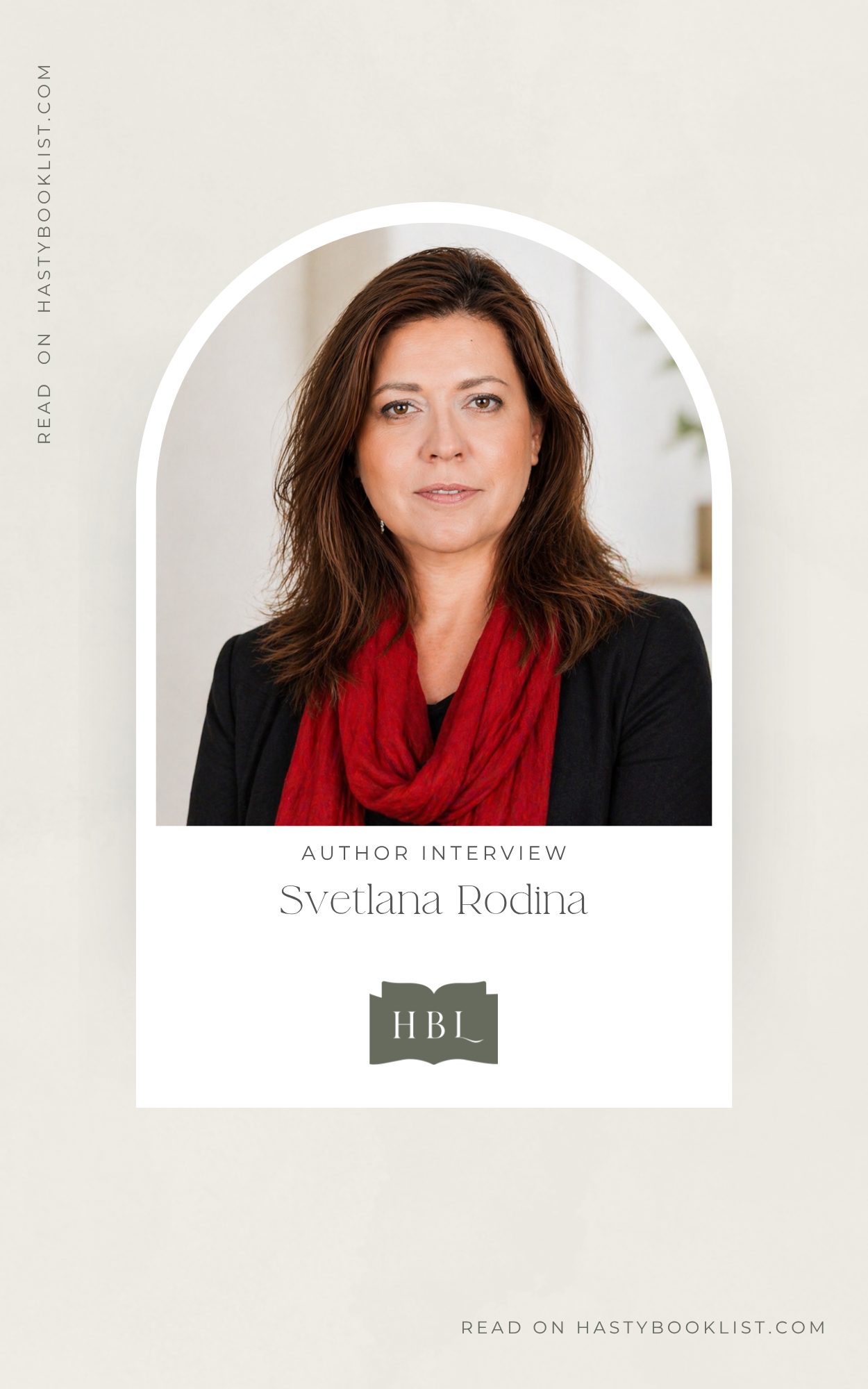
Svetlana Rodina
Author Interview - Svetlana Rodina
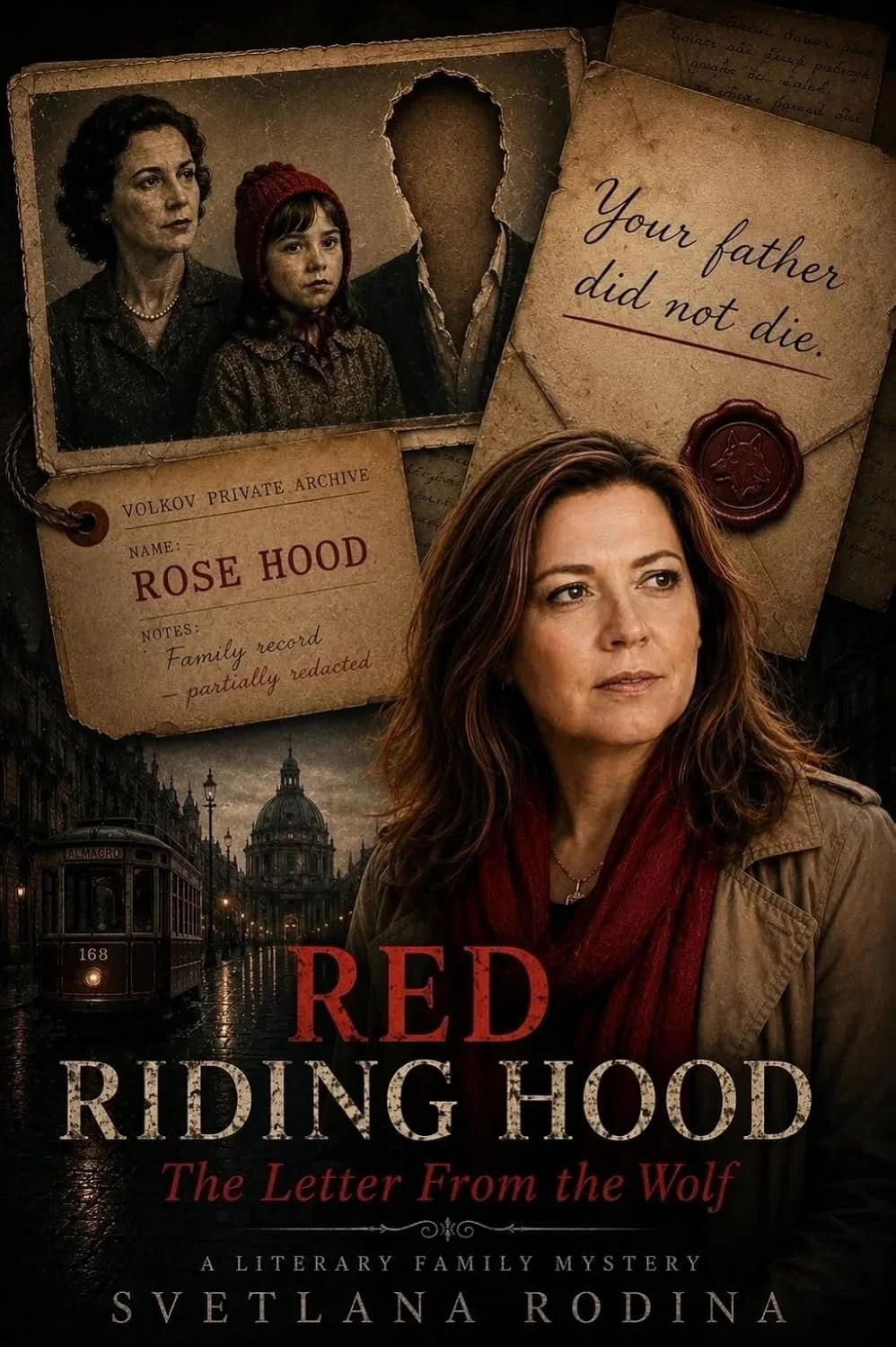
Author of RED RIDING HOOD The Letter from the Wolf
Rose is 53 and lives in Buenos Aires. Her life changes when photographs, letters, and documents begin to contradict the family history she has believed for decades. As she tries to understand what really happened in her parents’ past, she discovers that memory is not simply about what we remember, but also about what families choose to preserve, alter, or leave unsaid. The novel is a contemporary literary mystery about family memory, identity, inherited narratives, and the difficult process of reconsidering your own past in midlife.
Author Interview - Svetlana Rodina
Author I draw inspiration from:
I draw inspiration from Daphne du Maurier, Anton Chekhov, and Fyodor Dostoevsky, each for very different reasons.
From Daphne du Maurier, I learned the power of atmosphere, uncertainty, and the feeling that the past is never completely gone. I am especially drawn to the way she creates tension not through constant action, but through what is hidden, remembered imperfectly, or left unexplained. I brought that sense of unease into my novel through photographs, letters, documents, and conflicting versions of family history.
From Chekhov, I take restraint and attention to ordinary human behavior. His characters are rarely simply right or wrong; their contradictions are what make them alive. That influenced the way I wrote family relationships in the novel. I did not want heroes and villains, but people shaped by love, fear, silence, disappointment, and their own limitations.
From Dostoevsky, I draw inspiration from psychological depth and from the idea that the most important conflict often happens inside a person. In my novel, Rose is not only trying to discover what happened in the past. She is also forced to question what she believed, why she believed it, and what happens to a person when the story on which she built part of her identity begins to collapse.

Author Interview - Svetlana Rodina | Author I Draw Inspiration From
Favorite place to read a book:
At home, late in the evening, when everything is finally quiet. I like reading without interruptions and being able to disappear into a book for several hours without noticing the time.
Book character I’d like to be stuck in an elevator with:
Prince Myshkin from The Idiot by Fyodor Dostoevsky. He is one of those rare characters who observes people without immediately judging them. I imagine we would begin with a completely ordinary conversation about being stuck in an elevator and somehow end up talking about human nature, loneliness, kindness, and why people so often make their own lives more complicated than they need to be. By the time the doors opened, I would probably have forgotten to be annoyed about the elevator.
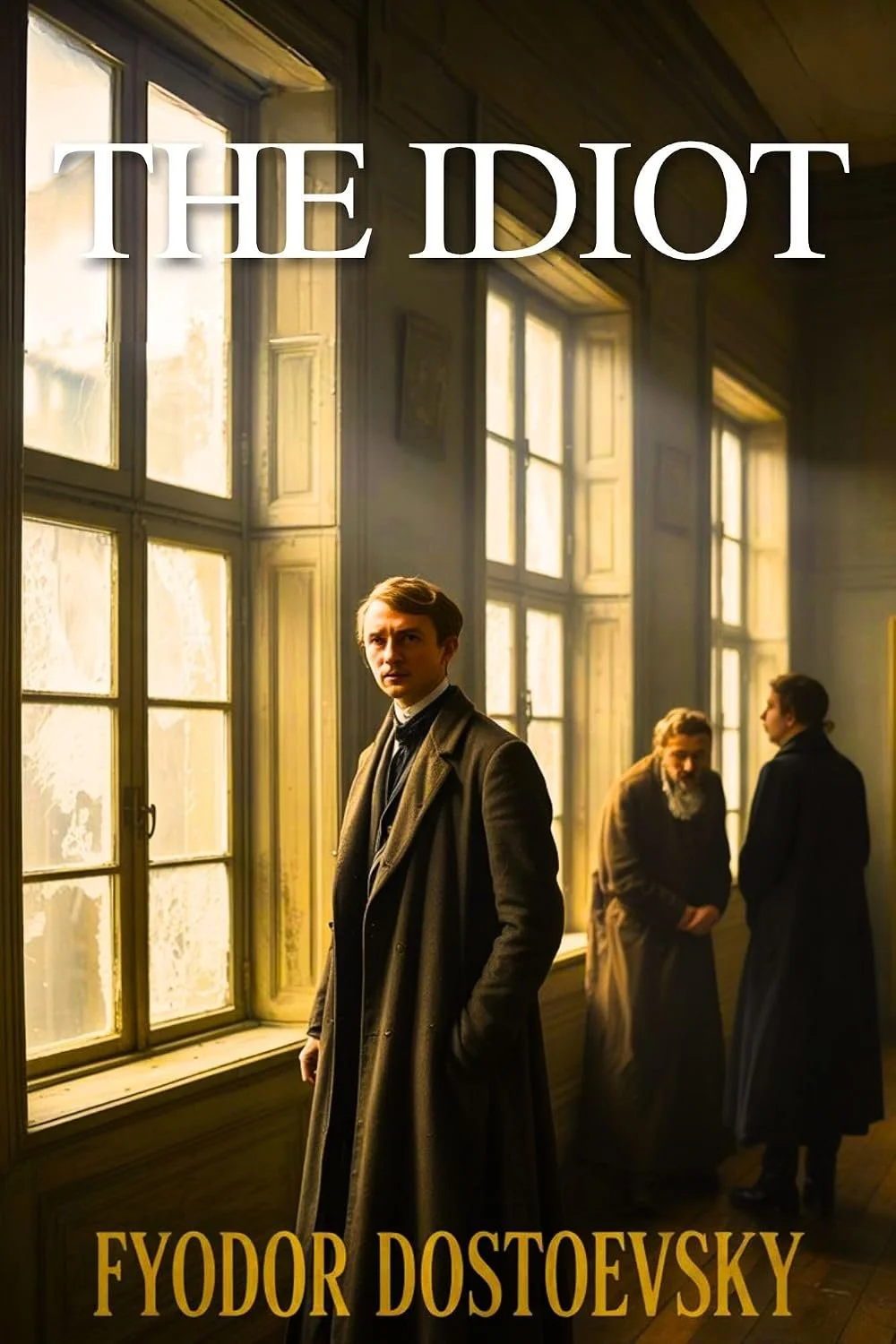
Author Interview - Svetlana Rodina | Book Character I’d Like to be Stuck in an Elevator With
The moment I knew I wanted to become an author:
I don’t think there was one dramatic moment when I decided to become an author. Writing grew out of the questions I kept returning to: why families remember the same events differently, how people build stories about their own past, and what happens when those stories stop making sense. Eventually I realized that fiction gave me the space to explore those questions more deeply than any straightforward explanation could.
Hardback, paperback, ebook or audiobook:
I read ebooks most often because they are practical: I can carry an entire library with me, which is especially useful when living and travelling abroad. But I still prefer the physical experience of a paperback when I really love a book. Hardbacks are beautiful and feel permanent, although they are less convenient to carry around. Audiobooks are a different experience for me because so much depends on the narrator; a great voice can add another dimension to a book, while the wrong one can completely change how I hear the characters.
The last book I read:
The last book I read was actually a reread: The Master and Margarita by Mikhail Bulgakov. I return to it because it changes with the reader. The first time, it can feel like a brilliant mixture of satire, fantasy, love story, and philosophical novel. On rereading it, I notice much more of the loneliness, fear, moral compromise, and vulnerability beneath the humor. I especially admire the way Bulgakov moves between the absurd and the tragic without making either feel artificial. It is one of those books that never seems completely finished because every rereading reveals something different.
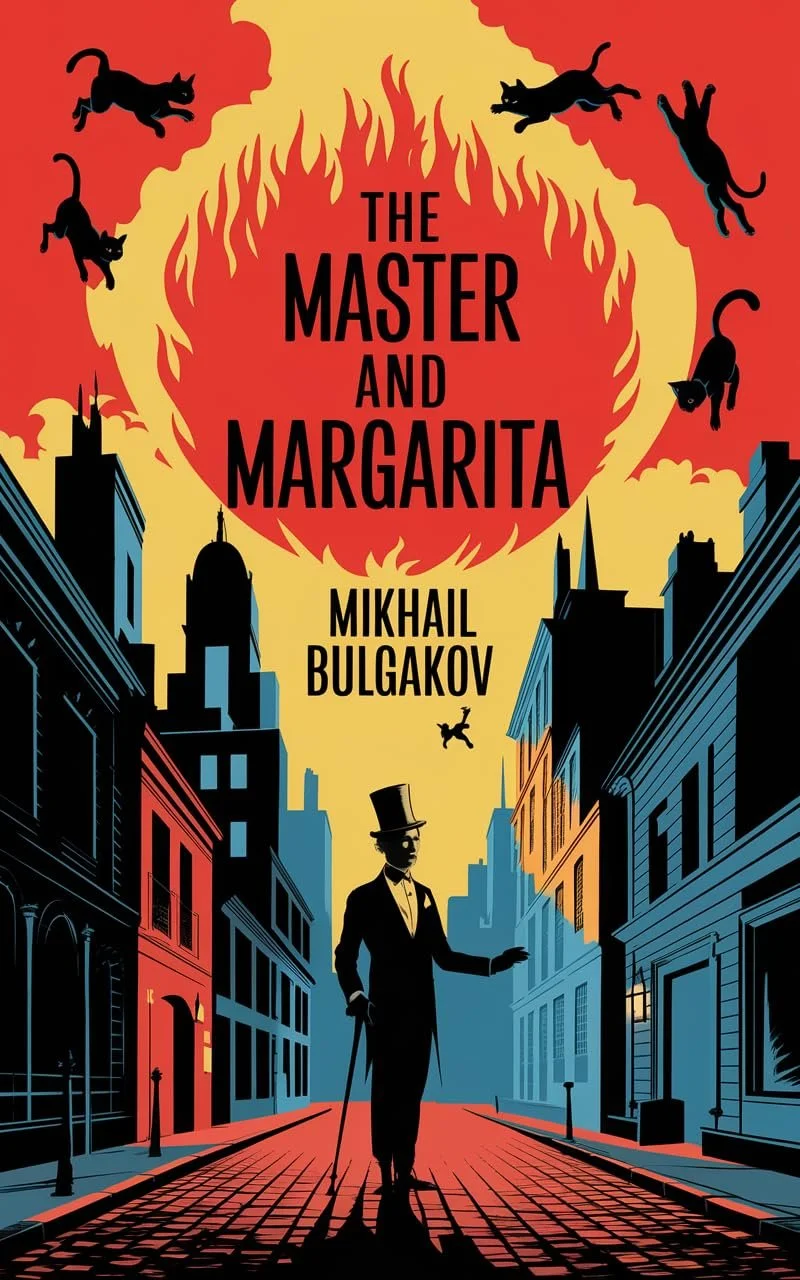
Author Interview - Svetlana Rodina | The Last Book I Read
Pen & paper or computer:
Computer for the actual writing, but pen and paper still have a place in the process. I use handwritten notes when I need to catch an idea, a connection between characters, or something that suddenly solves a problem in the story. Once I begin developing the text seriously, I work on a computer because my writing involves constant revision. I rarely move neatly from the first sentence to the last. I go back, restructure scenes, change details, check whether earlier chapters still work with later discoveries, and rewrite until the story feels internally consistent.
Book character I think I’d be best friends with:
Margarita from The Master and Margarita by Mikhail Bulgakov. I think I would get along with her because she is intelligent, independent, emotionally brave, and not particularly interested in living according to other people’s expectations. She can be deeply loyal without becoming passive, and she retains a remarkable sense of herself even when reality becomes completely absurd. I suspect we would have very long conversations about people, choices, and the strange things we are willing to do for those we love.
If I weren’t an author, I’d be a:
I think I would be a gemologist. I love the combination of science, observation, history, and detective work involved in understanding gemstones. A stone may look simple at first, but its inclusions, structure, origin, and treatment can tell an entire story. Perhaps that is not so different from writing fiction: I am interested in what is hidden beneath the surface.
Place I’d most like to travel:
The 1920s, especially the Art Deco period. I love the geometry, elegance, and sense of liberation in the fashion of that era. Clothing became less restrictive, silhouettes changed dramatically, and there was a feeling of women beginning to define themselves differently. I am probably as interested in what that change represented as I am in the clothes themselves.
My signature drink:
Strong black tea. Nothing elaborate. I drink it while reading, writing, thinking, and occasionally pretending that another cup will solve a structural problem in a manuscript.
Favorite artist:
Faina Ranevskaya. I admire her not only as an actress, but for her intelligence, precision, independence, and extraordinary sense of irony. She could make a character unforgettable with a small gesture, a pause, or a single line. What I value most is the combination of sharp humor and vulnerability in her work. She understood how absurd people can be without losing compassion for them. That balance between irony and humanity is something I also try to preserve in my own writing.
Number one on my bucket list:
To see Iceland for myself, especially the landscapes and places that I have so far known only through photographs, books, and language. Having one of my books published in Icelandic made that wish much more personal. I would love to stand somewhere far from a city, see the northern lights, and experience the country rather than imagine it from a distance.
Anything else you'd like to add:
I began writing seriously later in life, and that has shaped the kinds of stories I want to tell. I am interested in characters whose lives are not beginning but changing: people who already have histories, responsibilities, mistakes, losses, and established ideas about themselves. I think reinvention becomes more interesting, not less, when a person has something real to reconsider. That is one of the reasons the heroine of my novel is 53.
Find more from the author:
Facebook: https://www.facebook.com/profile.php?id=61592242406213
Goodreads: https://www.goodreads.com/author/show/70911149.SVETLANA_RODINA
Instagram: https://www.instagram.com/shapk_a2026/
About Svetlana Rodina:
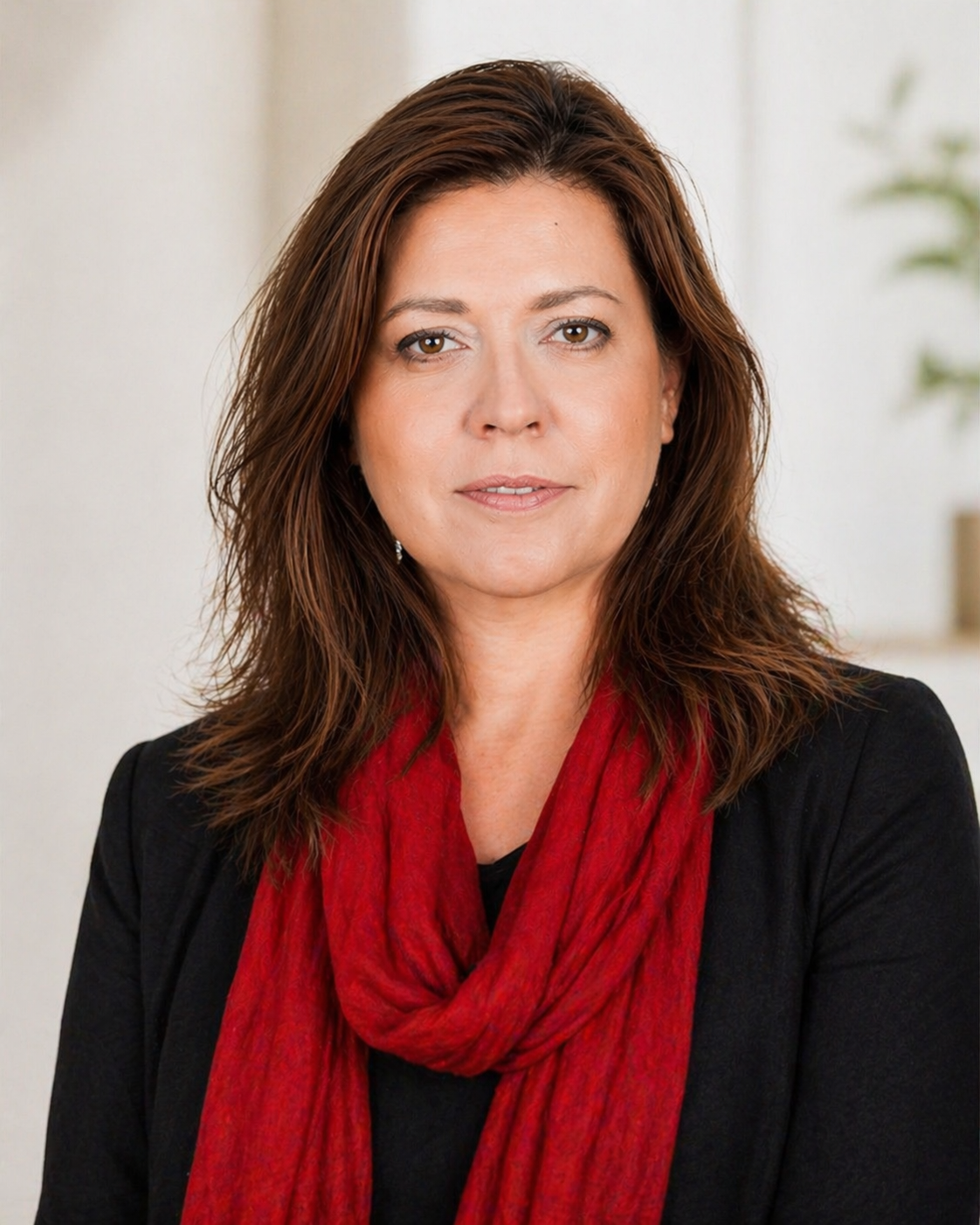
Svetlana Rodina
I am an independent writer based in Buenos Aires. My contemporary fiction reimagines familiar fairy-tale structures through the lives of adult women and explores family memory, identity, relationships, migration, and personal reinvention. My work has been published in English, Spanish, Russian, and Icelandic. I am particularly interested in women at turning points in midlife, when established ideas about family, the past, and even themselves begin to change.