12 Authors Like Kurt Vonnegut
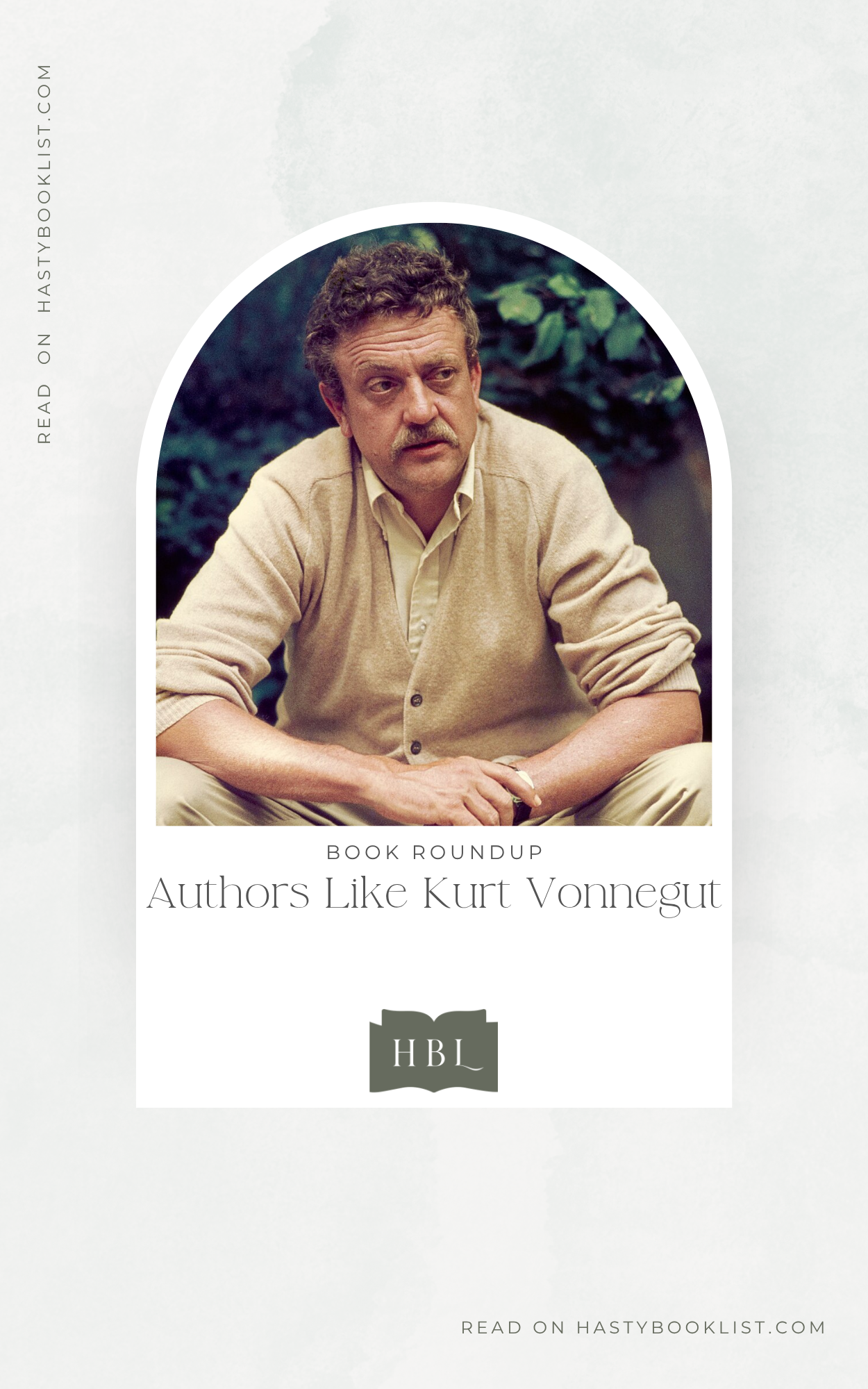
There is a particular feeling that comes with finishing a Kurt Vonnegut novel. You close the book amused, unsettled, and probably thinking about humanity a little differently than you did before. His stories can be funny and devastating within the same paragraph, jumping between absurd situations and serious questions about war, technology, morality, free will, and what it means to be human.
If you have finished Slaughterhouse-Five, Cat’s Cradle, Breakfast of Champions, or The Sirens of Titan and immediately wanted another book that could make you laugh while quietly sending you into an existential crisis, there are plenty of authors worth exploring.
I first encountered Vonnegut when I was in high school, and he was one of those authors who made literature feel completely different from what I thought it was supposed to be. His books could be strange, playful, accessible, and deeply serious all at once. What I have come to appreciate even more as a longtime reader is how difficult that combination is to replicate. The authors below do not necessarily write exactly like Vonnegut—and that is a good thing—but they share elements of his wit, unusual perspectives, social criticism, speculative storytelling, and fascination with the absurdities of human behavior.
12 Authors Like Kurt Vonnegut
When looking for authors like Kurt Vonnegut, I would not focus too much on finding someone who sounds exactly like him. Vonnegut's voice is too distinctive for that. Instead, look for writers who combine dark humor, satire, science fiction, unconventional storytelling, and big philosophical questions.
Some of these authors lean more heavily into speculative fiction, while others share Vonnegut's ability to expose uncomfortable truths through humor. If the science fiction side of his work is what appeals to you most, you may also enjoy my recommendations for the best sci fi books.
Before we get to the recommendations, here is a little more about what makes Vonnegut's writing so distinctive.
Who Is Kurt Vonnegut?
Kurt Vonnegut was an American novelist, short story writer, essayist, and satirist whose unconventional fiction made him one of the most recognizable literary voices of the 20th century. He was born in Indianapolis in 1922 and grew up during the Great Depression, an experience that affected his family and helped shape some of the pessimism that would later surface in his writing. He attended Shortridge High School, where he wrote for the student newspaper, before studying chemistry at Cornell University and working on The Cornell Daily Sun.
The defining experience of Vonnegut's early life, however, came during World War II. After joining the U.S. Army, Vonnegut was captured during the Battle of the Bulge and held as a prisoner of war in Dresden, Germany. He survived the firebombing of Dresden while sheltered underground in a former slaughterhouse. That experience eventually became central to Slaughterhouse-Five, the 1969 novel that helped make him a major literary figure.
That background helps explain why so many Vonnegut works are funny without ever feeling frivolous. His humor often sits beside war, death, injustice, loneliness, and the seemingly endless human capacity for making terrible decisions.
What Kind Of Books Did Kurt Vonnegut Write?
Kurt Vonnegut wrote literary fiction, science fiction, satire, short fiction, essays, plays, and nonfiction, often blurring the boundaries between genres. His early novel Player Piano imagines the consequences of technological automation, while The Sirens of Titan uses an interplanetary adventure to satirize humanity's desire to find meaning and importance in the universe. Mother Night explores identity and moral responsibility through the story of an American involved in Nazi propaganda during World War II.
Vonnegut was also an accomplished short story writer. Before his novels made him famous, he published short fiction in magazines, and collections such as Welcome to the Monkey House demonstrate how effectively he could compress his humor and social commentary into a short story.
Across all of these genres, you will find recurring ideas: the absurdity of war, skepticism toward institutions, anxiety about technology, questions about free will, compassion for flawed people, and a tendency to use humor precisely when the subject matter seems least funny.
Those are the qualities I kept in mind when choosing the following authors.
12 Authors Similar To Kurt Vonnegut
1. Douglas Adams
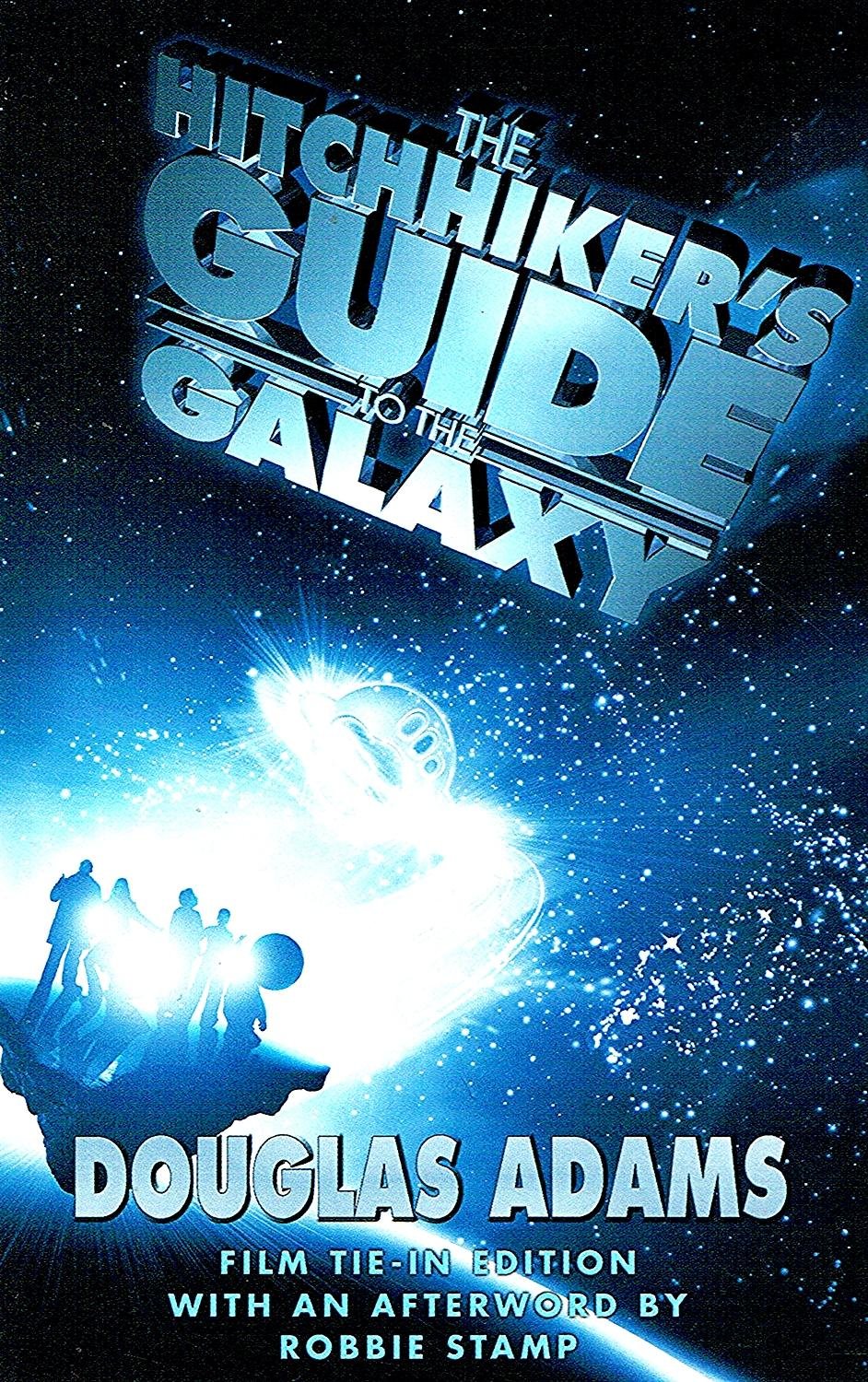
If the cosmic absurdity of The Sirens of Titan is your favorite side of Vonnegut, Douglas Adams should be one of your first stops. Adams uses science fiction to demonstrate how ridiculous human beings can look when viewed against the enormous scale of the universe. His humor is more overtly comedic than Vonnegut's, but underneath the jokes are familiar questions about existence, bureaucracy, technology, and humanity's insistence on taking itself seriously.
Best Douglas Adams books to read:
The Hitchhiker's Guide to the Galaxy — Start here for Adams' quintessential combination of space travel, philosophical absurdity, and wonderfully strange humor.
The Restaurant at the End of the Universe — Continue the series for an even stranger trip through time, space, and the peculiarities of existence.
2. George Saunders
George Saunders is one of my favorite recommendations for readers who love Vonnegut's combination of absurdity and compassion. His stories often place ordinary people inside bizarre, exaggerated versions of modern life, using humor to examine consumerism, inequality, work, death, and human connection.
Saunders is particularly worth reading if you enjoy Vonnegut's short fiction. Like Vonnegut, he can make a premise sound ridiculous before revealing something unexpectedly moving underneath it.
Best George Saunders books to read:
Tenth of December — A brilliant short story collection filled with strange situations, dark comedy, and deeply human characters.
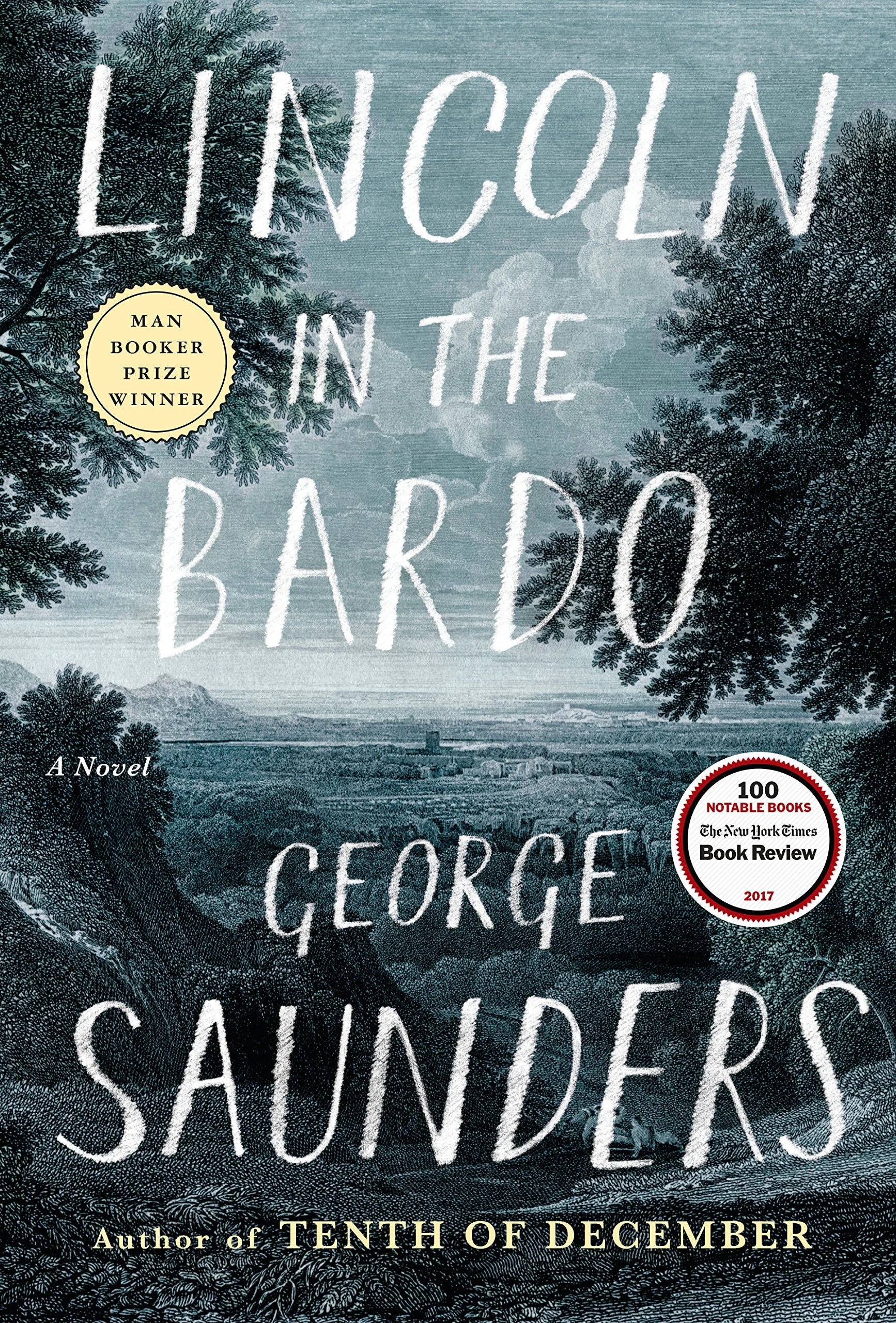
Lincoln in the Bardo — An inventive, formally unusual novel about grief, death, and the people caught somewhere between worlds.

3. Joseph Heller
Readers who respond most strongly to Vonnegut's treatment of war should read Joseph Heller. Catch-22 shares Vonnegut's understanding that sometimes the only reasonable way to describe an unreasonable system is through absurdity.
Heller's satire of military bureaucracy is frantic and circular, while Vonnegut's voice tends to be calmer and more resigned. But both writers expose the madness of war by showing how supposedly rational institutions can behave in profoundly irrational ways.
Best Joseph Heller books to read:
Catch-22 — An essential antiwar satire about a World War II bombardier trapped by military bureaucracy.
Something Happened — A darker novel examining corporate life, family, fear, and dissatisfaction.

4. Philip K. Dick
Philip K. Dick is a strong choice for readers who want to move deeper into the science fiction elements of Vonnegut's work. His novels repeatedly question reality, identity, technology, authority, and what actually makes someone human.
Dick is generally darker and more paranoid than Vonnegut, but both writers use speculative worlds to examine very real anxieties about contemporary society.
Best Philip K. Dick books to read:
Do Androids Dream of Electric Sheep? — A thought-provoking exploration of artificial intelligence, empathy, and what separates humans from machines.
The Man in the High Castle — An alternate-history novel imagining a very different outcome to World War II.
5. Terry Pratchett
Terry Pratchett's fantasy novels may initially seem far removed from Vonnegut, but the two writers share an extraordinary ability to use absurd fictional worlds to comment on very real human behavior.
Pratchett's Discworld books satirize politics, religion, economics, bureaucracy, class, and countless other institutions. Like Vonnegut, Pratchett is frequently hilarious while remaining surprisingly sincere about humanity.
Best Terry Pratchett books to read:
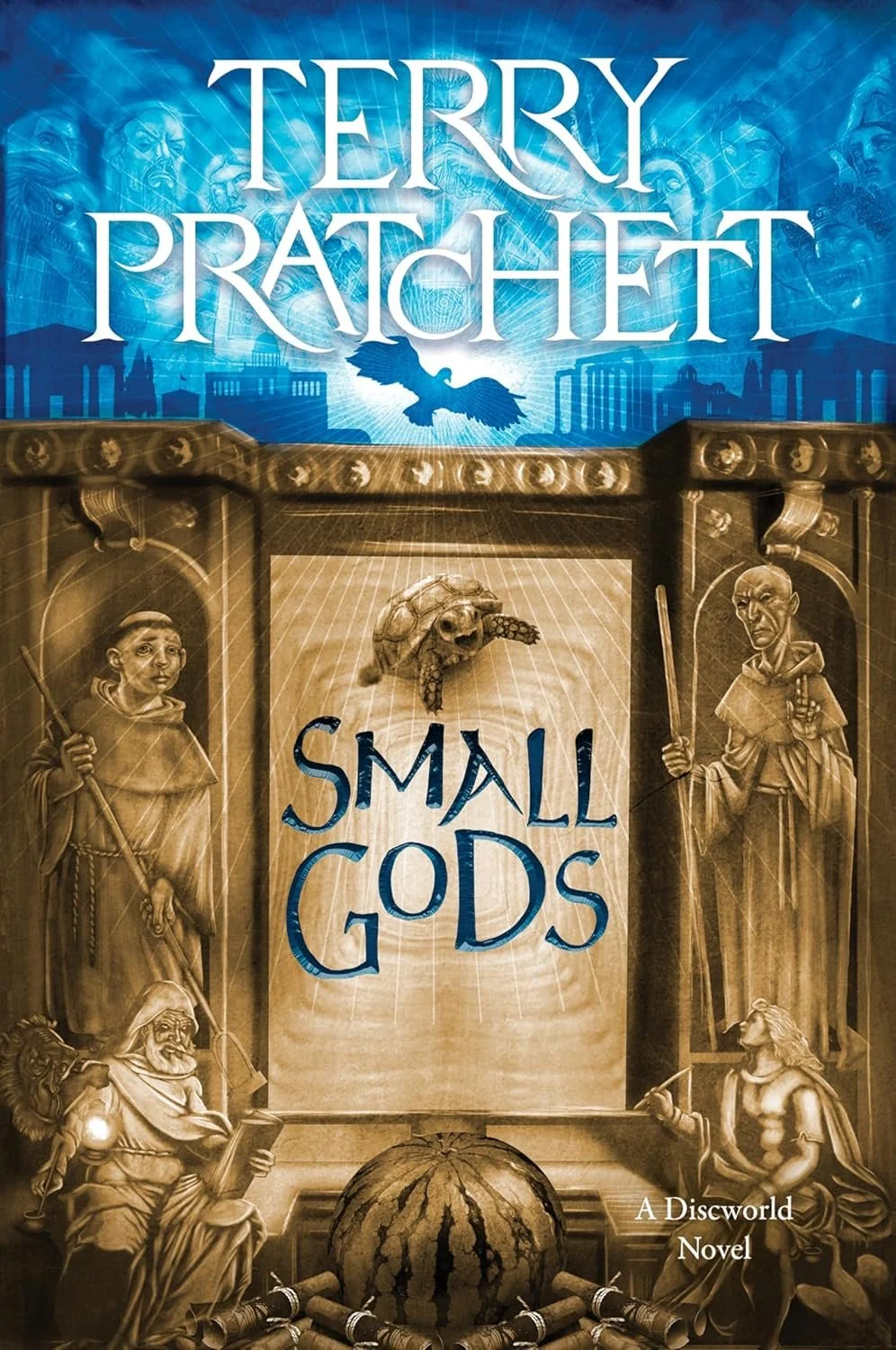
Small Gods — A particularly good starting point for Vonnegut readers because of its sharp satire of religion and institutional power.
Guards! Guards! — A funny, accessible introduction to Discworld that explores government, power, and human foolishness.
6. George Orwell
Vonnegut and George Orwell differ significantly in style, but readers drawn to the political and social criticism in Vonnegut's books will find plenty to appreciate in Orwell.
Both writers distrust systems that reduce people to numbers, roles, or tools. Orwell tends to approach those concerns more directly and ominously, while Vonnegut often disguises his warnings beneath jokes and absurdity.
Best George Orwell books to read:
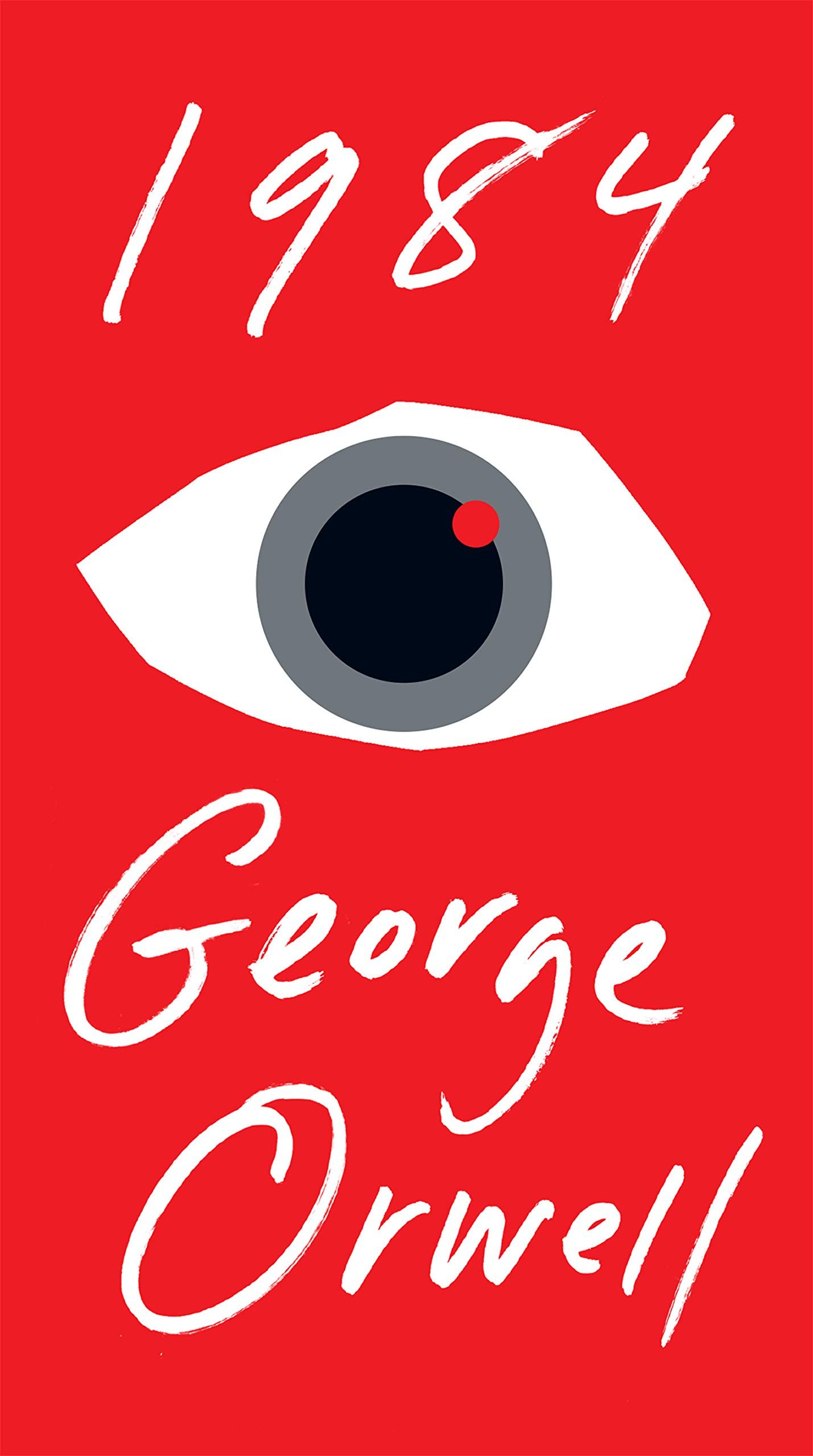
1984 — Orwell's classic dystopian novel about surveillance, propaganda, and authoritarian control.
Animal Farm — A short, deceptively simple political satire about power and corruption.

7. Tom Robbins
For readers who love Vonnegut's playfulness, eccentric characters, philosophical tangents, and willingness to ignore conventional literary rules, Tom Robbins is an excellent match.
Robbins is more exuberant and stylistically elaborate than Vonnegut, but both authors delight in approaching familiar ideas from unexpected angles. His novels mix humor, philosophy, counterculture, romance, and surrealism into stories that rarely behave the way you expect them to.
Best Tom Robbins books to read:
Even Cowgirls Get the Blues — An unconventional novel filled with eccentric characters, countercultural ideas, and philosophical humor.
Jitterbug Perfume — A sprawling, imaginative story about immortality, love, scent, and the meaning of life.
8. Chuck Palahniuk
If you like the darker edge of Vonnegut's satire, Chuck Palahniuk may be worth exploring. His novels frequently examine consumer culture, identity, alienation, masculinity, and the bizarre ways people respond to a society that leaves them feeling disconnected.
Palahniuk is considerably more graphic and confrontational than Vonnegut, so he will not work for every reader. But his willingness to turn uncomfortable subjects into dark comedy makes him an interesting contemporary comparison. Readers who enjoy fiction that ventures into even darker territory might also explore these dark psychological thrillers books.
Best Chuck Palahniuk books to read:
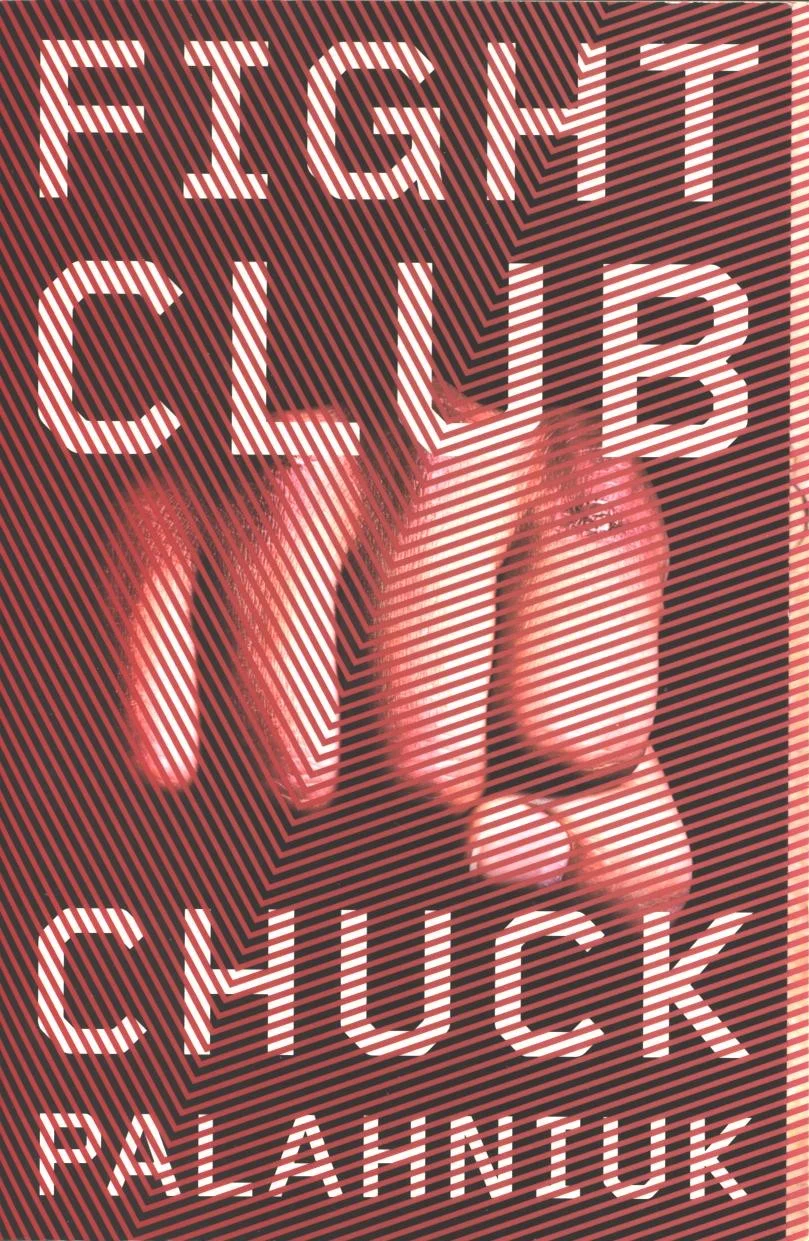
Fight Club — A provocative satire of consumerism, identity, alienation, and modern masculinity.
Choke — A darkly comic novel about addiction, deception, loneliness, and people's desperate attempts to connect.

9. Percival Everett
Percival Everett is an excellent choice for readers who appreciate Vonnegut's refusal to take literary conventions too seriously. Everett's work is inventive, intellectually playful, satirical, and often difficult to categorize.
Like Vonnegut, Everett can use humor to approach subjects that are anything but funny. His novels frequently challenge readers to question storytelling itself as well as the cultural assumptions surrounding race, identity, history, and American life.
Best Percival Everett books to read:
Erasure — A sharp literary satire about publishing, race, representation, and the expectations placed on writers.
James — A reimagining of Adventures of Huckleberry Finn from Jim's perspective that combines humor, intelligence, and devastating social commentary.
10. Matt Haig
Matt Haig is a good choice for readers who are less interested in replicating Vonnegut's exact prose style and more interested in fiction that uses unusual premises to ask big questions.
His novels explore time, mortality, regret, happiness, and what makes an ordinary human life meaningful. Haig tends to be more emotionally earnest than Vonnegut, but both writers can take an enormous philosophical question and make it approachable through an imaginative story.
Best Matt Haig books to read:
The Humans — An alien arrives on Earth and develops an unexpected appreciation for the strange creatures who live here.
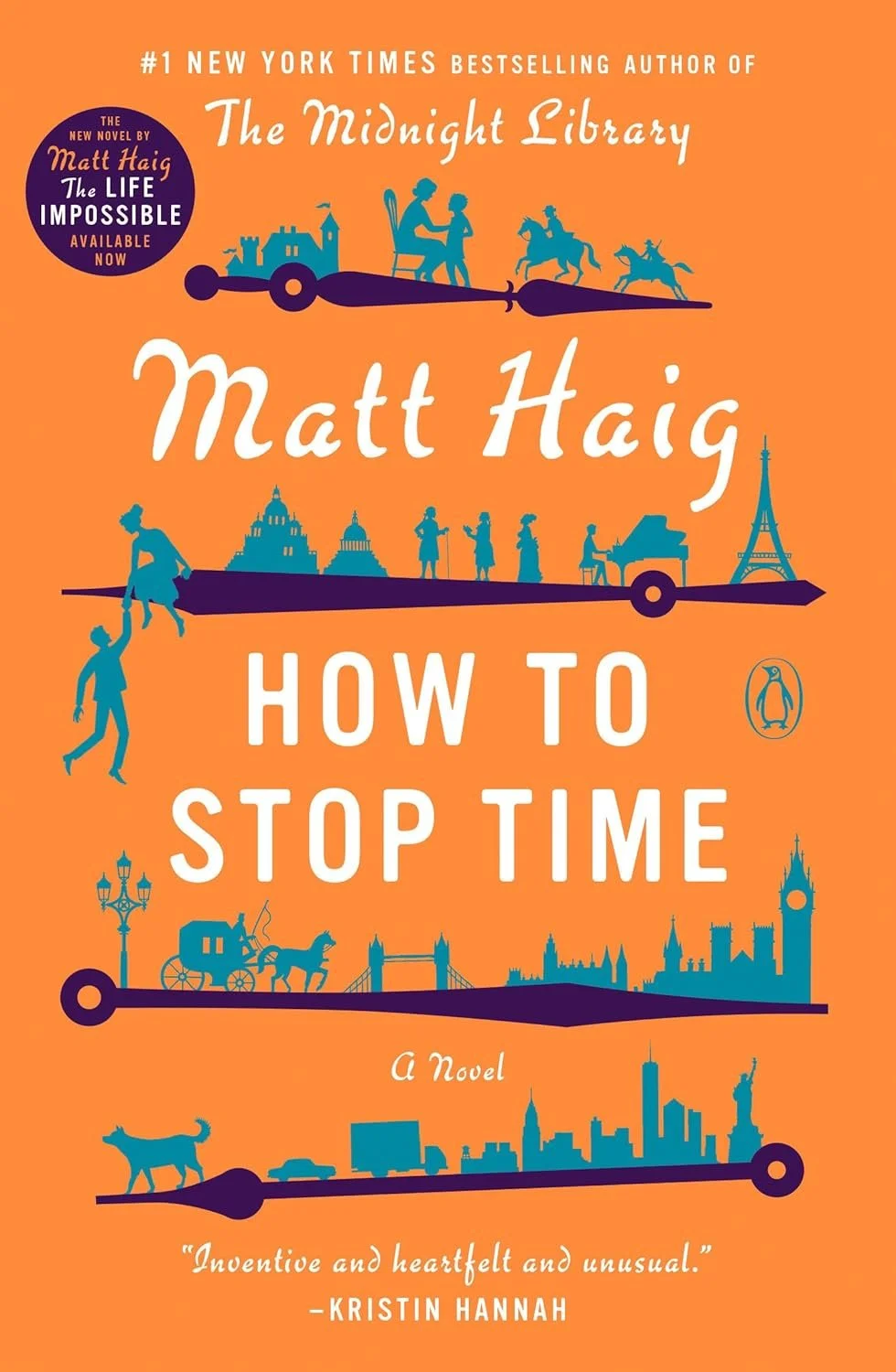
How to Stop Time — A man who ages extraordinarily slowly searches for meaning and connection across centuries.
11. Stanisław Lem
Readers fascinated by the cosmic questions in The Sirens of Titan should also consider Polish science fiction author Stanisław Lem. His books use encounters with strange technologies and extraterrestrial life to examine the limitations of human understanding.
Lem can be more cerebral than Vonnegut, but the two share a healthy skepticism about humanity's tendency to assume that everything in the universe should make sense to us.
Best Stanisław Lem books to read:
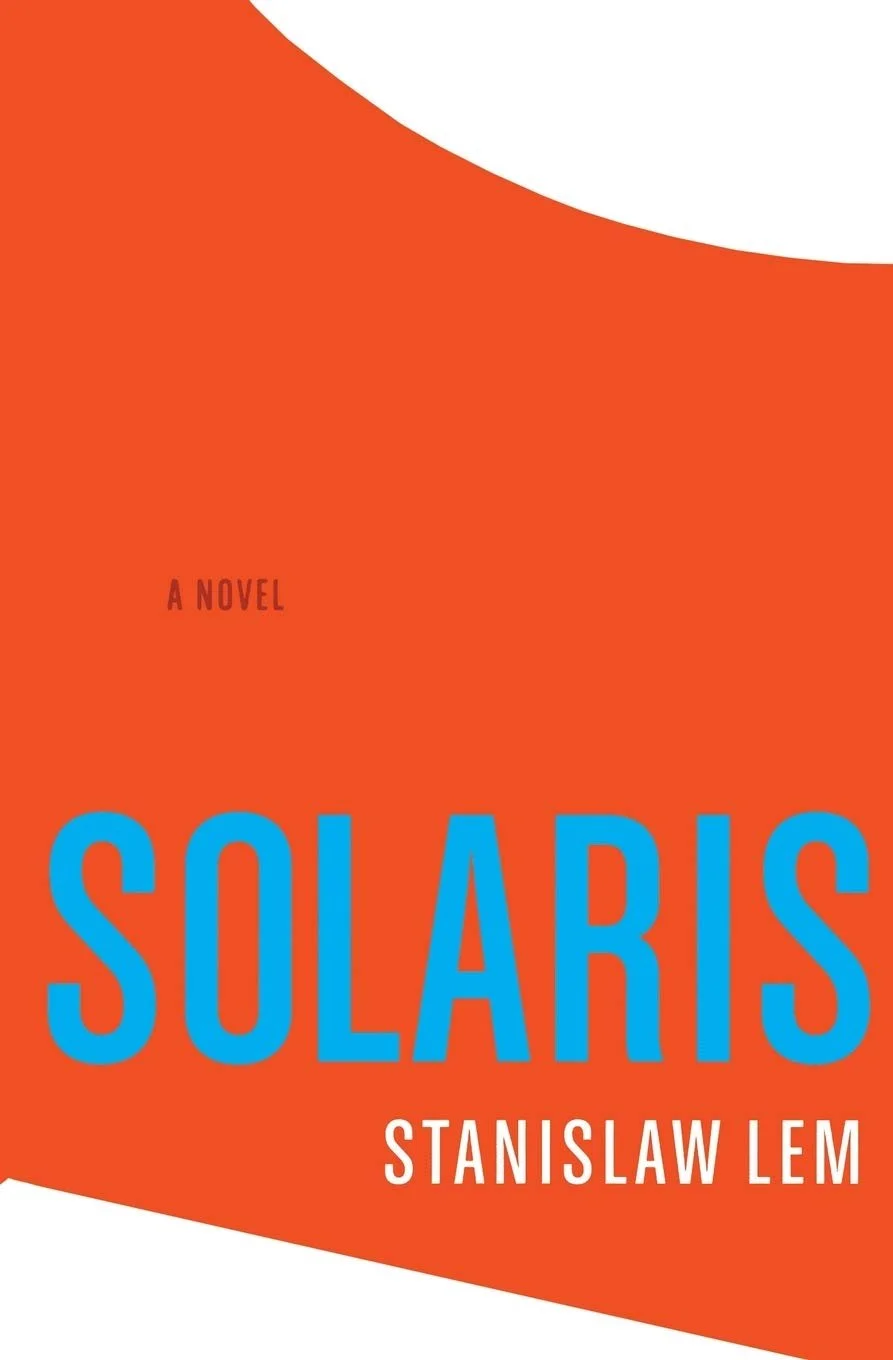
Solaris — Scientists attempt to understand a mysterious alien intelligence that may be far beyond human comprehension.
The Cyberiad — A collection of inventive, funny science fiction stories about robots, technology, philosophy, and human-like foolishness.
12. Margaret Atwood
Margaret Atwood is another author who uses speculative fiction not simply to imagine the future but to scrutinize the present. Like Vonnegut, she is interested in power, technology, institutions, human cruelty, and the strange rationalizations people create for terrible behavior.
Atwood's books tend to be darker and less overtly comic, but her sharp satirical eye makes her a strong choice for readers who appreciate the ideas driving Vonnegut's fiction.
Best Margaret Atwood books to read:
Oryx and Crake — A darkly satirical speculative novel about biotechnology, corporations, environmental destruction, and human ambition.
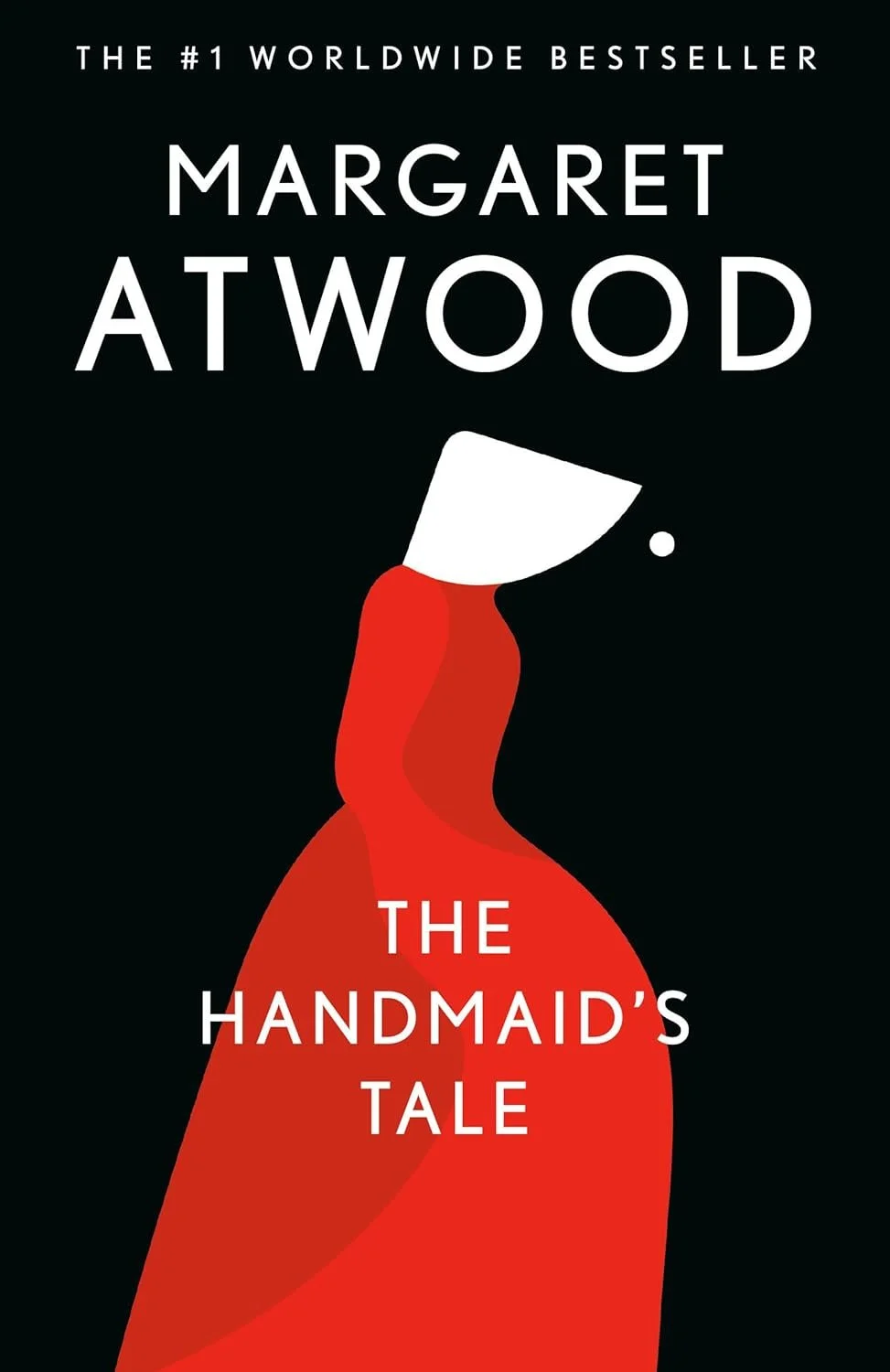
The Handmaid's Tale — A dystopian novel examining power, authoritarianism, gender, and the fragility of individual freedom.
Which Author Should You Read After Kurt Vonnegut?
The best author to read after Kurt Vonnegut depends on what you loved most about his books.
If The Sirens of Titan made you want more absurd adventures through the universe, start with Douglas Adams. If you loved the mixture of humor, sadness, and humanity in Vonnegut's short fiction, try George Saunders. If Slaughterhouse-Five stayed with you because of its depiction of war and bureaucracy, pick up Joseph Heller's Catch-22. And if you enjoy Vonnegut's speculative questions about technology and what it means to be human, Philip K. Dick is an excellent next step.
Readers who were particularly struck by the moral ambiguity of Mother Night might gravitate toward George Orwell, Percival Everett, or Margaret Atwood, all of whom ask difficult questions about individuals operating inside larger political and social systems.
Ultimately, no one writes quite like Kurt Vonnegut. His experiences during the Great Depression, his early journalism in high school and at Cornell University, his service during World War II, and his survival of the firebombing of Dresden all contributed to a worldview that was uniquely his own.
But that does not mean you cannot find the same feeling elsewhere.
The best authors like Kurt Vonnegut are not necessarily the writers who imitate his short sentences, science fiction plots, or dark jokes. They are the ones who can make you laugh at something absurd, recognize something uncomfortable about humanity inside the joke, and continue thinking about the idea long after you have finished the book.