
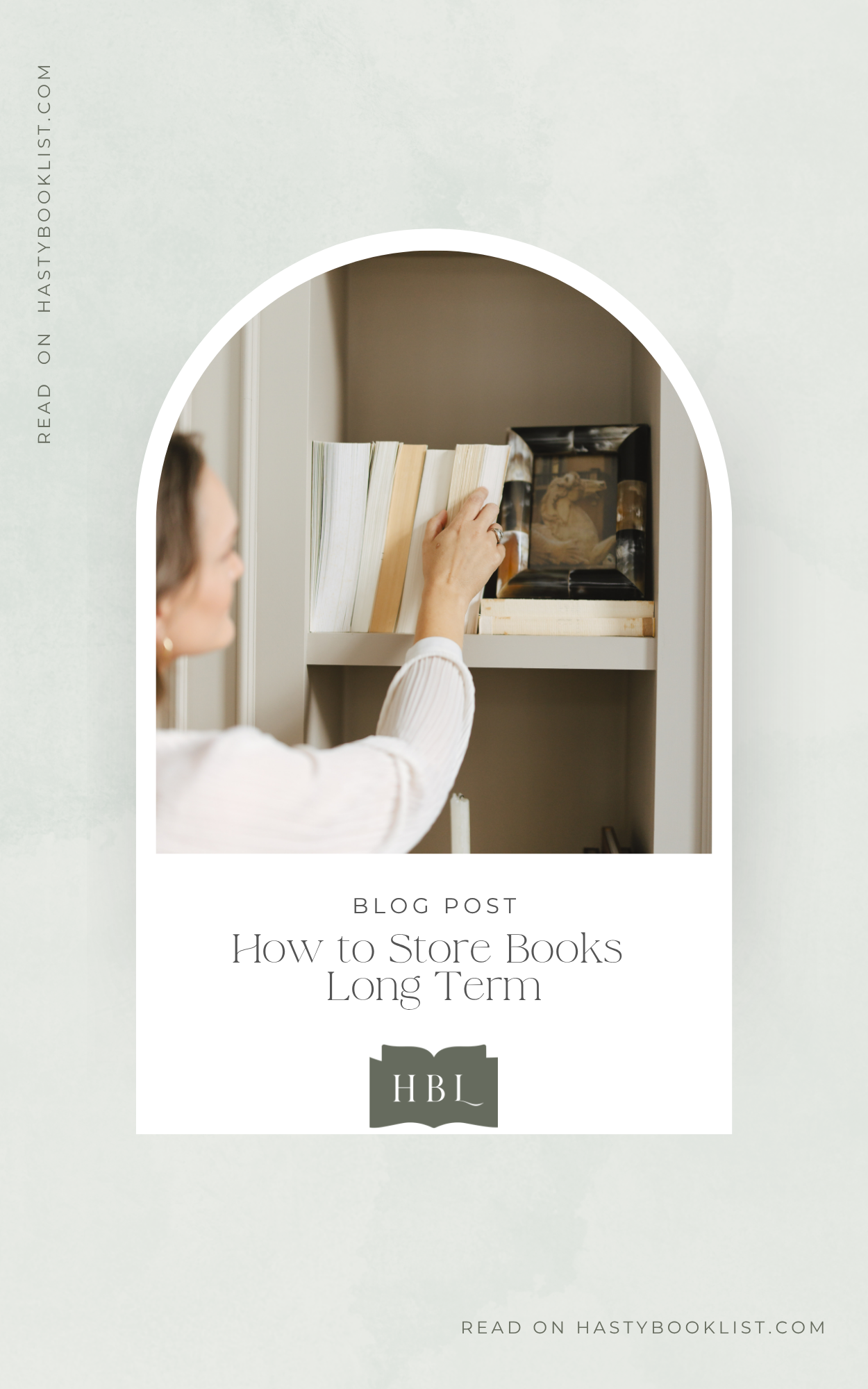
How to Store Books Long Term
One of the joys of reading is that books often become lifelong companions. Some books are read once and passed along, while others remain on our shelves for years or even decades. Whether you collect first editions, keep sentimental childhood favorites, or simply enjoy surrounding yourself with books, preserving them properly matters. However, storing books long term requires more than simply placing them on a shelf or in a box.
Books naturally degrade over time, especially when they are exposed to humidity, excessive heat, direct sunlight, or pests. Pages can yellow, covers can warp, and mold or insects can cause irreversible damage. Proper storage is about preserving condition, preventing damage, and maintaining readability for the future. Whether you plan to store books for a few years or several decades, taking a few extra precautions can make a significant difference. Today, I'm sharing a guide on how to store books long term.
How to Store Books Long Term
Books last significantly longer when they are kept in stable conditions. While no storage method can stop the aging process entirely, the right environment can dramatically slow it down. Proper packaging and book storage methods also play a major role in preventing physical damage over time.
The most effective long-term storage methods focus on controlling the environment, choosing the right materials, and protecting books from moisture, dust, and pressure damage. Whether you're preserving family heirlooms or making space by moving part of your collection into a storage unit, taking a little extra care today can help ensure your books remain readable for many years to come.
If you're building a home library for younger readers, you may also enjoy this guide on how to teach your child to read.
Where Do People Store Books At Home
Interior closets away from exterior walls
Interior closets are one of the safest places to store books because they are generally protected from temperature fluctuations and moisture. Exterior walls are more susceptible to condensation and changing weather conditions, which can damage books over time.
Bedroom shelves with stable temperature
Bedrooms often maintain a relatively consistent temperature throughout the year. Shelving in a bedroom can provide convenient access while helping books avoid the heat and humidity commonly found in garages or attics.
Living room shelving away from windows
Many readers display books in living rooms, but direct sunlight can fade covers and weaken paper. Positioning shelves away from windows or using curtains to filter sunlight helps preserve books for the long term.
Under-bed storage using sealed archival boxes
Under-bed storage is an excellent option when space is limited. Using archival-quality boxes with secure lids helps protect books from dust and minimizes exposure to humidity.
Dedicated storage rooms with humidity control
Collectors with larger libraries often designate an entire room for book storage. Maintaining proper humidity levels and air circulation can significantly extend the life of a collection. If you are using a storage unit, climate-controlled facilities are generally the best option for protecting books.
Ideal Conditions For Book Storage
The ideal environment for storing books includes:
Low-humidity environment with good air circulation
Consistent temperature without major fluctuations
Minimal exposure to sunlight or nearby heat sources
Clean, dust-free storage space
Protection from pests like insects or rodents
Relative humidity around 30 to 50 percent
Temperatures between 60 and 70 degrees Fahrenheit
Shelves or boxes that allow books to remain supported and upright
Avoiding damp basements, garages, and hot attics
These conditions help reduce the likelihood of mold growth, warped covers, brittle pages, and other forms of deterioration.
How To Store Books For Long Term Storage
Clean books gently using a dry cloth to remove dust
Before placing books into long-term book storage, wipe them carefully with a soft, dry cloth. Dust can attract moisture and pests over time. Avoid using water or cleaning products, as they can damage paper and bindings.
Sort books by size and condition before packing
Grouping books of similar size helps prevent unnecessary stress on bindings. Fragile books or oversized volumes may require additional support. Sorting also makes it easier to organize and locate books later.
Wrap fragile or valuable books in acid-free paper
Rare books, signed copies, and sentimental favorites deserve extra protection. Acid-free paper helps prevent discoloration and minimizes abrasion during storage.
Place books upright in sturdy archival boxes
Books are generally best stored upright, much like they would sit on a bookshelf. Archival boxes provide support while protecting books from dust and light. Avoid cardboard boxes that can deteriorate or attract insects.
Fill empty spaces to prevent shifting during storage
Books that slide around inside boxes can suffer damaged corners and bent covers. Use acid-free packing materials or archival tissue to fill gaps and keep books securely in place.
Label boxes clearly for easy identification
Clear labels make it much easier to locate specific books without repeatedly opening boxes and disturbing their contents. Organizing boxes by genre, author, or reading purpose can save considerable time later.
Additional Long-Term Book Storage Tips
When you store books, avoid stacking heavy boxes on top of one another. Excessive weight can crush books and damage bindings. Likewise, never store books directly on concrete floors, as moisture can seep upward and cause mold growth.
If you are placing books in a storage unit, climate control is one of the most important features to look for. Temperature swings and humidity are among the biggest threats to paper and bindings. Spending a little extra for a climate-controlled storage unit can be well worth the investment.
Ultimately, successful book storage comes down to consistency. Stable temperatures, low humidity, proper packaging, and routine inspections will help keep your collection in excellent condition. Whether you're preserving childhood favorites, maintaining a growing home library, or protecting valuable collectibles, learning how to store books long term can ensure that the stories you love remain in great shape for future readers.