


Protecting Your Home Library and Book-Filled Luggage from Pests
The paperbacks that came home from Los Cabos
The book math happens on the last night of a trip. In Los Cabos, it all ends up spread across the hotel bed: the novel you finished by the pool, the battered poetry collection from a market stall in San José del Cabo, the guidebook that went wavy in the salt air. One pile goes in the carry-on, one goes in the checked bag, and one paperback stays at the front desk for the next reader.
We pack books to protect corners and spines. We rarely think about what might ride home with them. Bed bugs travel in luggage seams and soft-sided bags, and a secondhand book from a library sale or a vintage shop can carry carpet beetle larvae tucked into its binding. Unpack in a humid South Florida home, where the shelves rarely sit in a room cooler than the low 70s, and either pest settles in comfortably.
Two pests, two very different clues
Look at where the evidence turns up. Carpet beetle larvae leave shed, bristly skins and fine, sand-like frass along shelf edges and down inside book spines. Bed bugs stay close to where people sleep and leave dark, ink-like spotting on sheets and mattress seams. For South Florida readers, this guide to carpet beetles vs bed bugs in West Palm Beach homes covers those differences in more detail, with photos of both.
Carpet beetles eat animal fibers: wool rugs, felt bookends, leather bindings, cloth-covered spines on older editions, animal-based bookbinding glue, and the lint that collects behind a tightly packed row. Bed bugs eat blood, so a book is only ever a hiding spot. A paperback left on the nightstand of an infested hotel room can shelter a few. A hardcover on your living room shelf, far from any bed, mostly cannot.
Nearly every prevention decision follows from that difference.
Three ways to protect your books, compared
Travelers tend to shrug off the bed bug side. According to the National Pest Management Association, a Harris Poll survey from April 2025 found that only 28% of Americans check their hotel rooms for bed bugs before staying overnight, and just 29% can correctly identify one.
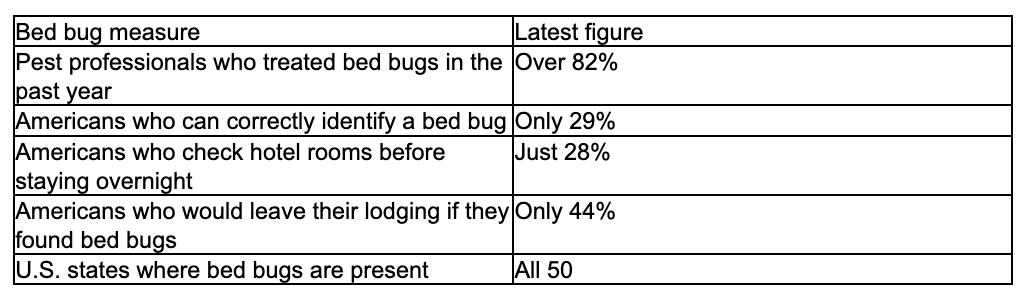
Against those numbers, here is how the three common approaches compare.
DIY shelf care is cheap and fits habits book lovers already have. Every few months, pull each shelf, vacuum along the back edge with a crevice tool, wipe the boards, and open a few spines to look for skins or frass. Carpet beetles thrive on undisturbed dust, so this works well against them. Against bed bugs it does almost nothing. And it only works if you do it: a shelf of rarely touched first editions is exactly where a small infestation can hide for a year.
Travel-smart packing attacks bed bugs where you pick them up. Set your suitcase on the luggage rack or in the bathtub, never on the bed. Pull back the fitted sheet at one corner and check the mattress seam for dark spots. Keep books and e-readers in a zip-top bag inside your luggage. Once home, unpack straight into the laundry room and run clothes through a hot dryer cycle for 30 minutes. It costs a few minutes per trip, but it only covers what comes home from hotels. It won't catch larvae in a thrift-store hardcover.
Professional inspection is the slowest and most expensive option, and the only one that gives a confident answer. A trained technician can tell carpet beetle larvae from bed bug nymphs on sight, find harborage you would miss, and treat without soaking your books in spray. Call one after you find live insects, bites you can't explain, or damage in more than one room. For a single suspicious paperback, it's probably overkill.
None of the three covers everything, so most careful readers combine two.
A routine that fits a reader's year
The easiest routine follows the reading and travel calendar you already keep. In South Florida, carpet beetle adults come in through screens to lay eggs during the long humid stretch from May through October. That is the season to take your shelves seriously.
Quarantine every secondhand book in a sealed plastic bag for two weeks, then check the bag for skins or movement before shelving it.
Pull and vacuum your shelves each spring and again in early fall, with extra attention to leather, cloth, and older bindings.
Keep wool throws and felt items off the bookshelf, since they draw carpet beetles to the books beside them.
Inspect the hotel mattress seam before you unpack, and keep your book bag sealed until you're home.
Call a professional if you find live insects in two separate rooms or wake up with fresh bites.
Then go back to that last-night packing ritual and change one habit. The market-stall poetry book and the swollen guidebook go into their own sealed bag, and that bag gets opened on the kitchen counter, never on your bed. Shake it out over a white towel. Page through it in good light. Only then does it join the rest of the shelf.