
What Are Self-Help Books
Self-help books have become one of the most popular nonfiction categories in modern publishing, and it is easy to understand why. Readers are constantly searching for ways to improve different aspects of their lives, whether that means building better habits, improving relationships, increasing productivity, strengthening confidence, or supporting their overall mental health. These improvement books often promise practical strategies, mindset shifts, and actionable advice designed to help readers create meaningful long-term change.
A lot of people turn to self-help books because they want guidance that feels accessible and applicable to everyday life. Some readers are looking for motivation during difficult seasons, while others want growth oriented resources that can help them become more organized, emotionally aware, financially stable, or professionally successful. Many self help oriented books also overlap with topics like psychology, leadership, communication skills, wellness, and emotional resilience.
Today, I’m talking about what self-help books are, why they remain so popular, whether they actually work, and some of the best titles worth adding to your reading list.
What Are Self-Help Books
Self-help books are nonfiction books designed to help readers improve specific aspects of their lives through advice, frameworks, habits, mindset shifts, or psychological insights. These books include topics such as productivity, motivation, mental wellness, leadership, communication, confidence, relationships, financial improvement, and emotional health.
Unlike purely informational nonfiction, self-help books are typically written with transformation in mind. The goal is not simply to provide knowledge but to encourage readers to apply the ideas to their own lives. Some books focus heavily on actionable systems and routines, while others emphasize personal reflection, emotional awareness, or behavioral change.
Many self-help authors draw from psychology, business, neuroscience, philosophy, or personal experience. Some books are written by therapists, coaches, researchers, entrepreneurs, or mental health professionals, while others come from individuals sharing lessons learned through personal challenges and success stories.
One reason readers continue to read self help books is because they often feel highly personal. Even when discussing universal topics like confidence or productivity, the advice can feel directly applicable to a reader’s individual circumstances and goals.
Why Are Self Help Books So Popular
Desire for personal improvement
One of the biggest reasons self-help books remain popular is that people naturally want to improve their lives. Readers are constantly looking for ways to become more productive, more confident, healthier, happier, or more financially secure. Personal growth has become deeply connected to modern culture, and self-help books provide structured ways to pursue that growth.
Many readers feel overwhelmed by daily responsibilities and want practical systems that can help them feel more in control. These growth oriented books offer step-by-step guidance that can make large goals feel more achievable.
Increased focus on mental wellness
Conversations surrounding mental health have become far more open and widely discussed in recent years. Readers are increasingly interested in understanding stress, burnout, emotional regulation, anxiety, confidence, and self-awareness.
While self-help books are not replacements for therapy or medical care, many books written by therapists and mental health professionals can provide useful tools for reflection and emotional growth. Readers often appreciate having accessible resources that allow them to better understand their thoughts, emotions, and habits.
Social media influence around self growth
Social media has played a major role in increasing the visibility of self-help content. Platforms like TikTok, Instagram, YouTube, and podcasts regularly feature recommendations for improvement books centered around productivity, routines, confidence, and mindset.
Readers frequently discover books through creators discussing how certain titles changed their lives or helped them develop healthier habits. This constant visibility keeps self-help books highly relevant and widely discussed across multiple age groups.
Productivity and habit culture
Modern culture places enormous value on efficiency, optimization, and routine building. Many readers are drawn toward books that promise better time management, habit tracking, focus, or long-term consistency.
Books like Atomic Habits and Deep Work have become especially popular because they provide practical systems readers can apply immediately. People often want advice that feels actionable rather than purely motivational.
Accessibility through audiobooks and podcasts
Self-help content has also become easier to consume through audiobooks, podcasts, and digital platforms. Many people listen to these books while commuting, exercising, or doing household tasks.
Audiobooks in particular have helped readers engage with self-help material in a more conversational way. Some readers even revisit chapters repeatedly to reinforce lessons they want to implement in their own lives.
Do Self Help Books Work
Self-help books can absolutely be effective, but much of their impact depends on how readers engage with the material. The readers who benefit most tend to actively apply the ideas, systems, and habits discussed instead of treating the books as passive motivation.
The most effective self-help books usually focus on realistic behavioral changes and long-term mindset shifts rather than offering quick fixes. Books that provide actionable frameworks often create more lasting results because readers can immediately implement what they learn.
It is also important to remember that no single book will completely transform a person overnight. Real growth typically happens gradually through repeated habits, reflection, and consistent effort.
A lot of readers say that the value of self-help books comes not from learning entirely new information, but from hearing familiar truths explained in ways that finally resonate with them. Sometimes the right book arrives at exactly the right moment in someone’s life.
What Are The Benefits Of Reading Self Help Books
Better productivity and time management
Many self-help books help readers create better systems for organizing tasks, prioritizing goals, and managing time more effectively. Readers often gain practical strategies that reduce overwhelm and increase consistency.
Increased motivation and confidence
Self-help books frequently encourage readers to challenge limiting beliefs and take action toward personal goals. Many readers feel more empowered after reading books focused on resilience, confidence, and self-worth.
If confidence-building is one of your goals, you may also enjoy these best books on building confidence.
Improved emotional awareness
Many books include discussions about emotional regulation, stress management, and self-reflection. These insights can help readers better understand their own reactions, triggers, and patterns.
Healthier habits and routines
A lot of self-help books focus on routines, consistency, and behavior change. Readers who struggle with procrastination or inconsistency often appreciate practical systems they can realistically maintain over time.
Stronger communication skills
Books centered around relationships and leadership frequently help readers improve their communication skills. Learning how to navigate difficult conversations, express thoughts clearly, and better understand other people can improve both personal and professional relationships.
Better financial decision making
Financial self-help books often teach budgeting, investing, long-term planning, and money management principles. Readers looking for more stability frequently turn toward these resources for practical guidance.
What Are The Best Self Help Books
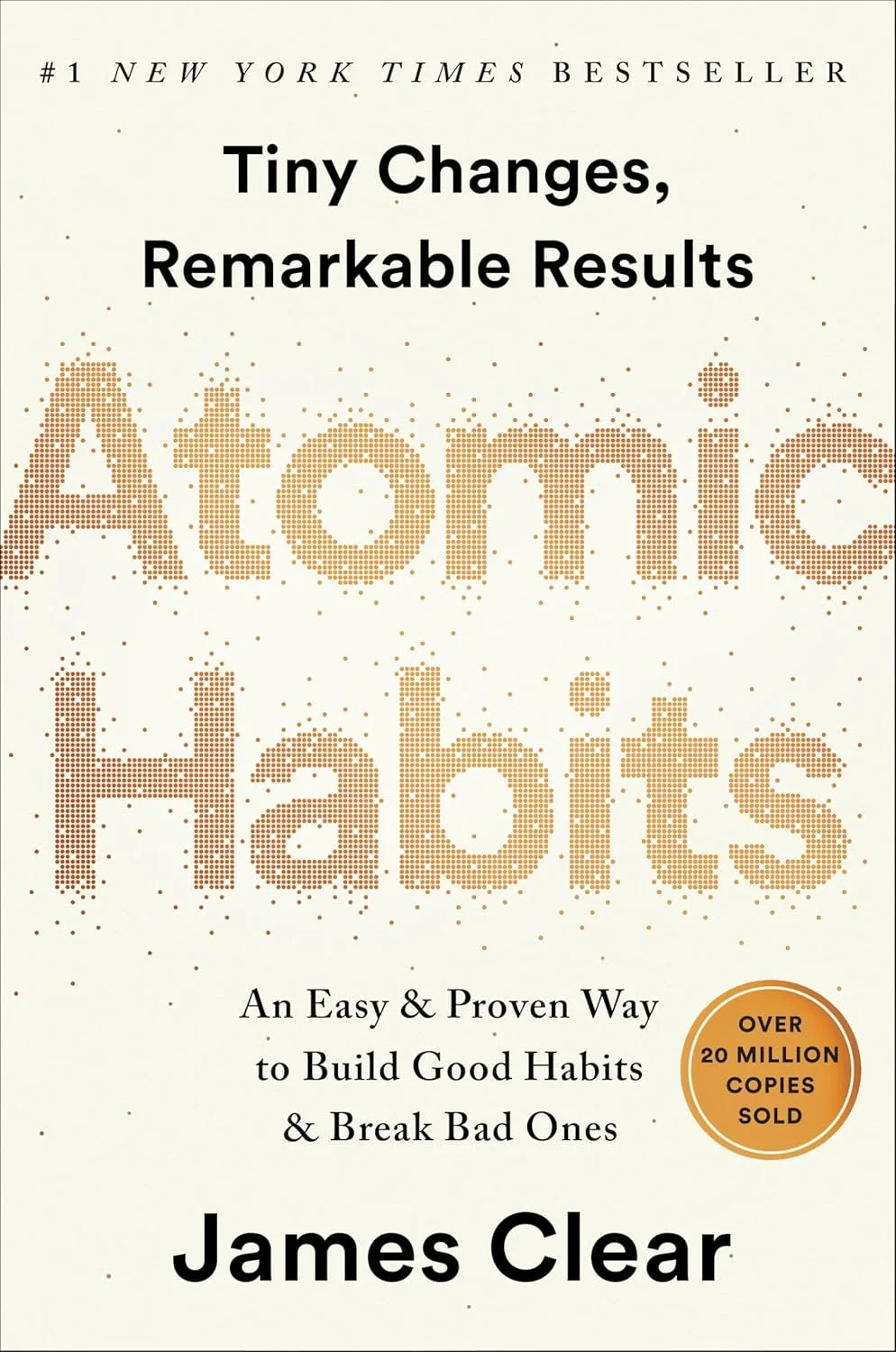
Atomic Habits by James Clear
One of the most widely recommended self-help books in recent years, Atomic Habits focuses on how small daily habits create long-term results. James Clear explains habit formation in highly practical ways that feel easy to apply immediately.
Readers can expect actionable systems, behavior psychology insights, and realistic strategies for building consistency.

The 7 Habits of Highly Effective People by Stephen R. Covey
This classic book written by Stephen Covey remains incredibly influential decades after publication. The book focuses on responsibility, effectiveness, leadership, and long-term personal development.
Many readers appreciate its emphasis on principles rather than quick fixes.
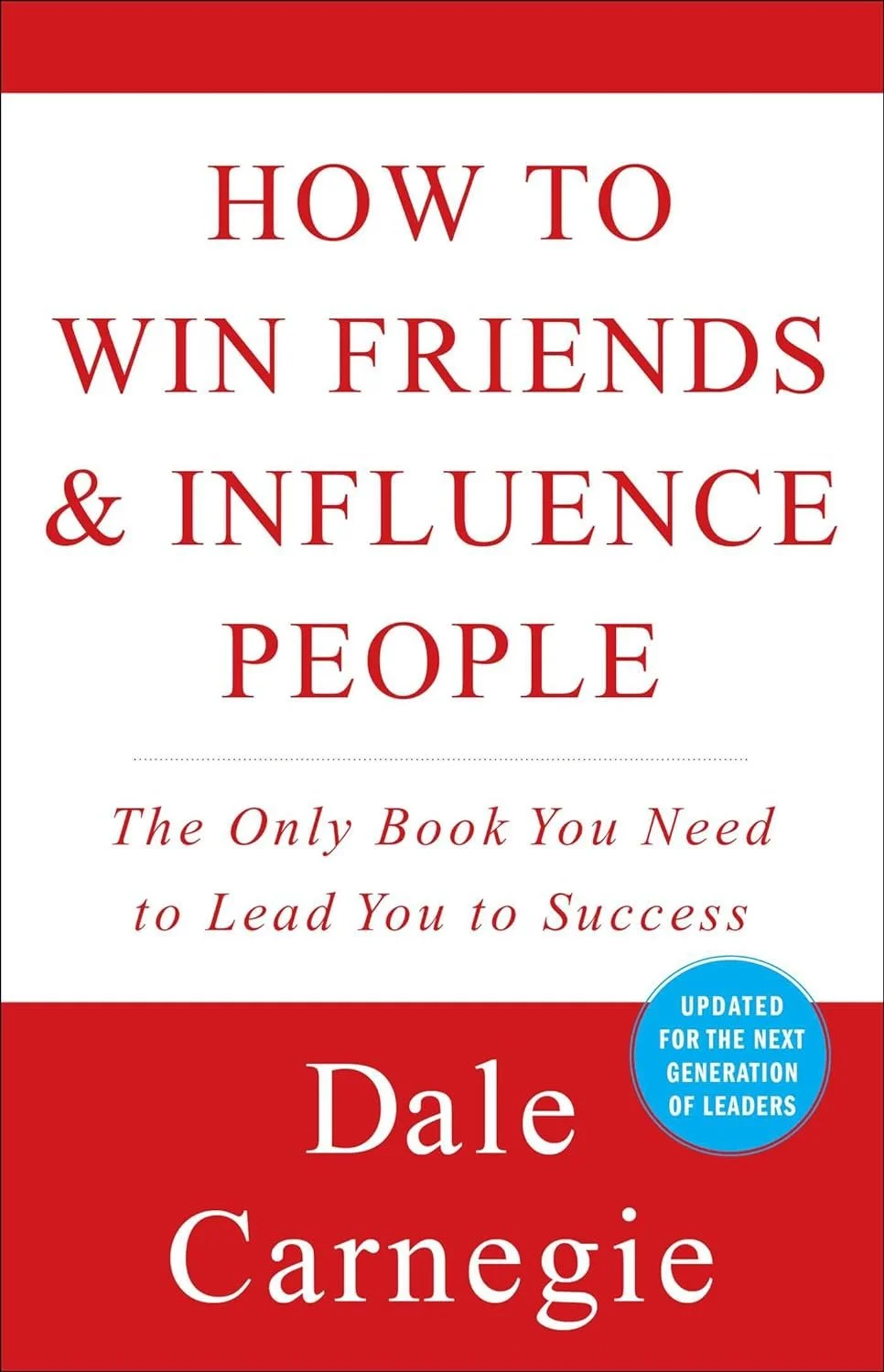
How to Win Friends and Influence People by Dale Carnegie
Few self-help books have had the cultural impact of How to Win Friends and Influence People. This classic explores relationships, persuasion, listening, empathy, and communication skills.
Even readers who normally avoid self-help often find value in the timeless advice surrounding how to win friends and influence people more effectively in both personal and professional situations.
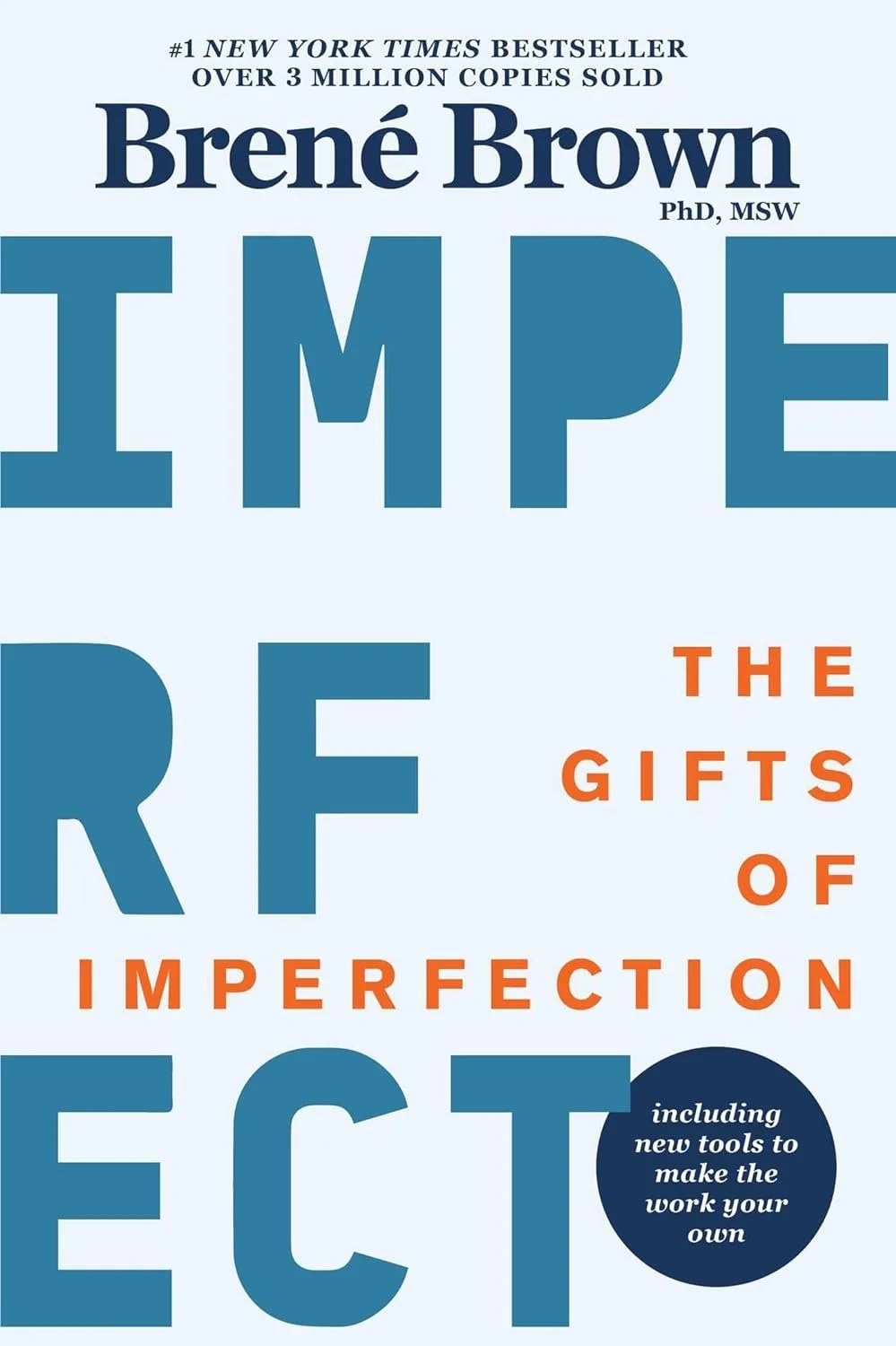
The Gifts of Imperfection by Brené Brown
Brené Brown’s work focuses heavily on vulnerability, shame resilience, and emotional authenticity. This book resonates with readers looking to embrace imperfection and build stronger emotional awareness.
Many readers say this is one of the most emotionally impactful books they’ve read.
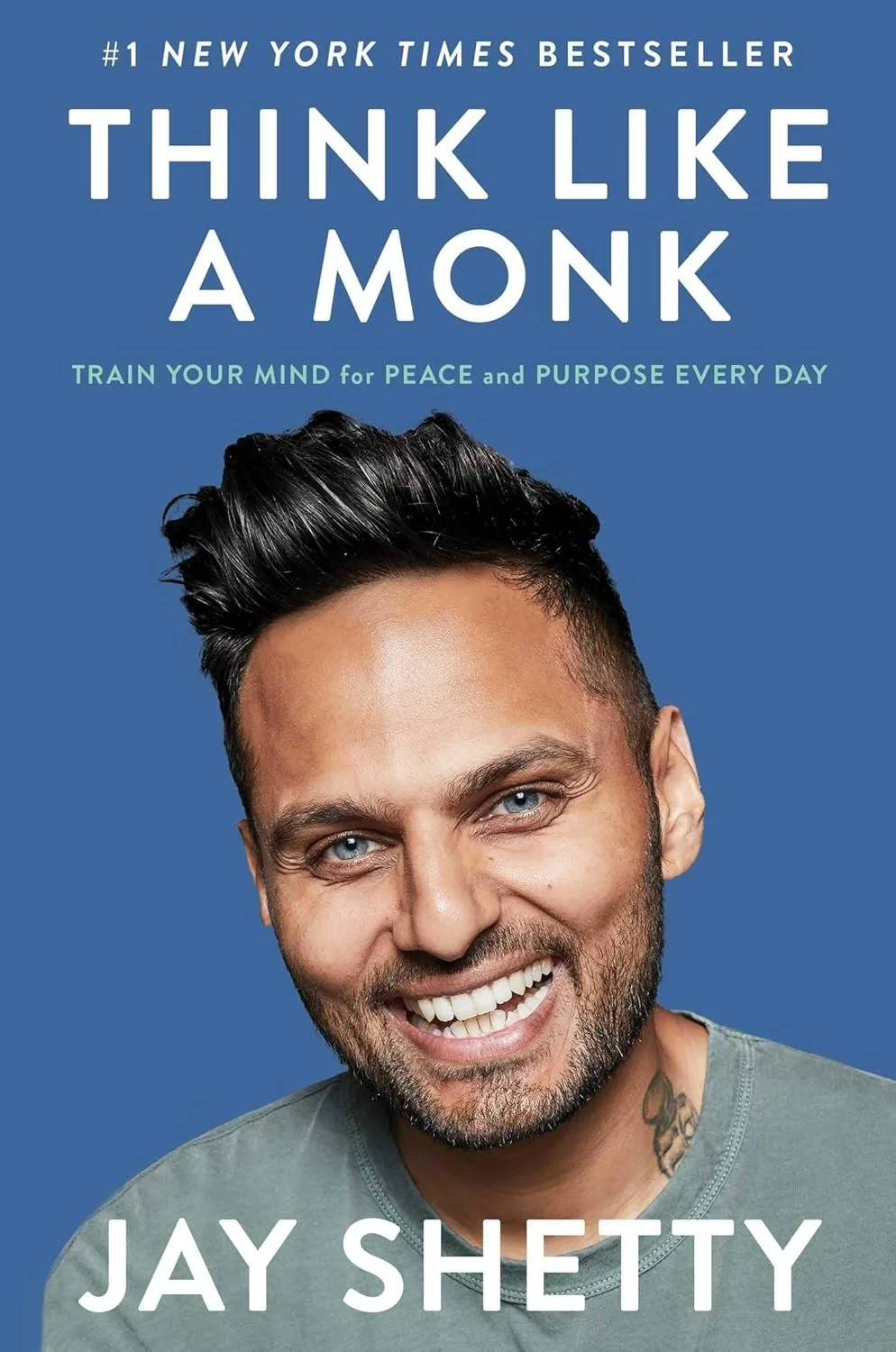
Think Like a Monk by Jay Shetty
Jay Shetty combines mindfulness, purpose, and habit-building strategies with lessons inspired by his time studying as a monk. The book explores stress, comparison, self-discipline, and intentional living.
Readers looking for calmer, more reflective self-help often connect strongly with this title.
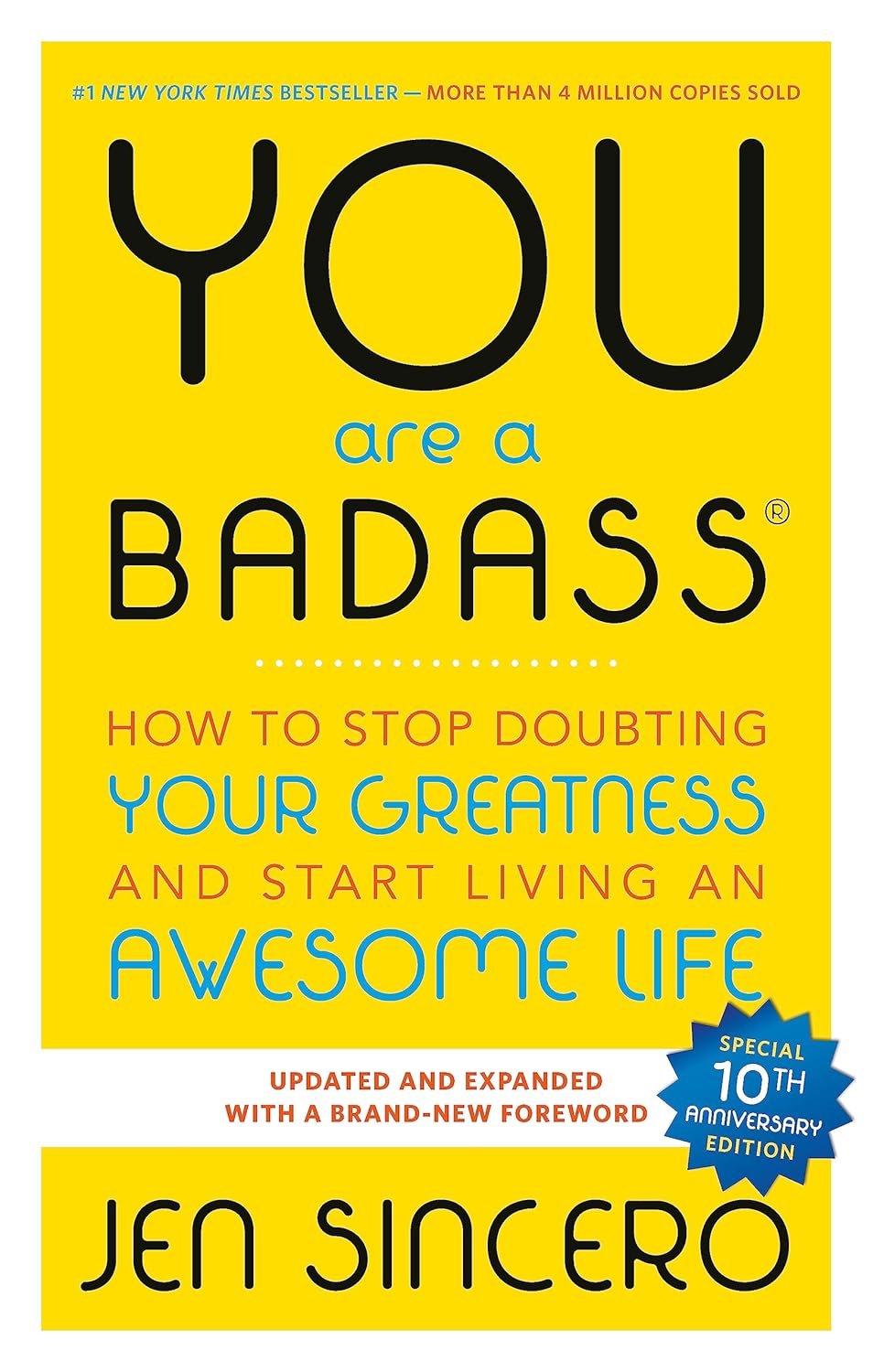
You Are a Badass by Jen Sincero
This motivational bestseller uses humor, direct language, and encouragement to help readers build confidence and pursue bigger goals. It appeals especially to readers who want highly energetic, motivational writing styles.
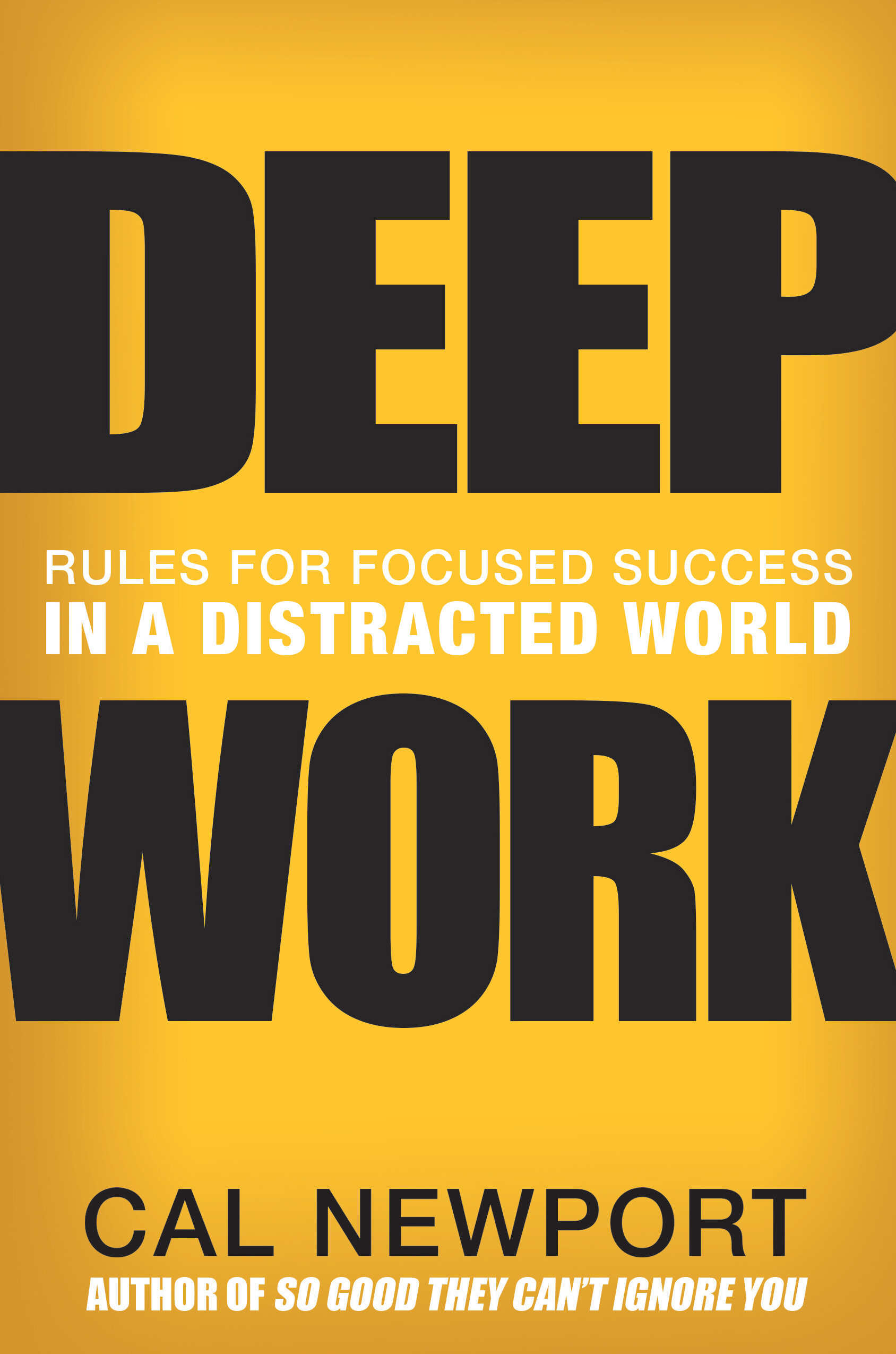
Deep Work by Cal Newport
This productivity-focused title examines the importance of focused attention in a distracted world. Newport explains how deep concentration can improve creativity, efficiency, and long-term success.
Readers interested in productivity and reducing distractions often find this book particularly useful.
Whether you prefer practical systems, emotional insight, motivational encouragement, or psychology-driven advice, self-help books continue to resonate because they offer readers tools for meaningful personal growth. The best self-help books do more than inspire temporary motivation. They help readers think differently, build healthier habits, strengthen relationships, and create lasting positive change over time.