
Why Literary Salons Are Having a Moment (and Why Chicago Literary Salon Is the One to Join)
For years, reading was treated as a solitary act. Quiet. Personal. Almost private.
But something has shifted.
Across culture, fashion, and media, literary gatherings are re-emerging—not as dusty throwbacks, but as vibrant, modern social experiences. Book clubs, salons, and reader-led events are being reframed as places of connection, style, and substance. In an era saturated with digital noise, people are craving spaces that feel intentional, thoughtful, and human.
And the cultural conversation is noticing.
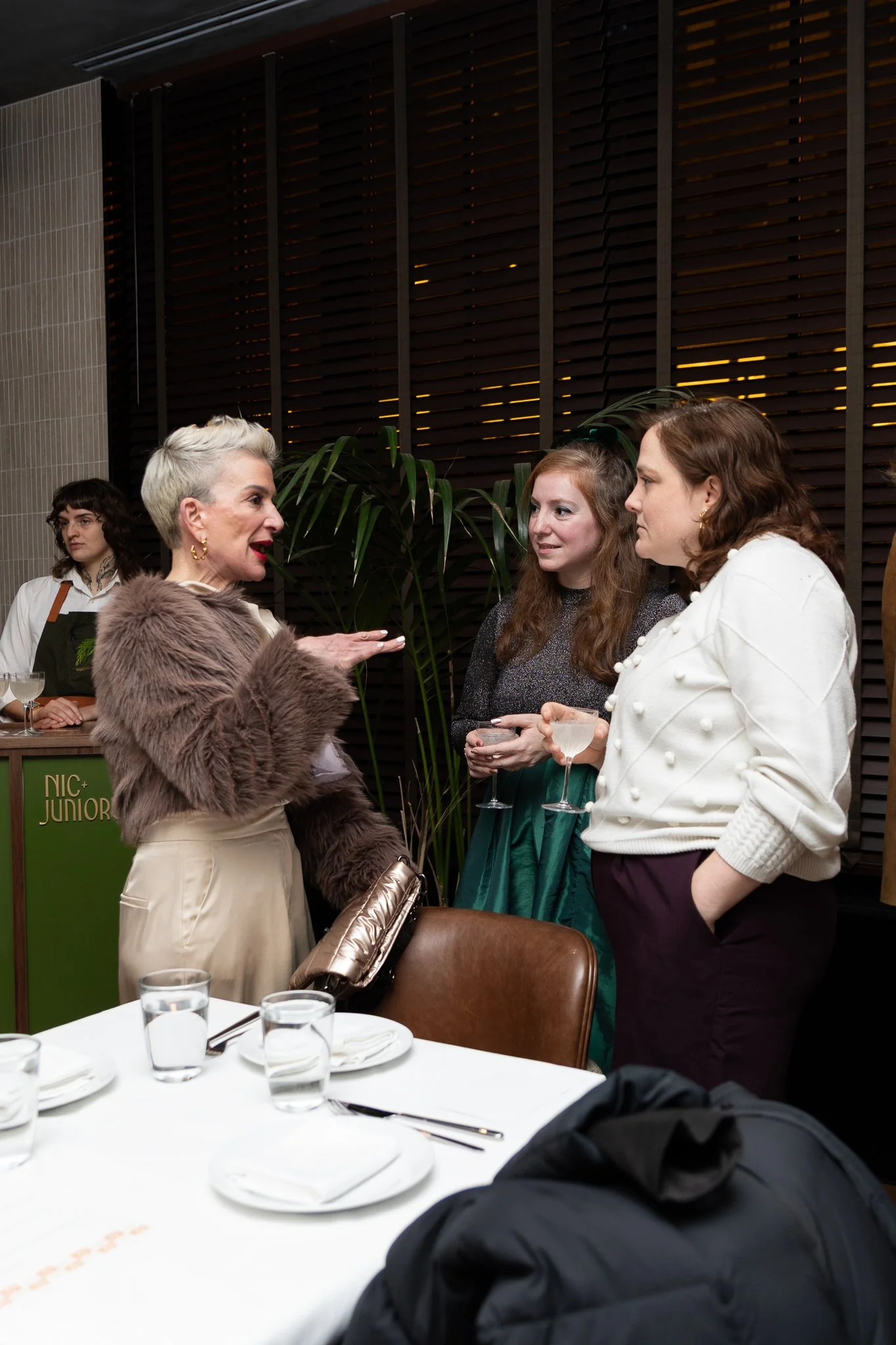
Publications like Coveteur and Vogue have spotlighted this shift, framing book clubs and community-led gatherings as the new markers of cultural influence. Reading, once seen as passive, is now social capital. Hosting conversations is the new form of leadership. Gathering people is the new luxury.
As Coveteur notes in its exploration of the “Literary It Girl,” book clubs have become spaces where taste, curiosity, and identity converge—where being well-read is intertwined with being socially engaged. Meanwhile, Vogue points to a broader trend: community event leaders are becoming the new influencers, not because of follower counts, but because they create meaningful, repeatable experiences that people return to again and again.
The takeaway is clear:
Culture is moving offline—and it’s moving around tables.
The Return of the Salon (Without the Pretension)
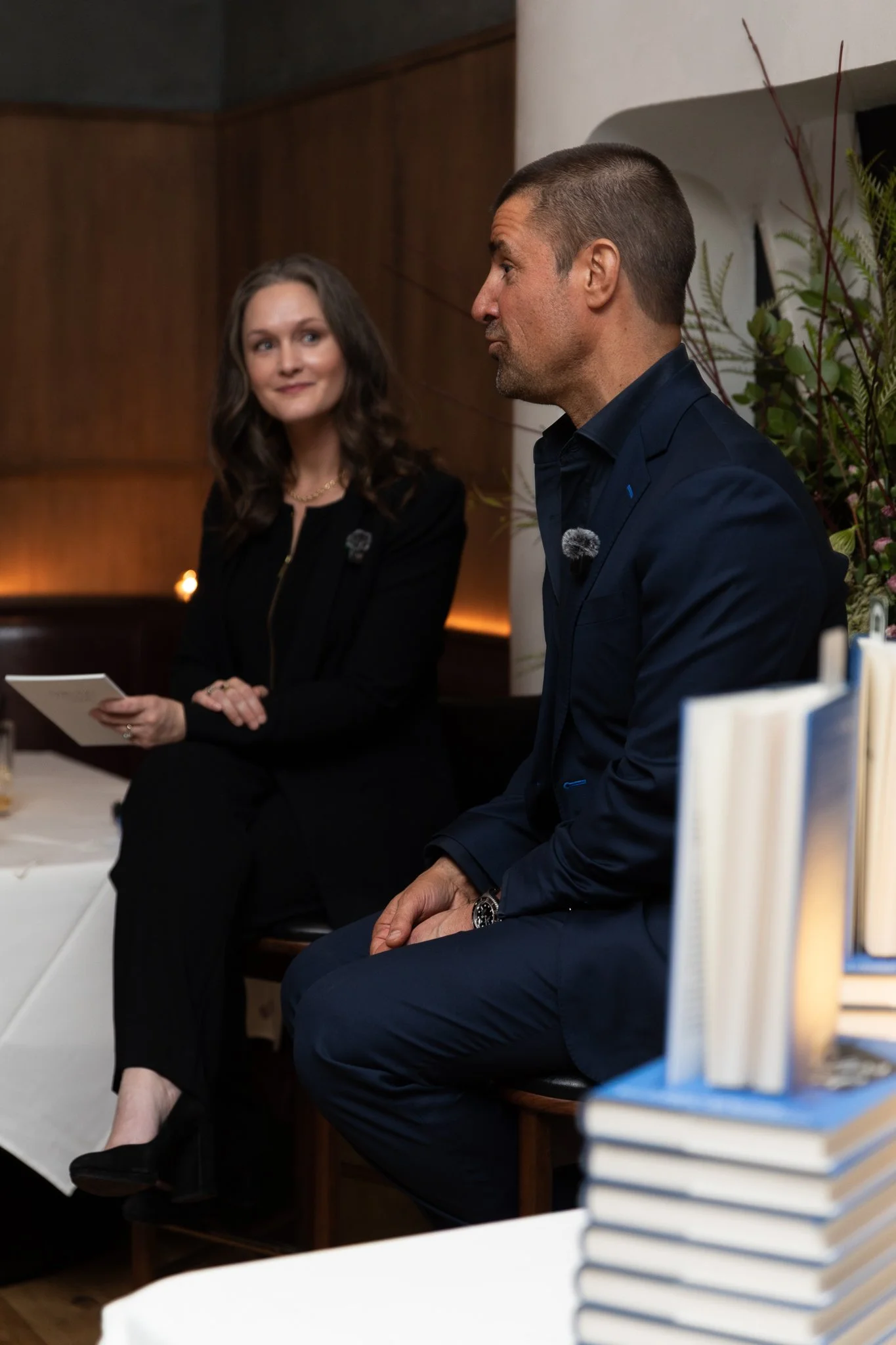
Historically, salons were spaces where writers, thinkers, and artists gathered to exchange ideas. They were intimate by design and transformative by nature.
Today’s literary salons carry that same spirit—but with a modern sensibility. No velvet ropes. No academic gatekeeping. No pressure to perform.
Instead, the new salon is about:
Thoughtful conversation over curated spectacle
Shared curiosity rather than expertise
Connection that feels genuine, not transactional
This resurgence isn’t nostalgia—it’s a response. A response to isolation, to endless scrolling, to performative networking. People want rooms that feel warm, intentional, and human.
Why Chicago Literary Salon Fits This Moment Exactly
The Chicago Literary Salon exists not because this trend emerged—but because this need always existed.
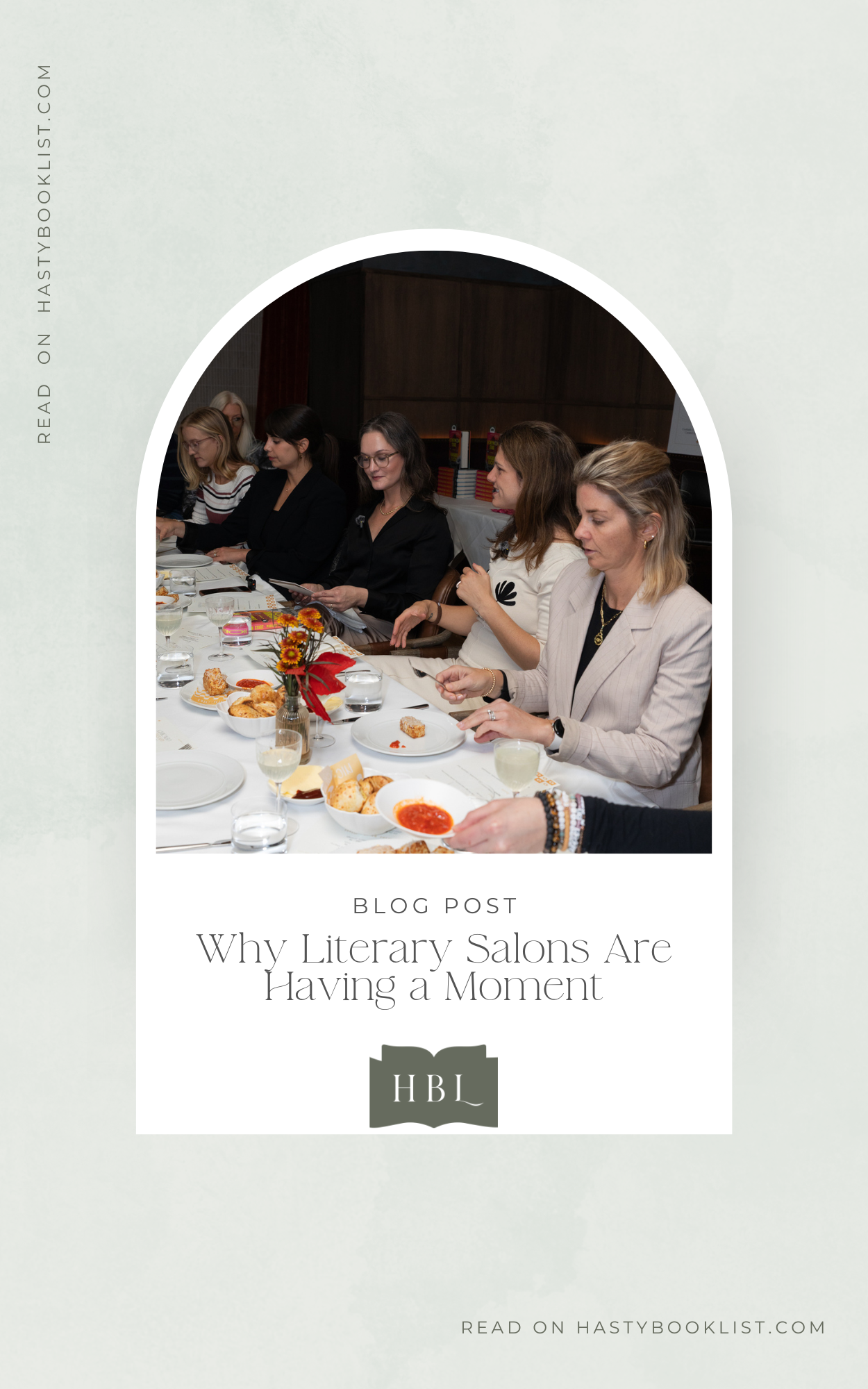
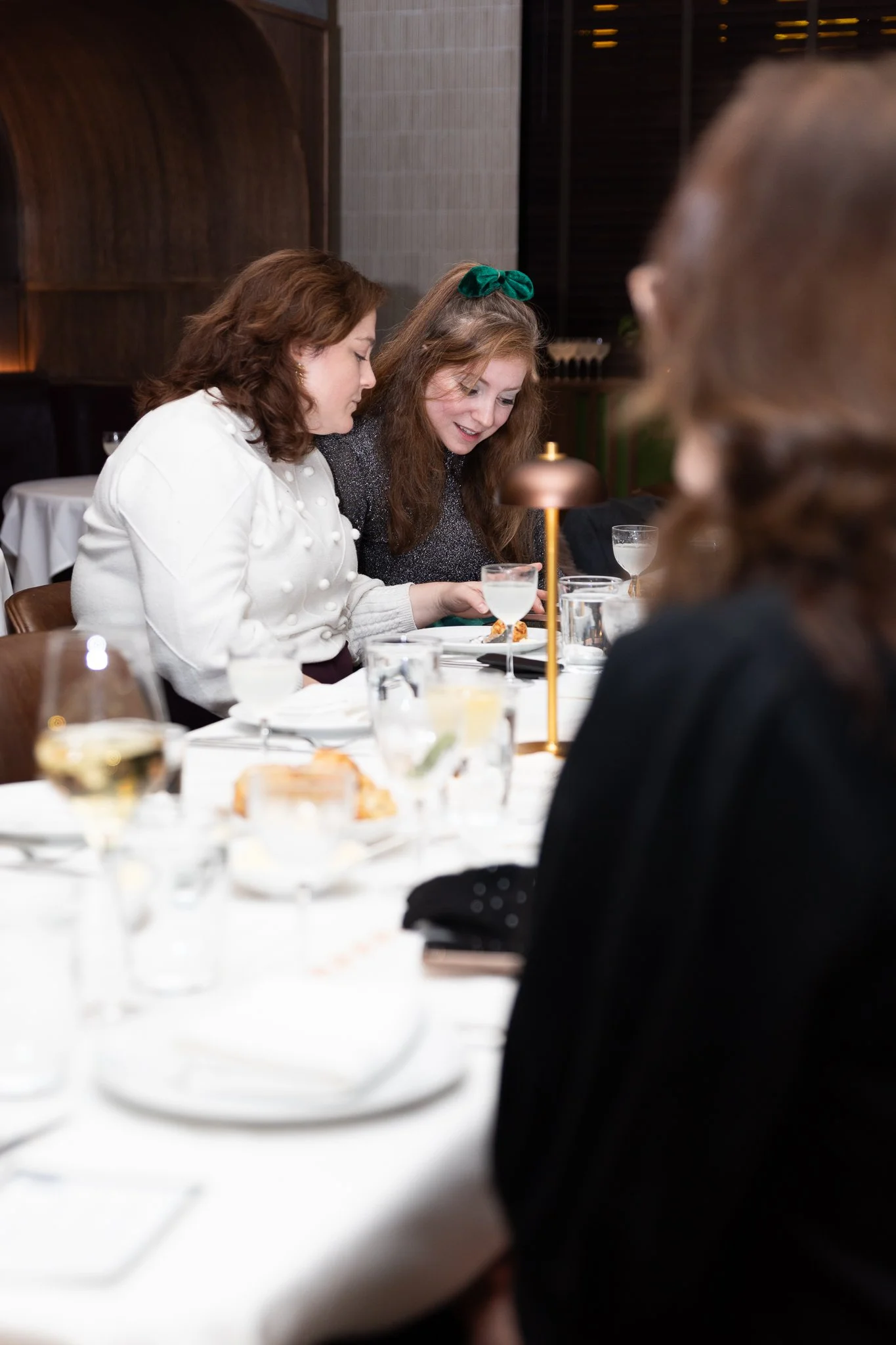
What makes the Salon distinct is its refusal to rush or scale at the expense of intimacy. Each gathering is intentionally small. Each evening is structured around conversation, not consumption. Guests don’t attend to be seen—they attend to participate.
At Chicago Literary Salon:
You don’t need to read the book in advance—conversation is guided, welcoming, and inclusive
Authors sit at the table, not on a stage
Dinners are candlelit, unhurried, and thoughtfully curated
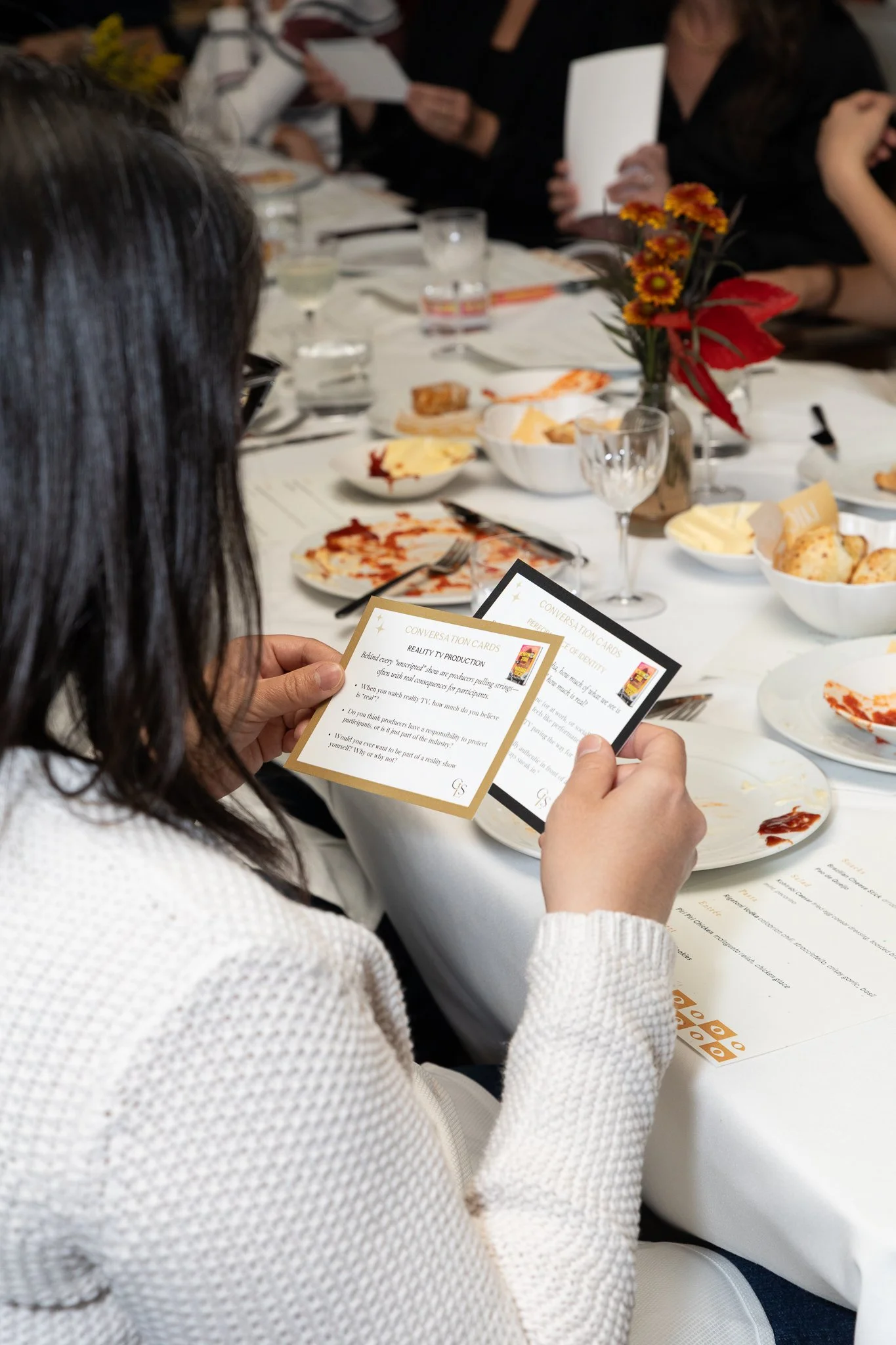
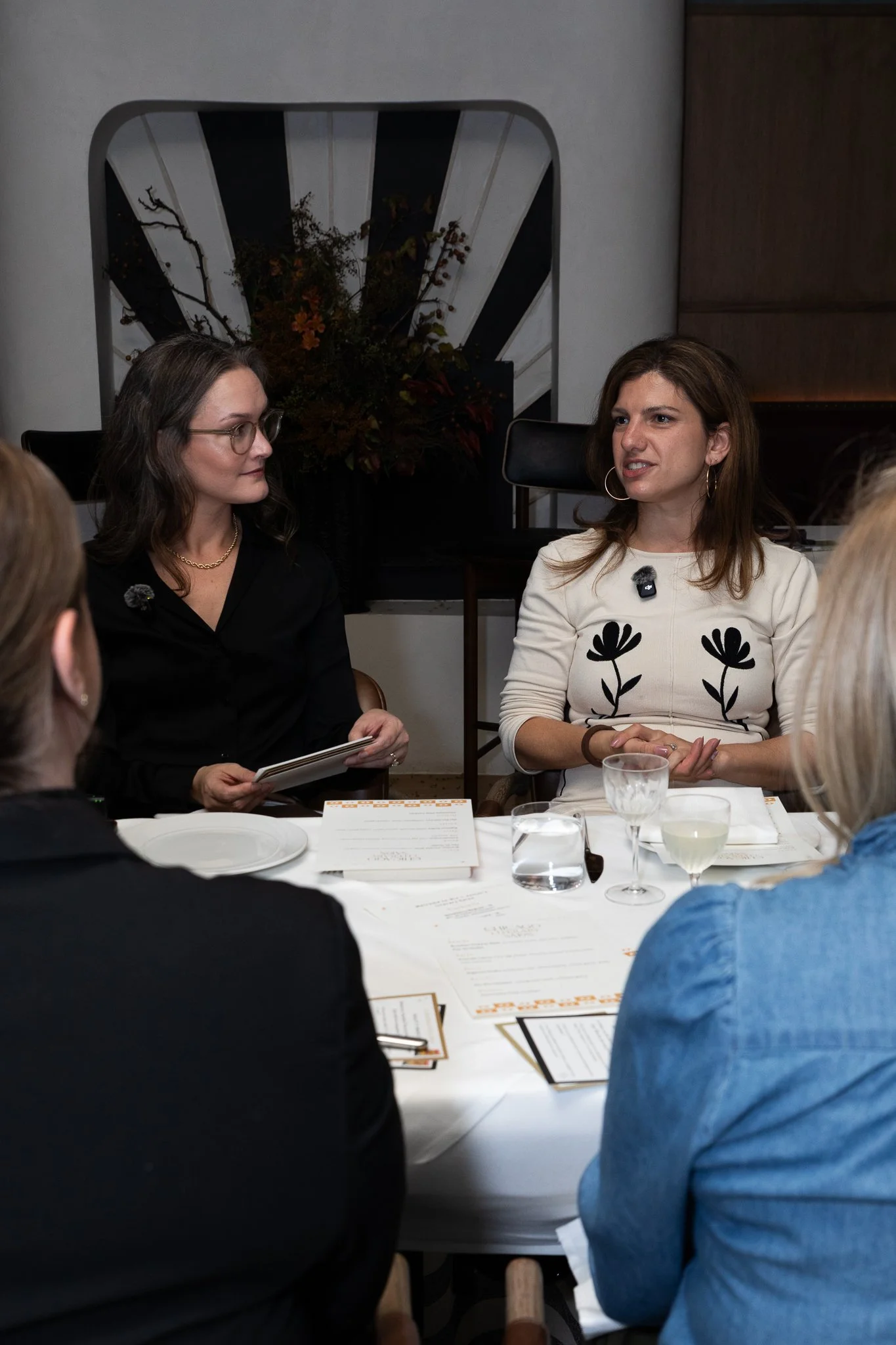
Conversation cards replace panels, allowing dialogue to unfold naturally
This is not a performance of literary culture.
It’s a practice of it.
In a city as rich and layered as Chicago, the Salon offers something rare: a consistent space for readers, creatives, and curious minds to gather with intention. Not as strangers passing through an event—but as people sharing an evening.
Why Now Is the Time to Join
Cultural shifts are easiest to recognize in hindsight. But the most meaningful ones are felt in real time.
Right now, we are witnessing a return to in-person connection. To slow gatherings. To conversations that linger. Literary salons are not just “having a moment”—they are filling a gap people didn’t realize how deeply they felt.
As Vogue suggests, influence today is less about reach and more about resonance. And resonance is built in rooms like these.
If you’ve been waiting for the right time to attend a Chicago Literary Salon, this is it. Not because it’s trendy—but because it aligns with where culture is heading.
Toward connection.
Toward conversation.
Toward community.
The doors are open.
The table is waiting.